

 プレビュー
プレビュー
 シェアする
シェアする シェアする
シェアする
 詳細を見る
詳細を見る

 ダウンロード
 似ている作品
 X線調査
X線調査 スライドショー
 Stats
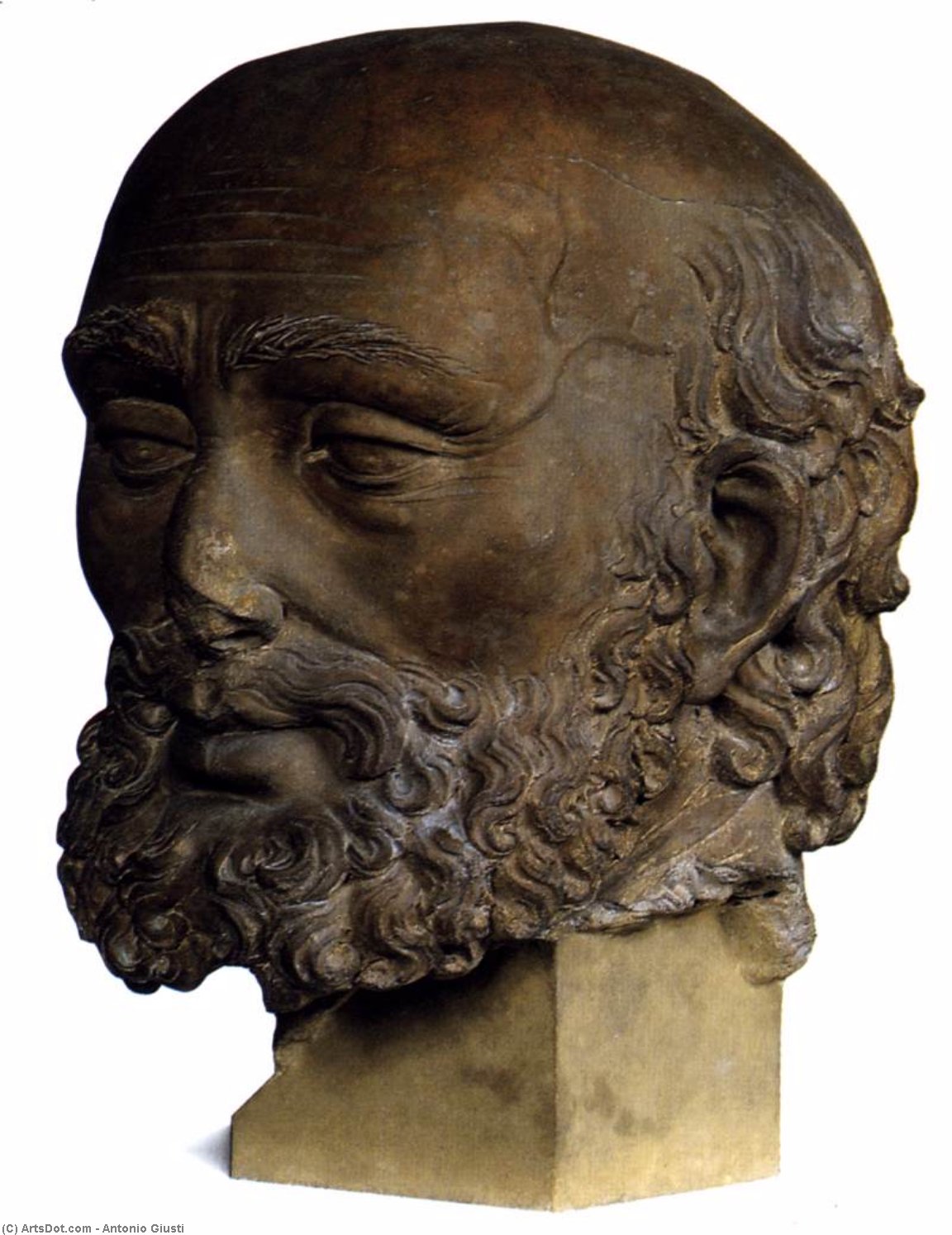
StatsHead of St Peter


 詳細を見る
詳細を見る
オンラインプレビューをはるかに凌ぐ、高解像度で鮮明なデジタル画像をご購入いただけます。
各ファイルは、社内の専門家が高度なツールと熟練した手作業によるレタッチを用いて、細心の注意を払って準備されています。すべての画像において、卓越した鮮明度、正確な色彩再現性、そして繊細なディテールを保証いたします。
最終ファイルは、プロフェッショナルな編集・印刷環境ですぐにご利用いただけるよう最適化された状態で、72時間以内にメールにてお届けいたします。これは、一流のデザインスタジオ、出版社、ギャラリーから信頼されているものと同等の品質です。
デジタルアート
個人での鑑賞、印刷、クリエイティブなプロジェクト用に、高解像度ファイルをダウンロードできます。 ( Switch to Print 手描きの絵画を購入)
デジタル画像のご注文に付随する特典
高品質なデジタル画像配信を、確かな品質で。
ArtsDot.com を選ぶことは、単に画像を手に入れることではありません。それは、プロの手によって精密に仕上げられ、満足保証が付いた高品質なデジタルアートワークを受け取ることを意味します。ご注文いただいた際に自動的に付随する内容は、以下の通りです:

メールですぐにお届け
ご注文から72時間以内に、高解像度のデジタル画像ファイルがメールでお手元に届きます。すぐにそのままご利用いただけます。

AI技術で最適化されたデジタルファイル
お客様の作品は、高度なAIツールと専門家による手作業の編集を組み合わせてプロフェッショナルに最適化されており、細部のディテール、鮮明さ、そして正確な色再現性を最大限に引き出しています。

一生涯無料の再送サービス
ファイルを誤って削除したり、紛失してしまったりしましたか?ご安心ください。いつでも無料で再送いたします。

輸入手数料は一切かかりません
関税や手数料、配送料を気にすることなく、お気に入りのアートワークをすぐにお楽しみいただけます。デジタルダウンロードは常に免税です。

色彩再現の保証
プロ仕様のツールとカラーマネジメント技術を用いることで、デジタル画像が元の色を最大限に忠実に再現することを保証いたします。

100日間満足保証
ご購入いただいたデジタル画像にご満足いただけない場合は、100日以内であれば、理由を問わず修正または100%の返金対応をさせていただきます。

100% 返金保証
ご満足いただけない場合は、デジタルファイルを受け取ってから100日以内であれば、理由を問わず全額返金いたします。

まとめ買い割引
3枚購入で10%OFF - 5枚購入で15%OFF - 10枚以上購入で20%OFF。クリエイティブなプロジェクト、ギャラリー、エージェンシーに最適です。
関連作品
作家の略歴
A Florentine Sculptor in the French Court: The Life and Legacy of Antonio Giusti
Antonio Giusti, a name perhaps less celebrated than some of his Renaissance contemporaries, nevertheless occupies a pivotal position in the artistic exchange between Italy and France during the early 16th century. Born around 1479 near Florence – sources place him either in San Martino a Mensola or outside Settignano – Giusti emerged from a family deeply rooted in stonemasonry and sculpture, inheriting a tradition that would propel him into the service of French royalty. His journey represents not merely a relocation of talent but a fascinating fusion of artistic styles, bridging the classical elegance of Italy with the evolving Gothic sensibilities of France. Initially trained within the Florentine workshop system, he absorbed influences from masters like Benedetto da Maiano and Andrea Ferrucci, laying the foundation for a career that would unfold across national boundaries.Early Training and the Move to France
Giusti’s formative years were steeped in the artistic fervor of Florence, a city undergoing a remarkable period of creative innovation. He honed his skills working with terracotta and marble, materials he would continue to favor throughout his life. Around 1506-1507, Giusti embarked on a significant chapter of his career by relocating to France. This move wasn’t an isolated one; he was accompanied by his younger brother, Giovanni, who would also become known as Jean Juste in French circles. Their arrival coincided with the reign of Louis XII, and they quickly found favor within the royal court. The Giusti brothers weren't simply employed artisans; they became integral to a network of artists shaping the aesthetic landscape of France. Records from this period reveal consistent payments for their “images” and sculptural work, indicating a steady stream of commissions and a growing reputation. Their workshop benefited from patronage by prominent figures like Anne of Brittany and later, François I, solidifying their position within the French artistic hierarchy.The Château de Gaillon and the Fusion of Styles
One of the most significant projects that defined Giusti’s early years in France was his contribution to Cardinal Georges d'Amboise’s Château de Gaillon. This ambitious undertaking provided a canvas for Giusti and his brother to showcase their unique blend of Italian classicism and French Gothic elements. The sculptures adorning the château, particularly those created between 1508 and 1509, demonstrate a remarkable synthesis of artistic traditions. Bronze bas-reliefs depicting scenes like the Battle of Genoa exemplify this fusion – the dynamism and narrative detail characteristic of Renaissance art are tempered by the more refined, elongated forms often found in French sculpture. This period marked a crucial moment in Giusti’s development, as he adapted his Florentine training to suit the tastes and expectations of his new patrons.Masterpieces and Lasting Influence
While Giusti contributed to numerous projects throughout his career, certain works stand out as testaments to his skill and artistic vision. The Head of Saint Peter, created around 1509 for the upper chapel at Gaillon (and now housed in the Musée du Louvre), is perhaps his most celebrated sculpture. This terracotta bust exemplifies Giusti’s ability to capture naturalistic facial expressions with classical proportions, conveying a sense of serene contemplation and spiritual depth. The delicate modeling of the features and the subtle drapery folds showcase his mastery of the medium. Beyond this iconic work, Giusti's influence extended through his brother Giovanni, who continued many projects after Antonio’s death in 1519. These included further embellishments to the mausoleum of Louis XII and Anne of Brittany at the Basilica of Saint-Denis, ensuring that Giusti’s stylistic legacy endured for decades. His work helped bridge a crucial transition in French art, inspiring regional sculptors and shaping the aesthetic direction of the early Renaissance in France.Historical Significance
Antonio Giusti's significance lies not only in his artistic achievements but also in his role as a cultural ambassador. He wasn’t simply an artist transplanting Italian styles to France; he was actively engaged in a process of adaptation and synthesis, creating a unique aesthetic that resonated with French tastes while retaining the elegance and refinement of his Florentine origins. His work demonstrates the fluidity of artistic boundaries during the Renaissance, highlighting the interconnectedness of European art centers. By introducing certain influences from Italy, Giusti played a vital role in shaping the development of sculpture in France, leaving an enduring legacy through his masterpieces and the continued efforts of his brother Giovanni. He remains a compelling figure for scholars and enthusiasts alike—a testament to the power of artistic exchange and the lasting impact of individual talent on the broader landscape of art history.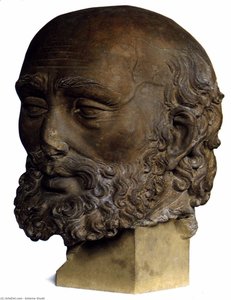
antonio giusti
1624 - 1705 , Italy
プロフィール概要
- Artistic Movement Or Style: Baroque
- Artists Or Movements Influenced By This Artist: ['Salvatore Rosa']
- Artists Who Influenced This Artist:
- Cesare Dandini
- Mario Balassi
- Date Of Birth: 1624
- Date Of Death: 1705
- Full Name: Antonio Giusti
- Nationality: Italian
- Notable Artworks:
- Head of St Peter
- Various religious scenes
- Place Of Birth: Florence, Italy