

 プレビュー
プレビュー
 プリントを購入
 シェアする
シェアする シェアする
シェアする
 詳細を見る
詳細を見る

 ダウンロード
 似ている作品
 X線調査
X線調査 スライドショー
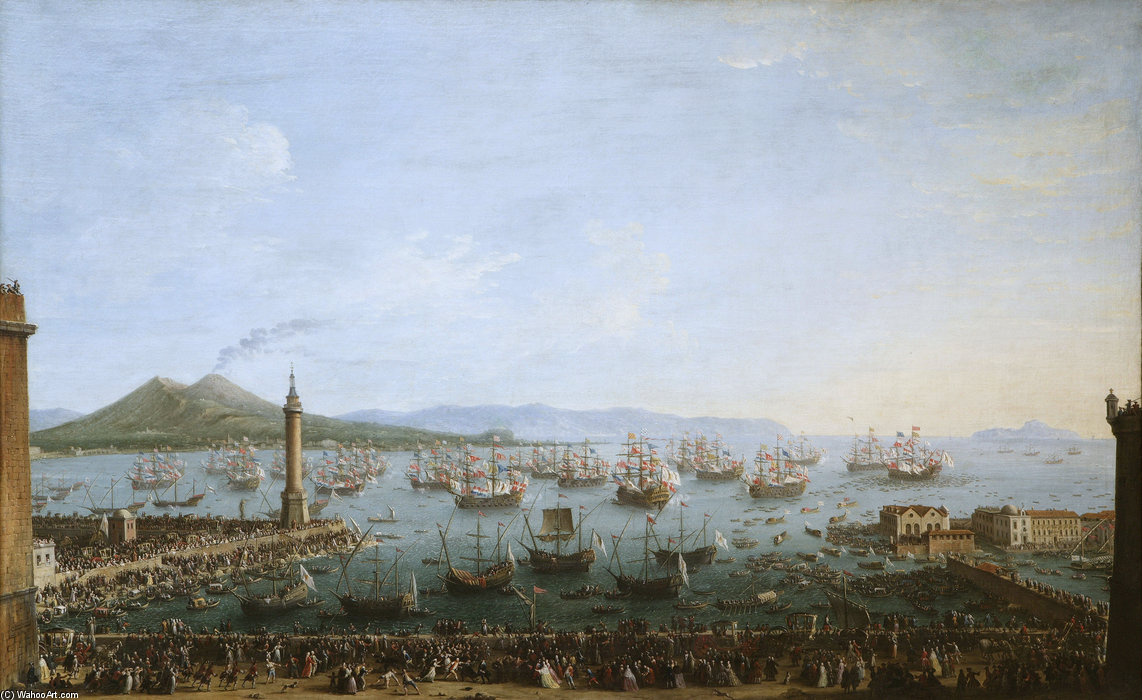
Arrival of Charles III in Naples
 Oil On Canvas
- WallArt
- Baroque
 1759
1759- Early Modern
 128.0 x 205.0 cm
 プラド美術館
 詳細を見る
詳細を見る




P118B $10

P118H $10

P118W $10

P438Z $10

P508JH $12

P508YH $12

P805H $10

P805Z $10

P919BZ $10

P919G $10

P919XJ $10

P959ZH $10

P968JZ $12

W106C $8

W218G $10

W218JH $8

W218Y $10

W307PJ $10

W316G $10

W316PJ $8

W316Y $10

W398PJ $8

W4111J $10

W500HY $15

W500JH $15

W692G $12

W849H $8

W940BG $15

W953PJ $8




作品のオリジナル比率に合わせた、当店の規定サイズからお選びください。

特定のフレームやスペースに合わせて、ご希望のサイズをご入力いただけます。選択されたサイズが元の画像の比率と異なる場合、アートワークをトリミングするか、手描きで要素を追加して絵画を拡張いたします。デジタルモックアップ を制作し、制作開始前にご確認(承認)をいただきます。
画面上のプレビューは、実際のトリミングや拡張を正確に反映しているものではありません。最終的な構図は、モックアップによってのみ正確にご確認いただけます。
カスタムサイズもご利用いただけますが、元の比率を維持するためには、あらかじめ用意されたリストからサイズを選択することをお勧めいたします。
ご注文後、ArtsDot.com チームより詳細な指示をお送りするとともに、仕上がりイメージ(モックアップ)をご提供いたします。


 ガラスオプションは、110cm未満のサイズでのみご利用いただけます。

Arrival of Charles III in Naples
複製技法
複製画のサイズ
-


合計金額
$ 263
作品解説
A Grand Spectacle of Maritime Majesty
In the sweeping expanse of Antonio Joli’s Arrival of Charles III in Naples, the viewer is not merely an observer but a participant in a moment of profound historical theater. Painted in 1759, this magnificent oil on canvas captures the electric atmosphere of a Mediterranean port transformed by royal expectation. The scene unfolds across a vast harbor, where the sea itself seems to pulse with the movement of countless vessels—from towering, majestic ships with billowing sails to humble, agile boats navigating the coastal waters. Joli masterfully orchestrates a sense of organized chaos, layering the composition with a multitude of figures that populate the shoreline, their collective gaze directed toward the approaching sovereign. The distant silhouette of a mountain rises against the horizon, providing a stoic, eternal backdrop to the fleeting, high-stakes drama unfolding in the bay.
The technique employed by Joli is a testament to his mastery of the veduta tradition, a style dedicated to the meticulous and often idealized depiction of cityscapes. Through delicate brushwork and a sophisticated command of light, he breathes life into the textures of wood, canvas, and salt spray. The artist utilizes a luminous palette to evoke the shimmering Mediterranean sun, creating a play of light and shadow that lends a three-dimensional depth to the crowded harbor. Each stroke contributes to a sense of atmospheric perspective, where the clarity of the foreground figures gradually softens into the hazy, blue-toned majesty of the distant landscape, inviting the eye to wander through the layers of this maritime epic.
The Intersection of History and Artistry
Beyond its visual splendor, the painting serves as a vital historical document, immortalizing the political transition of Naples under the Bourbon dynasty. As Charles III arrived to claim his kingdom, the painting captured the very essence of 18th-century civic pride and the theatricality of monarchical power. Joli, a Venetian visionary trained in the prestigious Bolognese and Roman schools, brings a sense of classical grandeur to this contemporary event. His ability to blend the documentary precision of a landscape artist with the emotional resonance of a history painter allows the work to transcend simple reportage. There is an undeniable sense of anticipation woven into the fabric of the canvas; one can almost hear the cries of the sailors and the rhythmic lapping of waves against the docks.
For the discerning collector or interior designer, this reproduction offers more than just a window into the past; it provides a commanding focal point for any sophisticated space. The sheer scale and narrative complexity of the piece make it an ideal centerpiece for grand halls, libraries, or formal dining rooms where conversation and elegance are paramount. To hang such a work is to invite the spirit of the Enlightenment into a room—a celebration of discovery, maritime strength, and the enduring allure of the Italian coast. It is a masterpiece that speaks of legacy, capturing a singular moment in time with an everlasting, breathtaking brilliance.
関連作品





アーティストの略歴
The Theatrical Genesis of a Visionary
Born in the elegant surroundings of Modena in 1700, Antonio Francesco Lodovico Joli began his artistic journey not with the vastness of the horizon, but through the intimate mastery of perspective. Under the watchful eye of his tutor, Raffaello Rinaldi, Joli developed a foundational command of form that would later allow him to breathe life into sprawling urban vistas. His pursuit of excellence led him to the heart of Rome, where he studied under the legendary Giovanni Paolo Panini. It was here that the seeds of the vedutista tradition were sown, as Panini’s idealized landscapes and fascination with classical ruins began to merge with Joli's burgeoning talent.Yet, perhaps most defining of his early years was his immersion in the world of the stage. Studying within the studios of the Galli da Bibbiena family, Joli learned the art of scene-painting, a discipline that would forever haunt his canvases. This period as a stage designer for opera productions in Venice, Dresden, and London instilled in him a unique ability to orchestrate visual drama, teaching him how to manipulate light and architectural scale to create immersive, theatrical environments.
A Grand Tour of Light and Stone
As Joli’s reputation ascended, his canvas became a stage for the great cities of Europe. His travels were more than mere migrations; they were expeditions into the very soul of the 18th-century landscape. In Venice, he solidified his place among the artistic elite, becoming a founding member of the Galleria Accademia di Belle Arti di Venezia in 1754. His work during this era transitioned seamlessly between two distinct modes:- Vedute: Meticulous, realistic depictions of urban life and architectural grandeur, such as his breathtaking views of the Tiber in Rome.
- Capricci: Imaginative compositions where he would playfully rearrange historical landmarks into fantastical, dreamlike settings.
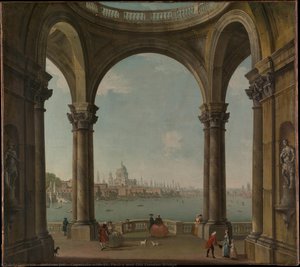
Whether capturing the majestic Tiber River, anchored by the formidable Castel Sant'Angelo, or portraying the bustling maritime energy of Naples during the arrival of Charles III, Joli possessed a singular gift for capturing atmosphere. His time in London allowed him to document the architectural grandeur of the English landscape, such as the serene views of Westminster, through a lens that was simultaneously precise and dreamlike.
The Legacy of the Baroque Eye
The enduring significance of Antonio Joli lies in his ability to harmonize the rigorous precision of an architect with the emotive power of a dramatist. His paintings are characterized by a luminous quality, where the warm Roman light or the misty London air seems to vibrate upon the canvas. By blending the clarity of Enlightenment aesthetics with the opulent embellishments of the Baroque, he created works that were both documents of history and triumphs of imagination.His meticulous attention to detail—the way small boats dot a river or how sunlight strikes a stone monument—reflects a profound commitment to realism, yet it is always tempered by a sense of theatrical wonder. Joli did not merely paint cities; he staged them, inviting the viewer to step into a world where every street corner and harbor vista was a carefully composed masterpiece of light, shadow, and architectural splendor.
Antonio Joli
1700 - 1777 , Italy
基本情報
- Artistic Movement Or Style: Vedute & Capricci Baroque
- Artists Who Influenced This Artist:
- Raffaello Rinaldi
- Giovanni Paolo Panini
- Date Of Birth: 1700 Modena Italy
- Date Of Death: 1777
- Full Name: Antonio Francesco Lodovico Joli
- Nationality: Italian
- Notable Artworks:
- View on the Tiber
- Westminster from the River
- Capriccio with St. Paul's and Old London Bridge
- Place Of Birth: Modena Italy
関連記事

バロックのドラマ:現代のインテリアに壮麗さと情感を取り込む
バロック様式の歴史、絵画、家具の魅力をご紹介。ArtsDotでは、高品質な油絵複製やカスタムポートレートをご提供し、現代のインテリアに壮麗さと情感を取り入れます。アートコンサルテーションも承ります。

The Dramatic Flourish: Exploring the Baroque Movement's Enduring Legacy in Art History
Explore the dramatic world of Baroque art! Discover iconic artists like Caravaggio & Rubens, defining techniques, and its lasting impact on art history. Expert insights for collectors & enthusiasts at ArtsDot.

バロック美術を極めた至宝:時代を彩る10大名作の世界
バロック美術の華!カラヴァッジョ、ベルニーニら巨匠が創り上げた10大名作を徹底解剖。ドラマチックな色彩と豪華絢爛の世界観に触れ、至宝のアートプリントで空間を彩ろう。ArtsDot.comで美術館品質の複製と洗練されたインテリアを見つけましょう!

ジャコポ・ティンコレット:至高の25選 – ヴェネツィア巨匠のドラマと光の世界 | ArtsDot
ジャコポ・ティンコレットの至高の25選。ドラマと光の世界を彩るヴェネツィア派巨匠の名画を紐解きます。ルネサンス絵画からバロック絵画まで、ArtsDotで高品質な複製画やインテリアアートを見つけましょう。傑作コレクションをオンラインで探求してください。

The Visceral Stage: Exploring Dramatic Narratives & Emotional Intensity in Baroque Art
Explore the dramatic world of Baroque art! Discover iconic masters like Caravaggio & Rembrandt, their techniques, and the movement's lasting impact. Expert insights for collectors & enthusiasts at ArtsDot.

