

 プレビュー
プレビュー
 プリントを購入
 シェアする
シェアする シェアする
シェアする
 詳細を見る
詳細を見る

 ダウンロード
 似ている作品
 X線調査
X線調査 スライドショー
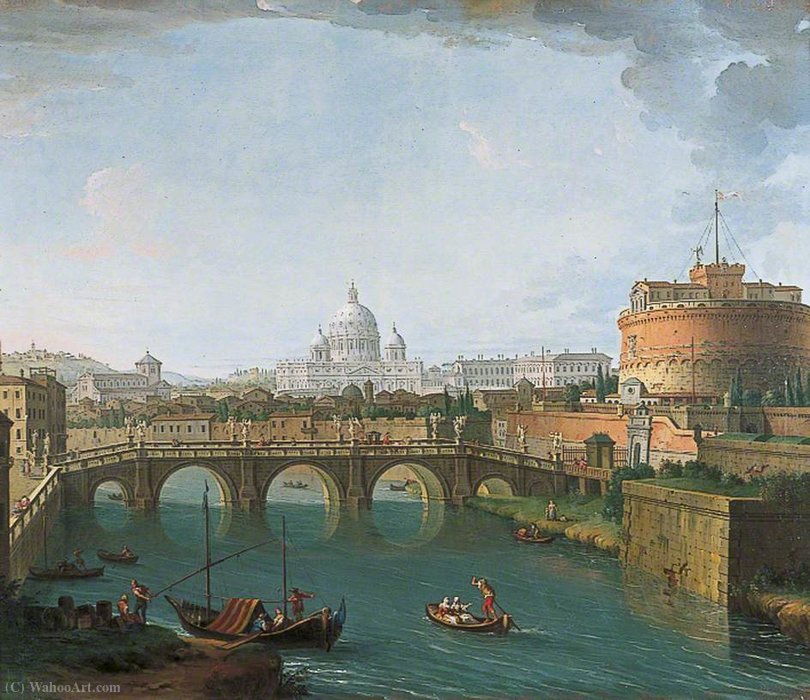
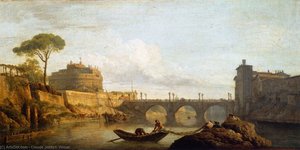
View on the Tiber, Rome

 詳細を見る
詳細を見る




P118B $10

P118H $10

P118W $10

P438Z $10

P508JH $12

P508YH $12

P805H $10

P805Z $10

P919BZ $10

P919G $10

P919XJ $10

P959ZH $10

P968JZ $12

W106C $8

W218G $10

W218JH $8

W218Y $10

W307PJ $10

W316G $10

W316PJ $8

W316Y $10

W398PJ $8

W4111J $10

W500HY $15

W500JH $15

W692G $12

W849H $8

W940BG $15

W953PJ $8




作品のオリジナル比率に合わせた、当店の規定サイズからお選びください。

特定のフレームやスペースに合わせて、ご希望のサイズをご入力いただけます。選択されたサイズが元の画像の比率と異なる場合、アートワークをトリミングするか、手描きで要素を追加して絵画を拡張いたします。デジタルモックアップ を制作し、制作開始前にご確認(承認)をいただきます。
画面上のプレビューは、実際のトリミングや拡張を正確に反映しているものではありません。最終的な構図は、モックアップによってのみ正確にご確認いただけます。
カスタムサイズもご利用いただけますが、元の比率を維持するためには、あらかじめ用意されたリストからサイズを選択することをお勧めいたします。
ご注文後、ArtsDot.com チームより詳細な指示をお送りするとともに、仕上がりイメージ(モックアップ)をご提供いたします。


 ガラスオプションは、110cm未満のサイズでのみご利用いただけます。

View on the Tiber, Rome
複製技法
複製画のサイズ
-


合計金額
$ 263
作品解説
A Roman Reverie: Antonio Joli’s View of the Eternal City
- Subject & Composition: This captivating landscape transports viewers to 18th-century Rome, offering a panoramic vista centered around the majestic Tiber River. The composition is masterfully balanced, anchored by the iconic St. Peter’s Basilica on the right and the formidable Castel Sant'Angelo on the left. A substantial stone bridge gracefully spans the river, connecting foreground activity with distant architectural grandeur. Small boats dotting the water introduce a sense of life and movement within an otherwise serene scene.
- Style & Technique: Antonio Joli’s *View on the Tiber, Rome* exemplifies the Baroque landscape tradition, yet hints at the emerging Rococo sensibilities of the mid-18th century. Executed in oil on canvas, the painting showcases Joli's skill in detailed rendering and atmospheric perspective. His brushwork is soft and blended, creating a luminous quality that evokes the warm Roman light. The artist employs precise lines to define architectural structures while utilizing geometric shapes – squares, rectangles, and circles – reflecting the classical foundations of the city.
Historical Context & Artistic Lineage
- Vedute & Capricci: Antonio Joli (1700-1777) was a celebrated Italian painter specializing in *vedute* – detailed views of cities – and *capricci*, which were more imaginative, often combining existing landmarks into fanciful compositions. His career took him across Europe, from Modena to Venice, London, Dresden, and finally Naples, exposing him to diverse artistic influences.
- A Stage Designer’s Eye: Joli's early training as a stage designer profoundly impacted his approach to landscape painting. He possessed an innate ability to create dramatic settings and orchestrate visual elements for maximum impact – qualities evident in the carefully arranged composition of this work. His time studying under Giovanni Paolo Panini, a leading *vedutista* in Rome, further refined his technique.
- Echoes of Canaletto & Van Wittel: Joli’s work shares affinities with that of Venetian master Canaletto and earlier Roman landscape painter Gaspar van Wittel. Like them, he meticulously documented the architectural splendor of cities, catering to a growing market for souvenir views among Grand Tour travelers.
Symbolism & Emotional Resonance
- Rome’s Enduring Legacy: Beyond its topographical accuracy, *View on the Tiber, Rome* serves as a powerful symbol of Rome's historical significance and enduring beauty. The inclusion of landmarks like St. Peter’s Basilica and Castel Sant’Angelo connects the present moment to centuries of artistic, religious, and political history.
- A Sense of Tranquility & Order: The painting evokes a feeling of peace, order, and timelessness. The diffused lighting, balanced composition, and harmonious color palette contribute to a sense of serenity. It’s an idealized vision of Rome – a city both grand and inviting.
- For collectors and interior designers: This artwork would be a stunning focal point in a classic or transitional-style space, bringing a touch of Old World elegance and sophistication to any room. Its neutral color palette ensures versatility, complementing a wide range of décor schemes.
関連作品




アーティストの略歴
The Theatrical Genesis of a Visionary
Born in the elegant surroundings of Modena in 1700, Antonio Francesco Lodovico Joli began his artistic journey not with the vastness of the horizon, but through the intimate mastery of perspective. Under the watchful eye of his tutor, Raffaello Rinaldi, Joli developed a foundational command of form that would later allow him to breathe life into sprawling urban vistas. His pursuit of excellence led him to the heart of Rome, where he studied under the legendary Giovanni Paolo Panini. It was here that the seeds of the vedutista tradition were sown, as Panini’s idealized landscapes and fascination with classical ruins began to merge with Joli's burgeoning talent.Yet, perhaps most defining of his early years was his immersion in the world of the stage. Studying within the studios of the Galli da Bibbiena family, Joli learned the art of scene-painting, a discipline that would forever haunt his canvases. This period as a stage designer for opera productions in Venice, Dresden, and London instilled in him a unique ability to orchestrate visual drama, teaching him how to manipulate light and architectural scale to create immersive, theatrical environments.
A Grand Tour of Light and Stone
As Joli’s reputation ascended, his canvas became a stage for the great cities of Europe. His travels were more than mere migrations; they were expeditions into the very soul of the 18th-century landscape. In Venice, he solidified his place among the artistic elite, becoming a founding member of the Galleria Accademia di Belle Arti di Venezia in 1754. His work during this era transitioned seamlessly between two distinct modes:- Vedute: Meticulous, realistic depictions of urban life and architectural grandeur, such as his breathtaking views of the Tiber in Rome.
- Capricci: Imaginative compositions where he would playfully rearrange historical landmarks into fantastical, dreamlike settings.
Whether capturing the majestic Tiber River, anchored by the formidable Castel Sant'Angelo, or portraying the bustling maritime energy of Naples during the arrival of Charles III, Joli possessed a singular gift for capturing atmosphere. His time in London allowed him to document the architectural grandeur of the English landscape, such as the serene views of Westminster, through a lens that was simultaneously precise and dreamlike.
The Legacy of the Baroque Eye
The enduring significance of Antonio Joli lies in his ability to harmonize the rigorous precision of an architect with the emotive power of a dramatist. His paintings are characterized by a luminous quality, where the warm Roman light or the misty London air seems to vibrate upon the canvas. By blending the clarity of Enlightenment aesthetics with the opulent embellishments of the Baroque, he created works that were both documents of history and triumphs of imagination.His meticulous attention to detail—the way small boats dot a river or how sunlight strikes a stone monument—reflects a profound commitment to realism, yet it is always tempered by a sense of theatrical wonder. Joli did not merely paint cities; he staged them, inviting the viewer to step into a world where every street corner and harbor vista was a carefully composed masterpiece of light, shadow, and architectural splendor.
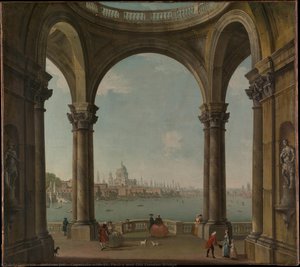
Antonio Joli
1700 - 1777 , Italy
基本情報
- Artistic Movement Or Style: Vedute & Capricci Baroque
- Artists Who Influenced This Artist:
- Raffaello Rinaldi
- Giovanni Paolo Panini
- Date Of Birth: 1700 Modena Italy
- Date Of Death: 1777
- Full Name: Antonio Francesco Lodovico Joli
- Nationality: Italian
- Notable Artworks:
- View on the Tiber
- Westminster from the River
- Capriccio with St. Paul's and Old London Bridge
- Place Of Birth: Modena Italy
関連記事

ロマン派ランドスケープ:時代を彩る巨匠の10選|アートとインテリアの世界
ロマン派絵画の時代を彩る10選。巨匠たちの風景が織りなす感動の世界へ。ターナー、ルーベンスなど、名作の裏話と高精細複製でアートをお部屋に。ArtsDot.comで至福のアート体験を。

ジョン・コンスタブルの傑作25選:英国風景画の巨匠が描く自然と光の詩 | ArtsDot
ジョン・コンスタブルの傑作25選。英国風景画の巨匠が描く自然と光の詩の世界へ。ロマン主義を代表する絵画、デダム・ヴェールやヘイ・ウェインなど、ArtsDotで高品質なアートプリントをお楽しみください。インテリアに深みと感動を。コレクションはこちら。

Evocations of Place: A Historical Journey Through Landscape Art
Explore the rich history of landscape art with ArtsDot. Discover renowned artists, movements like Impressionism & Romanticism, and expert guidance for collecting timeless pieces. Find your perfect serene escape today!

Evocations of Place: A Historical Journey Through Landscape Art
Explore the rich history of landscape art with ArtsDot. Discover renowned artists, movements like Impressionism & tonalism, and expert guidance for collecting timeless pieces. Find your perfect serene escape today!

ハドソン・リバー派を彩る至宝:10選が示すアメリカ絵画の黄金時代
ハドソン・リバー派の至宝10選を紐解き、アメリカ絵画の黄金時代へ。壮大な自然描写と巨匠たちの技が織りなす感動の世界を体験してください。トーマス・コールからチャーチまで、ArtsDot.comで高品質なアートプリントとインテリアアイデアを見つけましょう。

