

 プレビュー
プレビュー
 プリントを購入
 シェアする
シェアする シェアする
シェアする
 詳細を見る
詳細を見る

 ダウンロード
 似ている作品
 X線調査
X線調査 スライドショー
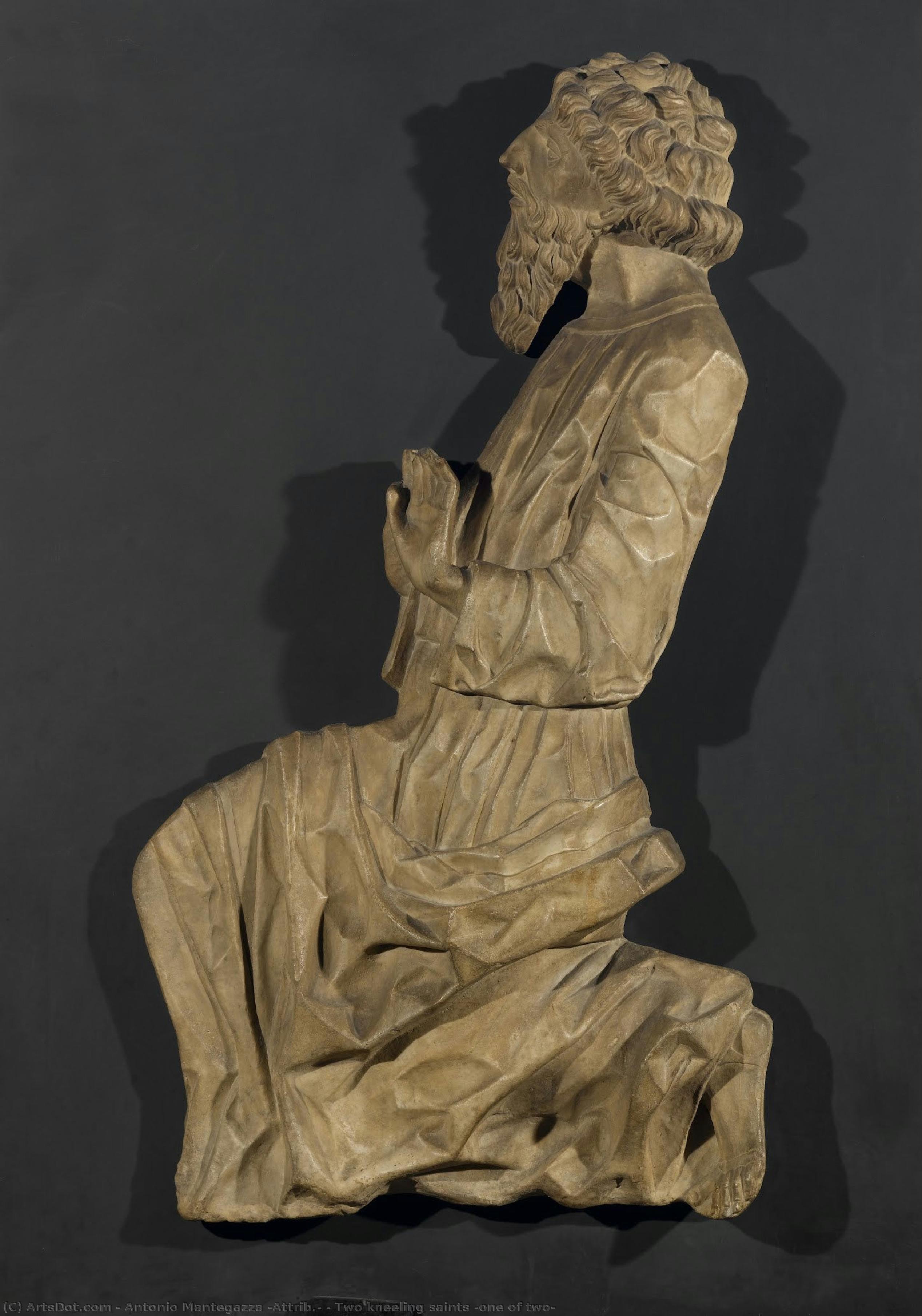
Two kneeling saints (one of two)


 詳細を見る
詳細を見る
オンラインプレビューをはるかに凌ぐ、高解像度で鮮明なデジタル画像をご購入いただけます。
各ファイルは、社内の専門家が高度なツールと熟練した手作業によるレタッチを用いて、細心の注意を払って準備されています。すべての画像において、卓越した鮮明度、正確な色彩再現性、そして繊細なディテールを保証いたします。
最終ファイルは、プロフェッショナルな編集・印刷環境ですぐにご利用いただけるよう最適化された状態で、72時間以内にメールにてお届けいたします。これは、一流のデザインスタジオ、出版社、ギャラリーから信頼されているものと同等の品質です。
デジタル画像のご注文に付随する特典
高品質なデジタル画像配信を、確かな品質で。
ArtsDot.com を選ぶことは、単に画像を手に入れることではありません。それは、プロの手によって精密に仕上げられ、満足保証が付いた高品質なデジタルアートワークを受け取ることを意味します。ご注文いただいた際に自動的に付随する内容は、以下の通りです:

メールですぐにお届け
ご注文から72時間以内に、高解像度のデジタル画像ファイルがメールでお手元に届きます。すぐにそのままご利用いただけます。

AI技術で最適化されたデジタルファイル
お客様の作品は、高度なAIツールと専門家による手作業の編集を組み合わせてプロフェッショナルに最適化されており、細部のディテール、鮮明さ、そして正確な色再現性を最大限に引き出しています。

一生涯無料の再送サービス
ファイルを誤って削除したり、紛失してしまったりしましたか?ご安心ください。いつでも無料で再送いたします。

輸入手数料は一切かかりません
関税や手数料、配送料を気にすることなく、お気に入りのアートワークをすぐにお楽しみいただけます。デジタルダウンロードは常に免税です。

色彩再現の保証
プロ仕様のツールとカラーマネジメント技術を用いることで、デジタル画像が元の色を最大限に忠実に再現することを保証いたします。

60日間満足保証
ご購入いただいたデジタル画像にご満足いただけない場合は、60日以内であれば、修正または100%の返金(理由を問う必要はありません)をさせていただきます。

100% 返金保証
ご満足いただけない場合は、デジタルファイルを受け取ってから60日以内であれば、理由を問わず全額返金いたします。

まとめ買い割引
3枚購入で10%OFF - 5枚購入で15%OFF - 10枚以上購入で20%OFF。クリエイティブなプロジェクト、ギャラリー、エージェンシーに最適です。
作品の詳細
関連作品








作家の略歴
Antonio Mantegazza: A Sculptor of the Milanese Renaissance
Antonio Mantegazza, a name often encountered in association with his brother Cristoforo, stands as a pivotal figure within the artistic landscape of 15th-century Lombardy. Born around 1440 – though precise dates remain elusive – he emerged during a period of intense artistic and architectural activity, deeply intertwined with the patronage of the Sforza family in Milan. His legacy is primarily defined by his contributions to the magnificent facade of the Certosa di Pavia and, more subtly, through his involvement in the decoration of other significant structures within the region. While often categorized as an “attributed” artist – a common designation for works where authorship remains uncertain – Mantegazza’s distinctive style and technical prowess warrant careful consideration, revealing a sculptor deeply influenced by both classical ideals and contemporary trends.Early Life and Artistic Training
Information regarding Mantegazza's early life is remarkably sparse. Records detailing his birth city and precise formative years are scant, contributing to the enigmatic nature of his artistic journey. What *is* known is that he and Cristoforo were summoned to the Certosa di Pavia in 1473 by Galeazzo Maria Sforza, Duke of Milan, to undertake the ambitious project of designing an equestrian statue honoring his father, Francesco I Sforza. This commission, ultimately entrusted to Leonardo da Vinci, undoubtedly provided both brothers with invaluable experience and exposure to the highest echelons of artistic patronage. Their involvement in this monumental undertaking served as a crucial stepping stone, shaping their aesthetic sensibilities and establishing them within the Milanese art scene. It’s believed they were also involved in decorating the Hospital of the Pietà, now corresponding to Piazza Leonardo, where a copy of the Pietà Mantegazza is displayed.The Style of ‘Cartaceo’: A Distinctive Approach
Mantegazza's sculptures are immediately recognizable for their distinctive “cartaceous” style – a term coined by scholars due to the material’s resemblance to crumpled paper. This approach, characterized by flattened figures, simplified drapery, and a deliberate lack of volume, was particularly prevalent in Milan during this period. It represents a departure from the more traditionally rounded forms favored in earlier Renaissance sculpture, reflecting a conscious embrace of a new aesthetic vocabulary. This style wasn’t entirely unique to Mantegazza; it shared characteristics with other sculptors working in the region, including Cristoforo and Giovanni Antonio Amadeo. However, Mantegazza's mastery of this technique – his ability to imbue these seemingly simplified forms with remarkable expressiveness and emotional depth – distinguishes him as a key practitioner of this influential style. The influence of masters like Mantegna and Ferrarese sculptors is evident in the way he utilizes perspective and creates dramatic effects within limited spatial constraints.Major Works: The Certosa di Pavia and Beyond
The facade of the Certosa di Pavia represents the pinnacle of Mantegazza’s artistic achievements. His contributions to this vast architectural complex are extensive, encompassing a range of decorative elements – including relief sculptures adorning the main portal, intricate details within the cloisters, and monumental figures depicting scenes from the Old Testament. The “Pietà Mantegazza,” a poignant depiction of Christ and Mary, stands as perhaps his most celebrated work, showcasing his technical skill and emotional sensitivity. The sculpture’s elongated figures, expressive gestures, and carefully rendered drapery evoke a powerful sense of grief and sorrow. Beyond the Certosa, Mantegazza's influence can be detected in other projects throughout Milan and the surrounding region, though fewer examples survive today.Legacy and Historical Significance
Despite the frequent attribution of his works to Cristoforo Mantegazza, Antonio’s contribution to the artistic landscape of 15th-century Lombardy is undeniable. His “cartaceous” style, characterized by its innovative approach to form and its ability to convey profound emotion, had a lasting impact on subsequent generations of sculptors. He represents a crucial link between the classical ideals of the Renaissance and the evolving aesthetic sensibilities of Milanese art. While his individual fame may have been somewhat overshadowed by his brother’s more prominent role in certain projects, Antonio Mantegazza remains a significant figure – a testament to the dynamism and creativity of the Italian Renaissance. His work continues to fascinate scholars and art enthusiasts alike, offering a glimpse into the artistic world of a pivotal era.
antonio mantegazza (attrib.)
1495 , Italy
プロフィール概要
- Artistic Movement Or Style: Renaissance Sculpture
- Artists Or Movements Influenced By This Artist: ['Giovanni Antonio Amadeo']
- Artists Who Influenced This Artist:
- Mantegna
- Ferrarese masters
- Date Of Death: 1495
- Full Name: Antonio Mantegazza
- Nationality: Italian
- Notable Artworks:
- Two kneeling saints
- Certosa facade relief
- Place Of Birth: Milan, Lombardy, Italy

