

 プレビュー
プレビュー
 プリントを購入
 シェアする
シェアする シェアする
シェアする
 詳細を見る
詳細を見る

 ダウンロード
 似ている作品
 X線調査
X線調査 スライドショー
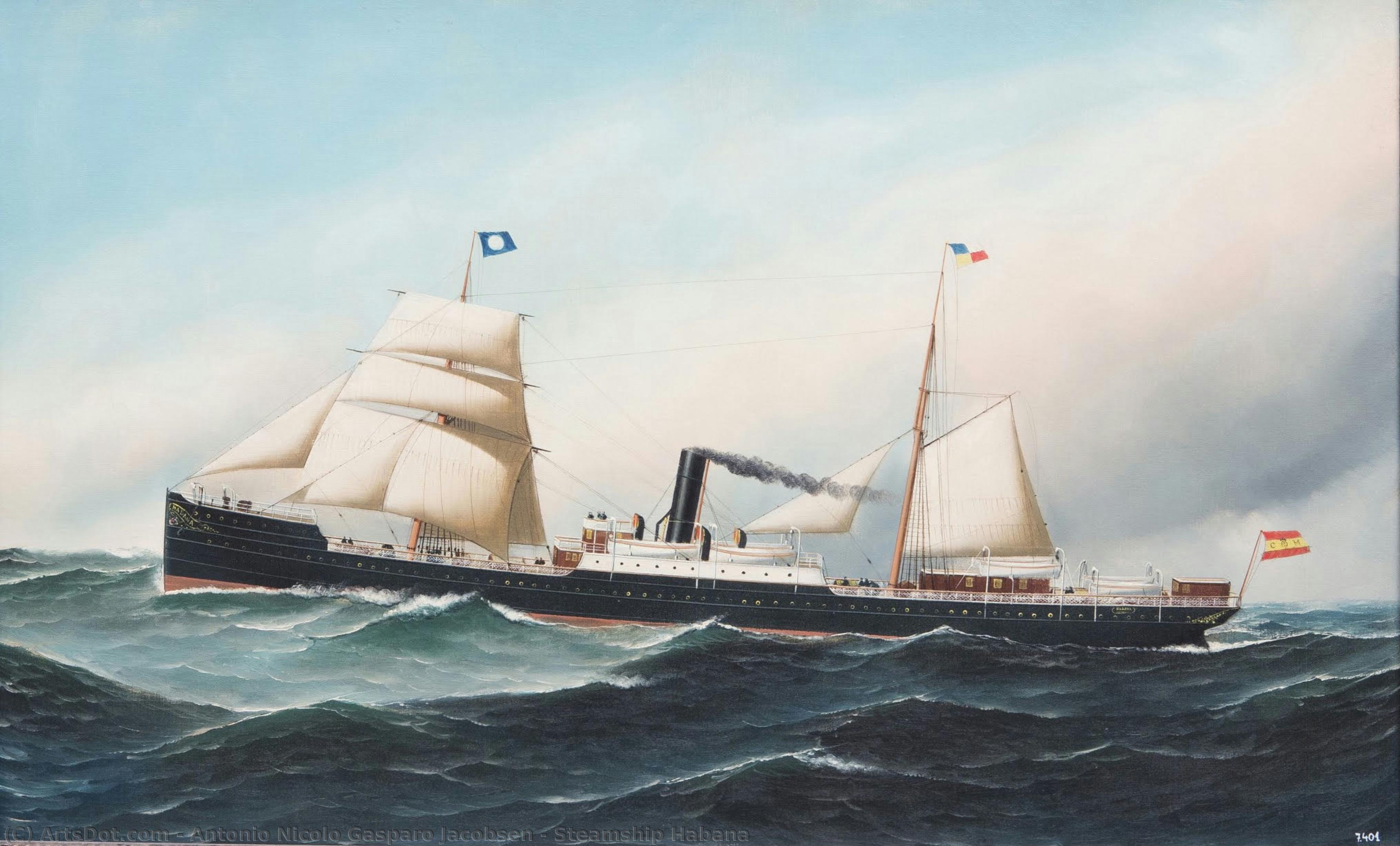
Steamship Habana

 詳細を見る
詳細を見る
オンラインプレビューをはるかに凌ぐ、高解像度で鮮明なデジタル画像をご購入いただけます。
各ファイルは、社内の専門家が高度なツールと熟練した手作業によるレタッチを用いて、細心の注意を払って準備されています。すべての画像において、卓越した鮮明度、正確な色彩再現性、そして繊細なディテールを保証いたします。
最終ファイルは、プロフェッショナルな編集・印刷環境ですぐにご利用いただけるよう最適化された状態で、72時間以内にメールにてお届けいたします。これは、一流のデザインスタジオ、出版社、ギャラリーから信頼されているものと同等の品質です。
デジタル画像のご注文に付随する特典
高品質なデジタル画像配信を、確かな品質で。
ArtsDot.com を選ぶことは、単に画像を手に入れることではありません。それは、プロの手によって精密に仕上げられ、満足保証が付いた高品質なデジタルアートワークを受け取ることを意味します。ご注文いただいた際に自動的に付随する内容は、以下の通りです:

メールですぐにお届け
ご注文から72時間以内に、高解像度のデジタル画像ファイルがメールでお手元に届きます。すぐにそのままご利用いただけます。

AI技術で最適化されたデジタルファイル
お客様の作品は、高度なAIツールと専門家による手作業の編集を組み合わせてプロフェッショナルに最適化されており、細部のディテール、鮮明さ、そして正確な色再現性を最大限に引き出しています。

一生涯無料の再送サービス
ファイルを誤って削除したり、紛失してしまったりしましたか?ご安心ください。いつでも無料で再送いたします。

輸入手数料は一切かかりません
関税や手数料、配送料を気にすることなく、お気に入りのアートワークをすぐにお楽しみいただけます。デジタルダウンロードは常に免税です。

色彩再現の保証
プロ仕様のツールとカラーマネジメント技術を用いることで、デジタル画像が元の色を最大限に忠実に再現することを保証いたします。

60日間満足保証
ご購入いただいたデジタル画像にご満足いただけない場合は、60日以内であれば、修正または100%の返金(理由を問う必要はありません)をさせていただきます。

100% 返金保証
ご満足いただけない場合は、デジタルファイルを受け取ってから60日以内であれば、理由を問わず全額返金いたします。

まとめ買い割引
3枚購入で10%OFF - 5枚購入で15%OFF - 10枚以上購入で20%OFF。クリエイティブなプロジェクト、ギャラリー、エージェンシーに最適です。
関連作品






作家の略歴
Antonio Nicolo Gasparo Jacobsen: The Audubon of Steam Vessels
Antonio Nicolo Gasparo Jacobsen (1850-1921) stands as a singular figure in American maritime art, a devoted chronicler of the age of steam and sail. Often dubbed “the Audubon of Steam Vessels,” this Danish-born artist dedicated his life to meticulously documenting the ships that shaped America’s burgeoning trade routes and global connections. His prolific output – exceeding 6,000 portraits – isn't merely a collection of paintings; it represents an invaluable visual record of a transformative era in American history, capturing not just the vessels themselves but also the spirit of exploration and industrial innovation they embodied. Jacobsen’s early life laid the groundwork for his future artistic pursuits. Born in Copenhagen, Denmark, he received a foundational education in art at the Royal Academy of Design, honing his skills before embarking on a journey that would ultimately lead him to the United States. Arriving in August 1873, he settled in West Hoboken, New Jersey – now Union City – a strategically chosen location across the Hudson River from bustling Manhattan and the heart of New York Harbor. This proximity afforded him unparalleled access to the vibrant maritime activity unfolding daily within the harbor’s depths. Initially, Jacobsen found work painting ship portraits on safes—a practical yet surprisingly lucrative endeavor that provided an early platform for his talent and established a reputation for accuracy. The demand for these detailed depictions quickly grew, transforming into commissions from ship owners, captains, and even crew members eager to preserve their vessels' likenesses. These weren’t simply decorative pieces; they were cherished mementos, imbued with sentimental value and representing the pride of ownership. Jacobsen’s commitment to realism was paramount—he painstakingly researched each vessel, often consulting with experienced sailors and shipbuilders to ensure his renderings were as authentic as possible. His low fees further cemented his popularity, making him accessible to a wide range of clients while simultaneously fueling his remarkable productivity. He wasn't merely an artist; he was a historian, meticulously preserving the visual legacy of these magnificent ships. Jacobsen’s artistic style evolved over time, reflecting the changing landscape of maritime technology. His early works predominantly featured sailing vessels, capturing their graceful lines and intricate rigging with impressive detail. As steam power revolutionized shipping, his subject matter shifted to encompass the increasingly dominant steamships—massive iron behemoths that transformed transatlantic travel and global trade. His later paintings demonstrate a growing understanding of these new technologies, incorporating details like funnels, boilers, and engine rooms into his compositions. Despite this evolution, Jacobsen maintained a consistent dedication to capturing the essence of each vessel, imbuing his portraits with a sense of movement, character, and historical significance. The impact of Jacobsen’s work extends far beyond his impressive output. Exhibitions showcasing his paintings—including significant showings at the National Museum of American History in 1996 and the Mariners' Museum in Newport News in 1995—have ensured his legacy as a pivotal figure in American maritime art. The publication of Harold S. Sniffen’s biography, *Antonio Jacobsen’s Painted Ships on Painted Oceans*, alongside numerous color illustrations, has provided invaluable insight into the artist’s life and oeuvre. Furthermore, private collections, such as those housed at the Griswold Inn in Essex, Connecticut—the oldest continuously run tavern in the United States—testify to the enduring appeal of his work. The discovery of an unsigned painting attributed to Jacobsen fetching $281,000 at auction in 2006 underscored the continued value and recognition of this remarkable artist’s contribution to American art history.- Key Influences: Royal Academy of Design (Copenhagen), observation of maritime life in New York Harbor.
- Notable Achievements: Creation of over 6,000 ship portraits; recognition as “the Audubon of Steam Vessels”; preservation of a vital visual record of American maritime history.
- Historical Significance: Jacobsen’s work provides invaluable insight into the technological and cultural transformations that shaped America during the late 19th and early 20th centuries. His meticulous depictions of ships serve as tangible reminders of a bygone era of exploration, trade, and industrial innovation.
The Artist's Process & Techniques
Jacobsen’s artistic process was characterized by an almost obsessive attention to detail and a deep respect for his subject matter. He rarely worked directly from life, preferring instead to rely on sketches, models, and detailed descriptions provided by ship owners and captains. This approach allowed him to meticulously research each vessel before committing it to canvas. His technique involved layering thin washes of oil paint to build up color gradually, creating a sense of depth and luminosity that captured the sheen of the water and the reflections on the hulls of the ships. He employed a limited palette—primarily blues, greens, browns, and grays—to create atmospheric effects and convey the mood of each scene. Crucially, he paid close attention to light and shadow, using subtle gradations of tone to define form and texture. Jacobsen’s dedication to accuracy extended beyond mere representation; he sought to capture not just the appearance of a ship but also its character and history.- Sketching & Research: Jacobsen meticulously sketched ships from various angles, consulting with maritime experts for accurate details.
- Layered Oil Painting: He built up his paintings using thin washes of oil paint to achieve depth and luminosity.
- Color Palette: A restrained palette of blues, greens, browns, and grays created atmospheric effects.
Legacy & Collections
Today, Antonio Jacobsen’s work is celebrated in several prominent collections. The Smithsonian American Art Museum houses a significant portion of his oeuvre, offering visitors a glimpse into the breadth and depth of his artistic output. The Mariners' Museum in Newport News maintains an impressive exhibition showcasing 80 of his paintings, accompanied by Sniffen’s comprehensive biography. Furthermore, the Griswold Inn in Essex, Connecticut, boasts the largest privately held collection of Jacobsen’s paintings—a testament to the enduring appeal and historical significance of his work. The discovery of a previously unknown painting attributed to Jacobsen in 2006 further elevated his status within the art world, demonstrating the continued interest in this remarkable artist's legacy. His paintings are not merely objects of beauty; they are windows into a fascinating era of American maritime history, offering invaluable insights into the ships and sailors who shaped the nation’s destiny.
antonio nicolo gasparo jacobsen
1850 - 1921

