

 プレビュー
プレビュー
 シェアする
シェアする シェアする
シェアする
 詳細を見る
詳細を見る

 ダウンロード
 似ている作品
 X線調査
X線調査 スライドショー
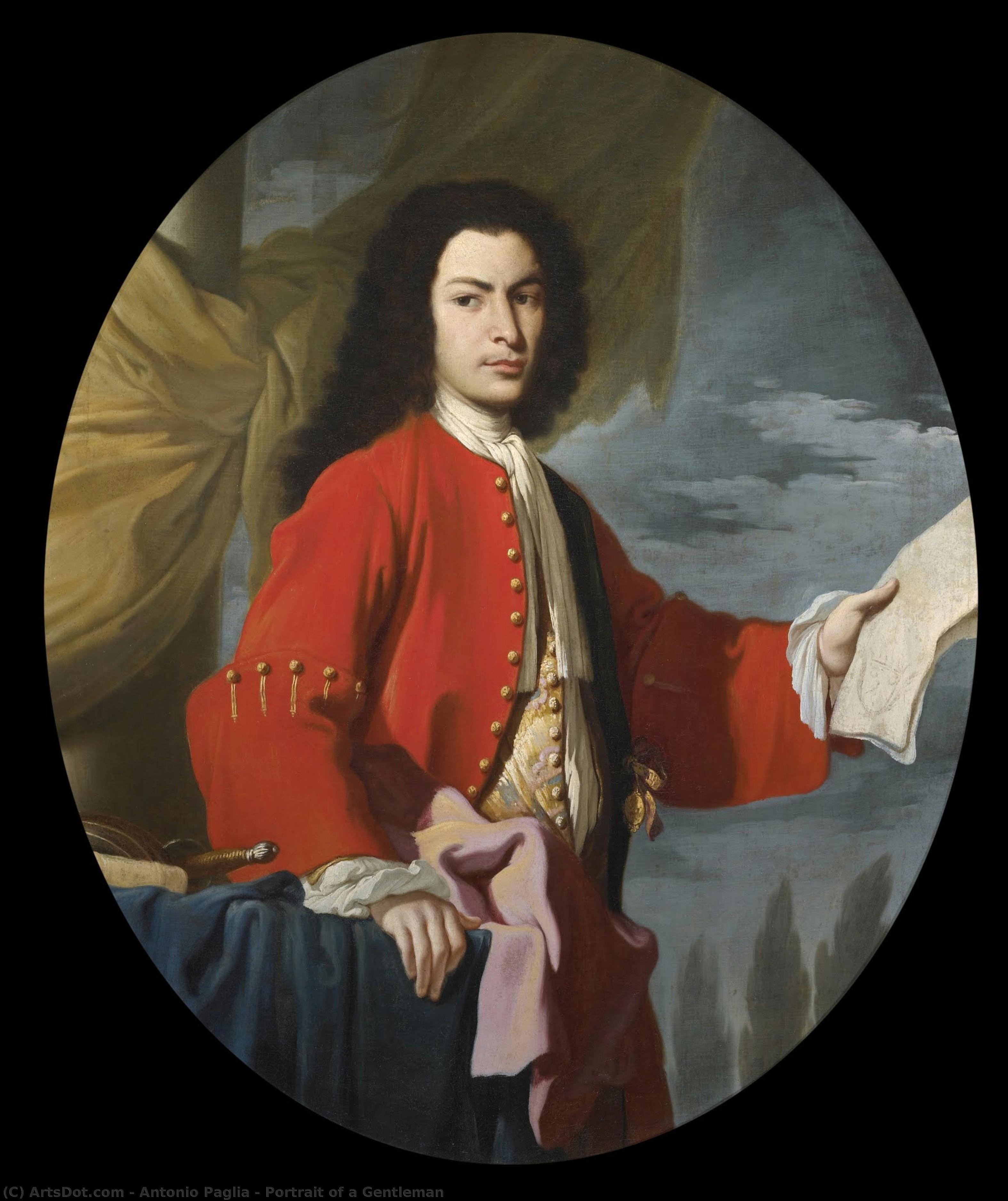
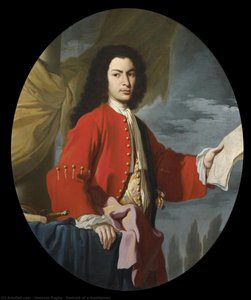
Portrait of a Gentleman

 詳細を見る
詳細を見る
ジークレー/アートプリント
迅速な制作と多彩な仕上げオプションを備えた、ミュージアムクオリティのジークレーまたはキャンバスプリント。 ( 手描きの絵画を購入 画像を購入)




































作品のオリジナル比率に合わせた、当店の規定サイズからお選びください。

特定のフレームやスペースに合わせて、ご自身でサイズを指定することも可能です。選択されたサイズが元の画像の比率と一致しない場合、作品をトリミングするか、鏡面反射または単色での塗りつぶしによって画像を拡張いたします。制作を開始する前に、ご確認用のデジタルモックアップをお送りいたします。
画面上のプレビューには、実際のトリミングや拡張は反映されませんのでご注意ください。最終的な構図を正確に確認できるのは、モックアップのみとなります。
カスタムサイズも承っておりますが、元の比率を維持するためには、あらかじめ用意されたリストからサイズを選択することをお勧めいたします。


 ガラスオプションは、110cm未満のサイズでのみご利用いただけます。

Portrait of a Gentleman
ジークレー/アートプリント
複製画のサイズ
-


合計金額
$ 62
関連作品







アーティストの略歴
The Legacy of a Brescian Master
In the heart of Lombardy, where the shadows of the Baroque era cast long and dramatic silhouettes across the landscape of Brescia, the name Antonio Paglia resonates as a symbol of spiritual grandeur and technical mastery. Born in 1680 into an illustrious lineage of creators, Paglia was destined for the brush. His father, the esteemed Francesco Paglia, provided not only a foundation of familial tradition but also a profound understanding of how light and shadow could be harnessed to evoke the divine. This early immersion in an environment of artistic devotion allowed Antonio to develop a visual language that would eventually define the late-Baroque and Rococo spirit of his home region.
The evolution of Paglia’s style was marked by a pivotal journey to Venice around 1714. It was here, under the tutelage of the legendary Sebastiano Ricci, that the artist’s palette underwent a luminous transformation. Immersing himself in the Venetian school, Paglia moved away from heavier, more somber tones toward a more ethereal and dynamic approach. He adopted the use of vibrant, light-filled colors and fluid compositions that breathed life into his subjects, blending the dramatic intensity of the Baroque with the grace and airy elegance characteristic of the emerging Rococo style. When he returned to Brescia by 1718, he brought with him a sophisticated mastery of perspective and color theory that would soon elevate the local churches to new heights of splendor.
A Visionary of Sacred Spaces
Paglia’s true genius was perhaps most vividly realized in his monumental decorative undertakings. He possessed a rare ability to transform architectural spaces into immersive theological narratives, turning stone and plaster into windows to the heavens. His most celebrated achievement remains the expansive decorative cycle for the parish church of Chiari. In this breathtaking series of frescoes, Paglia demonstrated an unparalleled command over chiarosciente and complex spatial arrangements, guiding the viewer's eye through biblical epics with a sense of rhythmic movement and emotional depth.
Beyond these grand cycles, his repertoire was rich with devotionally charged altarpieces that served as the spiritual focal points for numerous communities. His works, such as the St. Anthony of Padua series and the Immaculate Conception in Rovato, showcase a delicate balance between human emotion and divine majesty. Through these paintings, Paglia did more than merely decorate; he instructed and inspired, using the tactile beauty of his art to bridge the gap between the earthly and the eternal.
Artistic Lineage and Enduring Influence
The significance of Antonio Paglia extends far beyond his own canvases, as his influence rippled through the generations of Brescian painters. His studio became a crucible of talent, nurturing the next wave of masters who would carry the torch of the Lombard tradition. Notable among those he shaped was Giovanni Antonio Zaddei, who studied under Paglia before venturing toward the artistic centers of Bologna and Ferrara. Even the works of Antonio Dusi bear the unmistakable imprint of Paglia’s pedagogical legacy, proving that his impact was as much about the transmission of knowledge as it was about the creation of beauty.
As we reflect on the life of Antonio Paglia, we see an artist who stood at a crossroads of history—a bridge between the heavy drama of the 17th century and the light-hearted elegance of the 18th. His ability to synthesize the rigorous training of his father with the luminous innovations of Venice allowed him to create a body of work that remains a cornerstone of Brescia’s cultural identity. Today, his frescoes and altarpieces stand as enduring testaments to a period when art was the most powerful medium for expressing the profound mysteries of the human soul.
antonio paglia
1680 - 1747 , Italy
基本情報
- Artistic Movement Or Style: Baroque
- Artists Who Influenced This Artist:
- Francesco Paglia
- Sebastiano Ricci
- Date Of Birth: 1680 Brescia Italy
- Date Of Death: 1747
- Full Name: Antonio Paglia
- Nationality: Italian
- Notable Artworks:
- Portrait of a Gentleman
- Decorative cycle Chiari
- Place Of Birth: Brescia Italy