

 プレビュー
プレビュー
 シェアする
シェアする シェアする
シェアする
 詳細を見る
詳細を見る

 ダウンロード
 似ている作品
 X線調査
X線調査 スライドショー
 統計情報
統計情報La Cathedrale
 Oil On Canvas
- WallArt
- Cubism
 1955
1955- 19th Century
 100.0 x 81.0 cm
 MAM Rio
 詳細を見る
詳細を見る
オンラインプレビューをはるかに凌ぐ、高解像度で鮮明なデジタル画像をご購入いただけます。
各ファイルは、社内の専門家が高度なツールと熟練した手作業によるレタッチを用いて、細心の注意を払って準備されています。すべての画像において、卓越した鮮明度、正確な色彩再現性、そして繊細なディテールを保証いたします。
最終ファイルは、プロフェッショナルな編集・印刷環境ですぐにご利用いただけるよう最適化された状態で、72時間以内にメールにてお届けいたします。これは、一流のデザインスタジオ、出版社、ギャラリーから信頼されているものと同等の品質です。
デジタルアート
個人での鑑賞、印刷、クリエイティブなプロジェクト用に、高解像度ファイルをダウンロードできます。 ( プリント版に切り替え 手描きの絵画を購入)
デジタル画像のご注文に付随する特典
高品質なデジタル画像配信を、確かな品質で。
ArtsDot.com を選ぶことは、単に画像を手に入れることではありません。それは、プロの手によって精密に仕上げられ、満足保証が付いた高品質なデジタルアートワークを受け取ることを意味します。ご注文いただいた際に自動的に付随する内容は、以下の通りです:

メールですぐにお届け
ご注文から72時間以内に、高解像度のデジタル画像ファイルがメールでお手元に届きます。すぐにそのままご利用いただけます。

AI技術で最適化されたデジタルファイル
お客様の作品は、高度なAIツールと専門家による手作業の編集を組み合わせてプロフェッショナルに最適化されており、細部のディテール、鮮明さ、そして正確な色再現性を最大限に引き出しています。

一生涯無料の再送サービス
ファイルを誤って削除したり、紛失してしまったりしましたか?ご安心ください。いつでも無料で再送いたします。

輸入手数料は一切かかりません
関税や手数料、配送料を気にすることなく、お気に入りのアートワークをすぐにお楽しみいただけます。デジタルダウンロードは常に免税です。

色彩再現の保証
プロ仕様のツールとカラーマネジメント技術を用いることで、デジタル画像が元の色を最大限に忠実に再現することを保証いたします。

100日間満足保証
ご購入いただいたデジタル画像にご満足いただけない場合は、100日以内であれば、理由を問わず修正または100%の返金対応をさせていただきます。

100% 返金保証
ご満足いただけない場合は、デジタルファイルを受け取ってから100日以内であれば、理由を問わず全額返金いたします。

まとめ買い割引
3枚購入で10%OFF - 5枚購入で15%OFF - 10枚以上購入で20%OFF。クリエイティブなプロジェクト、ギャラリー、エージェンシーに最適です。
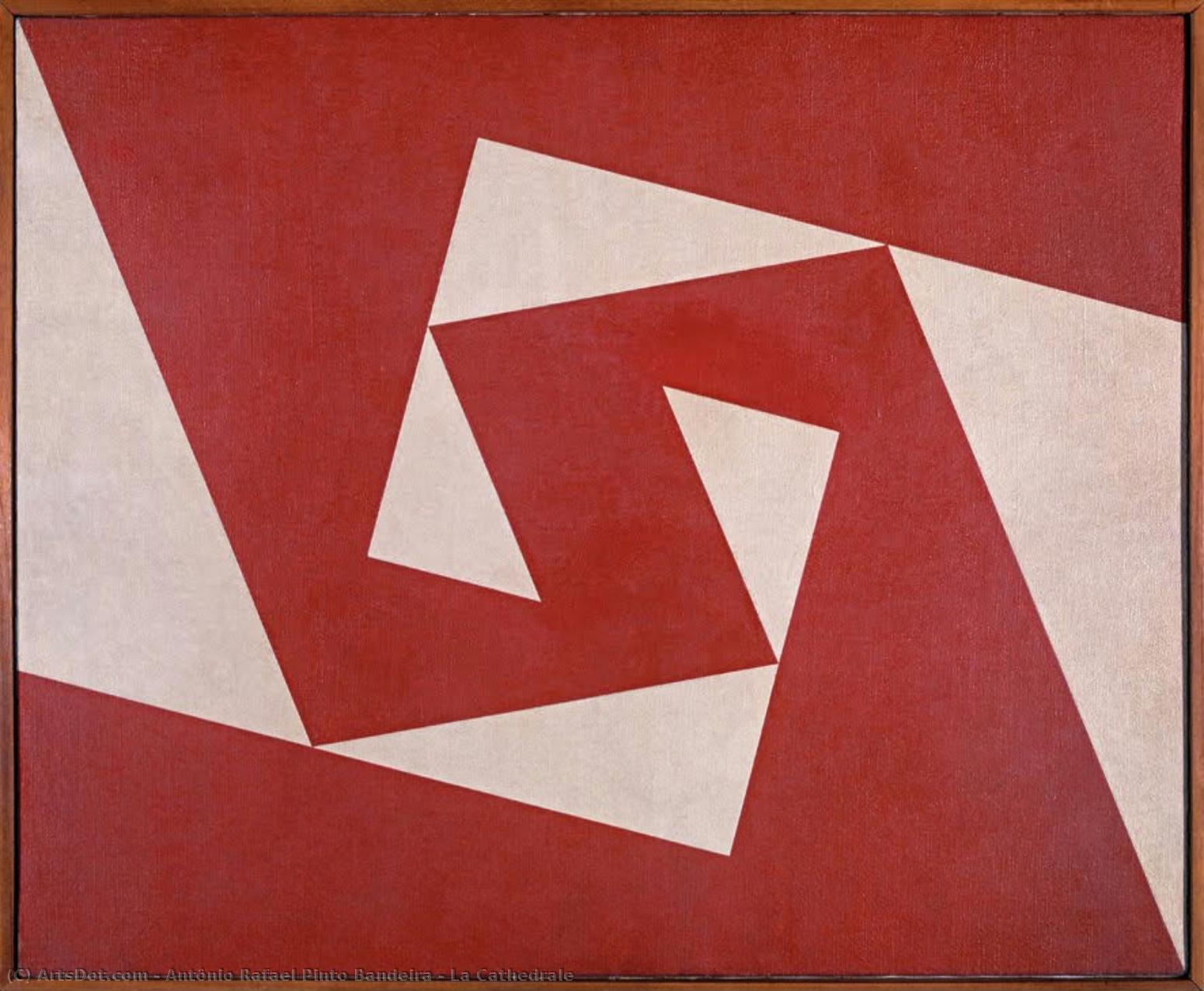
A Symphony of Geometry and Color
In the captivating realm of mid-century abstraction, La Cathedrale emerges as a striking testament to the power of geometric reductionism. Created in 1955, this piece transcends mere pattern-making to offer a profound exploration of form and tension. The canvas is dominated by a bold, rhythmic interplay of red and white, where sharp triangles and interlocking polygons dance across the surface. Unlike traditional depictions of sacred architecture, this work does not rely on literal stone or spire; instead, it evokes the monumental essence of a cathedral through the sheer structural integrity of its shapes. Each triangle, whether standing in solitary strength or overlapping its neighbor in complex layers, contributes to a visual architecture that feels both ancient and avant-garde.
The technique employed in this masterpiece relies on a masterful command of contrast. The starkness of the white elements provides a necessary breath of light against the deep, commanding presence of the red pigments, creating a high-contrast environment that commands immediate attention. This interplay suggests a rhythmic pulse, much like the echoing acoustics within a great hall. For the discerning collector or interior designer, the painting offers a sophisticated focal point that balances modern minimalism with a warm, energetic palette. It is a piece that does not merely sit upon a wall but actively engages with the surrounding space, pulling the eye into its intricate, mathematical dance.
Historical Resonance and Emotional Depth
While the artist Antônio Rafael Pinto Bandeira is historically celebrated for his profound engagement with Brazilian landscapes and social realities during the late 19th century, La Cathedrale represents a fascinating departure into the language of pure abstraction. Though the date of 1955 places this specific work in a later era of artistic evolution, it carries the weight of a legacy that seeks to find structure within complexity. The title itself serves as a symbolic bridge; by naming an abstract geometric arrangement after a cathedral, the artist invites us to find the sacred within the mathematical. It suggests that there is a divine order to be found in the precision of lines and the balance of color.
To live with such a piece is to invite a sense of structured vitality into one's environment. The emotional impact of La Cathedrale is one of balanced intensity—it is stimulating without being chaotic, and monumental without being heavy. For those seeking to curate a space that reflects intellectual depth and aesthetic boldness, this reproduction offers an unparalleled opportunity. It serves as a conversation starter, a window into the transformative power of abstraction, and a timeless addition to any collection dedicated to the enduring beauty of geometric art.
関連作品



![Stroyuschiysya Dom [house Under Construction] — カジミール・マレーヴィチ, Suprematism](/media/artworks/images-thumb/ad/dd/addd6649da2add4f4bf2fe14e561e845.jpg)
作家の略歴
Antônio Rafael Pinto Bandeira: A Voice of Brazil’s Soul
Antônio Rafael Pinto Bandeira (9 March 1863 – 28 August 1896) stands as a pivotal, yet often overlooked, figure in Brazilian art. Born in Salvador, Bahia, into a family marked by the legacy of slavery—his father a tailor—Bandeira’s life and artistic journey were deeply intertwined with the social and cultural complexities of his nation. His story is not merely one of an artist; it's a poignant reflection of Brazil’s evolving identity during the late 19th century, grappling with themes of race, class, and the burgeoning desire for national representation through art. Bandeira’s work, characterized by a unique blend of European academic training and a profound engagement with Brazilian landscapes and social realities, offers a valuable window into this transformative period.Early Years and Artistic Formation
Bandeira's artistic path began at the Academia Imperial de Belas Artes (AIB) in Rio de Janeiro at the remarkably young age of sixteen. This prestigious institution provided him with a rigorous classical education, exposing him to the techniques and traditions of European painting—particularly those influenced by French academic styles. He studied under prominent artists like Victor Meirelles and João Zeferino da Costa, mastering portraiture and historical painting. However, Bandeira’s artistic sensibility quickly transcended mere imitation; he demonstrated a keen interest in capturing the essence of Brazil itself. His early works reveal an attempt to synthesize European formal training with a growing awareness of his homeland's diverse landscapes and people. The gold medal awarded him for history painting in 1883 at the “Exposições Geral de Belas Artes” signaled recognition of his emerging talent, though it also highlighted the prevailing biases within the art establishment regarding racial representation.Salvador and a New Artistic Direction
Following the 1887 failure to secure a scholarship for study in Europe—a setback that profoundly affected him—Bandeira relocated to Salvador, Bahia. Here, he assumed the role of Professor of Design and Landscapes at the Liceu de Artes e Ofícios, an institution dedicated to providing artistic training to aspiring artists. This move marked a significant shift in his artistic focus. Salvador, with its vibrant Afro-Brazilian culture, offered a dramatically different environment than Rio’s predominantly Europeanized art scene. Bandeira began to immerse himself in the local landscape—the rugged coastline, the lush vegetation, and the daily lives of its inhabitants—drawing inspiration from this rich cultural tapestry. His work during this period reflected a growing desire to depict Brazilian life authentically, moving beyond idealized representations towards a more nuanced portrayal of his nation’s diverse population and landscapes.Notable Works and Artistic Style
Bandeira's artistic style is often described as a harmonious blend of European academic precision and Brazilian regionalism. He skillfully employed traditional techniques—precise draftsmanship, careful color palettes, and meticulous attention to detail—while simultaneously infusing his paintings with a distinctly Brazilian sensibility. “Lenhador” (Woodcutter), perhaps his most celebrated work, exemplifies this approach. This evocative painting, depicting a solitary figure engaged in the arduous task of felling trees, became an iconic image of Brazilian rural life and was even featured on a commemorative stamp in 2013, celebrating Brazil’s diplomatic relations with Colombia. Other notable works include “Sem título” (Untitled), showcasing his ability to capture atmospheric landscapes, and "La Cathedrale," which demonstrates his interest in architectural subjects. His paintings often feature strong contrasts of light and shadow, creating a dramatic effect that emphasizes the emotional intensity of the scenes he portrays.Legacy and a Tragic End
Despite his artistic achievements, Bandeira’s life was marked by persistent challenges and ultimately ended tragically. Returning to Salvador in 1890, he attempted to establish an independent art school but faced repeated setbacks, contributing to a growing sense of disillusionment. The failure to secure funding and recognition fueled his depression. Sadly, Antônio Rafael Pinto Bandeira drowned in Guanabara Bay in August 1896, reportedly while attempting to launch a small boat. While the official narrative suggested suicide, whispers persisted that the event was accidental, reflecting the complex circumstances surrounding his life and career. Despite his untimely death, Bandeira’s legacy endures as a significant voice in Brazilian art history—a testament to his unique artistic vision and his profound engagement with the social and cultural landscape of his nation. His work continues to be studied and appreciated for its ability to capture the spirit and soul of Brazil.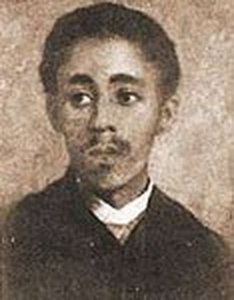
antônio rafael pinto bandeira
1863 - 1896 , Brazil
プロフィール概要
- Artistic Movement Or Style: Regional art education
- Artists Or Movements Influenced By This Artist: ['European techniques']
- Artists Who Influenced This Artist: ['João Zeferino da Costa']
- Date Of Birth: March 9, 1863
- Date Of Death: August 28, 1896
- Full Name: Antônio Rafael Pinto Bandeira
- Nationality: Brazilian
- Notable Artworks:
- Lenhador
- Feiticeira
- Place Of Birth: Rio de Janeiro, Brazil