

 プレビュー
プレビュー
 プリントを購入
 シェアする
シェアする シェアする
シェアする
 詳細を見る
詳細を見る

 ダウンロード
 似ている作品
 X線調査
X線調査 スライドショー
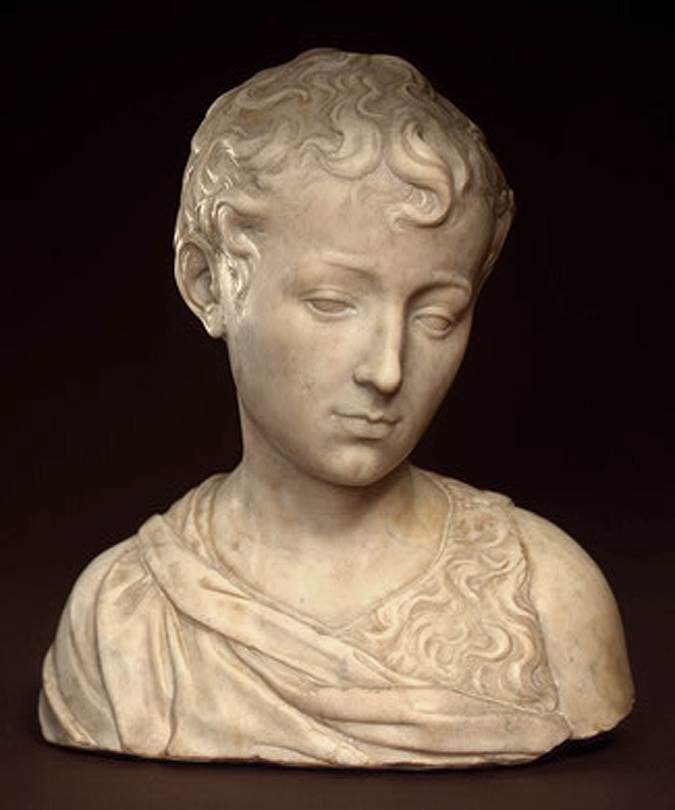
The Young Saint John the Baptist


 詳細を見る
詳細を見る
オンラインプレビューをはるかに凌ぐ、高解像度で鮮明なデジタル画像をご購入いただけます。
各ファイルは、社内の専門家が高度なツールと熟練した手作業によるレタッチを用いて、細心の注意を払って準備されています。すべての画像において、卓越した鮮明度、正確な色彩再現性、そして繊細なディテールを保証いたします。
最終ファイルは、プロフェッショナルな編集・印刷環境ですぐにご利用いただけるよう最適化された状態で、72時間以内にメールにてお届けいたします。これは、一流のデザインスタジオ、出版社、ギャラリーから信頼されているものと同等の品質です。
デジタル画像のご注文に付随する特典
高品質なデジタル画像配信を、確かな品質で。
ArtsDot.com を選ぶことは、単に画像を手に入れることではありません。それは、プロの手によって精密に仕上げられ、満足保証が付いた高品質なデジタルアートワークを受け取ることを意味します。ご注文いただいた際に自動的に付随する内容は、以下の通りです:

メールですぐにお届け
ご注文から72時間以内に、高解像度のデジタル画像ファイルがメールでお手元に届きます。すぐにそのままご利用いただけます。

AI技術で最適化されたデジタルファイル
お客様の作品は、高度なAIツールと専門家による手作業の編集を組み合わせてプロフェッショナルに最適化されており、細部のディテール、鮮明さ、そして正確な色再現性を最大限に引き出しています。

一生涯無料の再送サービス
ファイルを誤って削除したり、紛失してしまったりしましたか?ご安心ください。いつでも無料で再送いたします。

輸入手数料は一切かかりません
関税や手数料、配送料を気にすることなく、お気に入りのアートワークをすぐにお楽しみいただけます。デジタルダウンロードは常に免税です。

色彩再現の保証
プロ仕様のツールとカラーマネジメント技術を用いることで、デジタル画像が元の色を最大限に忠実に再現することを保証いたします。

60日間満足保証
ご購入いただいたデジタル画像にご満足いただけない場合は、60日以内であれば、修正または100%の返金(理由を問う必要はありません)をさせていただきます。

100% 返金保証
ご満足いただけない場合は、デジタルファイルを受け取ってから60日以内であれば、理由を問わず全額返金いたします。

まとめ買い割引
3枚購入で10%OFF - 5枚購入で15%OFF - 10枚以上購入で20%OFF。クリエイティブなプロジェクト、ギャラリー、エージェンシーに最適です。
作品の詳細
The Young Saint John the Baptist by Antonio Rossellino
Antonio Rossellino’s “Young Saint John the Baptist,” sculpted around 1470, stands as a cornerstone of Florentine Renaissance art—a testament to humanist ideals and masterful craftsmanship. Currently housed at the National Gallery of Art in Washington D.C., this marble bust embodies the spirit of its era, capturing both anatomical precision and profound spiritual contemplation. Its enduring appeal lies not only in its aesthetic beauty but also in its rich historical significance and symbolic resonance. **Provenance & Context:** The sculpture’s journey began in the Oratory of S. Francesco dei Vanchettoni, Florence, before finding its permanent home at the gallery. Sold in 1940 to Eugenio Venturi and subsequently acquired by the Samuel H. Kress Foundation in 1942, it represents a pivotal moment in art history—a symbol of Florentine cultural heritage preserved for future generations. Detailed records indicate that the sculpture was initially displayed alongside Desiderio da Settignano’s “Christ Child,” fostering a dialogue between faith and artistic excellence within the sacred space. **Artist & Technique:** Antonio Rossellino, trained primarily under his elder brother Bernardo Rossellino—a titan of architectural innovation—was recognized early on for his exceptional talent in sculpting marble. The sculpture showcases Rossellino’s unparalleled skill in achieving realism through meticulous carving and polishing. Fine details, from the curly hair to the delicate lips, demonstrate a high level of craftsmanship. Like Raphael (Raffaello Sanzio Da Urbino), whose Madonna and Child exemplifies similar stylistic choices—the use of marble and unwavering attention to detail—Rossellino’s work reflects the prevailing artistic conventions of the Renaissance period. **Style & Symbolism:** “The Young Saint John the Baptist” adheres firmly to Neoclassical art, drawing inspiration from Roman portraiture. The sculpture's serene expression conveys a sense of youthful innocence and dignity – qualities highly valued during the humanist movement. Rossellino skillfully captures the essence of classical ideals through idealized proportions and realistic musculature, mirroring the artistic ambitions of his time. Furthermore, Saint John’s pose—looking downward with contemplative gaze—symbolizes humility and spiritual introspection—themes central to Christian iconography. **Emotional Impact & Legacy:** Viewing “The Young Saint John the Baptist” evokes a powerful connection to the past, transporting viewers back to Florence during its golden age. Its smooth, luminous surface captures the beauty of marble – a material favored by Renaissance artists for its ability to convey both solidity and grace. The sculpture’s enduring presence in museums worldwide testifies to its artistic merit and continues to inspire admiration for Rossellino's genius—a sculptor who elevated marble carving to an art form, leaving behind a legacy that resonates across centuries.- Artist: Antonio Rossellino
- Date Created: c. 1470
- Material: Marble
- Location: National Gallery of Art, Washington D.C.
- The Young Saint John the Baptist
- The Young Saint John the Baptiste - Google Arts & Culture
- File:Antonio Rossellino, The Young Saint John the Baptist, c. 1470, NGA 12177
- Raphael - Madonna and Child (The Large Cowper Madonna)
- AllPainting
関連作品



作家の略歴
The Sculptor of Florentine Humanism
Antonio Gamberelli, known to history by the evocative moniker Antonio Rossellino—a name inspired by the distinctive color of his hair—stands as a luminous figure within the pantheon of the Italian Renaissance. Born in the quiet, artistic enclave of Settignano near Florence around 1427, he emerged not merely as a craftsman, but as a sculptor capable of breathing life into cold marble and malleable terracotta. His journey was inextricably linked to the intellectual and aesthetic currents of Florence, a city then undergoing a profound transformation driven by humanist ideals. Through his hands, the rigid forms of the medieval past dissolved, replaced by a new language of anatomical precision, emotional vulnerability, and a deep reverence for the natural world.
The foundations of Rossellino’s mastery were laid under the watchful eye of his elder brother, Bernardo Rossellino. A titan of architectural innovation, Bernardo provided Antonio with an unparalleled apprenticeship, introducing him to the complexities of large-scale monumental works and the delicate art of polychrome marble inlay. This early exposure to the structural demands of architecture and the decorative richness of the Cappella dei Medici style instilled in Antonio a meticulous attention to detail. He learned that a sculpture was not merely an object to be viewed, but a presence to inhabit a space, a lesson that would later define his ability to command both grand ecclesiastical commissions and intimate devotional reliefs.
A Mastery of Form and Emotion
As his career flourished, Rossellino developed a signature style characterized by a breathtaking balance between classical grace and poignant realism. His work often sought to capture the fleeting nuances of human expression, a feat achieved through subtle gestures and a profound understanding of light and shadow. In his marble works, such as the Young Saint John the Baptist, one observes a remarkable anatomical accuracy that reflects the burgeoning scientific curiosity of the Renaissance. Yet, beneath this technical perfection lies a soulful tenderness, an ability to evoke empathy in the viewer through the soft curve of a limb or the gentle tilt of a head.
This emotional depth reached new heights in his use of terracotta, a medium that allowed for even greater fluidity and immediacy. His relief, Virgin and the Shivering Child, serves as a poignant testament to this mastery. In this work, the warmth of the clay facilitates a sense of intimacy and vulnerability, showcasing the delicate beauty of the Madonna and the raw, human reality of the infant. Such pieces demonstrate how Rossellino could navigate the spectrum of Renaissance art, moving seamlessly from the monumental narrative power required for pulpit decorations to the quiet, contemplative intensity of private devotional objects.
Legacy and Historical Significance
The significance of Antonio Rossellino extends far beyond his individual masterpieces; he was a vital participant in the collective artistic evolution of 15th-century Florence. His collaborations, most notably with Mino da Fiesole on the ambitious sculptural programs for Prato’s pulpit, highlight his role within a vibrant community of artists working toward a shared vision of beauty and truth. His contributions to the Chapel of Cardinal Portugal at San Miniato al Monte further cement his reputation as a sculptor capable of handling complex theological narratives through sophisticated relief work.
Ultimately, Rossellino’s legacy is found in the enduring resonance of his subjects. He captured the essence of the human condition during one of history's most transformative eras, bridging the gap between the divine and the earthly. His ability to infuse stone and clay with a sense of living breath ensured that his work would remain a cornerstone of Florentine art, inspiring generations of sculptors to pursue the same harmonious union of technical brilliance and profound human emotion.
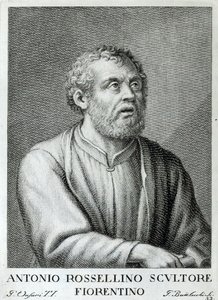
Antonio Rossellino
1427 - 1479 , Italy
プロフィール概要
- Artistic Movement Or Style: Renaissance Sculpture
- Artists Or Movements Influenced By This Artist: ['Renaissance']
- Artists Who Influenced This Artist: ['Bernardo Rossellino']
- Date Of Birth: Settignano, Italy (1427)
- Date Of Death: Naples (1479)
- Full Name: Antonio Rossellino
- Nationality: Italian
- Notable Artworks:
- Young Saint John the Baptist
- Virgin and the Shivering Child
- Mary with child (Fragment)
- Place Of Birth: Settignano


