

 プレビュー
プレビュー
 プリントを購入
 シェアする
シェアする シェアする
シェアする
 詳細を見る
詳細を見る

 ダウンロード
 似ている作品
 X線調査
X線調査 スライドショー
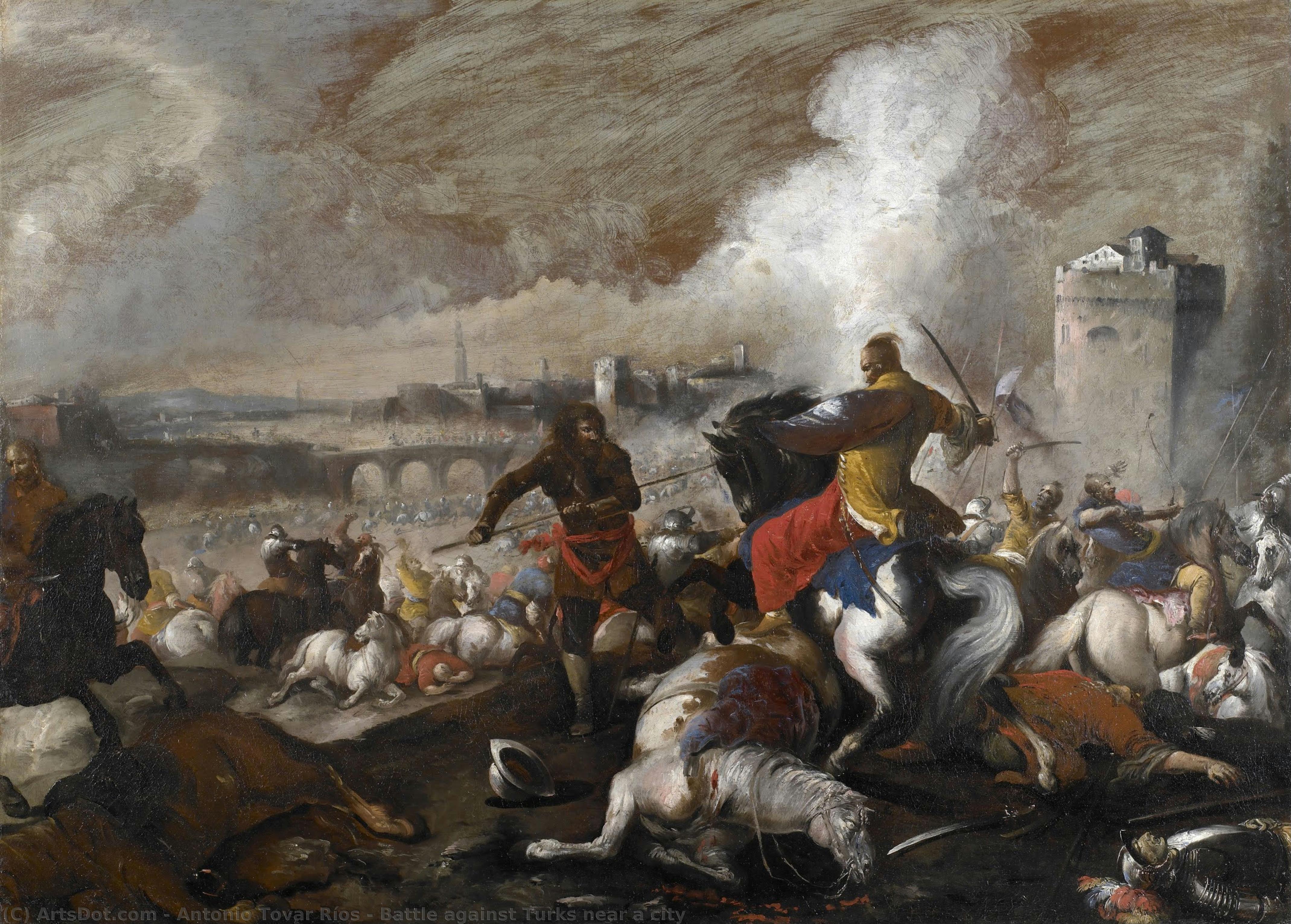
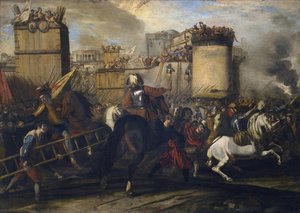
Battle against Turks near a city


 詳細を見る
詳細を見る




































作品のオリジナル比率に合わせた、当店の規定サイズからお選びください。

特定のフレームやスペースに合わせて、ご希望のサイズをご入力いただけます。選択されたサイズが元の画像の比率と異なる場合、アートワークをトリミングするか、手描きで要素を追加して絵画を拡張いたします。デジタルモックアップ を制作し、制作開始前にご確認(承認)をいただきます。
画面上のプレビューは、実際のトリミングや拡張を正確に反映しているものではありません。最終的な構図は、モックアップによってのみ正確にご確認いただけます。
カスタムサイズもご利用いただけますが、元の比率を維持するためには、あらかじめ用意されたリストからサイズを選択することをお勧めいたします。
ご注文後、ArtsDot.com チームより詳細な指示をお送りするとともに、仕上がりイメージ(モックアップ)をご提供いたします。


 ガラスオプションは、110cm未満のサイズでのみご利用いただけます。

Battle against Turks near a city
複製技法
複製画のサイズ
-


合計金額
$ 263
関連作品

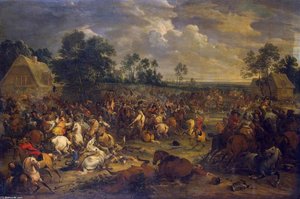
アーティストの略歴
Antonio Tovar Ríos: A Baroque Master of Battle and Roman Echoes
Antonio Tovar Ríos, born in Verona, Italy, in 1658, stands as a compelling figure within the vibrant tapestry of 17th-century Baroque art. His journey from a jeweler’s son to a respected painter reflects not only his artistic talent but also the shifting currents of European patronage and stylistic evolution. Initially trained under the guidance of Carlo Cignani in Bologna, Tovar's career took him through Rome, where he honed his skills under Jacques Courtois, absorbing influences that would shape his distinctive style. While primarily associated with Bologna, his work extended to Milan and Vienna, demonstrating a remarkable adaptability and willingness to engage with diverse artistic demands. His life, marked by both professional success and personal complexities – including three marriages and the reconciliation with his father – provides a rich context for understanding the breadth of his artistic output.Early Life and Artistic Training
Tovar’s early years in Verona, a city steeped in artistic tradition, undoubtedly laid the foundation for his future endeavors. The fact that he was born into a family involved in jewelry suggests an appreciation for detail, craftsmanship, and perhaps even a nascent understanding of color and form – qualities that would later translate to his paintings. His apprenticeship with Carlo Cignani proved crucial, exposing him to the dynamism and theatricality characteristic of Bolognese Baroque painting. Cignani’s emphasis on dramatic lighting, swirling compositions, and emotionally charged figures undoubtedly influenced Tovar's approach. Subsequently, working under Jacques Courtois in Rome provided a further broadening of his artistic horizons, introducing him to the grandeur and classical influences prevalent within the Roman art scene. This period likely solidified his understanding of perspective, anatomy, and the use of color as a means of conveying mood and atmosphere.Themes and Style: Historical Narratives and Roman Influence
Tovar’s artistic legacy is largely defined by his masterful depictions of historical events and grand battle scenes. These works are not merely illustrations of past conflicts; they are carefully constructed narratives imbued with a sense of drama, heroism, and often, moral commentary. His paintings frequently draw upon the rich visual vocabulary of Roman history – evidenced in the meticulous rendering of armor, weaponry, and the imposing architecture that often features prominently in his compositions. The influence of classical antiquity is palpable, manifesting in the idealized figures, heroic postures, and the use of monumental scale to convey a sense of power and authority. A key element of his style lies in his ability to capture the chaotic energy of battle – the clash of steel, the desperate cries of soldiers, and the swirling dust clouds that obscure the scene. Works like “Battle against Turks near a city” (available for reproduction) exemplify this skill, showcasing a dynamic composition filled with movement and detail.Patronage and Artistic Development
Tovar’s career was shaped by his interactions with various patrons – from general Martini in Milan to Prince Eugène of Savoy in Vienna. These commissions demanded versatility and an ability to adapt his style to the specific tastes and requirements of each patron. His work for the Austrian court, including portraits of the prince and the emperor, demonstrates a growing sophistication in his technique and a willingness to embrace more formal portraiture alongside his historical subjects. The shift towards portraiture suggests a broadening of his artistic interests and a desire to cater to the evolving demands of the European art market. His time in Milan further refined his skills, exposing him to the vibrant artistic scene of that city and allowing him to experiment with different compositional approaches.Legacy and Historical Significance
Antonio Tovar Ríos died in Verona in 1725, leaving behind a significant body of work that reflects the dynamism and complexity of the Baroque period. His paintings are valued not only for their technical skill but also for their ability to transport viewers to pivotal moments in history. He stands as a testament to the enduring power of historical painting and the role of artists in shaping our understanding of the past. While perhaps less celebrated than some of his contemporaries, Tovar’s contributions to the Baroque tradition are nonetheless worthy of recognition. His works continue to be studied and admired for their dramatic intensity, skillful composition, and evocative portrayal of human experience within the context of grand historical narratives. Reproductions of his paintings offer a unique opportunity to connect with the artistic spirit of 17th-century Europe.
antonio tovar ríos
1658 - 1725 , Italy
基本情報
- Artistic Movement Or Style: Baroque
- Artists Who Influenced This Artist: ['Carlo Cignani']
- Date Of Birth: 1658, Verona, Italy
- Date Of Death: 1725
- Full Name: Antonio Tovar Ríos
- Nationality: Italian
- Notable Artworks: ['Battle against Turks near a city']
- Place Of Birth: Verona, Italy
関連記事

バロックのドラマ:現代のインテリアに壮麗さと情感を取り込む
バロック様式の歴史、絵画、家具の魅力をご紹介。ArtsDotでは、高品質な油絵複製やカスタムポートレートをご提供し、現代のインテリアに壮麗さと情感を取り入れます。アートコンサルテーションも承ります。

バロック美術を極めた至宝:時代を彩る10大名作の世界
バロック美術の華!カラヴァッジョ、ベルニーニら巨匠が創り上げた10大名作を徹底解剖。ドラマチックな色彩と豪華絢爛の世界観に触れ、至宝のアートプリントで空間を彩ろう。ArtsDot.comで美術館品質の複製と洗練されたインテリアを見つけましょう!

The Enduring Power of Painting: A Historical & Contemporary Exploration of Form and Emotion
Explore the rich history & enduring techniques of oil painting with ArtsDot. Discover masterpieces, learn about art collecting, and find authentic handmade reproductions crafted by skilled artists.

The Dramatic Flourish: Exploring the Baroque Movement's Enduring Legacy in Art History
Explore the dramatic world of Baroque art! Discover iconic artists like Caravaggio & Rubens, defining techniques, and its lasting impact on art history. Expert insights for collectors & enthusiasts at ArtsDot.

The Enduring Legacy of Oil on Canvas: Technique, History & Aesthetic Impact
Explore the rich history & techniques of oil painting – from Renaissance masters to Impressionism. Discover pigments, layering methods, and why this timeless medium endures. Expert insights for artists & art enthusiasts.

