

 プレビュー
プレビュー
 シェアする
シェアする シェアする
シェアする
 詳細を見る
詳細を見る

 ダウンロード
 似ている作品
 X線調査
X線調査 スライドショー
 統計情報
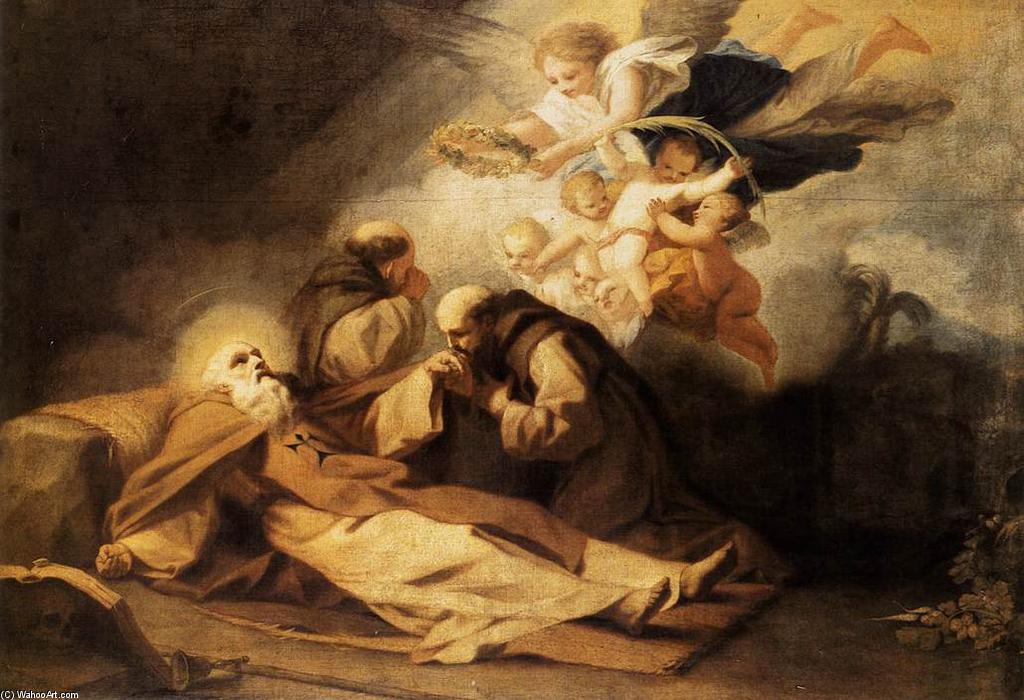
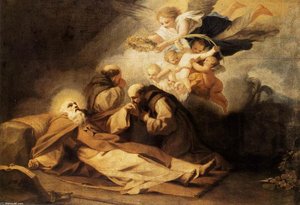
統計情報The Death of St Anthony the Hermit
 Baroque
 144.0 x 208.0 cm
 Szépművészeti Múzeum
 詳細を見る
詳細を見る
手描き油彩複製画
当社のアーティストが、お客様のご希望のサイズと額縁に合わせて、キャンバスに手描きで制作する油彩画です。 ( プリント版に切り替え デジタル画像販売へ切り替え)




































作品のオリジナル比率に合わせた、当店の規定サイズからお選びください。

特定のフレームやスペースに合わせて、ご希望のサイズをご入力いただけます。選択されたサイズが元の画像の比率と異なる場合、アートワークをトリミングするか、手描きで要素を追加して絵画を拡張いたします。デジタルモックアップ を制作し、制作開始前にご確認(承認)をいただきます。
画面上のプレビューは、実際のトリミングや拡張を正確に反映しているものではありません。最終的な構図は、モックアップによってのみ正確にご確認いただけます。
カスタムサイズもご利用いただけますが、元の比率を維持するためには、あらかじめ用意されたリストからサイズを選択することをお勧めいたします。
ご注文後、ArtsDot.com チームより詳細な指示をお送りするとともに、仕上がりイメージ(モックアップ)をご提供いたします。


 ガラスオプションは、110cm未満のサイズでのみご利用いただけます。

The Death of St Anthony the Hermit
複製技法
複製画のサイズ
-


合計金額
$ 313
Composition and Symbolism
The composition of The Death of St Anthony the Hermit is characterized by a sense of serenity and peace. The central figure, St Anthony, is depicted lying on his side, surrounded by angels and other religious figures. The use of symbolism in this painting is noteworthy, with the inclusion of items such as books, lilies, and halos, which represent knowledge, purity, and divinity respectively. Key Features of the painting include:- The realistic style, which is characteristic of Baroque art
- The attention to detail in the figures' clothing and facial expressions
- The dramatic use of lighting, which creates a sense of depth and draws attention to the central figure
Artist and Museum
Antonio Viladomat Y Manalt was a Catalan painter in the Baroque style, known for his beautiful and intricate works of art. The Szépmûvészeti Múzeum (Museum of Fine Arts) in Budapest, Hungary, is home to this stunning painting, as well as other notable works by various artists, including Luis Tristán De Escamilla and Daniel Janszoon Thivaert. For more information on the artist and his works, visit ArtsDot.com or check out the Wikipedia page on Antonio Viladomat Y Manalt.The The Death of St Anthony the Hermit is a beautiful and captivating painting that showcases the artist's skill and attention to detail. With its rich colors, intricate composition, and symbolic elements, this piece is a must-see for art lovers and historians alike.
関連作品
アーティストの略歴
A Visionary of the Catalan Baroque
In the vibrant, sun-drenched streets of 17th-century Barcelona, a master was quietly preparing to redefine the spiritual landscape of Catalonia. Antonio Viladomat y Manalt, born in 1678, emerged not merely as a painter, but as a storyteller of the divine. The son of a skilled gilder, Viladomat’s earliest encounters with art were rooted in the tactile brilliance of gold leaf and craftsmanship. This foundational connection to the luster of precious metals would later manifest in his ability to manipulate light, creating canvases that seemed to glow from within. His journey began under the watchful eye of Pasqual Bailon Savall, a master whose workshop provided the essential seeds of technique, before he transitioned into a long and transformative apprenticeship with Joan Baptista Perramon. It was during these formative years that Viladomat began to weave together the technical rigor of his training with an burgeoning emotional depth.
The trajectory of Viladomat’s artistry took a profound turn when his path crossed with the architectural and painterly grandeur of Ferdinando Galli-Bibiena. Working on projects such as the Church of San Miguel, Viladomat was exposed to the sweeping scales and theatrical complexities of Italian art. This encounter acted as a catalyst, pulling his gaze toward the horizons of the Venetian Baroque. He became deeply enamoth with the concept of chiaroscuro—the dramatic, almost rhythmic interplay between profound shadows and piercing light. This influence breathed life into his compositions, allowing him to move beyond mere representation and into the realm of spiritual atmosphere, where every shadow held a secret and every highlight offered a glimpse of the celestial.
Mastery of Light and Sacred Narrative
Viladomat’s oeuvre is a testament to the power of religious iconography to evoke profound human emotion. His works were rarely mere decorations; they were windows into the sacred. He possessed a singular ability to render the weight of holiness through the physical details of his subjects. In his celebrated depictions of saints, one can observe an exquisite attention to the texture of heavy fabrics, the delicate translucency of skin, and the symbolic presence of objects like lilies for purity or books for divine wisdom. His masterpiece, The Death of St Anthony the Hermit, serves as a breathtaking example of this mastery. In this work, the artist achieves a sense of profound serenity, using a soft, ethereal light to surround the dying saint with angels, creating a composition that feels both intimately human and cosmically significant.
Beyond individual portraits of sanctity, Viladomat undertook monumental tasks that shaped the very walls of Barcelona’s ecclesiastical institutions. His ambitious projects, including the Stations of the Cross and his sweeping cycles portraying Saint Francis of Assisi for the Franciscan monastery, demonstrate a capacity for large-scale narrative cohesion. These works were not just painted; they were orchestrated to guide the viewer through a spiritual pilgrimage. Through his use of color and composition, he could direct the eye across vast canvases, ensuring that the theological message remained as clear as it was captivating.
Legacy and Historical Significance
The historical importance of Antonio Viladomat y Manalt lies in his role as a bridge between the local traditions of Catalonia and the broader European Baroque movement. While he remained deeply rooted in the spiritual needs of his home city, his aesthetic language was international, shaped by the sophisticated currents of Italian influence. He navigated the complexities of his era—including the legal struggles with the Colegio de Pintores guild—with a determination to maintain the integrity of his craft and his professional standing.
Today, the legacy of this Baroque visionary lives on through the preserved treasures held in institutions such as the Museu Nacional d'Art de Catalunya and the Museo del Prado. His ability to capture the ephemeral nature of light and the eternal nature of faith ensures that his work continues to resonate with modern viewers. To look upon a Viladomat canvas is to experience the heartbeat of the 18th century—a time when art served as the ultimate medium for exploring the intersection of the earthly and the divine.
antonio viladomat y manalt
1678 - 1755 , Spain
基本情報
- Artistic Movement Or Style: Baroque
- Artists Or Movements Influenced By This Artist: ['Italian Art']
- Artists Who Influenced This Artist: ['Pasqual Bailon Savall']
- Date Of Birth: March 20, 1678
- Full Name: Antoni Viladomat i Manalt
- Nationality: Spanish
- Notable Artworks:
- Death of St Anthony the Hermit
- Saint Francis Receives the Order from the Crucifix
- Place Of Birth: Barcelona, Spain
関連記事

The Visceral Stage: Exploring Dramatic Narratives & Emotional Intensity in Baroque Art
Explore the dramatic world of Baroque art! Discover iconic masters like Caravaggio & Rembrandt, their techniques, and the movement's lasting impact. Expert insights for collectors & enthusiasts at ArtsDot.

The Dramatic Flourish: Exploring the Baroque Movement's Enduring Legacy in Art History
Explore the dramatic world of Baroque art! Discover iconic artists like Caravaggio & Rubens, defining techniques, and its lasting impact on art history. Expert insights for collectors & enthusiasts at ArtsDot.

ゴヤ傑作25選:スペインの魂を揺さぶる、深遠な芸術の世界 | ArtsDot
ゴヤ傑作25選:ロマン主義を代表するスペインの巨匠、フランシスコ・デ・ゴヤの世界へ。黒衣の女からマハまで、魂を揺さぶる絵画の物語と技法を紐解きます。ArtsDotで高品質なアートレプリカを見つけ、インテリアに深みと風格を。今すぐコレクションをご覧ください。

バロックのドラマ:現代のインテリアに壮麗さと情感を取り込む
バロック様式の歴史、絵画、家具の魅力をご紹介。ArtsDotでは、高品質な油絵複製やカスタムポートレートをご提供し、現代のインテリアに壮麗さと情感を取り入れます。アートコンサルテーションも承ります。

バロック美術を極めた至宝:時代を彩る10大名作の世界
バロック美術の華!カラヴァッジョ、ベルニーニら巨匠が創り上げた10大名作を徹底解剖。ドラマチックな色彩と豪華絢爛の世界観に触れ、至宝のアートプリントで空間を彩ろう。ArtsDot.comで美術館品質の複製と洗練されたインテリアを見つけましょう!