

 プレビュー
プレビュー
 シェアする
シェアする シェアする
シェアする
 詳細を見る
詳細を見る

 ダウンロード
 似ている作品
 X線調査
X線調査 スライドショー
 統計情報
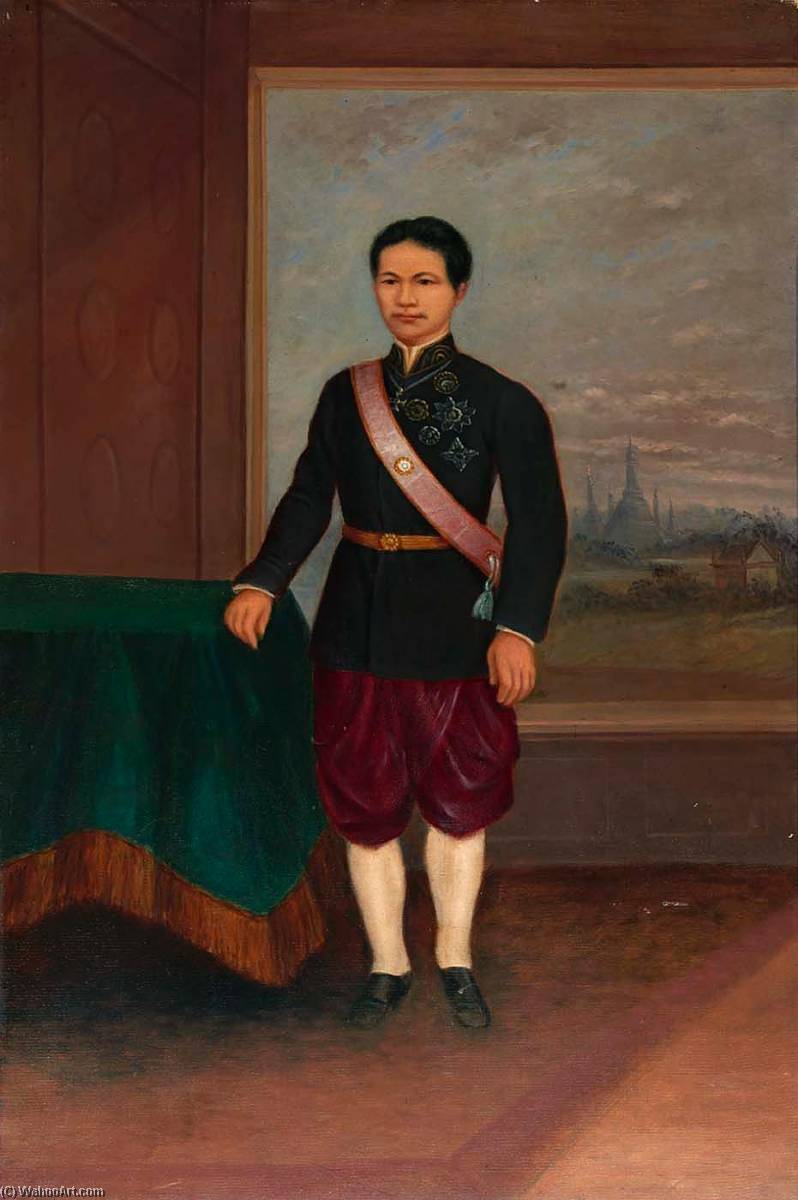
統計情報Siamese Man
 1899
1899 107.0 x 71.0 cm
 詳細を見る
詳細を見る
オンラインプレビューをはるかに凌ぐ、高解像度で鮮明なデジタル画像をご購入いただけます。
各ファイルは、社内の専門家が高度なツールと熟練した手作業によるレタッチを用いて、細心の注意を払って準備されています。すべての画像において、卓越した鮮明度、正確な色彩再現性、そして繊細なディテールを保証いたします。
最終ファイルは、プロフェッショナルな編集・印刷環境ですぐにご利用いただけるよう最適化された状態で、72時間以内にメールにてお届けいたします。これは、一流のデザインスタジオ、出版社、ギャラリーから信頼されているものと同等の品質です。
デジタルアート
個人での鑑賞、印刷、クリエイティブなプロジェクト用に、高解像度ファイルをダウンロードできます。 ( プリント版に切り替え 手描きの絵画を購入)
デジタル画像のご注文に付随する特典
高品質なデジタル画像配信を、確かな品質で。
ArtsDot.com を選ぶことは、単に画像を手に入れることではありません。それは、プロの手によって精密に仕上げられ、満足保証が付いた高品質なデジタルアートワークを受け取ることを意味します。ご注文いただいた際に自動的に付随する内容は、以下の通りです:

メールですぐにお届け
ご注文から72時間以内に、高解像度のデジタル画像ファイルがメールでお手元に届きます。すぐにそのままご利用いただけます。

AI技術で最適化されたデジタルファイル
お客様の作品は、高度なAIツールと専門家による手作業の編集を組み合わせてプロフェッショナルに最適化されており、細部のディテール、鮮明さ、そして正確な色再現性を最大限に引き出しています。

一生涯無料の再送サービス
ファイルを誤って削除したり、紛失してしまったりしましたか?ご安心ください。いつでも無料で再送いたします。

輸入手数料は一切かかりません
関税や手数料、配送料を気にすることなく、お気に入りのアートワークをすぐにお楽しみいただけます。デジタルダウンロードは常に免税です。

色彩再現の保証
プロ仕様のツールとカラーマネジメント技術を用いることで、デジタル画像が元の色を最大限に忠実に再現することを保証いたします。

100日間満足保証
ご購入いただいたデジタル画像にご満足いただけない場合は、100日以内であれば、理由を問わず修正または100%の返金対応をさせていただきます。

100% 返金保証
ご満足いただけない場合は、デジタルファイルを受け取ってから100日以内であれば、理由を問わず全額返金いたします。

まとめ買い割引
3枚購入で10%OFF - 5枚購入で15%OFF - 10枚以上購入で20%OFF。クリエイティブなプロジェクト、ギャラリー、エージェンシーに最適です。
Artist's Style and Technique
Antonion Zeno Shindler's style is characterized by the use of oil on canvas, and his works often depict ethnic and cultural themes. The Siamese Man painting is a stunning example of late 19th-century art, with the artist's attention to detail and ability to capture the subtleties of human expression.Painting Description
The painting depicts a man in a Siamese costume standing next to a table, with a serious expression on his face. The table has a green cloth covering it, and there are two other people visible in the background. The artist's use of color and composition creates a sense of depth and intimacy, drawing the viewer into the scene.- The painting is available for viewing at the Smithsonian American Art Museum
- A hand-made oil painting reproduction of Siamese Man can be purchased from https://ArtsDot.com
- More information about the artist and his works can be found on Wikipedia
The artist's use of oil on canvas and his ability to capture the subtleties of human expression make the painting a stunning example of late 19th-century art.
関連作品









作家の略歴
A Pioneer of Ethnographic Portraiture: Antonion Zeno Schindler
Antonion Zeno Schindler (1823-1899), though perhaps less celebrated than some of his contemporaries, occupies a unique and vital position in the history of 19th-century art. His remarkable series of portraits, primarily depicting peoples from the Pacific Islands – Samoa, Melanesia, and beyond – offer an invaluable visual record of cultures undergoing profound change during a period of increased European exploration and colonization. Schindler wasn’t merely documenting faces; he was capturing worlds, preserving fleeting glimpses of traditions and individual dignity in the face of encroaching modernity. Born into a time of burgeoning scientific curiosity and imperial ambition, Schindler's life remains somewhat shrouded in mystery, with detailed biographical information scarce. However, his artistic output speaks volumes, revealing a keen observational eye, technical mastery, and a surprisingly sensitive approach to his subjects. He worked primarily as an itinerant portraitist, traveling extensively throughout the Pacific region, establishing temporary studios wherever he could find patronage – often among colonial administrators, traders, and missionaries. This unusual working method allowed him access to individuals who might otherwise have remained outside the purview of formal artistic representation.The Artistic Journey: From Technique to Cultural Sensitivity
Schindler’s early training is undocumented, but his paintings demonstrate a solid grounding in academic realism, reminiscent of artists like Ingres and Delaroche. His initial works reveal a meticulous attention to detail – the precise rendering of fabrics, ornaments, and facial features. However, what distinguishes Schindler from many of his contemporaries is his departure from purely objective representation. While he adhered to established portrait conventions, he infused his paintings with a sense of psychological depth and respect for his sitters. He wasn’t interested in exoticizing or caricaturing; instead, he sought to portray individuals as unique personalities, imbued with intelligence, dignity, and cultural pride. This approach was particularly evident in his depictions of traditional attire and body ornamentation. Schindler painstakingly reproduced the intricate designs of *tatau* (Samoan tattooing), elaborate feather headdresses, and complex shell necklaces, recognizing their significance as markers of identity and social status. His palette, while generally restrained, often incorporated vibrant colors derived from natural pigments, further enhancing the authenticity and visual impact of his portraits. Over time, Schindler’s style evolved, becoming less rigid and more fluid, reflecting a growing empathy for the cultures he encountered.Capturing Vanishing Worlds: Subjects and Themes
The vast majority of Schindler's surviving works are portraits – head-and-shoulders studies or half-length figures against neutral backgrounds. His subjects were diverse, ranging from high-ranking chiefs and warriors to women engaged in everyday activities. He frequently depicted individuals wearing traditional clothing and ornaments, providing a rich visual archive of Pacific Island cultures. Beyond the purely representational, Schindler’s portraits often convey subtle narratives about power, status, and social relationships. The way a subject holds themselves, their gaze, or the specific adornments they wear can offer clues to their position within their community. He also painted several group portraits, depicting families or individuals engaged in ceremonial practices, providing valuable insights into communal life. A recurring theme in Schindler’s work is the impact of European contact on Pacific Island societies. While he rarely explicitly depicted scenes of conflict or colonization, his portraits often hint at a sense of loss and displacement – a subtle melancholy that underscores the fragility of traditional ways of life. The presence of Western clothing or objects in some portraits can be interpreted as evidence of cultural exchange, but also as a symbol of encroaching influence.Legacy and Historical Significance
Antonion Zeno Schindler’s work represents a unique intersection of art, anthropology, and colonial history. His paintings are not simply beautiful representations of Pacific Island peoples; they are invaluable historical documents that offer a glimpse into cultures undergoing rapid transformation. While his artistic output was largely overlooked during his lifetime, his portraits have gained increasing recognition in recent decades as scholars and curators reassess the role of visual representation in shaping our understanding of the past. His work challenges conventional narratives about colonialism, offering a more nuanced and empathetic perspective on the encounters between European explorers and Pacific Island societies. Schindler’s legacy lies in his ability to capture the individual dignity and cultural pride of his sitters, preserving their likenesses for future generations. Today, his paintings are held in major museums and private collections around the world, serving as a testament to his artistic skill and historical importance. His work continues to inspire artists and scholars alike, prompting critical reflection on the ethics of representation and the complexities of cultural exchange. He stands as a poignant reminder that art can be both a product of its time and a powerful force for preserving memory and promoting understanding.Further Research & Notable Collections
- ArtsDot maintains an extensive online collection of Schindler’s portraits, offering high-resolution images and detailed provenance information.
- The Bishop Museum in Honolulu holds a significant number of Schindler's works, providing valuable context for understanding his artistic practice within the broader history of Pacific Island cultures.
- Private collections across Europe and North America also contain important examples of Schindler’s portraits. Researching auction records and art dealer inventories can reveal additional information about specific paintings and their provenance.
- Scholarly articles on ethnographic portraiture and the history of Pacific Island art often feature discussions of Schindler's work, providing valuable insights into his artistic techniques and historical significance.
antonion zeno shindler
1823 - 1899
プロフィール概要
- Artistic Movement Or Style: Ethnographic painting
- Artists Who Influenced This Artist: ['William Henry Blackmore']
- Date Of Birth: c. 1823
- Date Of Death: August 8, 1899
- Full Name: Antonio Zeno Shindler
- Nationality: American
- Notable Artworks:
- Japanese Man
- Siamese Man
- Malagasy Woman
- Place Of Birth: Bulgaria