 プレビュー
プレビュー
 プリントを購入
 シェアする
シェアする シェアする
シェアする
 詳細を見る
詳細を見る

 ダウンロード
 似ている作品
 X線調査
X線調査 スライドショー
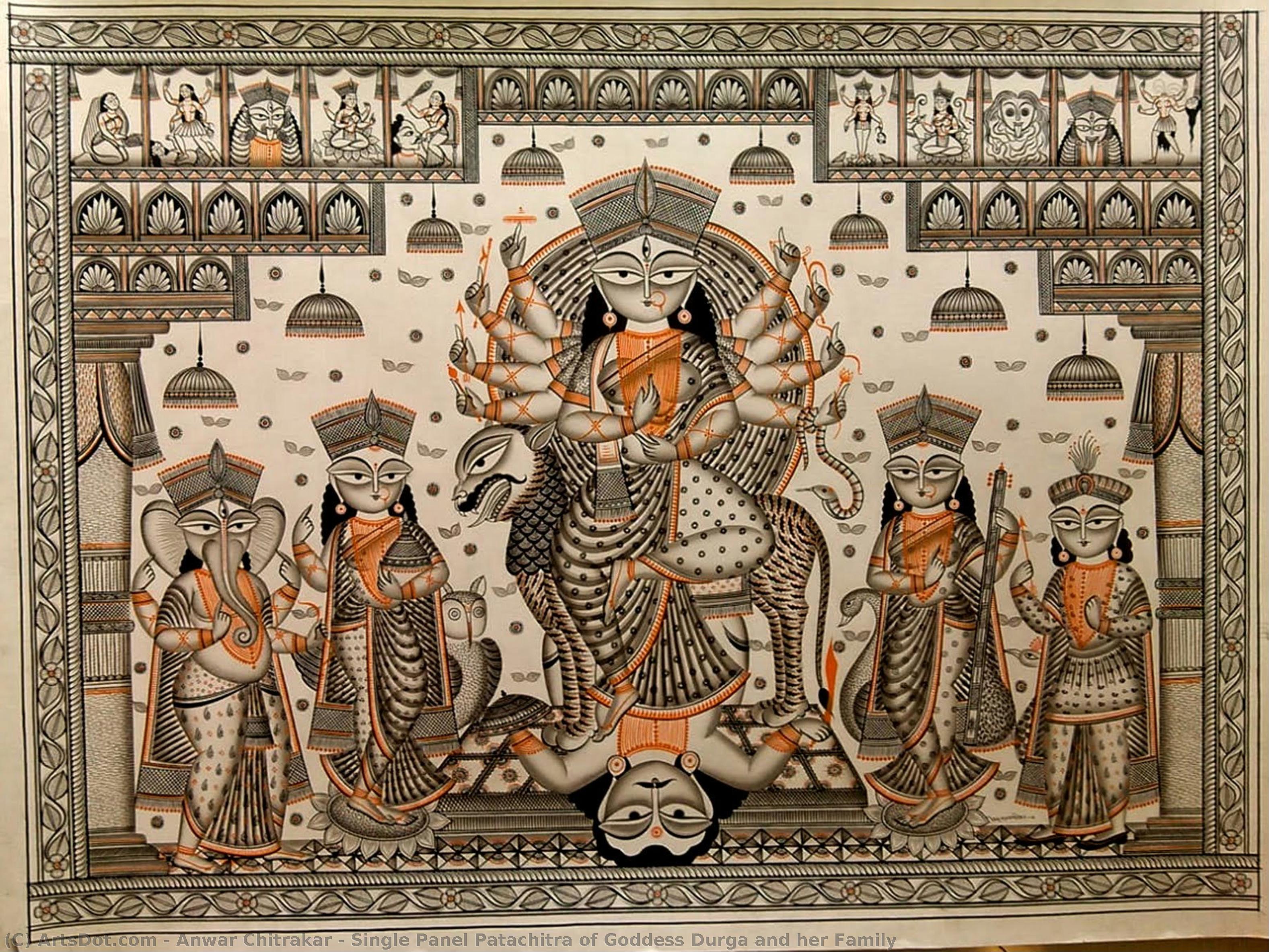
女神ドラグーと彼女の家族のパタチトラ絵画


 詳細を見る
詳細を見る




P118B $10

P118H $10

P118W $10

P438Z $10

P508JH $12

P508YH $12

P805H $10

P805Z $10

P919BZ $10

P919G $10

P919XJ $10

P959ZH $10

P968JZ $12

W106C $8

W218G $10

W218JH $8

W218Y $10

W307PJ $10

W316G $10

W316PJ $8

W316Y $10

W398PJ $8

W4111J $10

W500HY $15

W500JH $15

W692G $12

W849H $8

W940BG $15

W953PJ $8




作品のオリジナル比率に合わせた、当店の規定サイズからお選びください。

特定のフレームやスペースに合わせて、ご希望のサイズをご入力いただけます。選択されたサイズが元の画像の比率と異なる場合、アートワークをトリミングするか、手描きで要素を追加して絵画を拡張いたします。デジタルモックアップ を制作し、制作開始前にご確認(承認)をいただきます。
画面上のプレビューは、実際のトリミングや拡張を正確に反映しているものではありません。最終的な構図は、モックアップによってのみ正確にご確認いただけます。
カスタムサイズもご利用いただけますが、元の比率を維持するためには、あらかじめ用意されたリストからサイズを選択することをお勧めいたします。
ご注文後、ArtsDot.com チームより詳細な指示をお送りするとともに、仕上がりイメージ(モックアップ)をご提供いたします。


 ガラスオプションは、110cm未満のサイズでのみご利用いただけます。

女神ドラグーと彼女の家族のパタチトラ絵画
複製技法
複製画のサイズ
-


合計金額
$ 263
安瓦アートの魅力: Durga女神と家族のパタチトラ作品について
西ベンガル地方で受け継がれてきた伝統的なパタチトラ絵画技法とカリハット絵画スタイルに影響を受けた現代インド美術家、アンワル・チトラカーの作品は、その鮮やかな色彩と繊細な表現力において特別な魅力を持っています。この作品「 Durga女神と家族のパタチトラ」は、ヒンドゥー教における女神Durgaと彼女の子孫たちの物語を語り継ぐ伝統的な芸術形式であり、その美しさと精神性は多くの人々を感動させます。作品の詳細と技法
このパタチトラ絵画は、高さ約60cmの縦長のスクロールに描かれ、天然顔料を用いて繊細な筆致で色彩豊かな表現がされています。特に注目すべきは、Durga女神が馬に乗った姿で中央に配置され、周囲には彼女を崇敬する人々や、様々な神々と関連する人物たちが描かれています。この絵画における大胆な線と鮮やかな色彩は、パタチトラの伝統的な技法を反映しており、特にKali寺周辺で発展したカリハット絵画スタイルの影響を受けています。このスタイルの特徴は、簡潔な形状と力強い線を使用し、神話や伝説を効果的に表現することです。歴史的背景と象徴性
パタチトラ絵画は、インドの伝統的な宗教美術の一種であり、特に Durga女神はヒンドゥー教における母なる慈愛と力を象徴する重要な存在です。この作品に描かれた Lakshmi女神、 Saraswati女神、 Kartik神、 Ganesh神はそれぞれDurga女神の配偶者や息子であり、彼らの馬に乗った姿は、Durga女神の権威と保護を表しています。パタチトラ絵画におけるこれらのモチーフは、古代インドの宗教思想や文化に根ざしており、 Durga女神と彼女の子孫たちの物語を通じて、人間の精神的な成長と幸福を願うメッセージが込められています。インテリアデザインへの応用と感動的な効果
この「 Durga女神と家族のパタチトラ」作品は、その美しい色彩と繊細な表現力により、リビングや玄関などの空間に飾ることで、見る人に安らぎと希望を与えることができます。特に Durga女神の慈愛と力を象徴するモチーフは、家庭的な雰囲気を豊かにし、心の奥底にある感動を呼び起こします。この作品のような伝統的な芸術形式の高品質な複製は、現代のインテリアデザインにおいて新たなインスピレーションを提供し、美しい空間を作り出すための魅力的な選択肢となるでしょう。関連作品


アーティストの略歴
The Living Lineage of Anwar Chitrakar
In the vibrant heart of West Bengal, where the air is thick with the scent of ancient stories and the rhythmic pulse of tradition, the art of Anwar Chitrakar breathes life into the past. Born in 1980 in the village of Naya, within the Pingla region, Chitrakar is far more than a contemporary painter; he is a custodian of a fading visual language. His journey began not in an academic studio, but under the watchful and guiding eyes of his father, the celebrated Amar Chitrakar. This early immersion into the world of Pattachitra—the traditional scroll painting of Bengal—provided him with a foundation rooted in the very soil of his heritage. As a member of the Patua community, an itinerant group of storytellers who use art to communicate through song and pigment, Chitrakar carries a lineage that transforms simple canvas into a stage for the divine and the mundane alike.
The essence of Chitrakar’s mastery lies in his seamless command over the Kalighat style, a tradition that emerged from the bustling environs of Kolkata's Kali temple. This technique demands a sophisticated reduction of detail, favoring bold, sweeping outlines and a symbolic economy of form that captures the soul of a subject rather than its mere physical likeness. While many artists struggle to bridge the gap between antiquity and modernity, Chitrakar thrives in this intersection. He possesses a unique ability to take the 19th-century aesthetic—characterized by its expressive color palettes and fluid strokes—and infuse it with a contemporary vitality. His work often utilizes natural pigments like turmeric and marigold, yet he is not afraid to experiment with modern mediums such as Italian paper or canvas, ensuring that the ancient pulse of Pattachitra beats strongly in a modern context.
Narrative Vision and Social Resonance
To gaze upon a Chitrakar painting is to enter a world where mythology and reality are inextricably entwined. His canvases serve as windows into the Hindu pantheon, featuring the fierce grace of Goddess Durga and the legendary tales of Krishna and Rama. Yet, his vision extends far beyond the celestial. One of the most profound aspects of his artistry is his commitment to social commentary. Drawing inspiration from the conversations he encounters while walking through village life, Chitrakar weaves contemporary struggles into his traditional framework. He addresses pressing global and local issues with a subtle, often satirical touch, exploring themes such as:
- Environmental degradation and the changing landscape of rural India.
- The complexities of social identity, including narratives surrounding transgender lives and surrogate motherhood.
- The intimate human condition, capturing the tender bonds of maternal love and the nuances of everyday village interactions.
- The intersection of faith and folklore, where religious iconography meets the lived experience of the community.
This duality—the ability to depict a deity with the same reverence and stylistic precision as a social critique—is what elevates his work from mere folk art to significant contemporary fine art. He does not merely replicate the past; he uses it as a lens to examine the present.
A Legacy of Global Recognition
The impact of Anwar Chitrakar’s work has resonated far beyond the borders of West Bengal, earning him a place on the international stage. His career is marked by a series of prestigious milestones that validate his role as a modern master of the Patua tradition. His ability to translate local Bengali narratives into a universal visual language has led to his works being featured in esteemed collections, most notably at the Victoria & Albert Museum in London and within the vibrant halls of the Mumbai International Airport. These placements signify that his art is not just a regional treasure, but a vital contribution to the global contemporary art dialogue.
Throughout his decades-long practice, Chitrakar has participated in significant international exhibitions, including the Berlin Festival and the Namaste India Festival in Japan. His accolades, such as receiving honors from the Rabindra Bharati University and winning a National Award in 2006, underscore his technical excellence and his importance to the preservation of Indian heritage. By signing his works—a rare practice among traditional Patua artists—he asserts his individual identity as an artist within a collective tradition, marking a definitive moment in the evolution of Kalighat painting. Through his hands, the ancient scrolls of the Patuas continue to unfurl, telling stories that are as much about our shared future as they are about our storied past.
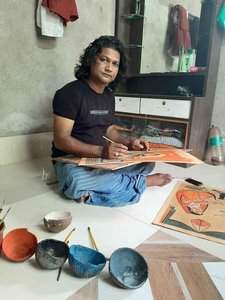
Anwar Chitrakar
1980 - , India
基本情報
- Artistic Movement Or Style: Pattachitra & Kalighat Painting
- Artists Who Influenced This Artist: ['Amar Chitrakar']
- Date Of Birth: 1980
- Full Name: Anwar Chitrakar
- Nationality: Indian
- Notable Artworks:
- Single Panel Patachitra of Goddess Durga and Worshippers
- Painting of Kamale Kamini
- Place Of Birth: Naya, India
関連記事
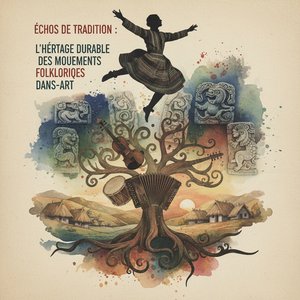
Echoes of Tradition: Exploring the Enduring Legacy of Folk Art Movements
Explore the rich history of folk art movements worldwide! Discover definitions, notable artists, and the enduring legacy of this captivating tradition. Expert insights & high-quality reproductions at ArtsDot.
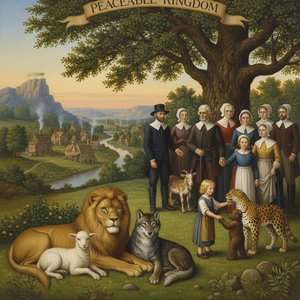
Edward Hicks’ ‘Peaceable Kingdom’: American Folk Art & the Shaping of a National Identity
Explore the profound symbolism & historical context of Edward Hicks’ ‘Peaceable Kingdom.’ Discover how this iconic American folk art masterpiece reflects Quaker values and shaped a nation's identity. Learn more at ArtsDot.
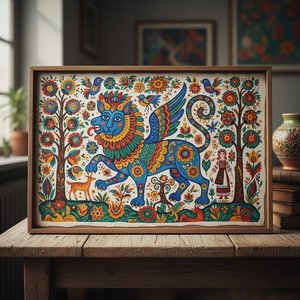
Maria Primachenko: A Legacy of Ukrainian Folk Art & Naive Expression
Discover the captivating world of Maria Primachenko, Ukraine's celebrated naive artist. Explore her vibrant paintings, unique style, and enduring legacy with ArtsDot – your source for authentic art insights & reproductions.
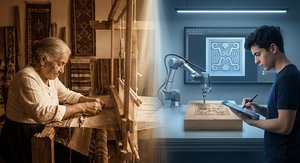
Echoes of Heritage: Continuity & Innovation in Traditional Art Forms
Explore the rich history of cultural heritage & folk art traditions worldwide! Discover inspiring artists, preservation efforts, and museum collections. Find handmade oil paintings & expert insights at ArtsDot.
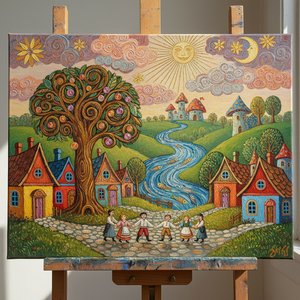
The Unconventional Vision: Exploring the Characteristics, History & Enduring Appeal of Naïve Art
Explore the captivating world of naïve art! Discover its history, characteristics, key artists & collecting tips from ArtsDot's experts. Find your perfect piece today.