

 プレビュー
プレビュー
 シェアする
シェアする シェアする
シェアする
 詳細を見る
詳細を見る

 ダウンロード
 似ている作品
 X線調査
X線調査 スライドショー
 Stats
StatsGentle Friend


 詳細を見る
詳細を見る
オンラインプレビューをはるかに凌ぐ、高解像度で鮮明なデジタル画像をご購入いただけます。
各ファイルは、社内の専門家が高度なツールと熟練した手作業によるレタッチを用いて、細心の注意を払って準備されています。すべての画像において、卓越した鮮明度、正確な色彩再現性、そして繊細なディテールを保証いたします。
最終ファイルは、プロフェッショナルな編集・印刷環境ですぐにご利用いただけるよう最適化された状態で、72時間以内にメールにてお届けいたします。これは、一流のデザインスタジオ、出版社、ギャラリーから信頼されているものと同等の品質です。
デジタルアート
個人での鑑賞、印刷、クリエイティブなプロジェクト用に、高解像度ファイルをダウンロードできます。 ( Switch to Print 手描きの絵画を購入)
デジタル画像のご注文に付随する特典
高品質なデジタル画像配信を、確かな品質で。
ArtsDot.com を選ぶことは、単に画像を手に入れることではありません。それは、プロの手によって精密に仕上げられ、満足保証が付いた高品質なデジタルアートワークを受け取ることを意味します。ご注文いただいた際に自動的に付随する内容は、以下の通りです:

メールですぐにお届け
ご注文から72時間以内に、高解像度のデジタル画像ファイルがメールでお手元に届きます。すぐにそのままご利用いただけます。

AI技術で最適化されたデジタルファイル
お客様の作品は、高度なAIツールと専門家による手作業の編集を組み合わせてプロフェッショナルに最適化されており、細部のディテール、鮮明さ、そして正確な色再現性を最大限に引き出しています。

一生涯無料の再送サービス
ファイルを誤って削除したり、紛失してしまったりしましたか?ご安心ください。いつでも無料で再送いたします。

輸入手数料は一切かかりません
関税や手数料、配送料を気にすることなく、お気に入りのアートワークをすぐにお楽しみいただけます。デジタルダウンロードは常に免税です。

色彩再現の保証
プロ仕様のツールとカラーマネジメント技術を用いることで、デジタル画像が元の色を最大限に忠実に再現することを保証いたします。

100日間満足保証
ご購入いただいたデジタル画像にご満足いただけない場合は、100日以内であれば、理由を問わず修正または100%の返金対応をさせていただきます。

100% 返金保証
ご満足いただけない場合は、デジタルファイルを受け取ってから100日以内であれば、理由を問わず全額返金いたします。

まとめ買い割引
3枚購入で10%OFF - 5枚購入で15%OFF - 10枚以上購入で20%OFF。クリエイティブなプロジェクト、ギャラリー、エージェンシーに最適です。
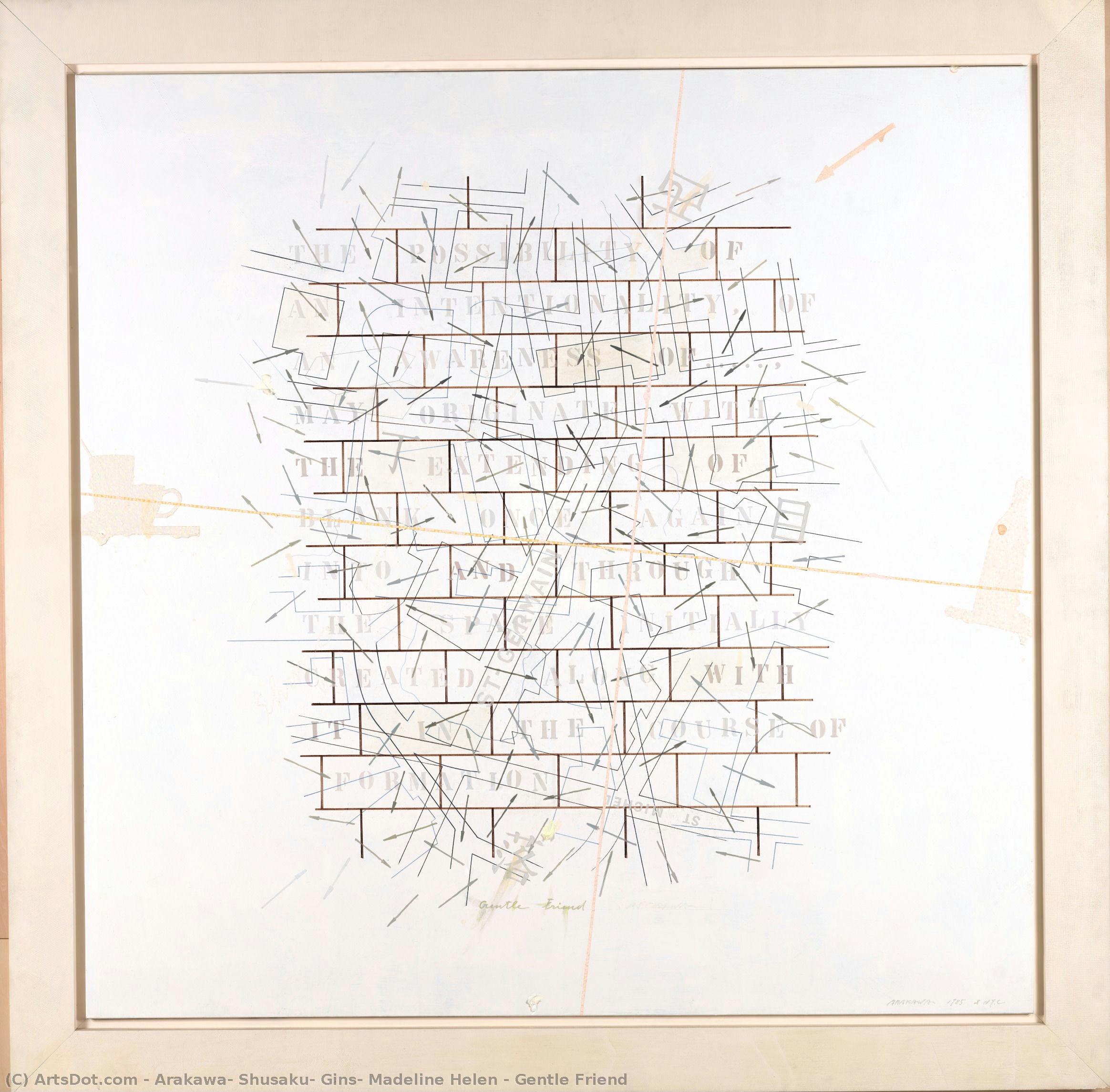
Gentle Friend - A Dialogue Between Perception and Architecture
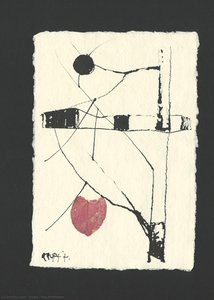
Born in Nagoya in 1936, Shusaku Arakawa was a leading contemporary artist in Japan. While participating in avant-garde movement Neo Dada Organizers in Tokyo in 1960, Arakawa released three-dimensional works in the shape of coffin. He emigrated to New York by himself in 1961 and met his life time partner Madeline Gins. Arakawa received attention through the Diagrammatic Paintings series, where words and signs were placed on the three-dimensional flat paintings, and earned an international reputation though the Mechanism of Meaning in the 1970s. In the 1990s, he embarked on architectural works with Gins as a test for Reversible Destiny, a concept experiment to reverse humans’ destiny of death, and completed Site of Reversible Destiny - Yoro in Gifu in 1995 and the Reversible Destiny Lofts - Mitaka in Tokyo in 2005. The title Gentle Friend refers to Shuzo Takiguchi, the poet and art critic who encouraged Arakawa to visit the United States and introduced Marcel Duchamp in New York. Viewers find complicated diagram and objects that look like alphabet and kanji characters under the black lines of rectangles. Arakawa drew the map showing locations where he and Takiguchi acted together on the painting.- Subject Matter & Conceptual Framework: “Gentle Friend” isn’t merely a visual composition; it's an exploration of fundamental questions concerning human perception and the potential for altering our understanding of existence. Inspired by Leonardo da Vinci’s scientific investigations, Arakawa and Gins sought to challenge conventional artistic representations, prioritizing conceptual depth over literal depiction.
- Style & Influences: The artwork embodies the spirit of Neo Dada and Diagrammatic Painting movements—a deliberate rejection of traditional aesthetics in favor of experimental forms. Its influence extends beyond visual art, drawing parallels with architectural endeavors aimed at reshaping human consciousness – a direct response to Gins’s fascination with Reversible Destiny.
- Technique & Material Considerations: Crafted primarily using acrylic paint on canvas, “Gentle Friend” showcases meticulous line drawing—a technique that emphasizes precision and contributes to the artwork's distinctive visual texture. The subtle incorporation of orange and light brown hues adds warmth and depth to the predominantly white background.
- Composition & Visual Elements: Dominating the canvas is a complex network of black lines arranged in irregular shapes, creating a sense of density and disrupting any semblance of geometric order. These lines intersect to form rectangular forms that subtly suggest fragmented text or symbols—a deliberate nod to linguistic exploration.
- Symbolic Resonance & Emotional Impact: The interwoven lines can be interpreted as representing a map charting the collaborative journey of Arakawa and Takiguchi, symbolizing interconnected ideas and fostering contemplation. Ultimately, “Gentle Friend” invites viewers to consider the profound implications of confronting mortality and reimagining our relationship with time.
Historical Context & Artistic Dialogue
The artwork’s genesis lies in a pivotal moment—Arakawa's invitation to Gins to explore New York and encounter Duchamp. This transatlantic exchange fueled their artistic vision, propelling them toward groundbreaking explorations of architectural design and conceptual art. The collaboration solidified Arakawa and Gins’s commitment to questioning established paradigms and pushing the boundaries of artistic expression.Detailed Analysis: Line Drawing & Spatial Illusion
The artwork's core is its masterful line drawing technique—a deliberate choice that prioritizes visual precision. The thin, continuous lines vary in direction, generating a dynamic effect that subtly disrupts spatial perception. These lines contribute to the overall illusion of depth, creating an immersive experience for the observer.Color Palette & Texture: Subtle Hints of Warmth
Despite its minimalist aesthetic, “Gentle Friend” benefits from carefully considered color choices—primarily white complemented by muted shades of orange and light brown. These hues introduce warmth into the composition, enhancing visual harmony and inviting contemplation.
作家の略歴
Shusaku Arakawa & Madeline Gins: A Collaborative Journey
Early Life and Background
- Shusaku Arakawa was born on July 6, 1936, in New York City. He initially pursued a career in medicine before turning to art.
- Madeline Gins (born Madeline Helen Gins) was an American poet, writer, and artist. Her diverse background significantly influenced her collaborative work with Arakawa.
Artistic Collaboration & Development
- Arakawa and Gins began their artistic collaboration in the 1960s, forging a unique partnership that spanned painting, sculpture, architecture, and performance art.
- Their early work challenged conventional notions of perception and representation, often incorporating linguistic puzzles and philosophical inquiries.
- They moved beyond traditional mediums to explore interactive environments and architectural designs intended to alter human consciousness.
Key Influences
- The pair drew inspiration from a wide range of sources including Leonardo da Vinci’s scientific investigations, Albert Einstein’s theories of relativity, and the philosophical writings of Ludwig Wittgenstein.
- They were also influenced by early 20th-century avant-garde movements like Dada and Surrealism, particularly their rejection of traditional artistic norms.
- The exploration of perception was a constant thread throughout their work, informed by studies in neuroscience and psychology.
Major Works & Artistic Style
- Notable works include the “Another Cemetery” series, which explores themes of mortality and memory through abstract imagery.
- “The Machanism of Meaning No. 2 Splitting of Meaning” exemplifies their interest in linguistic deconstruction and visual ambiguity.
- Their architectural projects, such as the “Reversible Destiny Lofts,” are designed to disrupt habitual patterns of movement and perception.
- Arakawa and Gins’ style is characterized by its conceptual rigor, intellectual depth, and willingness to challenge artistic boundaries.
The Reversible Destiny Foundation & Architectural Research
- In the 1990s, Arakawa and Gins founded the Reversible Destiny Foundation and the Architectural Body Research Foundation.
- These organizations facilitated interdisciplinary research involving biologists, neuroscientists, physicists, and medical professionals.
- Their goal was to investigate the relationship between the body, environment, and consciousness, leading to innovative architectural designs aimed at prolonging life and enhancing sensory experience.
Historical Significance & Legacy
- Arakawa and Gins’ work represents a significant contribution to conceptual art and experimental architecture.
- They challenged conventional notions of artistic authorship, creating a truly collaborative practice that blurred the boundaries between disciplines.
- Their exploration of perception, mortality, and the human condition continues to resonate with artists, architects, and thinkers today.
- Their legacy lies in their commitment to pushing the limits of art and using it as a tool for philosophical inquiry and social transformation.
Death & Remembrance
- Shusaku Arakawa passed away on May 19, 2010. Madeline Gins continued their collaborative projects until her own passing in 2014.
- Their work remains influential and is exhibited in galleries and museums worldwide.
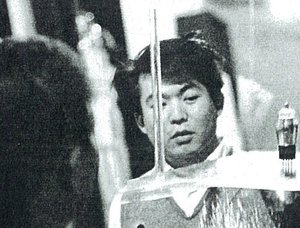
arakawa, shusaku; gins, madeline helen
1936 - 2010 , United States of America
プロフィール概要
- Birth Date: July 6, 1936 (Arakawa)
- Birth Place: New York, United States of America
- Death Date: May 19, 2010 (Arakawa)
- Influenced By: Leonardo da Vinci, Albert Einstein, Ludwig Wittgenstein
- Movement: Conceptual Art, Neo-Dada, Reversible Destiny
- Name: Shusaku Arakawa & Madeline Gins
- Nationality: American/Japanese
- Notable Works: Another Cemetery (Series), The Machanism of Meaning No.2 Splitting of Meaning, Gentle Friend