

 プレビュー
プレビュー
 プリントを購入
 シェアする
シェアする シェアする
シェアする
 詳細を見る
詳細を見る

 ダウンロード
 似ている作品
 X線調査
X線調査 スライドショー
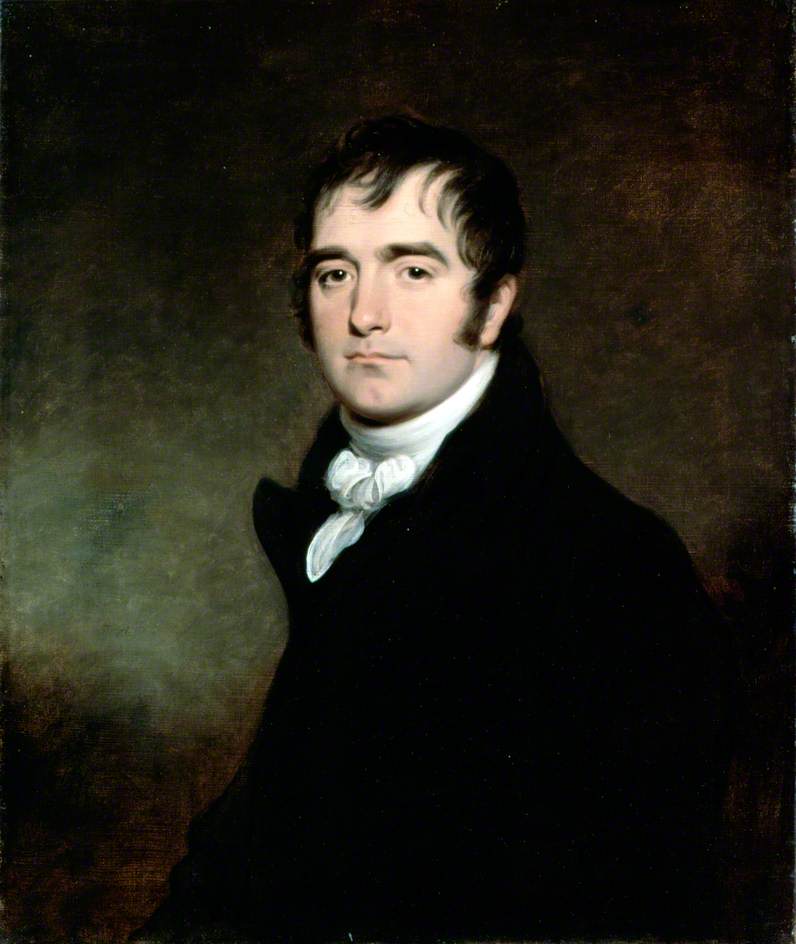
The Reverend Ozias Thurston Linley (1761–1831)
 1810
1810 77.0 x 64.0 cm
 詳細を見る
詳細を見る




































作品のオリジナル比率に合わせた、当店の規定サイズからお選びください。

特定のフレームやスペースに合わせて、ご希望のサイズをご入力いただけます。選択されたサイズが元の画像の比率と異なる場合、アートワークをトリミングするか、手描きで要素を追加して絵画を拡張いたします。デジタルモックアップ を制作し、制作開始前にご確認(承認)をいただきます。
画面上のプレビューは、実際のトリミングや拡張を正確に反映しているものではありません。最終的な構図は、モックアップによってのみ正確にご確認いただけます。
カスタムサイズもご利用いただけますが、元の比率を維持するためには、あらかじめ用意されたリストからサイズを選択することをお勧めいたします。
ご注文後、ArtsDot.com チームより詳細な指示をお送りするとともに、仕上がりイメージ(モックアップ)をご提供いたします。


 ガラスオプションは、110cm未満のサイズでのみご利用いただけます。

The Reverend Ozias Thurston Linley (1761–1831)
複製技法
複製画のサイズ
-


合計金額
$ 263
関連作品








アーティストの略歴
The Elegance of the Regency Brush: The Life of Archer James Oliver
In the vibrant, shifting landscape of the British Regency era, few artists captured the quiet dignity and social nuance of the age as effectively as Archer James Oliver. Born in 1774 to John and Anna Maria Oliver, his journey into the heart of the London art scene was paved by a natural, inherited inclination toward the visual arts. His early years were marked by a rigorous immersion in the classical traditions of the time, beginning with his studies at the Royal Academy in 1790. It was within these hallowed halls that Oliver honed a technical precision that would become his hallmark, learning to navigate the complex interplay of light and shadow that defines the era's most celebrated portraiture.
Oliver’s career was defined by an extraordinary period of productivity and presence within the British art establishment. Between 1791 and 1841, he exhibited a staggering 210 paintings at the Royal Academy, alongside 62 works at the British Institution. This prolific output was not merely a feat of stamina but a testament to his ability to meet the diverse demands of his patrons. While he first rose to prominence as a master of the human likeness, his artistic evolution saw him expand into the intimate and the symbolic, exploring the tactile beauty of still lifes featuring fruit, nuts, and meticulously rendered dead game, as well as profound biblical scenes that allowed for deeper spiritual expression.
A Master of Character and Detail
The true magic of Oliver’s work lies in his ability to transcend simple representation, moving beyond mere physical accuracy to capture the psychological essence of his subjects. His portraits were celebrated for their meticul and realistic approach, yet they possessed a subtle warmth that breathed life into the canvas. He became a preferred chronicler for the influential figures of his day, translating the prestige of the British elite into enduring visual legacies. His subjects formed a tapestry of Regency society, including:
- George Children, the prominent banker whose portrait stands as a testament to Oliver's skill in capturing social stature.
- Sir Berkeley Guise, a political figure whose likeness benefited from Oliver’s ability to convey authority and character.
- Charles Morris, the celebrated songwriter, whose work allowed Oliver to explore more lyrical and emotive qualities.
- Vicesimus Knox, the influential minister, providing an opportunity for the artist to engage with themes of intellect and piety.
Beyond the individual portrait, Oliver demonstrated a remarkable capacity for large-scale, imaginative design. One of his most enchanting achievements was his collaboration on designs for the stained glass windows at Arundel Castle. In these works, he depicted members of the Howard family in medieval costumes, a project that required him to blend historical romanticism with technical architectural considerations. This endeavor showcased an artist capable of moving seamlessly between the intimate scale of a handheld engraving and the grand, luminous requirements of ecclesiastical art.
Legacy and Artistic Significance
As his career progressed toward its conclusion in 1842, Archer James Oliver’s influence continued to ripple through the art world via the medium of engraving. By allowing his portraits to be reproduced, he ensured that his vision was not confined to the private galleries of the wealthy but could reach a much broader public audience. This dissemination of his work helped solidify his reputation as a cornerstone of British portraiture during a period of immense social change.
Ultimately, Oliver’s significance resides in his versatility and his devotion to the truth of his subject. Whether he was rendering the delicate texture of a piece of fruit or the commanding gaze of a statesman, he approached every canvas with a singular commitment to elegance and detail. He remains a vital figure for understanding the aesthetic sensibilities of the late 18th and early 19th centuries, representing a bridge between the formal traditions of the past and the burgeoning realism of the Victorian age.
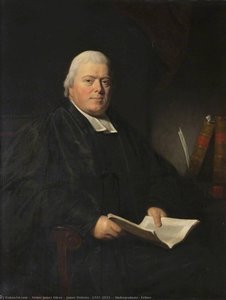
archer james oliver
1774 - 1842
基本情報
- Artistic Movement Or Style: Romanticism
- Artists Or Movements Influenced By This Artist: ['Romantic Painting']
- Artists Who Influenced This Artist: ['James Webster']
- Date Of Birth: 1774
- Date Of Death: 1842
- Full Name: Archer James Oliver
- Nationality: British
- Notable Artworks:
- George Children Portrait
- Sir Berkeley Guise Portrait
- Charles Morris Portrait
- Place Of Birth: Whitechapel, England

