

 プレビュー
プレビュー
 シェアする
シェアする シェアする
シェアする
 詳細を見る
詳細を見る

 ダウンロード
 似ている作品
 X線調査
X線調査 スライドショー
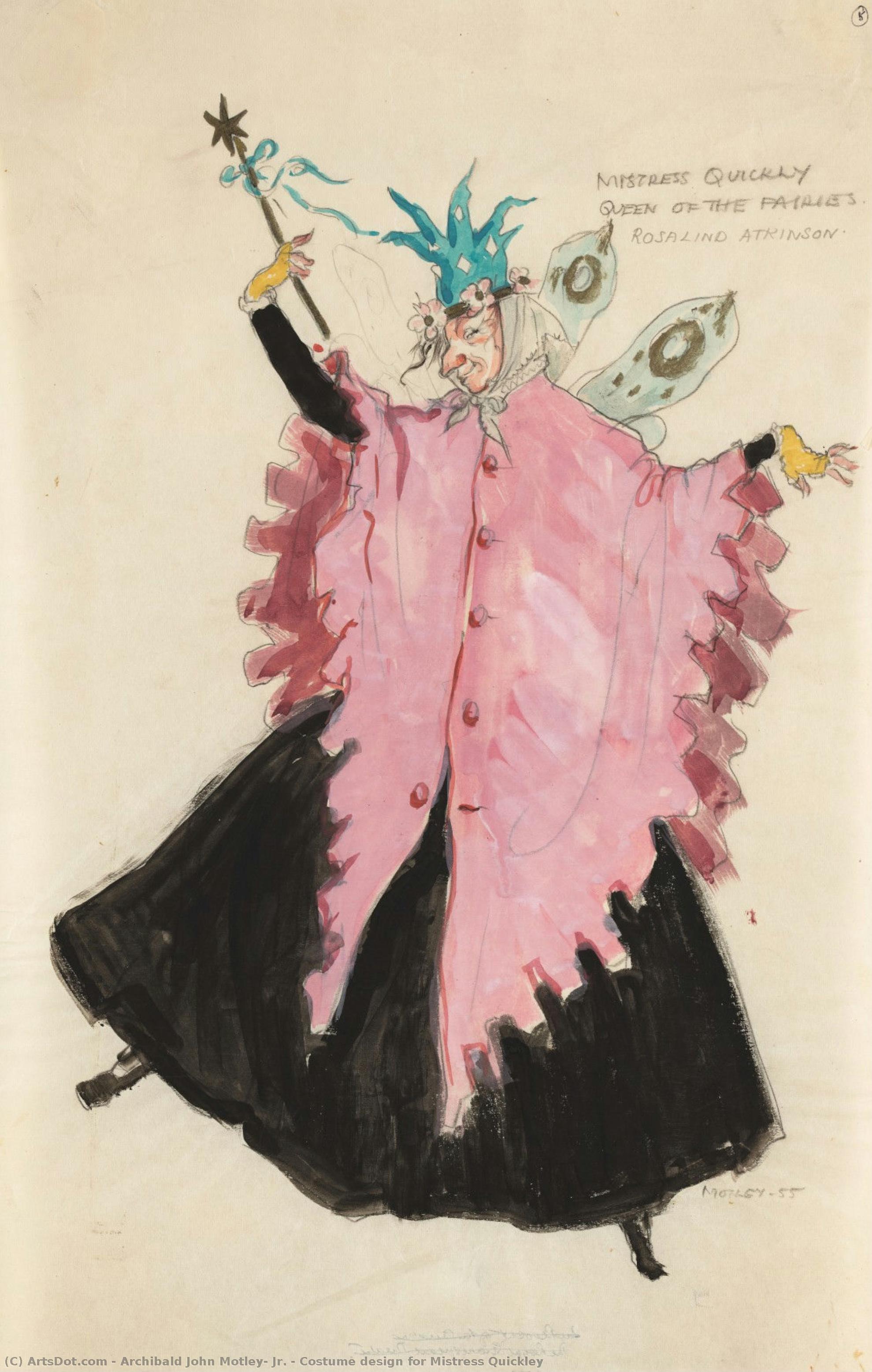
Costume design for Mistress Quickley
 Acrylic On Canvas
- WallArt
- Harlem Renaissance
 1955
1955 32.0 x 45.0 cm
 ロイヤル・シェイクスピア・カンパニー
 詳細を見る
詳細を見る
ジークレー/アートプリント
迅速な制作と多彩な仕上げオプションを備えた、ミュージアムクオリティのジークレーまたはキャンバスプリント。 ( 手描きの絵画を購入 画像を購入)




P118B $10

P118H $10

P118W $10

P438Z $10

P508JH $12

P508YH $12

P805H $10

P805Z $10

P919BZ $10

P919G $10

P919XJ $10

P959ZH $10

P968JZ $12

W106C $8

W218G $10

W218JH $8

W218Y $10

W307PJ $10

W316G $10

W316PJ $8

W316Y $10

W398PJ $8

W4111J $10

W500HY $15

W500JH $15

W692G $12

W849H $8

W940BG $15

W953PJ $8




作品のオリジナル比率に合わせた、当店の規定サイズからお選びください。

特定のフレームやスペースに合わせて、ご自身でサイズを指定することも可能です。選択されたサイズが元の画像の比率と一致しない場合、作品をトリミングするか、鏡面反射または単色での塗りつぶしによって画像を拡張いたします。制作を開始する前に、ご確認用のデジタルモックアップをお送りいたします。
画面上のプレビューには、実際のトリミングや拡張は反映されませんのでご注意ください。最終的な構図を正確に確認できるのは、モックアップのみとなります。
カスタムサイズも承っておりますが、元の比率を維持するためには、あらかじめ用意されたリストからサイズを選択することをお勧めいたします。


 ガラスオプションは、110cm未満のサイズでのみご利用いただけます。

Costume design for Mistress Quickley
ジークレー/アートプリント
複製画のサイズ
-


合計金額
$ 62
A Vibrant Tapestry of Chicago Life: Archibald Motley Jr.’s “Costume Design for Mistress Quickley”
Archibald John Motley Jr.’s “Costume Design for Mistress Quickley,” painted in 1955, isn’t merely a depiction of a theatrical costume; it's a window into the heart and soul of Chicago during the mid-20th century. This captivating watercolor captures a fleeting moment within the city’s vibrant Black community—a scene brimming with energy, social grace, and a subtle undercurrent of untold stories. Motley, a pivotal figure in the Harlem Renaissance’s influence on American art, masterfully translated the rhythms of urban life onto canvas, imbuing his work with an unparalleled sense of immediacy and cultural richness.
The painting centers around a woman radiating confidence and style, adorned in a flamboyant pink costume accented by a sweeping cape. Her pose is dynamic, suggesting movement and theatricality—a clear reference to Shakespeare’s “A Midsummer Night’s Dream,” though Motley’s interpretation transcends simple adaptation. She holds a wand, not as a symbol of magic, but perhaps as an emblem of influence or command within this social setting. The details are meticulously rendered: the intricate folds of her costume, the gleam of jewelry, and the carefully observed expressions on the faces surrounding her. Motley's skill lies in his ability to capture not just appearances, but the very essence of a scene—the unspoken conversations, the shared glances, and the palpable atmosphere.
The Artist’s Vision: Motley’s Chicago Renaissance
Motley’s artistic journey was deeply intertwined with the social and cultural landscape of Chicago. Born in New Orleans and raised amidst the burgeoning Black community of the city's South Side, he witnessed firsthand the complexities of race relations, economic disparities, and the resilience of African American culture. His art became a powerful tool for documenting this reality—a celebration of Black life while simultaneously confronting issues of prejudice and inequality. He deliberately chose to depict scenes from everyday urban existence, focusing on subjects often overlooked by mainstream artists: Black families, musicians, dancers, and social gatherings.
His work is firmly rooted in the Chicago Black Renaissance, a period of artistic flourishing that emerged in the 1920s and 30s. Influenced by figures like W.E.B. Du Bois and Alain Locke, Motley sought to create art that was both aesthetically compelling and socially conscious—a means of affirming racial pride and challenging prevailing stereotypes. He employed a distinctive style characterized by bold colors, dynamic compositions, and an expressive use of line, creating works that pulsate with energy and vitality.
Technique and Style: A Masterclass in Color and Form
“Costume Design for Mistress Quickley” exemplifies Motley’s signature approach to watercolor painting. He utilized a loose, gestural brushstroke, layering colors to create rich textures and luminous effects. The pink of the costume dominates the composition, immediately drawing the eye while simultaneously creating a sense of warmth and vibrancy. Motley's masterful use of light and shadow adds depth and dimension to the scene, highlighting key figures and creating a dramatic atmosphere. Notice how he employs contrasting values—the bright pink against the darker background—to emphasize the subject’s presence and draw attention to her captivating attire.
The composition itself is carefully constructed, with multiple figures arranged in a dynamic diagonal that leads the viewer's eye through the scene. Motley’s use of perspective is somewhat flattened, typical of his style, which prioritizes capturing the essence of a moment over strict adherence to realistic representation. This stylistic choice contributes to the painting’s overall sense of immediacy and spontaneity.
Symbolism and Emotional Resonance
Beyond its surface depiction of a theatrical costume, “Costume Design for Mistress Quickley” is rich in symbolic meaning. The woman's confident posture and elaborate attire suggest power, grace, and social standing—a testament to her presence within this community. The wand she holds could represent agency, influence, or perhaps even the transformative potential of performance. The surrounding figures, though less defined, contribute to the painting’s overall sense of bustling activity and communal spirit.
Ultimately, Motley's work invites us to contemplate the complexities of identity, culture, and social dynamics within a specific historical context. “Costume Design for Mistress Quickley” is not just a beautiful painting; it’s a poignant reminder of Chicago’s rich cultural heritage and a testament to the enduring power of art to capture the human experience.
関連作品

アーティストの略歴
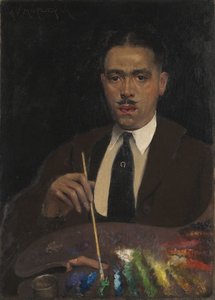
Archibald John Motley Jr.: A Life in Color
Early Life and Education
- Born October 7, 1891, in New Orleans, Louisiana, Archibald John Motley Jr. was a pivotal figure in American art.
- His family relocated to Chicago in 1894, where his father worked as a Pullman car porter. This move profoundly shaped Motley’s life and artistic perspective.
- Motley attended the School of the Art Institute of Chicago during the 1910s, graduating in 1918. He received classical training but soon developed a unique modernist style.
- Early experiences, including accompanying his father on railroad journeys and witnessing racial prejudice firsthand, deeply influenced his artistic vision.
Artistic Development and Influences
- Motley’s work was significantly impacted by the New Negro Movement, a cultural flowering of African American art and intellectual thought.
- He drew inspiration from artists like W.E.B. Du Bois and Alain Locke, who championed Black representation in the arts.
- His style evolved from academic realism to a vibrant, modernist approach characterized by bold colors and dynamic compositions.
- Motley’s exploration of skin tone and his nuanced portrayal of African American life set him apart from many contemporaries.
Themes and Style
- Motley is renowned for his colorful chronicling of the African American experience in Chicago during the 1920s and 1930s.
- His paintings often depicted jazz culture, social gatherings, and everyday life within the Black community.
- He explored themes of race, identity, class, and cultural pride with both sensitivity and critical insight.
- Motley’s use of color was deliberate and expressive, reflecting the vibrancy and complexity of his subjects.
Major Achievements and Recognition
- He gained recognition early in his career, participating in exhibitions at the Art Institute of Chicago and receiving a Guggenheim Fellowship in 1926.
- His solo exhibition at the New Gallery in New York City in 1928 was a significant milestone for an African American artist during that era.
- Motley received the Harmon Foundation gold medal in fine arts in 1928 for his painting The Octoroon Girl.
- He continued to exhibit and create art throughout his life, leaving behind a rich legacy of paintings and drawings.
Historical Significance
- Archibald Motley Jr. is considered one of the major contributors to both the Harlem Renaissance and the Chicago Black Renaissance.
- His work challenged prevailing stereotypes and offered a positive, multifaceted portrayal of African American life.
- He paved the way for future generations of Black artists and helped to broaden the scope of American art history.
- Motley’s paintings provide valuable insights into the social, cultural, and political landscape of the early 20th century.
- Died January 16, 1981, in Chicago, Illinois, leaving behind a lasting impact on the world of art.
archibald john motley jr.
1891 - 1981 , United States of America
基本情報
- Birth Date: October 7, 1891
- Birth Place: New Orleans, Louisiana, U.S.
- Death Date: January 16, 1981
- Influenced By:
- W.E.B. Du Bois
- Alain Locke
- Movement:
- Harlem Renaissance
- Chicago Black Renaissance
- Modernism
- Name: Archibald John Motley Jr.
- Nationality: American
- Notable Works:
- Hot Rhythm
- Cocktails
- Portrait of My Grandmother
関連記事

Watercolor Wonders: 10 Masterpieces That Redefined Art History | ArtsDot
Journey through 10 legendary watercolor masterpieces by Sargent, Turner & Homer! Explore iconic landscapes, portraits & floral art that redefined history. Find museum-quality reproductions and curated decor ideas at ArtsDot.com.

Ephemeral Visions: Exploring the Artistic Legacy & Contemporary Practice of Watercolor Painting
Explore the captivating world of watercolor painting! Discover its rich history, essential techniques, influential artists & collecting tips. A comprehensive guide for art enthusiasts from ArtsDot.

Ephemeral Visions: Exploring the History & Emotional Resonance of Watercolor Painting
Explore the captivating history of watercolor painting, from ancient techniques to modern masters like Kandinsky & Blake. Discover essential artists, collecting tips & the emotional power of this luminous medium. Expert insights for art enthusiasts.

Ephemeral Visions: Exploring the Artistic Legacy & Nuances of Watercolor Painting
Explore the captivating world of watercolor painting! Discover its rich history, essential techniques, influential artists & collecting tips from art experts. A comprehensive guide for enthusiasts.

水彩の永続的な魅力:歴史、技法、そして現代の実践
水彩画の歴史、技法、現代の実践を深く探求。巨匠たちの名画から初心者向けテクニックまで解説。ArtsDot.comでは高品質な複製画やカスタムポートレートをご提供します。アートコンサルテーションも受付中。