

 プレビュー
プレビュー
 シェアする
シェアする シェアする
シェアする
 詳細を見る
詳細を見る

 ダウンロード
 似ている作品
 X線調査
X線調査 スライドショー
 統計情報
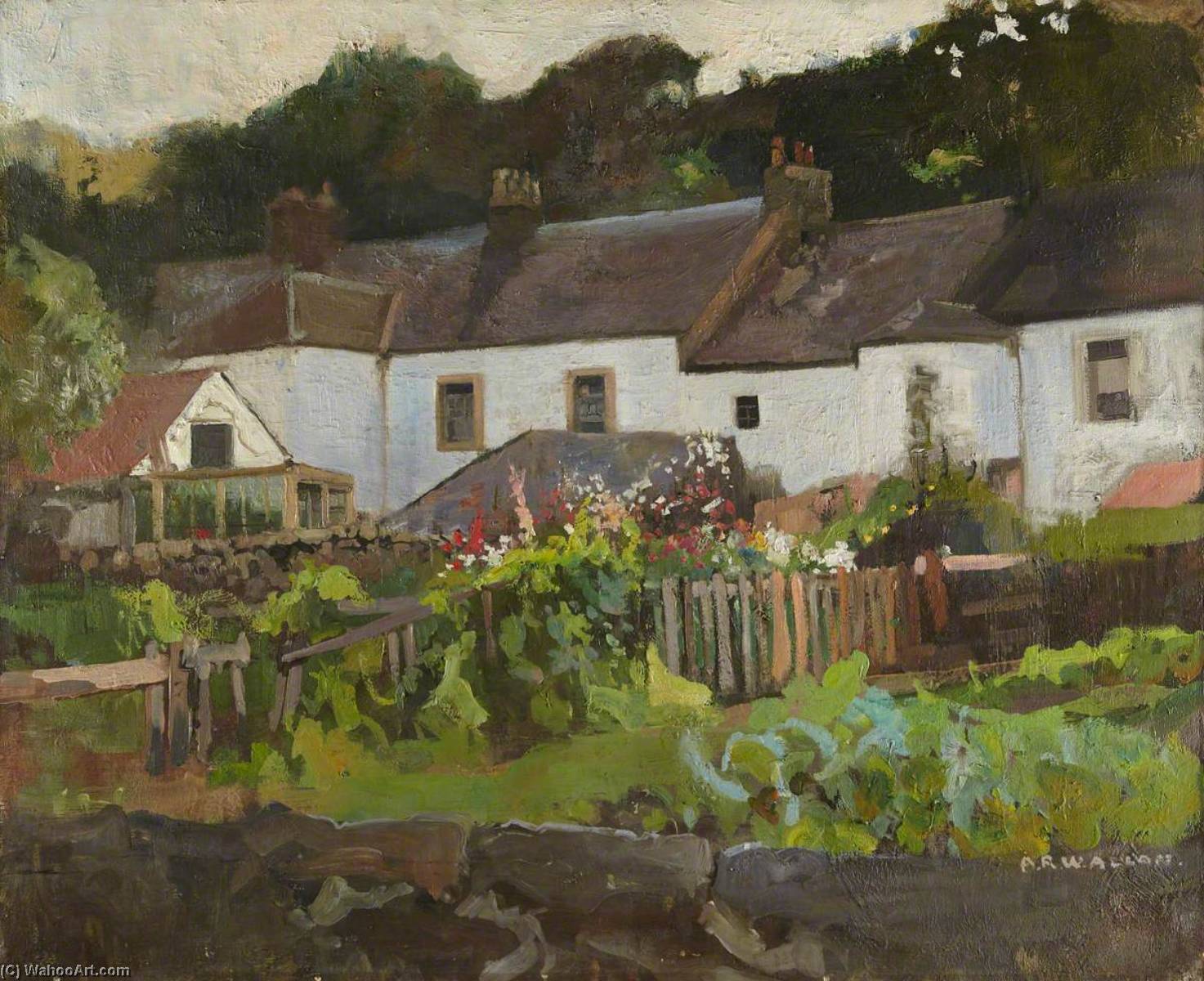
統計情報A Summer Day in Newhouse
 1937
1937 102.0 x 127.0 cm
 Royal Scottish Academy of Art - Architecture
 詳細を見る
詳細を見る
手描き油彩複製画
当社のアーティストが、お客様のご希望のサイズと額縁に合わせて、キャンバスに手描きで制作する油彩画です。 ( プリント版に切り替え デジタル画像販売へ切り替え)




































作品のオリジナル比率に合わせた、当店の規定サイズからお選びください。

特定のフレームやスペースに合わせて、ご希望のサイズをご入力いただけます。選択されたサイズが元の画像の比率と異なる場合、アートワークをトリミングするか、手描きで要素を追加して絵画を拡張いたします。デジタルモックアップ を制作し、制作開始前にご確認(承認)をいただきます。
画面上のプレビューは、実際のトリミングや拡張を正確に反映しているものではありません。最終的な構図は、モックアップによってのみ正確にご確認いただけます。
カスタムサイズもご利用いただけますが、元の比率を維持するためには、あらかじめ用意されたリストからサイズを選択することをお勧めいたします。
ご注文後、ArtsDot.com チームより詳細な指示をお送りするとともに、仕上がりイメージ(モックアップ)をご提供いたします。


 ガラスオプションは、110cm未満のサイズでのみご利用いただけます。

A Summer Day in Newhouse
複製技法
複製画のサイズ
-


合計金額
$ 263
関連作品









アーティストの略歴
A Life Painted in Light: The World of Archibald Russell Watson Allan
Archibald Russell Watson Allan, born in 1878, was an artist whose life and work straddled continents and artistic movements, ultimately forging a distinctive path between the traditions of European painting and the burgeoning spirit of American Impressionism. While not a household name today, his canvases offer a compelling glimpse into a period of transition, reflecting both the meticulous training of the academic style and a growing desire to capture the fleeting beauty of light and atmosphere. Allan’s journey began in Scotland, where he received a solid foundation in art before seeking broader horizons across the Atlantic. He wasn't merely replicating styles; he was synthesizing them, creating something uniquely his own – a blend of Scottish realism with an American sensibility for color and luminosity.From Academic Roots to Transatlantic Visions
Allan’s early artistic education steeped him in the established conventions of the late 19th century. He honed his skills through rigorous study, mastering techniques that prioritized precise draftsmanship and detailed representation. This foundation is evident even in his later work, providing a structural integrity beneath layers of more impressionistic brushwork. However, Allan’s ambition extended beyond replicating the Old Masters. The allure of America beckoned, promising new landscapes, different light conditions, and an artistic climate less bound by rigid tradition. His move to the United States proved pivotal. He absorbed influences from American Impressionists like Childe Hassam and John Henry Twachtman, artists who were actively exploring ways to capture the ephemeral qualities of nature. This wasn’t a wholesale adoption of their style, but rather a careful integration of their principles into his existing skillset. Allan began to loosen his brushwork, embrace brighter palettes, and focus on conveying the *feeling* of a scene rather than simply its precise details.Themes and Techniques: Landscapes and Portraits
The core of Allan’s artistic output revolved around two primary subjects: landscapes and portraits. His landscapes are particularly evocative, often depicting scenes bathed in soft, golden light. He had an exceptional ability to render the nuances of atmosphere – the hazy warmth of a summer afternoon, the cool stillness of a winter morning. These weren't idealized depictions; they possessed a quiet realism that grounded them in a sense of place. Allan’s portraits, while less numerous than his landscapes, reveal a similar sensitivity to light and character. He wasn’t interested in grand displays of wealth or status, but rather in capturing the inner life of his sitters. His technique involved building up layers of paint, using broken brushstrokes to create texture and luminosity. He often employed a limited palette, relying on subtle variations in tone to achieve depth and atmosphere. This approach allowed him to convey a sense of intimacy and psychological insight.Major Achievements and Artistic Legacy
While Allan may not have achieved the widespread fame of some of his contemporaries, his work was consistently well-received during his lifetime. He exhibited regularly in prestigious galleries on both sides of the Atlantic, earning recognition for his skillful technique and evocative compositions. His paintings were praised for their quiet beauty, their ability to capture the essence of a place or personality. Allan’s legacy lies not in groundbreaking innovation but in his masterful synthesis of different artistic traditions. He demonstrated how academic training could be combined with impressionistic principles to create something both technically accomplished and emotionally resonant. His work serves as a reminder that artistic progress isn't always about radical departures, but often about subtle refinements and thoughtful integrations.Historical Significance: A Bridge Between Eras
Archibald Russell Watson Allan occupies an interesting position in art history – he represents a bridge between the established traditions of the 19th century and the more experimental movements of the early 20th. He wasn’t a revolutionary, but he was a skilled interpreter, adapting and refining existing styles to suit his own artistic vision.- His work reflects the growing influence of American Impressionism on European artists.
- He demonstrates the enduring appeal of academic training even as new movements emerged.
- Allan’s paintings offer a valuable glimpse into the landscapes and society of his time.
- His quiet realism provides a counterpoint to the more flamboyant styles of some of his contemporaries.
archibald russell watson allan
1878 - 1959
基本情報
- Artistic Movement Or Style: American Impressionism
- Artists Who Influenced This Artist:
- Claude Monet
- Thomas Moran
- Date Of Birth: 1878
- Date Of Death: 1959
- Full Name: Archibald Russell Watson Allan
- Nationality: Scottish
- Notable Artworks:
- The Shepherdess
- A Highland Landscape
- Place Of Birth: Glasgow, Scotland