

 プレビュー
プレビュー
 プリントを購入
 シェアする
シェアする シェアする
シェアする
 詳細を見る
詳細を見る

 ダウンロード
 似ている作品
 X線調査
X線調査 スライドショー
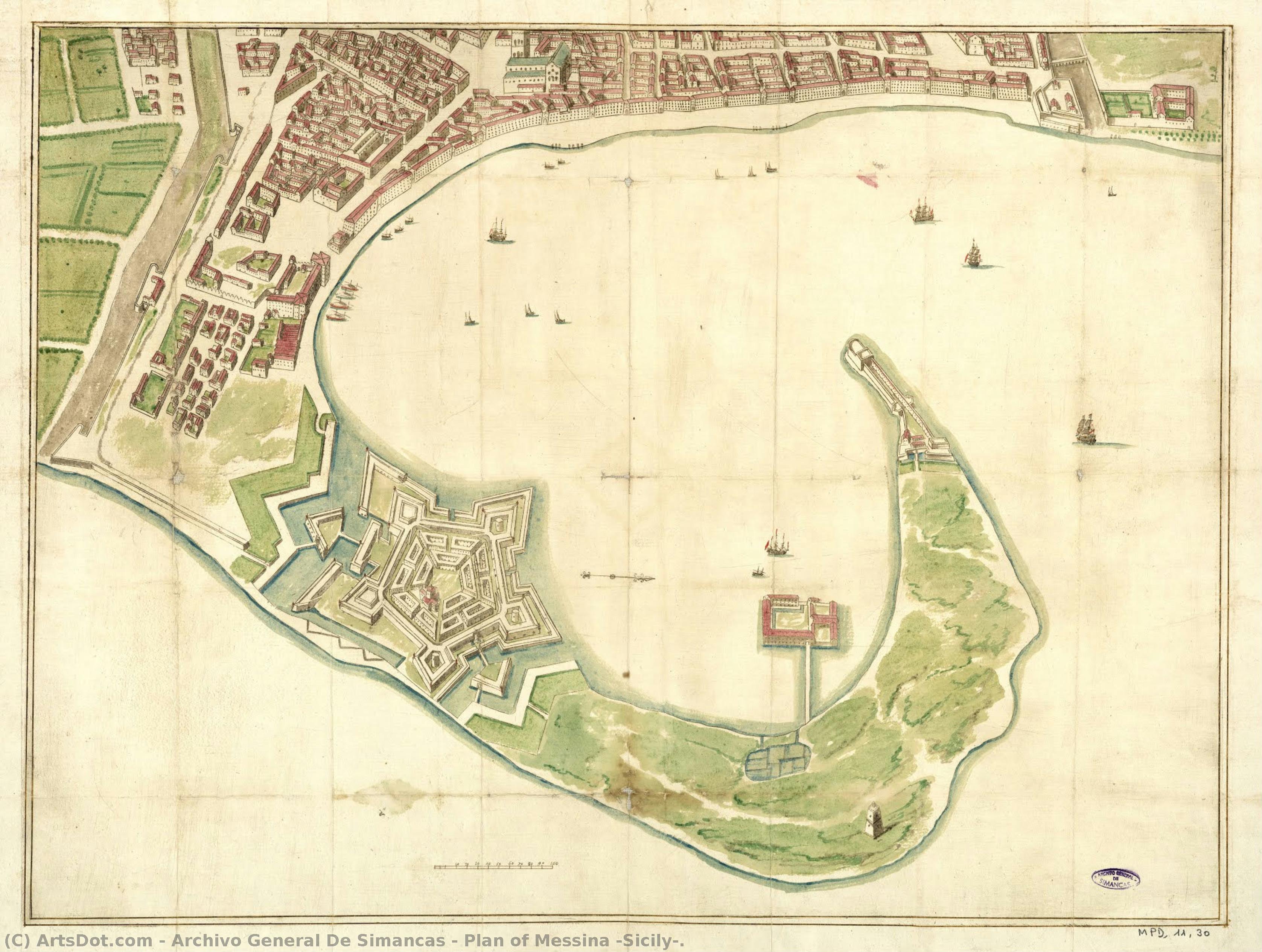
Plan of Messina (Sicily).
 Ink On Paper
- Cartography
 1684
1684- Early Modern
 8.0 x 72.0 cm
 Archivos Estatales
 詳細を見る
詳細を見る




































作品のオリジナル比率に合わせた、当店の規定サイズからお選びください。

特定のフレームやスペースに合わせて、ご希望のサイズをご入力いただけます。選択されたサイズが元の画像の比率と異なる場合、アートワークをトリミングするか、手描きで要素を追加して絵画を拡張いたします。デジタルモックアップ を制作し、制作開始前にご確認(承認)をいただきます。
画面上のプレビューは、実際のトリミングや拡張を正確に反映しているものではありません。最終的な構図は、モックアップによってのみ正確にご確認いただけます。
カスタムサイズもご利用いただけますが、元の比率を維持するためには、あらかじめ用意されたリストからサイズを選択することをお勧めいたします。
ご注文後、ArtsDot.com チームより詳細な指示をお送りするとともに、仕上がりイメージ(モックアップ)をご提供いたします。


 ガラスオプションは、110cm未満のサイズでのみご利用いただけます。

Plan of Messina (Sicily).
複製技法
複製画のサイズ
-


合計金額
$ 263
A Cartographic Masterpiece: The Soul of Messina
In the delicate dance between geography and artistry lies the Plan of Messina, a breathtaking historical window into the heart of Sicily from the year 1684. This is not merely a map; it is a meticulously crafted narrative rendered on parchment that breathes life into the strategic grandeur of a bygone era. As one gazes upon this work, the eye is immediately drawn into a complex web of urban architecture and coastal beauty. The composition unfolds horizontally, guiding the viewer along the sweeping curves of the harbor and through the intricate labyrinth of fortifications that once guarded this vital Mediterranean port. It serves as a profound testament to the intersection of human ambition and natural landscape, capturing a moment in time when every street corner and stone wall held the weight of historical significance.
The aesthetic allure of this piece lies in its masterful use of an antique palette. Dominated by muted earth tones—rich ochres, deep browns, and warm tans—the work evokes the weathered elegance of a rediscovered treasure from a royal library. The technique is nothing short of extraordinary, utilizing fine hatching and cross-hatching to simulate the tactile sensation of ink applied to aged paper. Every line serves a dual purpose: to delineate the geometric precision of buildings and streets while simultaneously adding a layer of textural depth that suggests the passage of centuries. This delicate interplay of light and shadow, achieved through subtle watercolor washes, creates a soft, diffused atmosphere that invites quiet contemplation and scholarly wonder.
Historical Resonance and Symbolic Depth
To hold a reproduction of this plan is to touch the legacy of the Archivo General de Simancas, one of Spain's most venerable institutions. The map reflects the era of the Habsburg monarchy, a period when cartography was an essential tool of empire, diplomacy, and defense. Beyond its topographical utility, the artwork carries deep symbolic weight; it represents the human desire to order the world, to document, and to preserve. The detailed rendering of the city's defenses speaks to the tension and vigilance of 17th-century life, while the open expanse of the sea symbolizes the connectivity and commerce that defined the Mediterranean spirit. It is a piece that celebrates the triumph of precision and the enduring importance of historical memory.
An Elegant Addition to Sophisticated Interiors
For the discerning collector or interior designer, the Plan of Messina offers an unparalleled opportunity to introduce a sense of timelessness and intellectual depth into a space. Its understated elegance makes it a versatile centerpiece, capable of anchoring a study filled with leather-bound books or adding a layer of historical sophistication to a modern, minimalist gallery. The work’s neutral tones harmonize effortlessly with classic decor, while its intricate details provide a captivating focal point that rewards prolonged observation. Whether displayed as a singular statement piece or part of a curated collection of historical prints, this reproduction brings the prestige of Spanish archival history into the contemporary home, offering an emotional connection to the grand tapestry of human civilization.
関連作品

アーティストの略歴
A Legacy Etched in Stone and Parchment: The Archivo General de Simancas
The Archivo General de Simancas stands as a singular monument to Spanish history—not merely a building, but an institution dedicated to safeguarding the nation’s past. Founded in 1540 by Philip II, it represents the earliest official archive established by the Habsburg monarchy and continues to operate today, cementing its place as one of Europe's oldest repositories of royal records. Its unassuming castle location in Valladolid province serves as a silent witness to centuries of dynastic intrigue, legal reformations, and cultural evolution.- Origins and Purpose: The impetus for the archive’s creation stemmed from a pressing need to consolidate administrative control over Castile and León following the unification process initiated by Philip II. Prior to this pivotal moment, scattered documents resided in various ecclesiastical and noble households, hindering efficient governance. Recognizing the importance of centralized documentation, Philip II decreed that all royal decrees, correspondence, and legal proceedings should be meticulously recorded—a directive that fundamentally reshaped Spain’s archival landscape.
- Early Collections: Initial holdings focused primarily on ecclesiastical documents pertaining to the Archdiocese of Valladolid and León, reflecting the religious fervor of the era. However, ambitious expansion swiftly followed, incorporating records from Castile's judicial system, military affairs, and colonial ventures—particularly those documenting expeditions to Mexico and Peru during the Spanish Golden Age. These early acquisitions established a pattern of prioritizing administrative efficiency alongside scholarly curiosity.
The Plan of Messina: A Focal Point of Archival Significance
Perhaps Simancas’s most celebrated contribution to historical scholarship lies in its preservation of the Plan of Messina, a detailed military map produced by Juan Ruiz de Alcalá y Córdoba for Philip II. Commissioned in 1569 amidst escalating tensions with Venice over control of Sicily—a strategically vital region—the plan represents an extraordinary feat of cartographic artistry and serves as invaluable insight into Spanish naval strategy during the sixteenth century. Its meticulous depiction of Messina’s fortifications, harbor defenses, and topographical features provided crucial information for planning a decisive siege that ultimately secured Habsburg dominance.- Technique and Materials: The Plan's creation demanded considerable skill and resources. Crafted from linen canvas stretched over wooden frames, it utilized watercolor pigments mixed with gum arabic—a technique favored by Renaissance cartographers—to achieve remarkable accuracy and detail. Careful shading and perspective rendering conveyed the contours of Messina’s landscape with breathtaking realism.
- Historical Context: Beyond its artistic merit, the Plan holds immense historical importance as a testament to Philip II's determination to defend Spanish interests in Italy. It exemplifies the Habsburg court’s commitment to military preparedness and underscores the significance of geographic knowledge in shaping diplomatic policy. Furthermore, ongoing research into the Plan continues to illuminate aspects of Sicilian society and culture during this formative period.
Evolution Through Centuries: Expanding Horizons
Throughout subsequent centuries, Simancas’s collections grew exponentially, reflecting Spain's expanding imperial ambitions and its engagement in global trade. Documents relating to the Americas—including colonial charters, land grants, and accounts of expeditions—became increasingly prominent, documenting the transformative impact of Spanish colonization on indigenous populations and economies. The archive also amassed substantial holdings concerning diplomatic correspondence between monarchs and ambassadors across Europe, capturing the complexities of international relations during the Enlightenment and beyond.- Modernization Efforts: Recognizing the need for enhanced preservation and accessibility, Simancas underwent significant modernization initiatives in the twentieth century. Digitization projects aimed to safeguard fragile manuscripts and make them available to researchers worldwide—a crucial step in ensuring that Simancas’s legacy would endure into the digital age.
Contemporary Significance: A Window Into Iberian Identity
Today, the Archivo General de Simancas continues to serve as a cornerstone of Spanish national identity. Its vast archive—spanning from medieval chronicles to modern legal documents—provides unparalleled access to information about Spain’s past and informs debates concerning its present. As scholars delve deeper into Simancas's holdings, they uncover new perspectives on Iberian history, culture, and intellectual life—affirming the enduring value of preserving tangible records as conduits for understanding our collective heritage.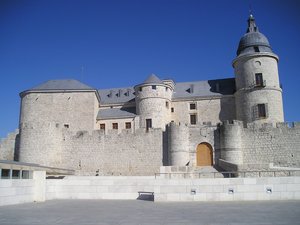
基本情報
- Full Name: archivo general de simancas
- Nationality: Spanish
- Notable Artworks: ['Plan of Messina']
- Place Of Birth: Spain
関連記事
Masterpieces of the 17th Century: Art, History & Decor Inspiration | ArtsDot
Journey through 17th century art with masterpieces by Rembrandt, Vermeer & Caravaggio. Explore Baroque paintings, Dutch Golden Age techniques & timeless beauty. Find museum-quality reproductions and elevate your home decor on ArtsDot.com.
Antonello da Messina: Innovation, Devotion & the Sicilian Renaissance Master's Enduring Legacy
Explore the groundbreaking art of Antonello da Messina, a pivotal figure of the Renaissance. Discover his innovative oil painting techniques, captivating portraits, and lasting influence on Italian masters. Learn more at ArtsDot.
Decoding Baroque Grandeur: A Guide to the Drama and Emotion of 17th-Century Art
Explore the breathtaking drama of 17th-century Baroque art. Our expert guide decodes the use of chiaroscuro, emotional intensity, and historical grandeur to help you appreciate and curate timeless masterpieces for your collection.

Illuminating Shadows: A Comprehensive Exploration of 17th-Century Painting – Themes, Techniques, and Enduring Legacy
Explore the captivating world of 17th-century painting! Discover Baroque masters like Rembrandt & Caravaggio, learn about chiaroscuro techniques, and delve into Dutch Golden Age realism. Expert insights for art lovers & collectors.
Illuminating a Century of Change: Artistic Expression & Societal Shifts in 17th-Century Europe
Explore the artistic brilliance of the 17th-century Dutch Golden Age & Baroque period. Discover Rembrandt, genre painting, and chiaroscuro techniques. Expert insights for art lovers & collectors.

