

 プレビュー
プレビュー
 プリントを購入
 シェアする
シェアする シェアする
シェアする
 詳細を見る
詳細を見る

 ダウンロード
 似ている作品
 X線調査
X線調査 スライドショー
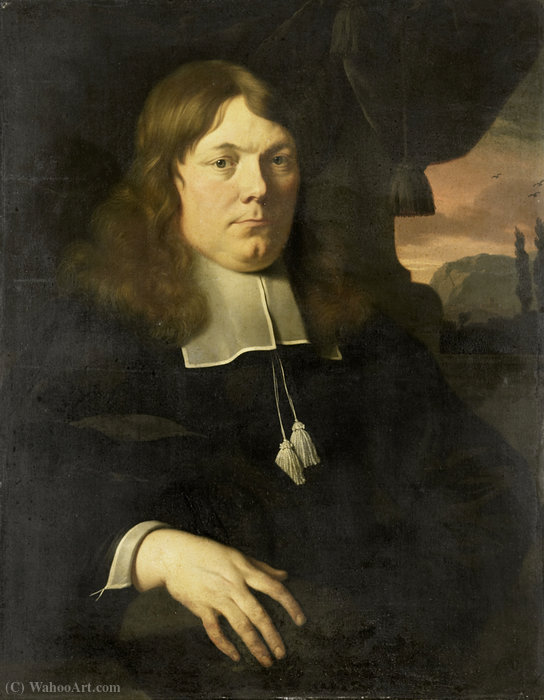
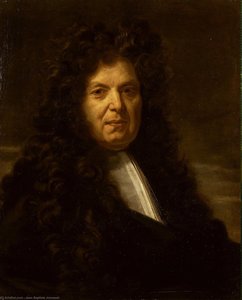
Portrait of a Man
 詳細を見る
詳細を見る
オンラインプレビューをはるかに凌ぐ、高解像度で鮮明なデジタル画像をご購入いただけます。
各ファイルは、社内の専門家が高度なツールと熟練した手作業によるレタッチを用いて、細心の注意を払って準備されています。すべての画像において、卓越した鮮明度、正確な色彩再現性、そして繊細なディテールを保証いたします。
最終ファイルは、プロフェッショナルな編集・印刷環境ですぐにご利用いただけるよう最適化された状態で、72時間以内にメールにてお届けいたします。これは、一流のデザインスタジオ、出版社、ギャラリーから信頼されているものと同等の品質です。
デジタル画像のご注文に付随する特典
高品質なデジタル画像配信を、確かな品質で。
ArtsDot.com を選ぶことは、単に画像を手に入れることではありません。それは、プロの手によって精密に仕上げられ、満足保証が付いた高品質なデジタルアートワークを受け取ることを意味します。ご注文いただいた際に自動的に付随する内容は、以下の通りです:

メールですぐにお届け
ご注文から72時間以内に、高解像度のデジタル画像ファイルがメールでお手元に届きます。すぐにそのままご利用いただけます。

AI技術で最適化されたデジタルファイル
お客様の作品は、高度なAIツールと専門家による手作業の編集を組み合わせてプロフェッショナルに最適化されており、細部のディテール、鮮明さ、そして正確な色再現性を最大限に引き出しています。

一生涯無料の再送サービス
ファイルを誤って削除したり、紛失してしまったりしましたか?ご安心ください。いつでも無料で再送いたします。

輸入手数料は一切かかりません
関税や手数料、配送料を気にすることなく、お気に入りのアートワークをすぐにお楽しみいただけます。デジタルダウンロードは常に免税です。

色彩再現の保証
プロ仕様のツールとカラーマネジメント技術を用いることで、デジタル画像が元の色を最大限に忠実に再現することを保証いたします。

60日間満足保証
ご購入いただいたデジタル画像にご満足いただけない場合は、60日以内であれば、修正または100%の返金(理由を問う必要はありません)をさせていただきます。

100% 返金保証
ご満足いただけない場合は、デジタルファイルを受け取ってから60日以内であれば、理由を問わず全額返金いたします。

まとめ買い割引
3枚購入で10%OFF - 5枚購入で15%OFF - 10枚以上購入で20%OFF。クリエイティブなプロジェクト、ギャラリー、エージェンシーに最適です。
関連作品
作家の略歴
A Life Captured in Shadow and Light
The name Arie de Vois resonates within the annals of the Dutch Golden Age as a poignant symbol of artistic brilliance interrupted by the fragility of life. Born in Leiden around 1632, De Vois emerged during an era of unparalleled creative explosion, a time when the burgeoning merchant classes of the Netherlands sought to immortalize their status through the medium of oil and canvas. While his biographical timeline is marked by a certain tragic brevity, his presence in the art historical record remains indelible. As the son of Alewijn de Vois, an organist at the Pieterskerk in Leiden, he was raised amidst the profound musical and spiritual textures of his home city, a setting that likely nurtured his early sensitivity to atmosphere and rhythm.
Though some accounts suggest a life cut short in his youth, other historical records point to a more enduring, albeit complex, career that extended into the latter half of the 17th century. This duality adds a layer of mystery to his legacy, suggesting an artist whose influence may have lingered long after his initial period of activity. His journey through the artistic hubs of Utrecht and Leiden allowed him to absorb the very essence of Dutch mastery, weaving together the technical rigor of his mentors with a personal, serene elegance that would become his hallmark.
The Mastery of Influence and Technique
To understand the soul of De Vois’s work, one must look toward the giants upon whose shoulders he stood. His training was a tapestry of the finest instruction available in the Low Countries. In Utrecht, he became a pupil of Nikolaus Knüpfer, a master who also shared his classroom with the legendary Jan Steen. From Knüpfer, De Vois likely inherited a command over composition and the ability to imbue even the simplest subject with narrative weight. Upon returning to Leiden, his studies under Abraham van den Tempel further refined his aesthetic, steering him toward a more polished and sophisticated approach to portraiture.
The influence of Rembrandt Harmensz van Rijn is perhaps the most palpable thread in De Vois’s stylistic fabric. One can observe the echoes of the great master in De Vois’s meticulous use of chiaroscuro—that dramatic, breathing interplay between deep shadow and piercing light. However, where Rembrandt often embraced a rugged, textured spontaneity, De Vois moved toward a more restrained and tranquil palette. He favored muted tones of ochre, umber, and sienna, creating atmospheres of contemplative calm. His technique was not merely about the replication of form, but about the capture of a psychological state, using light to draw the viewer into the quiet, inner lives of his subjects.
Legacy of the Serene Portrait
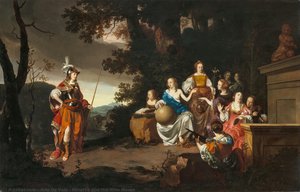
The surviving works of Arie de Vois serve as intimate windows into the social and moral fabric of 17th-century Dutch life. His portraits were far more than mere documentation; they were carefully constructed statements of identity, character, and lineage. In pieces such as Jacob Dream, we encounter a profound sense of peace, where the subtle rendering of emotion suggests a subject lost in deep thought. Conversely, works like the Portrait of Hadriaan Beverland with a Prostitute demonstrate his ability to navigate much more complex and provocative psychological landscapes, utilizing juxtaposition to create tension and narrative intrigue.
De Vois’s significance lies in his ability to balance the formal requirements of the Dutch Guild of St. Luke—of which he was an active and esteemed member, even serving as dean—with a deeply personal artistic voice. His career, marked by both professional prestige and the quietude of his compositions, represents a vital branch of the Golden Age tradition. He remains a master of the understated, an artist who proved that the most profound human truths are often found not in grand gestures, but in the softest light falling across a face, or the silent gaze of a sitter caught in a moment of eternal reflection.
arie de vois
1632 - 1635 , Netherlands
プロフィール概要
- Artistic Movement Or Style: Dutch Golden Age Art
- Date Of Birth: Leiden, Netherlands (1632)
- Full Name: Arie de Vois
- Nationality: Dutch
- Notable Artworks:
- Jacob Dream
- Portrait of Hadriaan Beverland with a Prostitute
- Place Of Birth: Leiden

