

 プレビュー
プレビュー
 シェアする
シェアする シェアする
シェアする
 詳細を見る
詳細を見る

 ダウンロード
 似ている作品
 X線調査
X線調査 スライドショー
 統計情報
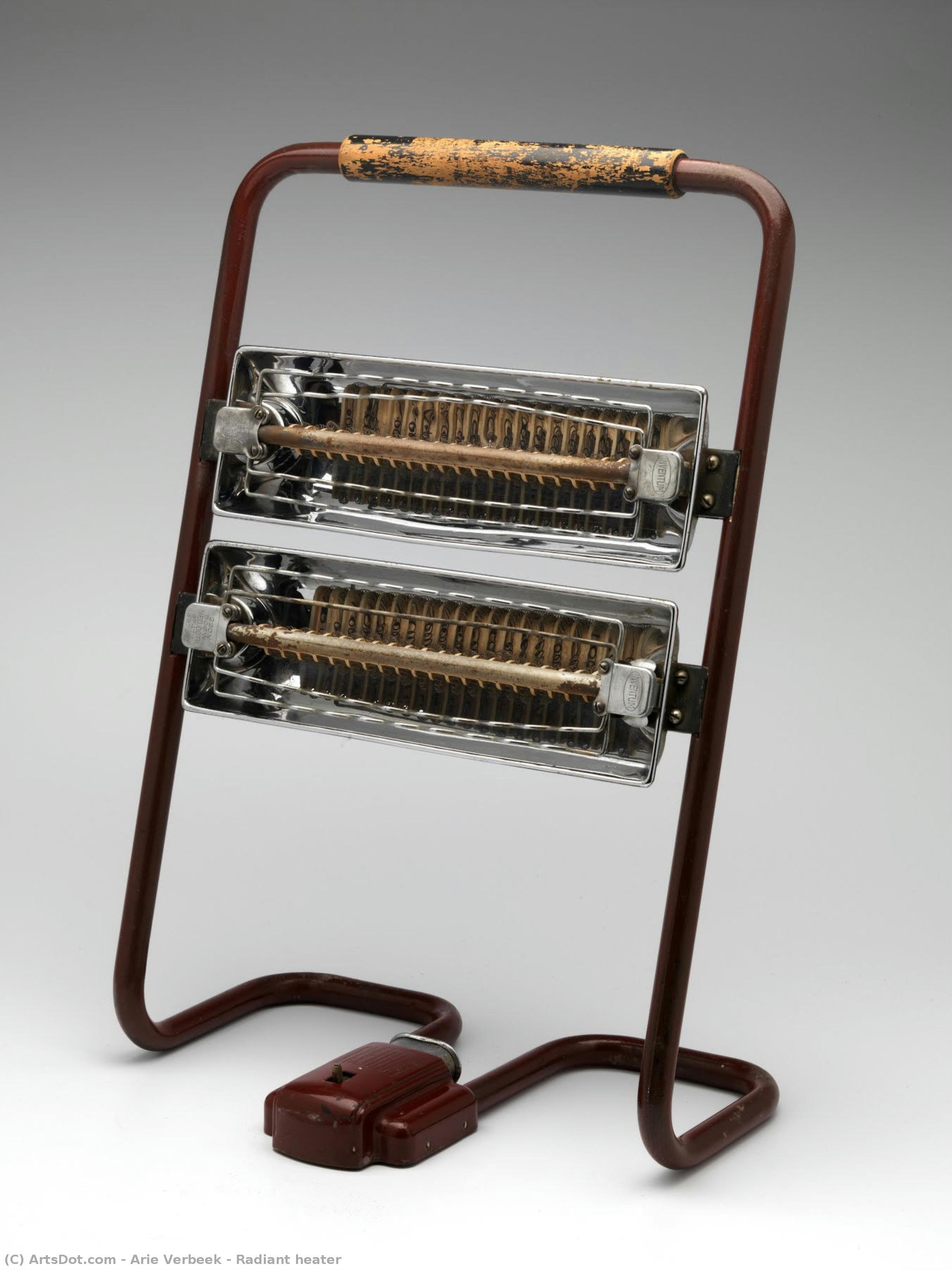
統計情報Radiant heater
 Modernism
 1931
1931 5.0 x 21.0 cm
 NEMO Science Museum
 詳細を見る
詳細を見る
オンラインプレビューをはるかに凌ぐ、高解像度で鮮明なデジタル画像をご購入いただけます。
各ファイルは、社内の専門家が高度なツールと熟練した手作業によるレタッチを用いて、細心の注意を払って準備されています。すべての画像において、卓越した鮮明度、正確な色彩再現性、そして繊細なディテールを保証いたします。
最終ファイルは、プロフェッショナルな編集・印刷環境ですぐにご利用いただけるよう最適化された状態で、72時間以内にメールにてお届けいたします。これは、一流のデザインスタジオ、出版社、ギャラリーから信頼されているものと同等の品質です。
デジタルアート
個人での鑑賞、印刷、クリエイティブなプロジェクト用に、高解像度ファイルをダウンロードできます。 ( プリント版に切り替え 手描きの絵画を購入)
デジタル画像のご注文に付随する特典
高品質なデジタル画像配信を、確かな品質で。
ArtsDot.com を選ぶことは、単に画像を手に入れることではありません。それは、プロの手によって精密に仕上げられ、満足保証が付いた高品質なデジタルアートワークを受け取ることを意味します。ご注文いただいた際に自動的に付随する内容は、以下の通りです:

メールですぐにお届け
ご注文から72時間以内に、高解像度のデジタル画像ファイルがメールでお手元に届きます。すぐにそのままご利用いただけます。

AI技術で最適化されたデジタルファイル
お客様の作品は、高度なAIツールと専門家による手作業の編集を組み合わせてプロフェッショナルに最適化されており、細部のディテール、鮮明さ、そして正確な色再現性を最大限に引き出しています。

一生涯無料の再送サービス
ファイルを誤って削除したり、紛失してしまったりしましたか?ご安心ください。いつでも無料で再送いたします。

輸入手数料は一切かかりません
関税や手数料、配送料を気にすることなく、お気に入りのアートワークをすぐにお楽しみいただけます。デジタルダウンロードは常に免税です。

色彩再現の保証
プロ仕様のツールとカラーマネジメント技術を用いることで、デジタル画像が元の色を最大限に忠実に再現することを保証いたします。

100日間満足保証
ご購入いただいたデジタル画像にご満足いただけない場合は、100日以内であれば、理由を問わず修正または100%の返金対応をさせていただきます。

100% 返金保証
ご満足いただけない場合は、デジタルファイルを受け取ってから100日以内であれば、理由を問わず全額返金いたします。

まとめ買い割引
3枚購入で10%OFF - 5枚購入で15%OFF - 10枚以上購入で20%OFF。クリエイティブなプロジェクト、ギャラリー、エージェンシーに最適です。
関連作品


作家の略歴
Vincent van Gogh: A Life Painted in Passion
Vincent van Gogh, a name synonymous with turbulent genius and vibrant emotion, remains one of the most recognizable figures in art history. Born in 1853 in Groot-Zundert, Netherlands, his life was tragically short – just thirty-seven years – yet within that brief span he produced over two thousand works: paintings, drawings, and prints that continue to captivate audiences with their raw honesty, intense color palettes, and deeply felt humanity. His journey wasn’t one of deliberate artistic ambition at the outset; rather, it was a relentless pursuit of connection, understanding, and ultimately, self-expression through the transformative power of art.
Van Gogh's early life offered little indication of his future as an artist. He tried various professions – art dealer, teacher, missionary – each attempt proving unsatisfying and leaving him feeling increasingly alienated. A period spent working for Goupil & Cie, a prominent art firm in The Hague and Paris, exposed him to the world of art collecting but also fostered a disillusionment with the commercial aspects of the trade. It was during this time that he began seriously pursuing his own artistic endeavors, initially copying prints by masters like Millet and Daumier, not out of admiration for their style, but as a means to develop his drawing skills and understand composition – a deliberate attempt to master the fundamentals before venturing into original work. His early works, predominantly landscapes and depictions of peasant life, reflect this methodical approach, characterized by careful observation and a desire to capture the essence of everyday subjects.
Parisian Influence and Artistic Transformation
A pivotal moment in Van Gogh’s artistic development arrived in 1886 when he moved to Paris. This relocation proved profoundly influential, exposing him to the revolutionary currents of Impressionism and Post-Impressionism. He encountered artists like Monet, Renoir, Degas, and Pissarro, absorbing their techniques – particularly their use of broken color, capturing fleeting moments of light, and depicting scenes from modern life. However, Van Gogh didn’t simply mimic these styles; he pushed them further, injecting his own intensely personal vision into the borrowed elements. He experimented with brighter colors, bolder brushstrokes, and a more expressive approach to form, moving away from the objective representation favored by many of his contemporaries.
The influence of Japanese prints – *ukiyo-e* – was also significant during this period. Their flattened perspective, bold outlines, and vibrant colors resonated deeply with Van Gogh’s desire for a more direct and emotionally charged style. He began incorporating these elements into his work, creating images that were both visually striking and psychologically revealing. His self-portraits, in particular, became increasingly prominent during this time, offering a raw and unflinching glimpse into his inner turmoil – a reflection of the intense emotional landscape he was navigating.
The Southern France Years: Color and Emotion
Seeking respite from the pressures of Paris and hoping to establish an artist’s colony in Arles, southern France, Van Gogh moved in 1888. This period marked a significant intensification of his artistic output and a deepening exploration of color as a means of conveying emotion. He painted with feverish intensity, capturing the dazzling light, vibrant colors, and rustic beauty of the Provençal landscape. Works like *Sunflowers*, *The Bedroom*, and *Starry Night Over the Rhône* exemplify this shift – each painting pulsating with an almost palpable energy, reflecting his heightened emotional state.
Despite his artistic successes, Van Gogh’s time in Arles was fraught with difficulties. His struggle with mental illness intensified, culminating in a severe episode that led to the infamous incident involving Gauguin and resulted in Van Gogh severing his own ear. This period underscored the profound disconnect between his creative vision and his personal struggles – a tension that would continue throughout his life.
Legacy and Lasting Impact
Van Gogh’s tragically short career left behind a remarkably rich body of work, largely unrecognized during his lifetime. It wasn't until after his death in 1890 that his unique style began to gain recognition, championed by artists like Henri Matisse and Pablo Picasso who saw in his work the seeds of modernism. Today, Van Gogh is celebrated as one of the most influential figures in art history – a pioneer of Expressionism whose emotionally charged brushstrokes and vibrant colors continue to resonate with viewers around the world. His paintings are not merely representations of reality; they are windows into the soul of an artist grappling with profound questions of existence, faith, and the human condition. His legacy lies not just in his artistic innovations but also in his unwavering commitment to expressing himself authentically, a testament to the transformative power of art.
Further resources can be found at The Metropolitan Museum of Art and Wikipedia.

arie verbeek
1880 - 1959 , Netherlands
プロフィール概要
- Artistic Movement Or Style: Post-Impressionism
- Artists Or Movements Influenced By This Artist: ['Expressionism']
- Artists Who Influenced This Artist: ['Jean-François Raffaëlli']
- Date Of Birth: March 30, 1853
- Date Of Death: July 29, 1890
- Full Name: Vincent van Gogh
- Nationality: Dutch
- Notable Artworks:
- Sunflowers
- Bedroom in Arles
- Starry Night
- Wheatfield with Crows
- Place Of Birth: Netherlands