

 プレビュー
プレビュー
 シェアする
シェアする シェアする
シェアする
 詳細を見る
詳細を見る

 ダウンロード
 似ている作品
 X線調査
X線調査 スライドショー
 統計情報
統計情報Mujeres en el agua


 詳細を見る
詳細を見る
ジークレー/アートプリント
迅速な制作と多彩な仕上げオプションを備えた、ミュージアムクオリティのジークレーまたはキャンバスプリント。 ( 手描きの絵画を購入 デジタル画像販売へ切り替え)




P118B $10

P118H $10

P118W $10

P438Z $10

P508JH $12

P508YH $12

P805H $10

P805Z $10

P919BZ $10

P919G $10

P919XJ $10

P959ZH $10

P968JZ $12

W106C $8

W218G $10

W218JH $8

W218Y $10

W307PJ $10

W316G $10

W316PJ $8

W316Y $10

W398PJ $8

W4111J $10

W500HY $15

W500JH $15

W692G $12

W849H $8

W940BG $15

W953PJ $8




作品のオリジナル比率に合わせた、当店の規定サイズからお選びください。

特定のフレームやスペースに合わせて、ご自身でサイズを指定することも可能です。選択されたサイズが元の画像の比率と一致しない場合、作品をトリミングするか、鏡面反射または単色での塗りつぶしによって画像を拡張いたします。制作を開始する前に、ご確認用のデジタルモックアップをお送りいたします。
画面上のプレビューには、実際のトリミングや拡張は反映されませんのでご注意ください。最終的な構図を正確に確認できるのは、モックアップのみとなります。
カスタムサイズも承っておりますが、元の比率を維持するためには、あらかじめ用意されたリストからサイズを選択することをお勧めいたします。


 ガラスオプションは、110cm未満のサイズでのみご利用いただけます。

Mujeres en el agua
ジークレー/アートプリント
複製画のサイズ
-


合計金額
$ 62
A Serene Encounter in the Tropical Blue
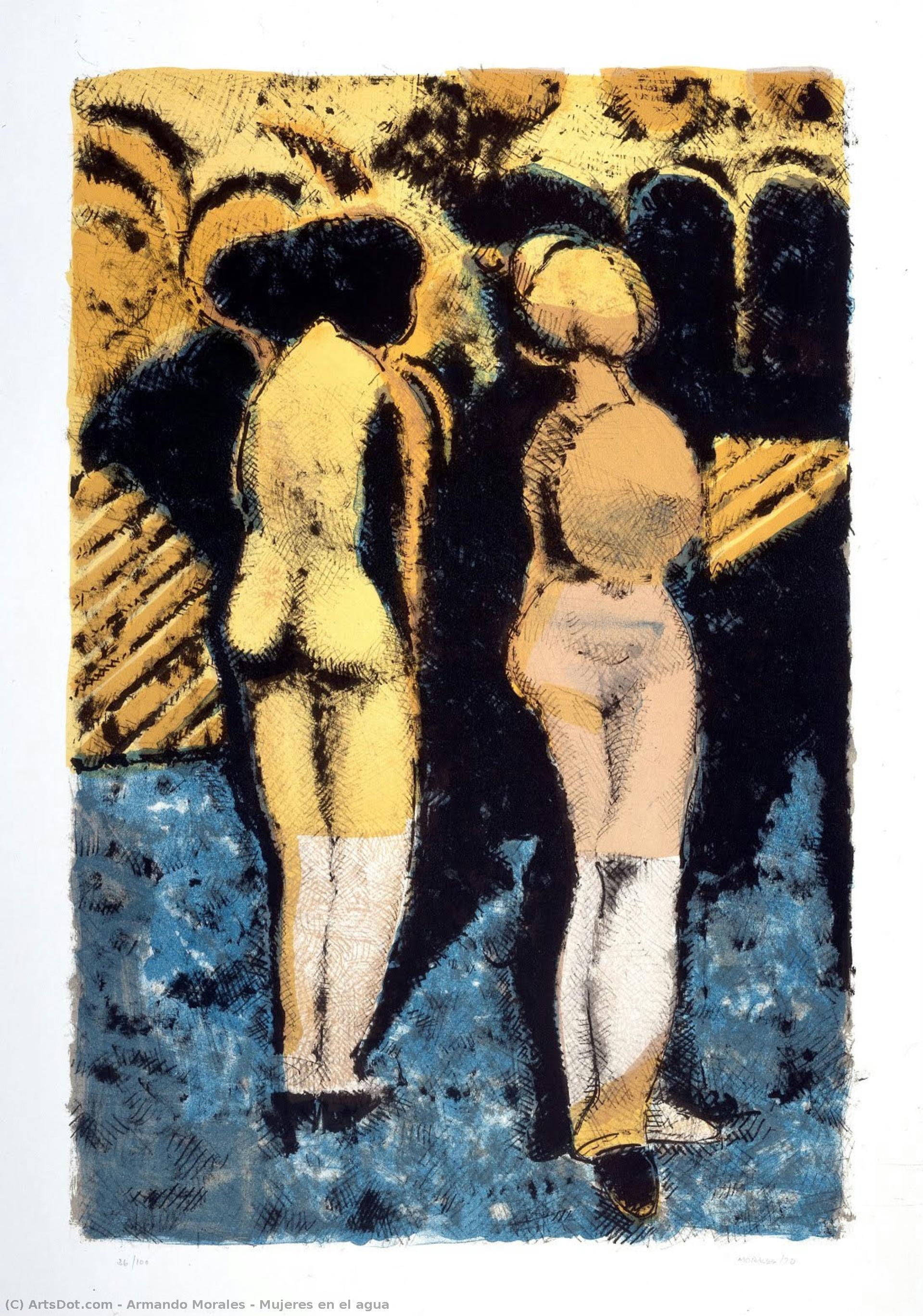
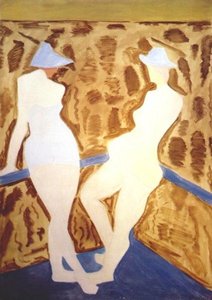
In the evocative masterpiece Mujeres en el agua, the legendary Nicaraguan painter Armando Morales invites us into a dreamlike realm where reality and magic converge. Created in 1970, this work captures a moment of profound stillness amidst a vibrant, aquatic landscape. At the heart of the composition, two female figures stand partially submerged, their backs turned to one another in a pose that suggests both intimacy and a quiet, introspective solitude. The painting transcends a mere depiction of bathers; it serves as a window into Morales’s unique brand of magical realism, where the tropical environment becomes a stage for metaphysical reflection.
The artist utilizes a breathtaking palette dominated by deep, luminous blues that lend an incredible sense of depth to the water and sky. This monochromatic foundation is punctuated by the delicate forms of the women, whose presence anchors the viewer within the scene. As your eyes wander through the composition, you discover other figures scattered along the periphery—some near the water's edge, others receding into the distance—creating a layered narrative that suggests a shared, yet deeply personal, experience of nature. This layering adds a rhythmic complexity to the piece, making it an endlessly engaging subject for close study.
Mastery of Technique and Light
Armando Morales was a master of blending classical precision with modern expressive freedom. In Mujeres en el agua, one can observe his sophisticated use of light and shadow to sculpt the human form. His technique involves a meticulous approach to cross-hatching and subtle shading, which lends a sculptural quality to the figures, reminiscent of classical academic traditions. Yet, there is an unmistakable lightness to his touch, a way in which the light seems to dance upon the surface of the water, blurring the lines between the physical bodies and the liquid environment surrounding them.
For the discerning collector or interior designer, this painting offers a remarkable versatility. The cool tones and tranquil subject matter make it an ideal centerpiece for spaces designed for relaxation and contemplation, such as a master suite, a library, or a sophisticated lounge. A high-quality reproduction of this work allows the serene energy of Morales’s vision to permeate a room, providing a focal point that is both intellectually stimulating and aesthetically soothing. The interplay of light and the soft, atmospheric perspective ensure that the artwork remains a captivating presence in any curated collection.
A Legacy of Visionary Artistry
To possess a piece inspired by Armando Morales is to hold a fragment of Central American art history. As Nicaragua’s preeminent painter of the twentieth century, Morales moved away from pure abstraction toward a style that captured the soul of the tropics. His ability to infuse figurative subjects with a sense of mystery and spiritual weight is what sets his work apart. Mujeres en el agua stands as a testament to this evolution—a perfect marriage of the tangible world and the ethereal imagination.
Whether you are drawn to the technical brilliance of his brushwork or the emotional resonance of his tranquil landscapes, this artwork offers an unparalleled opportunity to bring a sense of timeless elegance into your home. It is more than a decoration; it is an invitation to pause, to breathe, and to lose oneself in the shimmering blue depths of a Nicaraguan dream.
関連作品

アーティストの略歴
The Visionary of Granada: The Life and Legacy of Armando Morales
In the heart of Nicaragua, where the lush landscapes of Granada meet a profound cultural heritage, the story of Armando Morales begins. Born on January 15, 1927, Morales was a painter whose brushstrokes captured not just the physical reality of Central America, but its very soul. His journey into the world of art was deeply melodic, sparked in his youth by the rhythmic influence of his father’s guitar lessons. This early immersion in music provided a foundational sense of rhythm and harmony that would later manifest in the balanced compositions and evocative textures of his canvases. Though he initially pursued a degree in Agricultural Engineering, the call of the visual arts proved irresistible, leading him to transform from a student of the land into a master of its representation.
Morales’s formal education at the School of Plastic Arts in Managua served as the crucible for his developing style. Under the mentorship of masters such as Augusto Fernandez and Rodrigo Penalba, he mastered the rigors of academic painting. However, it was through his encounter with the Cuban critic José Gómez-Sicre that his artistic horizons expanded toward the infinite possibilities of abstraction. This period of exploration allowed him to blend the structured discipline of his training with a more fluid, emotional approach to perception. Influenced by the quiet, object-focused meditations of Giorgio Morandi and the structural clarity of Fernand Lépect, Morales developed a unique aesthetic language—one that could oscillate between the tangible weight of a fruit still life and the ethereal mystery of a tropical landscape.
A Mastery of Form and Light
The oeuvre of Armando Morales is characterized by a breathtaking versatility that defies simple categorization. He was a painter of profound depth, capable of moving seamlessly between magical realism and figurative expressionism. His works often feature a captivating interplay of neutral tones and voluminous forms, creating a sense of permanence and weight. Whether he was depicting the serene presence of women in blue waters or the dense, whispering shadows of a jungle scene, his technique remained consistently masterful. He possessed a rare ability to use oil and even beeswax to create surfaces that felt alive, inviting the viewer to touch the very atmosphere of the painting.
His thematic repertoire was as diverse as the landscapes he inhabited:
- Tropical Landscapes: Lush, verdant scenes that evoke both the tranquility and the untamed mystery of the Central American wilderness.
- Still Lifes: Meticulously rendered studies of fruit and objects that celebrate the quiet beauty of the everyday.
- The Human Figure: Evocative portraits and nudes that blend classical elegance with a modern, emotive sensibility.
Global Recognition and Enduring Significance
The ascent of Armando Morales from a local talent to an internationally recognized figure was marked by significant milestones that placed Nicaraguan art on the global stage. In 1956, his work Spook-Tree earned him first prize in the Central American Painting Contest “15 de Septiembre,” a triumph that led to the painting being acquired by the prestigious Museum of Modern Art (MoMA) in New York. This early success paved the way for exhibitions in Washington, D.C., and later, a long-standing relationship with the Galerie Claude Bernard in Paris, where his work was celebrated by European audiences.
Despite the political upheavals in his homeland, which eventually led him to settle in Costa Rica, Morales never lost his connection to his roots. His ability to capture the essence of Latin American identity through a sophisticated, modern lens ensured his place in the canon of art history. Today, his legacy is preserved in some of the world's most esteemed institutions, including the Harvard Art Museums and the Princeton University Art Museum. When he passed away in Miami in 2011, he left behind a body of work that continues to serve as a bridge between the academic traditions of the past and the expressive freedoms of modern art, reminding us all of the enduring power of a visionary gaze.
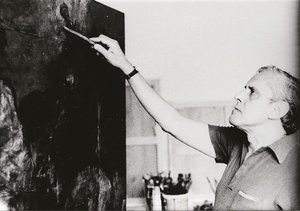
Armando Morales
1927 - 2011 , Nicaragua
基本情報
- Artistic Movement Or Style: Tropical Landscapes
- Artists Or Movements Influenced By This Artist: ['Claude Bernard Gallery']
- Artists Who Influenced This Artist:
- Augusto Fernandez
- Rodrigo Penalba
- Date Of Birth: January 1936
- Date Of Death: July 23, 1984
- Full Name: Hector Armando Morales Barillas
- Nationality: Nicaraguan
- Notable Artworks:
- Spook-Tree
- Six Nicaraguan Artists
- Place Of Birth: Granada (Nicaragua)
関連記事
クロード・モネ傑作25選:光と色彩の印象派を彩る名画の世界 | ArtsDot
クロード・モネの傑作25選。印象派を代表する光の画家、モネの世界を旅しませんか?睡蓮や風景画など、名画の背景にある物語と芸術技法をご紹介。ArtsDotで高品質な複製画とインテリアアートを見つけましょう。全コレクションはこちら。

葛飾北斎:25の傑作が語る浮世絵の世界 - ArtsDot
葛飾北斎の25選:『神奈川沖浪裏』や『富嶽三十六景』など、浮世絵の世界を深く探求。木版画の技法と日本美術の美をArtsDotで。高品質なアートプリントで空間に感動を。コレクションはこちら。

The Enigmatic Realm of Magic Realism: Exploring Subconscious Narratives & Reality's Edge
Explore the captivating world of Magic Realism! Discover its origins, key artists like García Márquez & Colunga Marín, and how it blends reality with the fantastical. Expert insights & high-quality art reproductions at ArtsDot.

Slate Blue Masterpieces: 10 Iconic Paintings & Timeless Home Decor Ideas
Immerse yourself in the captivating world of slate blue! Explore 10 iconic paintings by Monet, Van Gogh & Renoir. Discover their stories, techniques & find museum-quality art reproductions for your home at .

ロマン派ランドスケープ:時代を彩る巨匠の10選|アートとインテリアの世界
ロマン派絵画の時代を彩る10選。巨匠たちの風景が織りなす感動の世界へ。ターナー、ルーベンスなど、名作の裏話と高精細複製でアートをお部屋に。ArtsDot.comで至福のアート体験を。