 プレビュー
プレビュー
 プリントを購入
 シェアする
シェアする シェアする
シェアする
 詳細を見る
詳細を見る

 ダウンロード
 似ている作品
 X線調査
X線調査 スライドショー
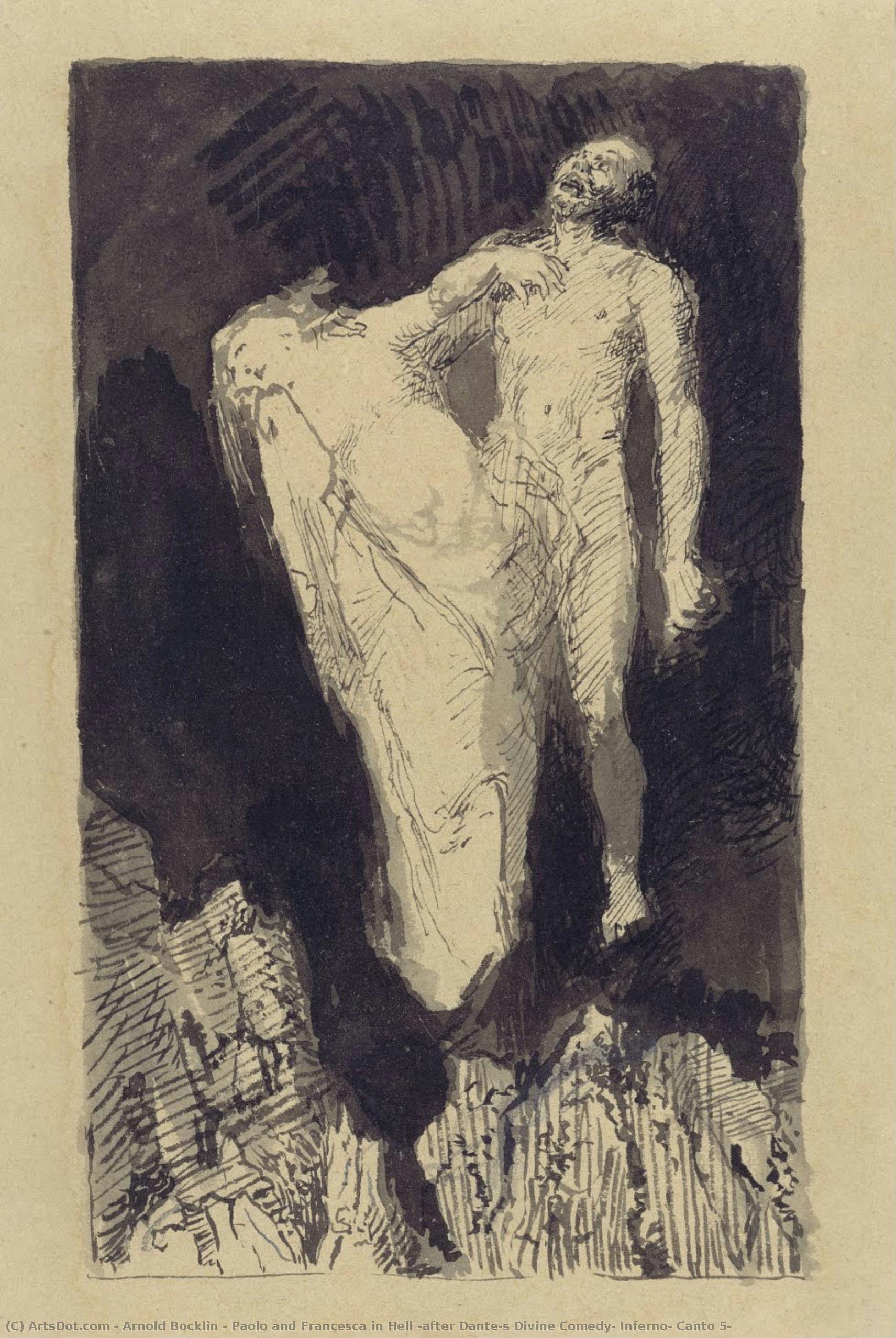
Paolo and Francesca in Hell (after Dante’s Divine Comedy, Inferno, Canto 5)
 Acrylic On Canvas
- WallArt
- Symbolist Painting
 14.0 x 22.0 cm
 クーパーシュチッヒカビネット
 詳細を見る
詳細を見る




P118B $10

P118H $10

P118W $10

P438Z $10

P508JH $12

P508YH $12

P805H $10

P805Z $10

P919BZ $10

P919G $10

P919XJ $10

P959ZH $10

P968JZ $12

W106C $8

W218G $10

W218JH $8

W218Y $10

W307PJ $10

W316G $10

W316PJ $8

W316Y $10

W398PJ $8

W4111J $10

W500HY $15

W500JH $15

W692G $12

W849H $8

W940BG $15

W953PJ $8




作品のオリジナル比率に合わせた、当店の規定サイズからお選びください。

特定のフレームやスペースに合わせて、ご希望のサイズをご入力いただけます。選択されたサイズが元の画像の比率と異なる場合、アートワークをトリミングするか、手描きで要素を追加して絵画を拡張いたします。デジタルモックアップ を制作し、制作開始前にご確認(承認)をいただきます。
画面上のプレビューは、実際のトリミングや拡張を正確に反映しているものではありません。最終的な構図は、モックアップによってのみ正確にご確認いただけます。
カスタムサイズもご利用いただけますが、元の比率を維持するためには、あらかじめ用意されたリストからサイズを選択することをお勧めいたします。
ご注文後、ArtsDot.com チームより詳細な指示をお送りするとともに、仕上がりイメージ(モックアップ)をご提供いたします。


 ガラスオプションは、110cm未満のサイズでのみご利用いただけます。

Paolo and Francesca in Hell (after Dante’s Divine Comedy, Inferno, Canto 5)
複製技法
複製画のサイズ
-


合計金額
$ 263
作品解説
The Haunting Echoes of Love and Loss
Arnold Böcklin's "Paolo and Francesca in Hell" (1893-1895) isn’t merely a depiction of a tragic tale; it’s a profound plunge into the heart of Dante Alighieri’s *Inferno*, rendered with an unsettling beauty that continues to captivate viewers over a century later. Born in Basel, Switzerland, Böcklin was a key figure in the Symbolist movement, a period characterized by its focus on subjective experience and evocative imagery rather than strict realism. He sought to capture not just what he saw, but what he *felt*, drawing heavily from the rich tapestry of mythology, folklore, and the darker currents of the human psyche.
The painting’s genesis lies within Dante's own poetic vision – specifically, Canto V of the *Divine Comedy*. Dante, guided by Virgil through the second circle of hell, encounters Paolo and Francesca, lovers condemned for their adulterous passion. Böcklin masterfully translates this harrowing encounter onto canvas, eschewing a literal representation of the infernal landscape in favor of an intensely symbolic portrayal of despair and regret. The scene unfolds within a swirling vortex of dark blues and purples, suggesting both the tumultuous emotions experienced by the doomed lovers and the chaotic nature of hell itself. The figures are rendered with a haunting ethereal quality, almost dissolving into the surrounding darkness – a visual representation of their lost humanity.
A Study in Contrasting Forms
Böcklin’s technique is deliberately restrained yet powerfully expressive. He employs a meticulous, almost photographic realism in depicting the figures themselves—Paolo and Francesca are rendered with an unnerving detail, capturing every nuance of their anguish. However, he abandons precise rendering for the surrounding environment, opting instead for loose brushstrokes and atmospheric washes that create a sense of instability and unease. The use of charcoal and quill on paper lends the image a tactile quality, as if one could almost feel the cold wind whipping around the lovers’ bodies. Notice how Böcklin utilizes contrasting forms: Paolo's outstretched arms, reaching towards Francesca, are juxtaposed against her slumped posture, conveying a desperate yearning for connection amidst overwhelming despair.
- Color Palette: Dominated by deep blues, purples, and blacks, evoking the darkness of hell.
- Brushwork: Loose and expressive, creating an atmospheric effect.
- Medium: Quill and brush on paper – contributing to a tactile quality.
Symbolism and Dante’s Moral Lesson
Beyond the immediate depiction of Paolo and Francesca's tragic fate, the painting is laden with symbolic meaning. The swirling winds represent the destructive force of their illicit love, while the desolate landscape mirrors the spiritual emptiness they have embraced. Crucially, Böcklin doesn’t simply portray a romantic tragedy; he embodies Dante’s moral lesson: that earthly passions, unchecked by virtue and reason, lead to eternal damnation. Francesca's poignant speech – as recounted in *Inferno* – highlights her refusal to accept responsibility for her actions, attributing her downfall entirely to the irresistible power of love. This echoes a central theme within the *Divine Comedy*: the importance of free will and the consequences of succumbing to temptation.
A Timeless Portrait of Despair
“Paolo and Francesca in Hell” transcends its historical context, offering a timeless meditation on love, loss, and the inescapable weight of sin. The painting’s enduring power lies not just in its depiction of a specific story from Dante's *Inferno*, but in its ability to evoke a profound sense of melancholy and existential dread. It is a haunting reminder that even the most passionate loves can lead to ruin, and that true happiness resides in aligning one’s desires with virtue and reason. Reproductions of this work continue to resonate deeply, serving as a poignant visual testament to the enduring power of human emotion and the complexities of the human condition.
関連作品
アーティストの略歴
生い立ちと修行時代
アーノルド・ベックリンは、スイスを代表する象徴主義の画家として、1827年10月16日、スイスのバーゼルに生を受けました。彼の父であるクリスティアン・フリードリヒ・ベックリンは、シャフハウゼンに古くから続く家系に属し、絹織物貿易に従事していました。また、母であるウルシュラ・リッペも同じくバーゼルの出身でした。若き日のベックリンは、デュッセルドルフ美術アカデミーにてシラーマンに師事し、その過程でアンセルム・フェイエルバッハとの親交を深めました。こうして彼は、デュッセルドルフ派の画家としての足跡を刻み始めたのです。芸術的キャリアと象徴主義
ベックリンの芸術的な旅路は、彼を様々な都市へと導きました。パリではルーヴル美術館での研鑽を積み、ローマではその壮麗な景色から多大な影響を受けました。彼の作品には、古典的な建築を背景に、寓意や神話の登場人物が描かれることが多く、そこには常に「死」や「死すべき運命(モータリティ)」という深遠なテーマが探求されていました。- 初期の代表作の一つである『大公園』では、古代神話の世界が見事に表現されています。
- この時期の重要な作品として、『ニンフとサテュロス』(1858年)や『サッフォー』(1859年)が挙げられます。
- また、ベックリン独自のスタイルを象徴するのが、『自画像:死がバイオリンを弾く』(1872年)です。
遺産と影響力
ベックリンの名を最も広く知らしめたのは、1880年から1886年にかけて描かれた5つのバージョンの『死の島』でしょう。この作品は、娘が埋葬されたフィレンツェの英国人墓地を彷彿とさせるものです。彼の芸術は、ハンス・トマのような後進の画家たちに影響を与えただけでなく、後期ロマン派の作曲家たちのインスピレーションの源ともなりました。- 批評家のクレメント・グリーンバーグは、ベックリンの作品を、その時代における「最も完成された表現の一つ」と評しました。
- 彼のスタイルはラファエル前派とも共鳴し、夢の世界や神秘主義的な側面を強調しています。
美術館とコレクション
ベックリンの傑作は、現在も世界中の様々な美術館に収蔵されています。- 公立美術コレクション(スイス、バーゼル)
- バーゼル美術館(スイス)
- チューリッヒ・クンストハウス(スイス、チューリッヒ)
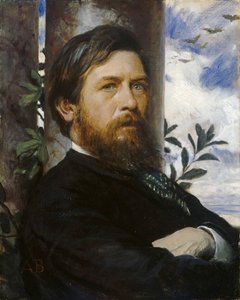
アーノルド・ベックリン
1827 - 1901 , スイス
基本情報
- Artistic Movement Or Style: 象徴主義
- Artists Or Movements Influenced By This Artist:
- ハンス・トーマ
- ラファエル前派
- Artists Who Influenced This Artist:
- シルマー
- フェーアバッハ
- Date Of Birth: 1827年10月16日
- Date Of Death: 1901年1月16日
- Full Name: アーノルド・ベックリン
- Nationality: スイス
- Notable Artworks:
- 死の島
- ニンフとサテュロス
- サッフォー
- 自画像
- Place Of Birth: スイス、バーゼル
関連記事
ダンテ・ガブリエル・ロセッティ傑作25選:美と象徴が織りなす芸術の世界 | ArtsDot
ダンテ・ガブリエル・ロセッティの傑作25選。プレラファエライトの象徴主義、美しい女性画の世界へ。油絵やアートプリントで、リビングや寝室を彩るインテリアアートを見つけましょう。ArtsDot.comで名画コレクションを探索。
Paolo Veronese: A Renaissance Master of Color, Composition, and Venetian Splendor
Explore the vibrant world of Paolo Veronese, a Renaissance master renowned for his opulent compositions, masterful use of color, and dramatic Venetian scenes. Discover key artworks & legacy.
Paolo Uccello: Pioneering Perspective & the Renaissance Pursuit of Visual Truth
Explore the revolutionary art of Paolo Uccello, a Florentine Renaissance master who pioneered perspective. Discover his iconic paintings like 'St. George & The Dragon' and learn about his lasting influence on art history.
Piero della Francesca: Renaissance Perspective, Divine Proportion & the Pursuit of Ideal Form
Explore the revolutionary art of Piero della Francesca – master of perspective, divine proportion & Renaissance humanism. Discover his iconic paintings & lasting influence on art history.
Giovanni Paolo Panini: Capturing Roman Grandeur – A Vedute Master's Legacy
Explore the captivating world of Giovanni Paolo Panini, master of Roman vedute painting. Discover his technique, iconic works, influence on art history & collecting advice from experts at ArtsDot.