

 プレビュー
プレビュー
 プリントを購入
 シェアする
シェアする シェアする
シェアする
 詳細を見る
詳細を見る

 ダウンロード
 似ている作品
 X線調査
X線調査 スライドショー
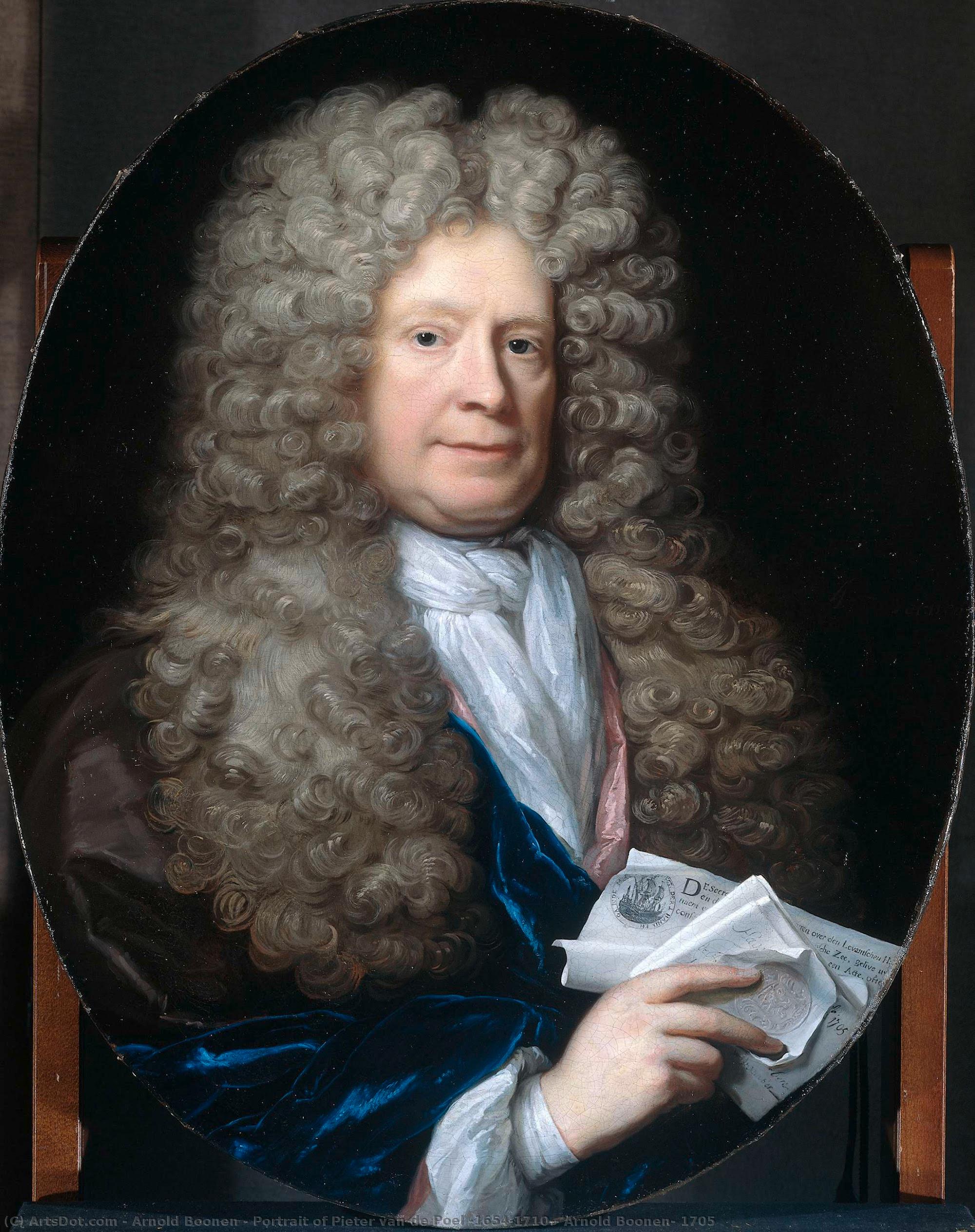
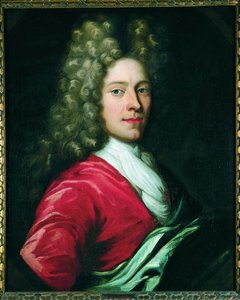
Portrait of Pieter van de Poel (1654-1710), Arnold Boonen, 1705
 Oil On Canvas
- WallArt
- Baroque
 1705
1705- Early Modern
 83.0 x 66.0 cm
 詳細を見る
詳細を見る
オンラインプレビューをはるかに凌ぐ、高解像度で鮮明なデジタル画像をご購入いただけます。
各ファイルは、社内の専門家が高度なツールと熟練した手作業によるレタッチを用いて、細心の注意を払って準備されています。すべての画像において、卓越した鮮明度、正確な色彩再現性、そして繊細なディテールを保証いたします。
最終ファイルは、プロフェッショナルな編集・印刷環境ですぐにご利用いただけるよう最適化された状態で、72時間以内にメールにてお届けいたします。これは、一流のデザインスタジオ、出版社、ギャラリーから信頼されているものと同等の品質です。
デジタル画像のご注文に付随する特典
高品質なデジタル画像配信を、確かな品質で。
ArtsDot.com を選ぶことは、単に画像を手に入れることではありません。それは、プロの手によって精密に仕上げられ、満足保証が付いた高品質なデジタルアートワークを受け取ることを意味します。ご注文いただいた際に自動的に付随する内容は、以下の通りです:

メールですぐにお届け
ご注文から72時間以内に、高解像度のデジタル画像ファイルがメールでお手元に届きます。すぐにそのままご利用いただけます。

AI技術で最適化されたデジタルファイル
お客様の作品は、高度なAIツールと専門家による手作業の編集を組み合わせてプロフェッショナルに最適化されており、細部のディテール、鮮明さ、そして正確な色再現性を最大限に引き出しています。

一生涯無料の再送サービス
ファイルを誤って削除したり、紛失してしまったりしましたか?ご安心ください。いつでも無料で再送いたします。

輸入手数料は一切かかりません
関税や手数料、配送料を気にすることなく、お気に入りのアートワークをすぐにお楽しみいただけます。デジタルダウンロードは常に免税です。

色彩再現の保証
プロ仕様のツールとカラーマネジメント技術を用いることで、デジタル画像が元の色を最大限に忠実に再現することを保証いたします。

100日間満足保証
ご購入いただいたデジタル画像にご満足いただけない場合は、100日以内であれば、修正または100%の返金(理由を問う必要はありません)をさせていただきます。

100% 返金保証
ご満足いただけない場合は、デジタルファイルを受け取ってから100日以内であれば、理由を問わず全額返金いたします。

まとめ買い割引
3枚購入で10%OFF - 5枚購入で15%OFF - 10枚以上購入で20%OFF。クリエイティブなプロジェクト、ギャラリー、エージェンシーに最適です。
Portrait of Pieter van de Poel (1654-1710) by Arnold Boonen - A Glimpse into 18th-Century Dutch Society
- Artist: Arnold Boonen
- Date: 1705
- Medium: Oil on Canvas
- Dimensions: 83 x 66 cm
Subject and Composition
This striking portrait depicts Pieter van de Poel, a prominent figure from the late 17th and early 18th centuries (1654-1710). Arnold Boonen masterfully captures Van de Poel in a half-length view, presenting him with an air of dignity and authority. The composition is carefully balanced; Van de Poel is positioned slightly off-center, drawing the viewer's eye to his face while allowing space for the details of his attire and the document he holds. His direct gaze establishes a connection with the observer, conveying confidence and intelligence. The portrait serves as a visual record of a man of status within Dutch society.
Style and Technique
Boonen’s style is firmly rooted in the tradition of 18th-century Dutch portraiture, characterized by its realism and meticulous attention to detail. The artist demonstrates exceptional skill in rendering textures – from the smooth skin of Van de Poel's face to the voluminous curls of his elaborate grey wig and the crisp folds of his clothing. The use of subtle blending techniques creates a soft, flattering effect, while the careful application of light and shadow defines form and adds depth. The oval framing of the portrait reinforces its formality and contributes to a sense of contained elegance.
Symbolism and Historical Context
Beyond a mere likeness, this portrait offers insights into Van de Poel’s position in society. His attire – a blue coat, white tie, and an impressive wig—signifies wealth and social standing. The document held in his hand is particularly significant; it likely represents his profession or responsibilities, potentially indicating involvement in commerce or governance. The pendant portrait of his wife, Margaretha van de Eeckhout (also painted by Boonen), further emphasizes the importance of this family within their community. This period in Dutch history was marked by prosperity and a flourishing merchant class, and portraits like this served as both personal commemorations and displays of social status.
Emotional Impact and Artistic Legacy
The portrait evokes a sense of quiet dignity and seriousness. Van de Poel’s expression is thoughtful, suggesting intelligence and perhaps a hint of introspection. The overall impression is one of respect and admiration for the sitter. Arnold Boonen's ability to capture not only physical likeness but also an essence of character elevates this work beyond a simple portrait; it becomes a window into the life and times of a notable individual from 18th-century Netherlands, showcasing the skill and artistry of a talented painter.
関連作品


作家の略歴
Arnold Boonen: Bridging Genre and Grandeur in 18th-Century Dutch Portraiture
Arnold Boonen (1669-1729) emerges from the vibrant tapestry of the Dutch Golden Age as a skilled and subtly influential portrait painter. Born in Dordrecht, a city steeped in artistic tradition, Boonen’s career unfolded across decades, marked by a fascinating evolution from genre scenes to a distinguished focus on formal portraits – particularly those capturing the personalities of Europe's most prominent figures. While not immediately recognized as a revolutionary force, his meticulous technique, astute observation, and ability to imbue even stately subjects with a sense of humanity cemented his position as one of the leading artists of his day, quietly shaping the visual language of Dutch society.
Boonen’s early artistic training was rooted in the workshop of Arnold Verbuis and later refined under Godefried Schalken. These formative experiences instilled within him a strong foundation in genre painting, a style characterized by its depiction of everyday life – often illuminated by candlelight, as evidenced by his early works. This penchant for capturing scenes bathed in soft light, creating an atmosphere of intimacy and drama, would later inform his approach to portraiture. However, Boonen’s artistic trajectory shifted decisively when he encountered encouragement to pursue portrait painting, a field where his talent truly flourished. He quickly demonstrated an aptitude for capturing the likenesses of his subjects with remarkable accuracy and sensitivity.
A Master of Light and Detail
Boonen's technical prowess is immediately apparent in his portraits. He possessed an exceptional eye for color, meticulously blending hues to achieve a luminous quality that brought his subjects to life. His compositions were carefully balanced, utilizing light and shadow to sculpt the forms and emphasize key features. Unlike some of his contemporaries who favored overly elaborate or theatrical displays, Boonen’s approach was characterized by restraint and elegance. He skillfully rendered fabrics, textures, and details – from the lace collars of noblewomen to the intricate patterns of court attire – with a level of precision that spoke volumes about his dedication to realism.
A key element of Boonen's style was his ability to capture not just physical likenesses but also the personalities of his subjects. He wasn’t merely reproducing appearances; he sought to convey character, mood, and even subtle expressions. This is particularly evident in his portraits of Peter the Great, a commission that showcased his talent for portraying powerful figures with both authority and a hint of human vulnerability. His ability to translate complex political and social dynamics into visual form made him highly sought after by European courts.
Notable Portraits and Influences
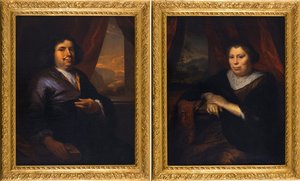
Boonen’s most celebrated works include portraits of prominent figures such as Margaretha van de Eeckhout, the wife of Pieter van de Poel, and Jan van Huysum, a renowned organist. These paintings demonstrate his mastery of capturing the elegance and sophistication of 18th-century Dutch society. The portrait of Margaretha van de Eeckhout, in particular, is notable for its dramatic lighting and evocative portrayal of the subject’s personality. Similarly, Boonen's depiction of Jan van Huysum showcases his ability to render intricate details with remarkable skill – from the musician’s instruments to the folds of his clothing.
Boonen was influenced by a number of artists, including Godefried Schalken, whose style he initially adopted. However, he quickly developed his own distinctive voice, blending genre painting techniques with refined portraiture. His work also reflects the influence of other Dutch masters, such as Rembrandt van Rijn and Frans Hals, particularly in his use of light and shadow and his ability to capture the essence of his subjects.
Legacy and Historical Significance
Despite not achieving widespread fame during his lifetime, Arnold Boonen’s contribution to Dutch portraiture is undeniable. He played a crucial role in shaping the visual culture of the 18th century, providing portraits for European royalty, nobility, and prominent citizens. His meticulous technique, astute observation, and ability to capture both physical likenesses and personalities made him one of the most sought-after artists of his day.
Boonen’s legacy endures through his surviving works, which are now housed in museums and private collections around the world. His paintings offer a valuable glimpse into the lives and times of 18th-century Europe, revealing the elegance, sophistication, and political complexities of the era. He stands as a testament to the enduring power of portraiture – not merely as a means of recording likenesses, but as a vehicle for conveying character, status, and ultimately, the human spirit.
arnold boonen
1669 - 1729 , Netherlands
プロフィール概要
- Artistic Movement Or Style: Portraiture, Genre painting
- Artists Or Movements Influenced By This Artist: ['Dutch Golden Age']
- Artists Who Influenced This Artist:
- Arnold Verbuis
- Godefried Schalken
- Date Of Birth: 16 December 1669
- Date Of Death: 2 October 1729
- Full Name: Arnold van Boonen
- Nationality: Dutch
- Notable Artworks:
- Portrait of Margaretha...
- Portrait of Jan van Huysum
- Place Of Birth: Dordrecht, Netherlands