

 シェアする
シェアする シェアする
シェアする
 詳細を見る
詳細を見る

 ダウンロード
 似ている作品
 スライドショー
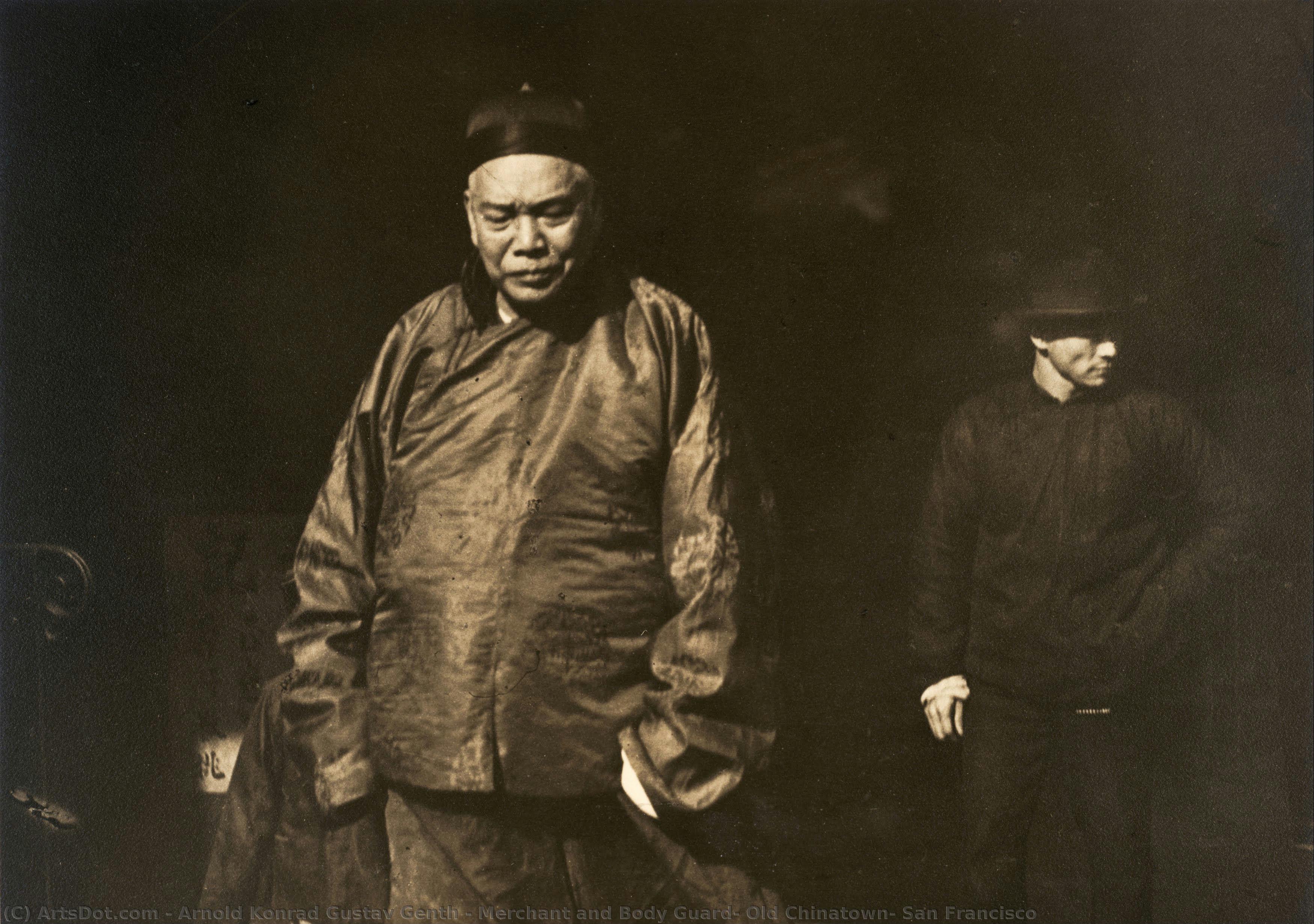
Merchant and Body Guard, Old Chinatown, San Francisco


 詳細を見る
詳細を見る
ジークレー/アートプリント
迅速な制作と多彩な仕上げオプションを備えた、ミュージアムクオリティのジークレーまたはキャンバスプリント。 ( 手描きの絵画を購入 画像を購入)




































作品のオリジナル比率に合わせた、当店の規定サイズからお選びください。

特定のフレームやスペースに合わせて、ご自身でサイズを指定することも可能です。選択されたサイズが元の画像の比率と一致しない場合、作品をトリミングするか、鏡面反射または単色での塗りつぶしによって画像を拡張いたします。制作を開始する前に、ご確認用のデジタルモックアップをお送りいたします。
画面上のプレビューには、実際のトリミングや拡張は反映されませんのでご注意ください。最終的な構図を正確に確認できるのは、モックアップのみとなります。
カスタムサイズも承っておりますが、元の比率を維持するためには、あらかじめ用意されたリストからサイズを選択することをお勧めいたします。


 ガラスオプションは、110cm未満のサイズでのみご利用いただけます。

Merchant and Body Guard, Old Chinatown, San Francisco
ジークレー/アートプリント
複製画のサイズ
-


合計金額
$ 62
A Window into Old Chinatown: Arnold Genthe’s “Merchant and Body Guard”
Arnold Genthe's "Merchant and Body Guard, Old Chinatown, San Francisco" is more than just a photograph; it’s a meticulously preserved moment in time, a poignant glimpse into the heart of a vanishing world. Captured in 1920, this remarkable image offers an unparalleled insight into the daily life of San Francisco’s historic Chinatown – a vibrant, complex community on the cusp of dramatic change. Genthe, a German émigré with a keen eye and a methodical approach, utilized his small camera to navigate the shadowed alleys and bustling streets, capturing scenes largely untouched by the commercialized lens of the era. The photograph's power lies not just in its technical execution – a testament to Genthe’s skill in manipulating light and shadow – but also in the quiet dignity and inherent humanity of its subjects.
- Subject Matter: The image focuses on two men, likely a merchant and his bodyguard, engaged in what appears to be a private conversation. Their traditional Chinese attire—long robes adorned with intricate patterns—immediately transports the viewer to a bygone era.
- Technical Brilliance: Genthe’s mastery of black-and-white photography is evident in the rich tonal range and sharp detail. The textures of the clothing, the subtle expressions on the men's faces, and the atmospheric quality of the scene are all rendered with remarkable precision.
- Historical Significance: This photograph serves as a crucial historical document, offering invaluable evidence of Chinatown’s social structure and daily routines before the devastating 1906 earthquake and subsequent redevelopment. It represents one of the last truly authentic portraits of this unique community.
The Photographer's Eye: Genthe's Approach
Genthe’s success stemmed from his deliberate methodology, a stark contrast to the often-posed and superficial photographs prevalent at the time. He wasn't interested in grand narratives or staged events; he sought genuine moments of human interaction within the fabric of everyday life. His small camera, allowing for covert observation, enabled him to capture subjects unconcerned by the presence of a photographer – a crucial element in achieving such candid and revealing portraits. This approach reflects Genthe’s academic background; his meticulousness and observational skills honed during his studies translated seamlessly into his photographic practice.
The photograph's composition is carefully considered, drawing the viewer's eye to the central figures while subtly incorporating the surrounding environment – the weathered buildings, the narrow street, and the implied activity of Chinatown. Genthe’s use of light creates a sense of depth and atmosphere, enhancing the drama and emotional impact of the scene.
Symbolism and Context
The image is deeply rooted in its historical context. San Francisco's Chinatown at the beginning of the 20th century was a melting pot of cultures, a place where Chinese immigrants sought opportunity and community amidst unfamiliar surroundings. The "Merchant and Body Guard" suggests a hierarchical social structure within the community, reflecting the complex dynamics of power and influence. The presence of the bodyguard speaks to the challenges faced by newcomers in a foreign land, highlighting themes of protection, security, and perhaps even vulnerability.
Furthermore, the photograph’s creation predates the 1906 earthquake, making it an extraordinarily poignant artifact – a visual record of a community that was tragically lost. It serves as a reminder of the fragility of urban landscapes and the importance of preserving cultural heritage.
Artistic Reproduction & Collection
ArtsDot.com offers a meticulously crafted hand-painted reproduction of Arnold Genthe’s “Merchant and Body Guard, Old Chinatown, San Francisco.” Utilizing traditional artistic techniques, our skilled artisans have painstakingly recreated every detail of the original photograph, capturing its nuanced tones, textures, and emotional depth. This reproduction is not merely a print; it's an authentic work of art that will grace your home or office with timeless beauty and historical significance.
- Authentic Reproduction: Each artwork is created by hand, ensuring unparalleled detail and quality.
- Premium Materials: Printed on archival-quality canvas using fade-resistant inks for lasting vibrancy.
- Perfect for Interior Design: This evocative image will add a touch of historical charm and artistic sophistication to any space.
関連作品
アーティストの略歴
Arnold Genthe: A Pioneer of Color and Capturer of San Francisco’s Soul
Arnold Konrad Gustav Genthe (1869-1942) stands as a pivotal figure in the history of photography, not merely for his stunning portraits of prominent figures but also for his groundbreaking work documenting the vibrant life of San Francisco's Chinatown and capturing the raw emotion of the 1906 earthquake. Born in Berlin to a scholar father and a linguist mother, Genthe’s early life instilled within him a deep appreciation for knowledge and observation – qualities that would profoundly shape his artistic vision. His journey from academic pursuits to becoming a celebrated photographer is a testament to his adaptability and relentless curiosity.
Genthe's formal education began with a doctorate in philology from the University of Jena, a foundation built upon rigorous study and analytical thinking. However, it was his relocation to San Francisco in 1895 that truly ignited his passion for photography. Initially establishing a portrait studio, he quickly recognized the city’s unique character – particularly its burgeoning Chinatown – as an irresistible subject. Unlike the often-stilted representations found on postcards, Genthe sought to capture the authentic energy and social dynamics of this complex community. He was drawn to the anonymity of the streets, the bustling commerce, and the faces of the people who called it home.
His photographic approach was revolutionary for its time. Genthe’s small, discreet cameras allowed him to move freely within Chinatown, capturing candid moments that revealed a world largely unseen by outsiders. He wasn't interested in posed portraits; instead, he documented daily life with remarkable intimacy and detail. This commitment to realism led him to experiment with the emerging autochrome process – a technique for creating full-color photographs – and he is widely credited with staging the first public exhibition of color photography in America in 1907. This bold move demonstrated his willingness to push the boundaries of photographic innovation, solidifying his place as a pioneer.
Portraits of Power and Prestige
Beyond his documentary work in Chinatown, Genthe’s career flourished through his portraiture. He quickly gained renown for his ability to capture the essence of influential figures – a skill honed by his academic background and keen observational abilities. His subjects included titans of American industry like Theodore Roosevelt, Woodrow Wilson, and John D. Rockefeller, as well as celebrated cultural icons such as Greta Garbo, Anna Pavlova, Isadora Duncan, and Ruth St. Denis. These portraits weren’t simply representations of appearance; Genthe skillfully conveyed the personalities and gravitas of his subjects through subtle gestures, expressions, and carefully composed settings.
His portraits were distinguished by a remarkable sensitivity to light and shadow, reflecting the influence of classical painting. He employed techniques reminiscent of the Pictorialist movement, prioritizing artistic expression over strict adherence to photographic realism. This approach elevated his portraits beyond mere likenesses, transforming them into evocative studies of character.
The Earthquake and its Aftermath
Perhaps Genthe’s most enduring legacy lies in his photographs documenting the devastating San Francisco earthquake of 1906. Captured amidst the chaos and destruction, these images offer a visceral record of the event's impact on the city and its inhabitants. Unlike many contemporary accounts that focused solely on the physical damage, Genthe’s photographs reveal the human cost of the disaster – the fear, resilience, and communal spirit displayed by those who survived. His series of images from “Merchant and Body Guard, Old Chinatown, San Francisco” provides a poignant glimpse into the immediate aftermath, showing rescue efforts, displaced residents, and the slow process of rebuilding.
These photographs are not merely historical documents; they possess an emotional power that transcends time. They serve as a reminder of the fragility of life and the enduring strength of the human spirit in the face of adversity. The image “Untitled (Off Pirate)” is particularly striking, capturing a moment of quiet observation amidst the surrounding turmoil.
A Lasting Impact
Arnold Genthe’s career spanned several decades, during which he consistently pushed the boundaries of photographic practice and documented significant moments in American history. He died suddenly in New York City in 1942, leaving behind a remarkable body of work that continues to captivate audiences today. His photographs are now housed in prestigious museums such as the San Francisco Museum of Modern Art and the New Orleans Museum of Art, ensuring that his artistic vision will endure for generations to come.
Genthe’s legacy extends beyond his individual achievements; he helped shape the way we perceive and understand photography. His pioneering use of color, his commitment to capturing authentic moments, and his ability to convey emotion through image have left an indelible mark on the art form. His work remains a testament to the power of photography as both a documentary medium and a powerful tool for artistic expression.
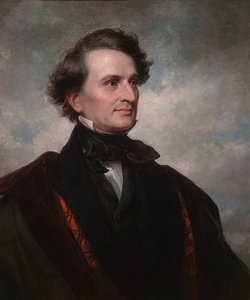
arnold konrad gustav genth
1869 - 1942 , Germany
基本情報
- Artistic Movement Or Style: Pictorialism
- Artists Or Movements Influenced By This Artist: ['']
- Artists Who Influenced This Artist: ['']
- Date Of Birth: 1869 Berlin, Germany
- Date Of Death: 1942 New York City
- Full Name: Arnold Konrad Gustav Genthe
- Nationality: German-American
- Notable Artworks:
- Untitled (Off Pirate)
- Merchant & Body Guard
- Chinatown photos
- Place Of Birth: Berlin, Prussia
関連記事

ゴヤ傑作25選:スペインの魂を揺さぶる、深遠な芸術の世界 | ArtsDot
ゴヤ傑作25選:ロマン主義を代表するスペインの巨匠、フランシスコ・デ・ゴヤの世界へ。黒衣の女からマハまで、魂を揺さぶる絵画の物語と技法を紐解きます。ArtsDotで高品質なアートレプリカを見つけ、インテリアに深みと風格を。今すぐコレクションをご覧ください。

Pictorialism: A Search for Artistic Photography's Soul – Aesthetics, Techniques & Legacy
Explore the captivating world of Pictorialism – a pivotal movement that transformed photography into fine art. Discover key artists like Stieglitz & Käsebier, techniques, and collecting tips from experts.

Giclée Prints: Archival Quality & Aesthetic Nuances for the Discerning Collector
Explore the world of giclée prints with ArtsDot. Learn about archival quality, aesthetic nuances & investment potential. Expert guidance for discerning art collectors seeking museum-quality reproductions and lasting value.

Monochrome Visions: Exploring the Aesthetic & Historical Significance of Black & White Photography
Explore the rich history & artistic power of black and white photography. From early techniques to iconic masters like Ansel Adams, discover why monochrome continues to captivate art lovers today. Expert insights for collectors.
Beyond the Lens: Photography's Enduring Influence on Modern & Contemporary Art
Explore photography's pivotal role in shaping modern & contemporary art. Discover key movements, influential artists like Stieglitz, and expert collecting advice from ArtsDot.

