

 プレビュー
プレビュー
 プリントを購入
 シェアする
シェアする シェアする
シェアする
 詳細を見る
詳細を見る

 ダウンロード
 似ている作品
 X線調査
X線調査 スライドショー
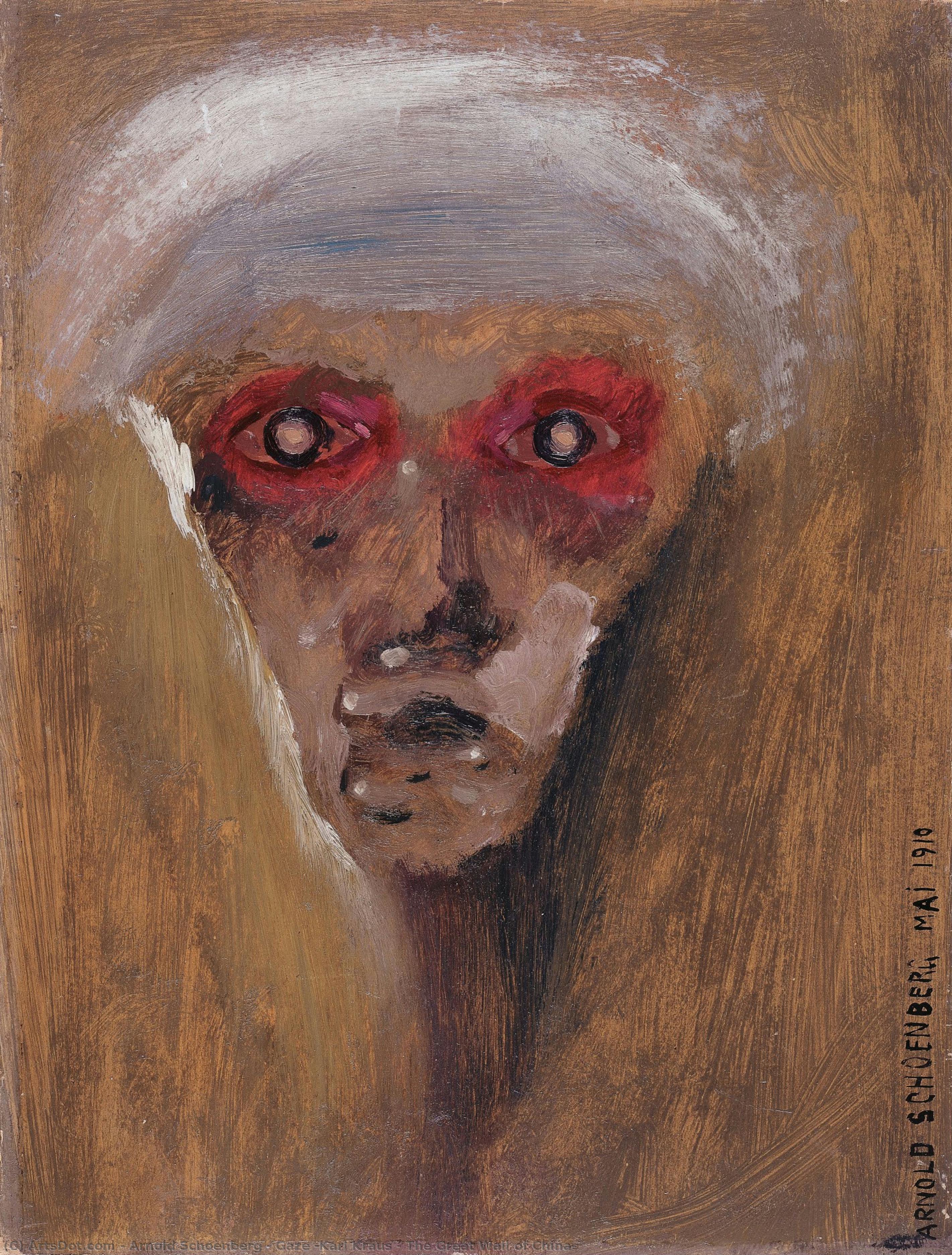
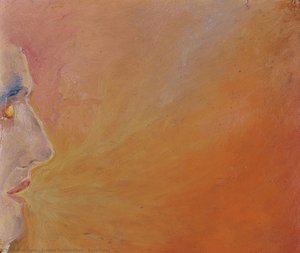
Gaze (Karl Kraus – The Great Wall of China)
 Oil On Board
- Expressionist Abstraction
 1910
1910- 19th Century
 24.0 x 32.0 cm
 Arnold Schönberg Center
 詳細を見る
詳細を見る
オンラインプレビューをはるかに凌ぐ、高解像度で鮮明なデジタル画像をご購入いただけます。
各ファイルは、社内の専門家が高度なツールと熟練した手作業によるレタッチを用いて、細心の注意を払って準備されています。すべての画像において、卓越した鮮明度、正確な色彩再現性、そして繊細なディテールを保証いたします。
最終ファイルは、プロフェッショナルな編集・印刷環境ですぐにご利用いただけるよう最適化された状態で、72時間以内にメールにてお届けいたします。これは、一流のデザインスタジオ、出版社、ギャラリーから信頼されているものと同等の品質です。
デジタル画像のご注文に付随する特典
高品質なデジタル画像配信を、確かな品質で。
ArtsDot.com を選ぶことは、単に画像を手に入れることではありません。それは、プロの手によって精密に仕上げられ、満足保証が付いた高品質なデジタルアートワークを受け取ることを意味します。ご注文いただいた際に自動的に付随する内容は、以下の通りです:

メールですぐにお届け
ご注文から72時間以内に、高解像度のデジタル画像ファイルがメールでお手元に届きます。すぐにそのままご利用いただけます。

AI技術で最適化されたデジタルファイル
お客様の作品は、高度なAIツールと専門家による手作業の編集を組み合わせてプロフェッショナルに最適化されており、細部のディテール、鮮明さ、そして正確な色再現性を最大限に引き出しています。

一生涯無料の再送サービス
ファイルを誤って削除したり、紛失してしまったりしましたか?ご安心ください。いつでも無料で再送いたします。

輸入手数料は一切かかりません
関税や手数料、配送料を気にすることなく、お気に入りのアートワークをすぐにお楽しみいただけます。デジタルダウンロードは常に免税です。

色彩再現の保証
プロ仕様のツールとカラーマネジメント技術を用いることで、デジタル画像が元の色を最大限に忠実に再現することを保証いたします。

100日間満足保証
ご購入いただいたデジタル画像にご満足いただけない場合は、100日以内であれば、理由を問わず修正または100%の返金対応をさせていただきます。

100% 返金保証
ご満足いただけない場合は、デジタルファイルを受け取ってから100日以内であれば、理由を問わず全額返金いたします。

まとめ買い割引
3枚購入で10%OFF - 5枚購入で15%OFF - 10枚以上購入で20%OFF。クリエイティブなプロジェクト、ギャラリー、エージェンシーに最適です。
Gaze: A Portrait of Anxiety in Schoenberg's 'The Great Wall of China'
Arnold Schoenberg’s “Gaze,” painted in 1910, is more than just a striking visual; it’s a haunting echo of the anxieties simmering beneath the surface of early 20th-century Vienna. This small oil on board – measuring a mere 24 x 32 cm – captures a moment of profound unease, born from Karl Kraus's controversial lecture, “Die chinesische Mauer” (The Great Wall of China). The lecture itself, delivered in 1910 and inspired by the brutal murder of Elsie Sigel in Chinatown, New York, exposed the dark undercurrents of societal anxieties surrounding immigration, violence, and the perceived ‘other.’ Schoenberg, deeply embedded within Vienna’s artistic circle – a key figure alongside Alban Berg and Anton Webern – responded to this unsettling narrative with an image that refuses easy interpretation.
- Subject & Composition: The painting centers on a distorted face, rendered in jarring hues of red and blue. The subject's gaze is intensely focused, almost predatory, immediately drawing the viewer into its unsettling presence.
- Color Palette: The deliberate use of vibrant red and blue creates an immediate sense of discordance. Red, traditionally associated with passion and danger, amplifies the feeling of threat, while blue evokes a chilling emptiness or perhaps a melancholic reflection on loss.
- Background Detail: A stark yellow wall serves as a backdrop, further isolating the figure and intensifying the overall atmosphere of alienation and confinement.
Historical Context & The Influence of Kraus
Understanding “Gaze” requires acknowledging its genesis within Vienna’s intellectual ferment. Schoenberg was deeply influenced by Karl Kraus's lecture, which interrogated the complexities of race relations and social justice in a rapidly changing world. Kraus’s work challenged prevailing notions of European superiority and exposed the vulnerability of marginalized communities. The murder of Elsie Sigel, a case that captivated the press, became a potent symbol of these anxieties. Schoenberg wasn’t simply depicting a face; he was visually translating the unsettling questions raised by Kraus's words – questions about identity, power, and the potential for violence.
The painting’s creation coincided with Schönberg’s involvement in organizing concerts for the Academic Association for Literature and Music, further cementing his position within Vienna’s artistic elite. This context highlights the work’s engagement with contemporary social and political debates, making it a valuable document of its time.
Technique & Artistic Style
"Gaze" exemplifies Schoenberg's evolving style in the early 20th century. While rooted in his earlier expressionist tendencies – particularly evident in the distorted features and unsettling color palette – the painting demonstrates a growing interest in abstraction. The deliberate manipulation of form and color, rather than a realistic representation, suggests a move towards exploring emotional states through purely visual means. Schoenberg’s use of oil on board allows for rich textures and subtle gradations of tone, contributing to the painting's overall sense of depth and complexity.
The technique employed is characterized by bold brushstrokes and a deliberate lack of blending, creating a fragmented and unsettling effect that mirrors the anxieties conveyed in the subject matter. The surface texture itself adds another layer of visual interest, inviting closer inspection and encouraging viewers to confront the painting’s disturbing imagery.
Symbolism & Emotional Impact
Ultimately, “Gaze” is a powerfully evocative work that transcends its historical context. The distorted face can be interpreted as representing not just an individual but also the anxieties of a society grappling with rapid change and unsettling truths. The intense gaze itself suggests a sense of judgment, accusation, or perhaps even madness. It’s a portrait of psychological distress, rendered in a visually arresting manner. This reproduction offers a unique opportunity to own a piece of art that continues to provoke thought and emotion over a century later.
関連作品
作家の略歴
幼少期と音楽への第一歩
アルノルト・シェーンベルクは、オーストリア系アメリカ人の作曲家であり、1874年9月13日、オーストリアのウィーンに生を受けました。彼の幼少期は、靴屋を営む父のもと、決して裕福とは言えない質素な環境の中にありました。しかし、その内なる音楽への情熱は、彼を独学という険しい道へと駆り立て、自らの手で音楽の深淵へと踏み込ませたのです。音楽的進化と代表作
シェーンベルクの初期作品、例えば 『変容した夜』(1899年) は、ブラームスとワーグナーの様式を融合させた見事なシンセシスを示していました。やがて彼は、アントン・ヴェベルン や アルバン・ベルク と共に、新ウィーン楽派の中核を担う存在へと成長を遂げます。その後の 弦楽四重奏曲第2番 (1907–1908年)、『期待』(1909年)、そして 『ピエロ・ルナール』(1912年) といった作品群は、無調音楽への革新的なアプローチを象徴するものとなりました。教授活動と亡命、そして晩年
1933年、ナチスの台頭により、シェーンベルクの音楽は「退廃芸術」の烙印を押され、彼はプロイセン芸術アカデミーを辞任することを余儀なくされました。その後、彼はアメリカへと渡り、カリフォルニア大学ロサンゼルス校(UCLA)などで教鞭を執りました。現在、同大学の施設には彼の名を冠したものが存在しています。 [https://ArtsDot.com/@/arnold-sochenberg](ArtsDotでシェーンベルクの生涯と作品についてさらに詳しく知る)。- シェーンベルクは映画音楽の探求や、より調性的な音楽の作曲にも取り組み、1939年には 室内交響曲第2番 を完成させました。
- また、バイロンに倣い、『ナポレオンへの頌歌』(1942年) においてファシズムの暴君を風刺しました。
- 戦後のウィーンからは名誉市民権を贈られましたが、晩年は病に伏しており、その様子は 弦楽三重奏曲 (1946年) にも刻まれています。
遺産と影響力
ホロコーストの悲劇が世界に知れ渡る中、シェーンベルクは 『ワルシャワの生存者』(1947年) を通じて、犠牲者たちを追悼しました。1951年には、イスラエル・コンサバトリーおよび音楽院から名誉会長に選出されました。 [https://ArtsDot.com/@@/a@d3bqc7-the-museum-destroyed-by-fire-(united-states)](彼の作品が与えた影響についてArtsDotで詳しく学ぶ)。 重要なポイント:- シェーンベルクの革新的な音楽は、20世紀のクラシック音楽において最も影響力があり、かつ論争を巻き起こしたものの一つでした。
- 少なくとも三世代にわたる作曲家たちが、彼の形式的な原理を継承・発展させました。
- 彼の美学と音楽史的見解は、音楽学者のテオドール・W・アドルノやカール・ダールハウスにも多大な影響を与えました。
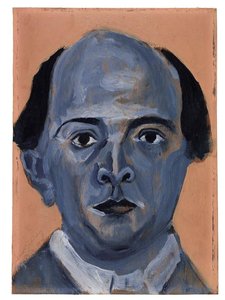
アーノルド・シェーンベルク
1874 - 1951 , オーストリア
プロフィール概要
- Artistic Movement Or Style: 十二音技法、表現主義
- Artists Or Movements Influenced By This Artist:
- アントン・ウェーベルン
- アルバン・ベルク
- Artists Who Influenced This Artist:
- ヨハネス・ブラームス
- リヒャルト・ワーグナー
- Date Of Birth: 1874年9月13日
- Date Of Death: 1951年
- Full Name: アーノルド・シェーンベルク
- Nationality: オーストリア系アメリカ人
- Notable Artworks:
- 組曲 作品29
- ミュージック・タイプライター
- スタッフライナー
- Place Of Birth: オーストリア、ウィーン