 プレビュー
プレビュー
 プリントを購入
 シェアする
シェアする シェアする
シェアする
 詳細を見る
詳細を見る

 ダウンロード
 似ている作品
 X線調査
X線調査 スライドショー
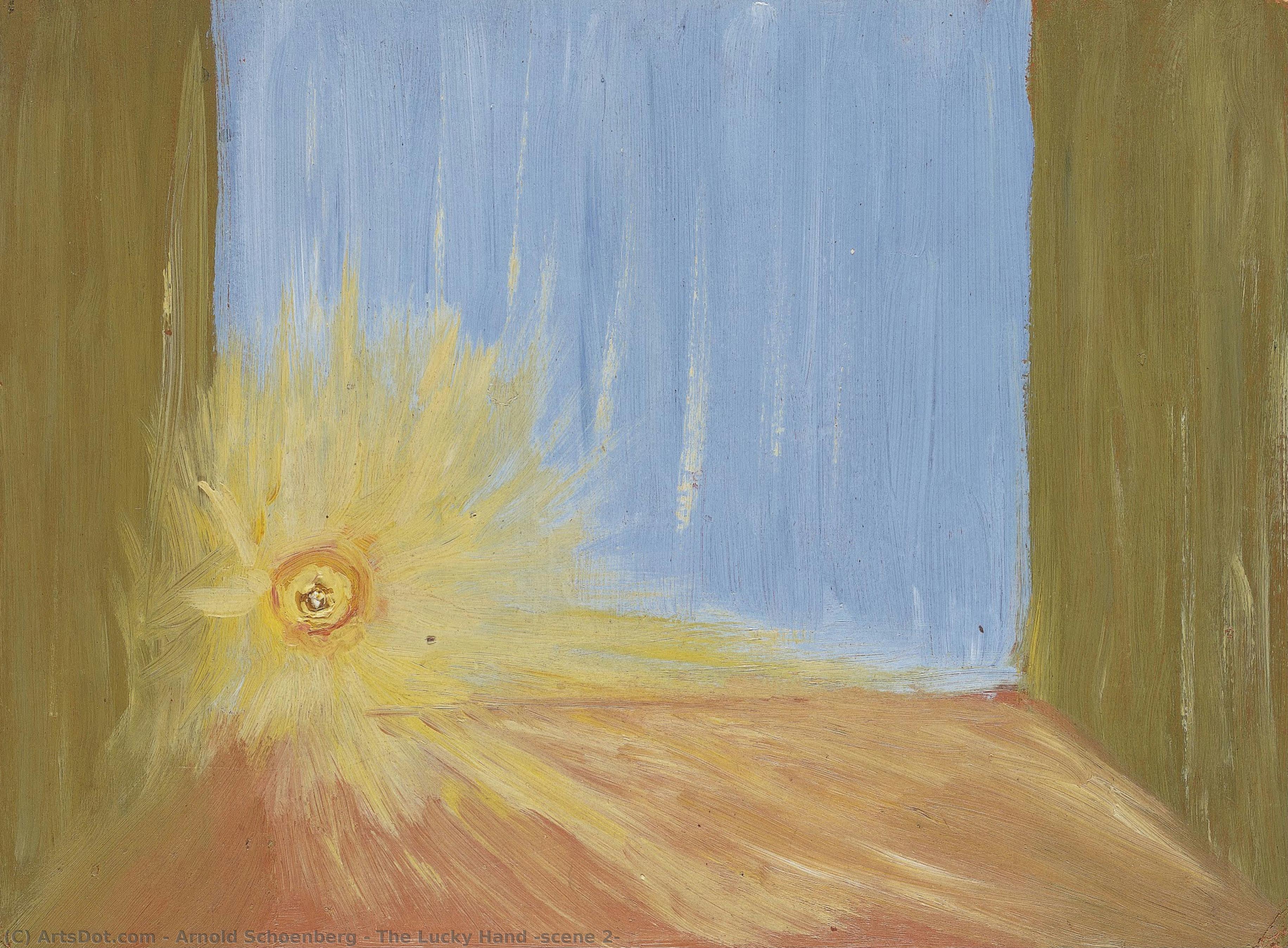
The Lucky Hand (scene 2)
 Acrylic On Canvas
- WallArt
- Expressionist Modernism
 1910
1910- 19th Century
 30.0 x 22.0 cm
 Arnold Schönberg Center
 詳細を見る
詳細を見る




P118B $10

P118H $10

P118W $10

P438Z $10

P508JH $12

P508YH $12

P805H $10

P805Z $10

P919BZ $10

P919G $10

P919XJ $10

P959ZH $10

P968JZ $12

W106C $8

W218G $10

W218JH $8

W218Y $10

W307PJ $10

W316G $10

W316PJ $8

W316Y $10

W398PJ $8

W4111J $10

W500HY $15

W500JH $15

W692G $12

W849H $8

W940BG $15

W953PJ $8




作品のオリジナル比率に合わせた、当店の規定サイズからお選びください。

特定のフレームやスペースに合わせて、ご希望のサイズをご入力いただけます。選択されたサイズが元の画像の比率と異なる場合、アートワークをトリミングするか、手描きで要素を追加して絵画を拡張いたします。デジタルモックアップ を制作し、制作開始前にご確認(承認)をいただきます。
画面上のプレビューは、実際のトリミングや拡張を正確に反映しているものではありません。最終的な構図は、モックアップによってのみ正確にご確認いただけます。
カスタムサイズもご利用いただけますが、元の比率を維持するためには、あらかじめ用意されたリストからサイズを選択することをお勧めいたします。
ご注文後、ArtsDot.com チームより詳細な指示をお送りするとともに、仕上がりイメージ(モックアップ)をご提供いたします。


 ガラスオプションは、110cm未満のサイズでのみご利用いただけます。

The Lucky Hand (scene 2)
複製技法
複製画のサイズ
-


合計金額
$ 263
The Enigmatic Radiance of "The Lucky Hand" (Scene 2)
Arnold Schönberg’s “Die glückliche Hand” (“The Lucky Hand”) is more than just an opera scene; it's a meticulously crafted exploration of light, shadow, and the human condition. Painted in 1910, this intimate artwork – measuring 30 x 22 cm – captures the pivotal second scene of Schönberg’s dramatic work, first performed in 1924. The painting immediately draws the viewer into a world dominated by intense, almost unbearable, sunlight, a deliberate choice reflecting Schönberg's innovative approach to musical atonality and his desire to disrupt traditional harmonic expectations.
- A Stage of Light: The composition centers around a circular aperture – five feet in diameter – that floods the stage with a searing yellow light. This isn’t merely a backdrop; it's an active force, shaping the entire scene and demanding attention.
- Color Palette: The artist employs a restrained yet powerful palette of blues, yellows, and greens. The deep blue sky contrasts dramatically with the warm brown earth and the intense yellow of the sun, creating a visual tension that mirrors the drama unfolding within the opera’s narrative.
- Figure in Silhouette: A solitary figure stands on a beach, rendered as a dark silhouette against this radiant backdrop. This figure embodies contemplation and perhaps even despair, dwarfed by the overwhelming power of nature and the relentless pursuit of fortune – a central theme of the opera.
Historical Context & Schönberg’s Vision
Schönberg's “The Lucky Hand” emerged from a period of profound artistic experimentation in Vienna at the beginning of the 20th century. He was pushing boundaries, rejecting traditional tonal harmony and exploring new ways to represent emotion and experience through music and visual art. The stage direction for this scene – "A somewhat larger stage area; deeper and wider than the first. In the background a soft, blue, skylike backdrop. Below, left, close to the bright brown earth, a circular cut-out five feet in diameter through which glaring, yellow sunlight spreads over the stage" – reveals Schönberg’s meticulous attention to detail and his desire to create an immersive theatrical experience. This scene is a key element of his broader project to challenge conventional artistic norms.
Born in Vienna in 1874, Arnold Schönberg was a pivotal figure in musical history. His work, particularly during this period, foreshadowed the development of serialism and other avant-garde compositional techniques that would profoundly influence 20th-century music. The painting’s creation aligns perfectly with Schönberg's artistic trajectory – a bold statement against established traditions.
Symbolic Resonance & Emotional Impact
The intense sunlight in “The Lucky Hand” is laden with symbolic weight. It represents both opportunity and danger, fortune and ruin. The figure on the beach could be interpreted as humanity itself, exposed to the overwhelming forces of fate. The circular aperture acts as a portal, inviting the viewer into Schönberg’s world of musical and visual innovation. The painting evokes a sense of isolation, vulnerability, and perhaps even awe in the face of nature's power.
Schönberg’s deliberate use of light and shadow creates a powerful emotional impact, drawing the viewer into the heart of the drama. The stark contrast between the bright sun and the dark silhouette generates a feeling of unease and suspense, reflecting the opera’s themes of greed, deception, and ultimately, the illusion of happiness.
Perfect for Collection & Interior Design
"The Lucky Hand" (Scene 2) is a captivating artwork that would be a stunning addition to any art collection or interior design scheme. This hand-painted reproduction offers an authentic representation of Schönberg’s vision, capturing the drama and intensity of this pivotal scene. Its size – 30 x 22 cm – makes it ideal for display on shelves, desks, or as part of a larger gallery wall arrangement. The artwork's rich color palette and evocative imagery will undoubtedly spark conversation and add a touch of artistic sophistication to any space.
関連作品
アーティストの略歴
幼少期と音楽への第一歩
アルノルト・シェーンベルクは、オーストリア系アメリカ人の作曲家であり、1874年9月13日、オーストリアのウィーンに生を受けました。彼の幼少期は、靴屋を営む父のもと、決して裕福とは言えない質素な環境の中にありました。しかし、その内なる音楽への情熱は、彼を独学という険しい道へと駆り立て、自らの手で音楽の深淵へと踏み込ませたのです。音楽的進化と代表作
シェーンベルクの初期作品、例えば 『変容した夜』(1899年) は、ブラームスとワーグナーの様式を融合させた見事なシンセシスを示していました。やがて彼は、アントン・ヴェベルン や アルバン・ベルク と共に、新ウィーン楽派の中核を担う存在へと成長を遂げます。その後の 弦楽四重奏曲第2番 (1907–1908年)、『期待』(1909年)、そして 『ピエロ・ルナール』(1912年) といった作品群は、無調音楽への革新的なアプローチを象徴するものとなりました。教授活動と亡命、そして晩年
1933年、ナチスの台頭により、シェーンベルクの音楽は「退廃芸術」の烙印を押され、彼はプロイセン芸術アカデミーを辞任することを余儀なくされました。その後、彼はアメリカへと渡り、カリフォルニア大学ロサンゼルス校(UCLA)などで教鞭を執りました。現在、同大学の施設には彼の名を冠したものが存在しています。 [https://ArtsDot.com/@/arnold-sochenberg](ArtsDotでシェーンベルクの生涯と作品についてさらに詳しく知る)。- シェーンベルクは映画音楽の探求や、より調性的な音楽の作曲にも取り組み、1939年には 室内交響曲第2番 を完成させました。
- また、バイロンに倣い、『ナポレオンへの頌歌』(1942年) においてファシズムの暴君を風刺しました。
- 戦後のウィーンからは名誉市民権を贈られましたが、晩年は病に伏しており、その様子は 弦楽三重奏曲 (1946年) にも刻まれています。
遺産と影響力
ホロコーストの悲劇が世界に知れ渡る中、シェーンベルクは 『ワルシャワの生存者』(1947年) を通じて、犠牲者たちを追悼しました。1951年には、イスラエル・コンサバトリーおよび音楽院から名誉会長に選出されました。 [https://ArtsDot.com/@@/a@d3bqc7-the-museum-destroyed-by-fire-(united-states)](彼の作品が与えた影響についてArtsDotで詳しく学ぶ)。 重要なポイント:- シェーンベルクの革新的な音楽は、20世紀のクラシック音楽において最も影響力があり、かつ論争を巻き起こしたものの一つでした。
- 少なくとも三世代にわたる作曲家たちが、彼の形式的な原理を継承・発展させました。
- 彼の美学と音楽史的見解は、音楽学者のテオドール・W・アドルノやカール・ダールハウスにも多大な影響を与えました。
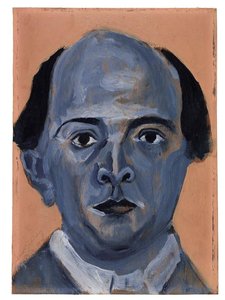
アーノルド・シェーンベルク
1874 - 1951 , オーストリア
基本情報
- Artistic Movement Or Style: 十二音技法、表現主義
- Artists Or Movements Influenced By This Artist:
- アントン・ウェーベルン
- アルバン・ベルク
- Artists Who Influenced This Artist:
- ヨハネス・ブラームス
- リヒャルト・ワーグナー
- Date Of Birth: 1874年9月13日
- Date Of Death: 1951年
- Full Name: アーノルド・シェーンベルク
- Nationality: オーストリア系アメリカ人
- Notable Artworks:
- 組曲 作品29
- ミュージック・タイプライター
- スタッフライナー
- Place Of Birth: オーストリア、ウィーン
関連記事

Giclée Prints: Archival Quality & Aesthetic Nuances for the Discerning Collector
Explore the world of giclée prints with ArtsDot. Learn about archival quality, aesthetic nuances & investment potential. Expert guidance for discerning art collectors seeking museum-quality reproductions and lasting value.

Echoes of Time: Exploring the Enduring Appeal & Historical Context of Vintage Art Prints
Explore the captivating world of vintage art prints! Discover their history, collecting tips & enduring appeal. Expert insights on chromolithography and building a legacy collection with ArtsDot.
エリートコレクター必見:ArtsDotで実際に作るオリジナル手描き・デジタル再現、在庫自動同期&価格計算で売上と美学を最大化
ArtsDotは、世界中の名作を手描き・デジタルで再現する専門家集団。高品質な油彩とAI技術で在庫自動同期・価格計算を実現し、エリートコレクターに信頼と価値を提供します。
Transforming Spaces: A Comprehensive Exploration of Wall Decor Through Art History & Contemporary Practice
Explore the art of transforming spaces with our comprehensive guide to wall decor. From historical movements to contemporary trends, discover how to curate impactful interiors and commission bespoke artwork for a truly personalized aesthetic.
高級デザインにおけるフレスコ画の隆盛:壁画芸術の再興と新たな表現
ホテルデザインを格上げするフレスコ画の魅力とは?古代から現代までの歴史、技法、デザインプロセスを解説。ArtsDot.comでカスタムオーダーも可能です。空間を彩る壁画芸術の世界をご体験ください。