

 シェアする
シェアする シェアする
シェアする
 詳細を見る
詳細を見る

 ダウンロード
 似ている作品
 スライドショー
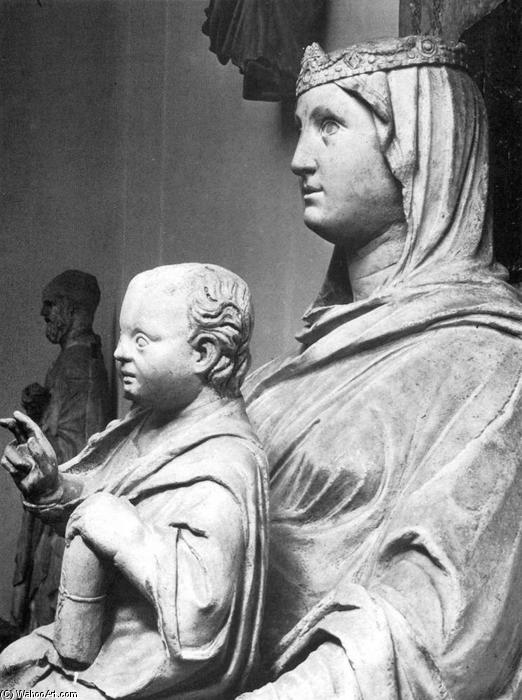
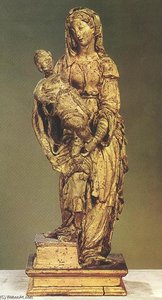
Madonna and Child (detail)


 詳細を見る
詳細を見る
ジークレー/アートプリント
迅速な制作と多彩な仕上げオプションを備えた、ミュージアムクオリティのジークレーまたはキャンバスプリント。 ( 手描きの絵画を購入 画像を購入)




































作品のオリジナル比率に合わせた、当店の規定サイズからお選びください。

特定のフレームやスペースに合わせて、ご自身でサイズを指定することも可能です。選択されたサイズが元の画像の比率と一致しない場合、作品をトリミングするか、鏡面反射または単色での塗りつぶしによって画像を拡張いたします。制作を開始する前に、ご確認用のデジタルモックアップをお送りいたします。
画面上のプレビューには、実際のトリミングや拡張は反映されませんのでご注意ください。最終的な構図を正確に確認できるのは、モックアップのみとなります。
カスタムサイズも承っておりますが、元の比率を維持するためには、あらかじめ用意されたリストからサイズを選択することをお勧めいたします。


 ガラスオプションは、110cm未満のサイズでのみご利用いただけます。

Madonna and Child (detail)
ジークレー/アートプリント
複製画のサイズ
-


合計金額
$ 62
作品詳細説明
A Testament to Faith: Examining Arnolfo di Cambio’s Madonna and Child (detail)
Arnolfo di Cambio, born in Colle Val D'Elsa around 1245 and passing away in Rome circa 1310, stands as a pivotal figure in Florentine art history—a sculptor who deftly bridged the Gothic and burgeoning Renaissance movements. His legacy resides not merely in monumental architectural achievements like the Palazzo Vecchio but profoundly shaped the artistic landscape of his time through masterful depictions of religious subjects, particularly exemplified by “Madonna and Child (detail).” This exquisite marble sculpture offers a glimpse into the artistic sensibilities of the late Medieval period and embodies enduring themes of maternal devotion and divine grace.- Composition & Perspective: The artwork’s tightly framed composition immediately draws the viewer's eye to the serene visage of Mary and the tender posture of Christ. Di Cambio skillfully employs perspective, subtly receding into space to create depth and emphasizing the Madonna’s profile facing left—a compositional choice characteristic of Gothic sculpture yet imbued with a humanist awareness gaining traction in Rome during his formative years.
- Material & Technique: Crafted from Carrara marble – sourced locally and prized for its purity and translucency – the sculpture demonstrates exceptional technical prowess. Di Cambio meticulously carved the stone into precise contours, utilizing chisels and hammers to achieve remarkable realism. The sculptor’s technique reflects the prevailing methods of his era, prioritizing anatomical accuracy and conveying emotion through subtle modeling and shading.
- Stylistic Influences: “Madonna and Child” bears unmistakable marks of Gothic artistic traditions, notably evident in the flowing drapery lines that drape around Mary's figure—a stylistic hallmark of Di Cambio’s earlier commissions on the Siena Cathedral pulpit alongside Nicola Pisano. However, it simultaneously foreshadows the humanist ideals championed by artists like Brunelleschi and Michelangelo, reflecting a broader shift towards naturalistic representation and emotional expression.
- Symbolism & Iconography: The Madonna and Child motif itself carries immense symbolic weight within Christian iconography. Mary embodies purity, compassion, and divine motherhood—qualities revered throughout the medieval world. Christ represents redemption and divine grace, symbolizing humanity’s salvation through faith. Di Cambio's careful rendering of these figures underscores their spiritual significance, inviting contemplation on themes of piety and transcendence.
- Lighting & Texture: The sculpture’s surface exhibits a delicate texture—a subtle interplay of light and shadow that enhances its realism. Di Cambio skillfully manipulated the marble to capture the nuances of form and materiality, mirroring the meticulous attention to detail found in contemporaneous artworks. Diffused lighting contributes to an atmosphere of solemn reverence, emphasizing the Madonna's serene countenance and fostering a connection with viewers across centuries.
Historical Context: Rome & The Cosmatesque Style
Arnolfo di Cambio’s artistic journey unfolded against the backdrop of Rome during the reign of King Charles I of Anjou—a period marked by significant architectural innovation and stylistic experimentation. He was deeply influenced by the Cosmatesque style, characterized by intricate inlaid marble decorations and vibrant polychrome glass mosaics – a visual language that celebrated both classical grandeur and Christian spirituality. This fascination with antiquity informed Di Cambio’s artistic vision, propelling him to recreate ancient models like abundantia—a testament to the intellectual ferment of his time.Emotional Impact & Artistic Legacy
“Madonna and Child (detail)” transcends mere visual representation; it communicates profound emotional resonance. The sculpture's tranquil expressions convey peace and serenity—inviting viewers to contemplate the beauty of faith and the sanctity of maternal love. Arnolfo di Cambio’s enduring contribution to Florentine art lies in his ability to synthesize Gothic formalism with humanist ideals, establishing him as a cornerstone of Renaissance sculpture and securing his place among the most revered artists of his era. Its meticulous craftsmanship and evocative symbolism continue to inspire admiration and contemplation today.関連作品
アーティストの略歴
フィレンツェの壮麗を築いた建築家
アルノルフォ・ディ・カンビオは、イタリア美術史に燦然と輝く巨星であり、中世から初期ルネサンスへと移り変わるフィレンツェの街並みの輪郭そのものを形作った建築家であり彫刻家でした。1245年頃、コッレ・ヴァル・ダルサに生まれた彼の生涯は、芸術における深遠な変革期と重なります。彼は古代ローマの壮大な遺産を吸収しながら、同時に、その後数世紀にわたってゴシック様式の感性を定義することとなる新たな形式を切り拓いていきました。ニコラ・ピザーノといった巨匠のもとでの修行は、彼にかけがえのない基礎を与えました。その卓越した技量は、1265年から1献68年にかけてシエナ大聖堂のために手がけた大理石の説教壇に、鮮明に刻まれています。
しかし、アルノルフォの天才性は、単一の場所や様式に留まるものではありませんでした。各地への旅と数々の依頼は、彼に息を呑むほど幅広い経験をもたらしました。ローマにおいてはアンジュー家の国王シャルル1世に仕え、カンピドリオに安置された壮麗な彫像の制作に貢献しました。この活気あふれるローマの環境こそが、古典的な形態への理解を深める場となり、その影響は後の彼の装飾計画の随所に浸透していくことになります。
彫刻と記念碑的デザインにおける極致
彼の彫刻における業績は、驚くべき多才さを物語っています。その最たる例が、1282年頃にオルヴィエートのサン・ドメニコ教会で完成させた、枢機卿ギヨーム・ド・ブレイのための記念碑です。ここにおいて、彼のビジョンは見事に具現化されました。とりわけ、玉座に座る聖母(マエスタ)の姿は圧巻です。この作品のモデルは、古代ローマの彫像、具体的には豊穣の女神アブンダンティアから直接的な着想を得ており、古典的な語彙をキリスト教的な物語へと見事に織り交ぜることに成功しています。さらに、聖母が戴くティアラや宝石の細部については、アンティークのモデルを緻密に再現しているとして学者たちの注目を集めており、歴史に対する彼の深い学術的探究心を証明しています。
また、アルノルフォとローマ装飾芸術との結びつきは極めて深いものでした。コスマーテ様式の芸術を間近で目にした彼は、その影響をサン・パオロ・フオリ・レ・ムーラ大聖堂やトラステヴェレのサンタ・チェチリア教会といった主要な建築物の、複雑なインタルシア(象嵌)や多色ガラスの装飾へと注ぎ込みました。彼の活動は、サンタ・マリア・マッジョーレのプレセピオ(降誕場面)の制作から、教皇ボニファティウス8世のための記念碑への寄与に至るまで、記念碑的な依頼を通じて脈々と続いていきました。
フィレンツェのスカイラインを形作る
1294年から1295年にかけての時期、アルノルフォは主に建築家としてフィレンツェで精力的に活動しました。ジョルジョ・ヴァザーリの詳細な記録によれば、彼は市の大聖堂建設の監督を任されており、その役割が彼をマスター・ビルダーとしての地位を不動のものにしました。時代の経過とともに正面下部の装飾の多くは損傷を受けてしまいましたが、現存する彫像には今なお彼の卓越した技術が力強く刻まれています。一部の帰属については議論の余地があるものの、サンタ・クロチェ教会の設計はしばしば彼に関連付けられており、ヴァザーリはまた、サン・ジョヴァンニ・ヴァルダルノの都市計画の功績も彼に帰しています。
アルノルフォの記念碑的な精神が、フィレンツェという街の佇まいに消し去ることのできない足跡を残したことは疑いようもありません。特に彼の葬送記念碑は一つの基準を確立し、その後の世代のイタリア人職人たちにとって、ゴシック様式の葬送芸術における決定的な模範となったのです。
遺産と永劫に続く影響
アルノルフォ・ディ・カンビオは、単なる職人の枠を超えた「芸術の統合者」でした。彼は、古代ローマの重厚さ、ゴシック期の飛翔するような志、そして後にルネサンスとして開花することになる初期の人文主義という、異なる歴史的様式を橋渡しする稀有な能力を備えていました。ヴァザーリの『芸術家列伝』に記された彼の包括的な作品群は、彼が単なる美術史の参加者ではなく、美術史における最も重要な建築家であり彫刻家の一人であることを確固たるものにしています。
彼の天才性は、この統合の中に宿っています: 過去への深い敬意を、未来への革新的なビジョンへと昇華させたこと。
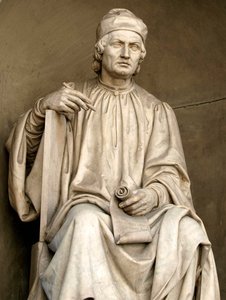
アルノルフォ・ディ・カンビオ
1245 - 1310 , イタリア
基本情報
- Artistic Movement Or Style: 元代の絵画
- Artists Who Influenced This Artist: ['温通']
- Date Of Birth: 1245年
- Date Of Death: 1320年
- Full Name: 李衎 (Li Kàn)
- Nationality: 中国
- Notable Artworks: ['墨竹画']
- Place Of Birth: 集州(北京)
関連記事

ジョット・ディ・ボンドーネ:至高の25選 - ルネサンスの夜明けを彩る傑作たち | ArtsDot
ジョット・ディ・ボンドーネの至高の25選。ルネサンス美術を牽引した巨匠の傑作と、その感動的な物語を紐解きます。高品質な絵画複製やインテリアアートで、名画の世界をあなたの空間に。ArtsDot.com でコレクションをご覧ください。

Bronze Sculptures That Defined Art History | ArtsDot
Journey through art history with our Top 10 bronze sculptures! Explore masterpieces by Rodin, Michelangelo & more. Discover stories behind iconic statues and find museum-quality reproductions for your home decor at ArtsDot.com.

The Enduring Form: Exploring Themes & Techniques in Sculpture Across Historical Periods
Explore the rich history of sculpture from ancient masterpieces to contemporary innovations. Discover key techniques, influential artists & investment potential for discerning art collectors.

Bronze Age to Modern Masters: 10 Sculptures That Redefined Art | ArtsDot
Journey through art history with 10 legendary bronze sculptures – from Michelangelo's David to Rodin’s Thinker. Explore the stories, techniques & timeless beauty of these masterpieces. Find museum-quality reproductions & elevate your home decor on ArtsDot.com.

The Enduring Form: Sculpture Across History, Technique & Emotional Resonance
Explore the rich history of sculpture with ArtsDot. Discover key techniques, influential artists & investment potential for discerning collectors. Expert insights into valuing and collecting timeless masterpieces.

