

 プレビュー
プレビュー
 シェアする
シェアする シェアする
シェアする
 詳細を見る
詳細を見る

 ダウンロード
 似ている作品
 X線調査
X線調査 スライドショー
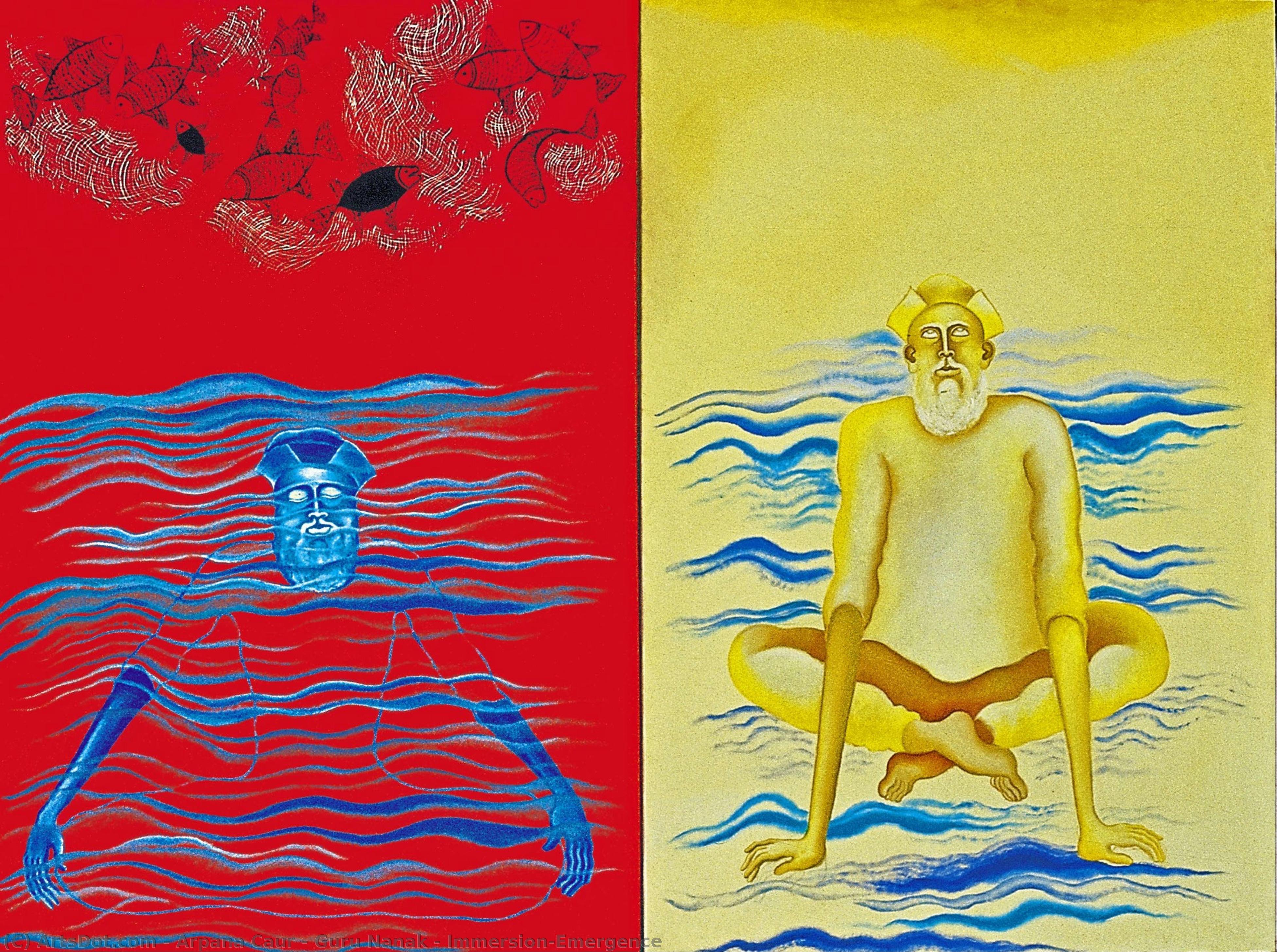
Guru Nanak - Immersion/Emergence
 Painting
- Contemporary Art
 2001
2001- Contemporary
 113.0 x 174.0 cm
 The Sikh Foundation International
 詳細を見る
詳細を見る
ジークレー/アートプリント
迅速な制作と多彩な仕上げオプションを備えた、ミュージアムクオリティのジークレーまたはキャンバスプリント。 ( 手描きの絵画を購入 画像を購入)




P118B $10

P118H $10

P118W $10

P438Z $10

P508JH $12

P508YH $12

P805H $10

P805Z $10

P919BZ $10

P919G $10

P919XJ $10

P959ZH $10

P968JZ $12

W106C $8

W218G $10

W218JH $8

W218Y $10

W307PJ $10

W316G $10

W316PJ $8

W316Y $10

W398PJ $8

W4111J $10

W500HY $15

W500JH $15

W692G $12

W849H $8

W940BG $15

W953PJ $8




作品のオリジナル比率に合わせた、当店の規定サイズからお選びください。

特定のフレームやスペースに合わせて、ご自身でサイズを指定することも可能です。選択されたサイズが元の画像の比率と一致しない場合、作品をトリミングするか、鏡面反射または単色での塗りつぶしによって画像を拡張いたします。制作を開始する前に、ご確認用のデジタルモックアップをお送りいたします。
画面上のプレビューには、実際のトリミングや拡張は反映されませんのでご注意ください。最終的な構図を正確に確認できるのは、モックアップのみとなります。
カスタムサイズも承っておりますが、元の比率を維持するためには、あらかじめ用意されたリストからサイズを選択することをお勧めいたします。


 ガラスオプションは、110cm未満のサイズでのみご利用いただけます。

Guru Nanak - Immersion/Emergence
ジークレー/アートプリント
複製画のサイズ
-


合計金額
$ 62
A Spiritual Odyssey in Color
In the profound masterpiece Guru Nanak - Immersion/Emergence, the renowned contemporary Indian artist Arpana Caur invites the viewer into a meditative space where the boundaries between the earthly and the divine begin to dissolve. Created in 2001, this evocative work serves as a visual hymn, capturing the essence of spiritual awakening through a triptych-like arrangement of figures. The painting does not merely depict scenes; it orchestrates a movement of the soul, guiding the eye through stages of devotion, introspection, and ultimate transcendence. Through her masterful use of composition, Caur transforms the canvas into a sacred stage where the human form becomes a vessel for cosmic connection.
The visual narrative unfolds across three distinct yet interconnected vignettes. In the first movement, we encounter a figure in a posture of humble supplication, hands clasped in prayer, grounding the piece in the tradition of deep reverence. This transitions into a second, more contemplative state, where a man sits cross-legged, his gaze directed upward toward an unseen celestial light, embodying the moment of profound realization. The final scene reaches a crescendo of spiritual release, showing a figure with arms outstretched, symbolizing the "emergence" or the liberation of the spirit from the confines of the material world. This progression from inward prayer to outward expansion creates a rhythmic pulse that resonates deeply with anyone who has sought meaning beyond the physical realm.
The Alchemy of Light and Form
Technically, Caur employs a striking palette that is both bold and ethereal. The dominant use of a luminous yellow background acts as a radiant aura, enveloping the figures in a warmth that suggests divine presence or an enlightened state of consciousness. This golden atmosphere provides a stark, beautiful contrast to the deep blues and earthy tones used within the figures themselves, creating a visual tension that keeps the viewer’s eye in constant motion. The way the blue elements dance against the yellow field adds a layer of atmospheric depth, suggesting the fluidity of water or the vastness of the sky—elements central to the concept of "immersion."
For the discerning collector or interior designer, this piece offers a unique opportunity to introduce a focal point of profound serenity and intellectual depth into a space. The large-scale dimensions of 113 x 174 cm allow the painting to command a room, acting as a window into a contemplative universe. Whether placed in a quiet study, a minimalist gallery setting, or a sophisticated living area, the artwork’s ability to evoke stillness makes it an invaluable asset for those looking to curate environments that promote mindfulness and emotional resonance. A high-quality reproduction of this work preserves not just the pigment, but the very breath of Caur's spiritual inquiry, making the sublime accessible to any curated collection.
関連作品
アーティストの略歴
A Life Woven in Resilience: The Art of Arpana Caur
Arpana Caur, born in New Delhi in 1954, is a pivotal figure in contemporary Indian art—a painter whose canvases resonate with the echoes of history, the strength of women, and a profound spiritual inquiry. Her artistic journey isn’t merely one of aesthetic exploration; it's deeply intertwined with her family’s experience of displacement during the Partition of British India in 1947, an event that indelibly shaped her worldview and informs much of her work. The daughter of Ajeet Cour, a celebrated Punjabi writer and Padma Shri recipient, Caur grew up immersed in a world of literature, music, and storytelling—a fertile ground for the blossoming of her artistic sensibility. Even as a child, she demonstrated an exceptional talent, creating her first oil painting, “Mother & Daughter,” at the tender age of nine, inspired by the groundbreaking work of Amrita Sher-Gil. This early fascination with portraying female figures would become a defining characteristic of her oeuvre. While formally educated with a Master of Arts degree in literature from Delhi University, Caur largely remained self-taught as a painter, later honing her skills in etching at Garhi Studios in New Delhi.A Tapestry of Influences and Evolving Style
Caur’s artistic style is remarkably eclectic, a vibrant synthesis of diverse influences that reflects the rich cultural heritage of India and beyond. She doesn't adhere to any single school of thought but rather draws inspiration from an astonishing range of sources—from the intricate detail of Gond and Madhubani folk art to the delicate refinement of Pahari miniatures and the opulent grandeur of Mughal painting. Contemporary global artistic currents also find their way into her work, creating a unique visual language that is both deeply rooted in tradition and strikingly modern. Her compositions are often characterized by layered spaces, flattened perspectives, and elongated figures, imbuing them with a sense of timelessness and symbolic weight. A recurring motif in Caur’s paintings is the use of Indian ink, which adds depth, richness, and an almost calligraphic quality to her work. However, it's not merely technical skill that sets her apart; it’s her ability to imbue her art with a powerful feminist perspective. She depicts women not as passive objects of beauty or victims of circumstance but as resilient symbols of strength, solidarity, and enduring spirit—challenging conventional representations and offering a nuanced portrayal of their lived experiences.Themes of Life, Loss, and the Sacred
The thematic concerns that drive Caur’s art are both universal and deeply personal. She grapples with profound questions about life and death, violence and peace, spirituality and materiality, and the delicate balance between humanity and the environment. Her work often serves as a poignant commentary on social issues—from the plight of women in modern India to the enduring trauma of partition and the urgent need for environmental protection. Clothing frequently appears as a significant element in her paintings, functioning not merely as adornment but as a complex symbol that both reinforces and subverts established images of femininity. Beyond these socio-political concerns, Caur’s art is also deeply imbued with spiritual undertones, drawing inspiration from Sikhism, Sufism, and the mystical traditions of India. Works like “Guru Gobind Singh – The Poet” and “The Golden Saint” demonstrate her fascination with exploring themes of faith, devotion, and transcendence. Her artistic evolution reflects this deepening engagement with spirituality; in the 1990s, she began to move towards more abstract and symbolic representations, seeking to capture the essence of these profound concepts through form and color.Recognition and a Lasting Legacy
Throughout her career, Arpana Caur has received widespread recognition for her artistic achievements and her commitment to social activism. Her work has been exhibited extensively both in India and internationally—in cities such as London, Glasgow, Berlin, Amsterdam, Singapore, Munich, New York, Stockholm, and Copenhagen—bringing her unique vision to audiences around the globe. Her paintings are now held in prestigious museum collections including the National Gallery of Modern Art (Delhi), the Hiroshima Museum of Modern Art, the Victoria & Albert Museum (London), Peabody Essex Boston, MOCA L.A, and many others, solidifying her place within the canon of contemporary Indian art. She was awarded a gold medal at the VIth International Triennale in 1986, and in 1995, she received a commission from the Hiroshima Museum of Modern Art to create a large-scale work for its permanent collection—a testament to her ability to address universal themes of suffering and resilience. Beyond her artistic practice, Caur has dedicated herself to promoting arts and culture through the Academy of Fine Arts and Literature, supporting underprivileged communities and fostering dialogue across cultures. Her commitment extends to environmental advocacy as well, demonstrating a holistic approach to art-making that seamlessly blends creative expression with social responsibility. Arpana Caur’s legacy lies not only in her captivating paintings but also in her unwavering dedication to using art as a force for positive change—a beacon of hope and resilience in a world often marked by conflict and injustice.
Arpana Caur
1954 - , India
基本情報
- Artistic Movement Or Style: Contemporary Indian art
- Artists Who Influenced This Artist: ['Amrita Sher-Gil']
- Date Of Birth: 1954
- Full Name: Arpana Caur
- Nationality: Indian
- Notable Artworks:
- Guru Gobind Singh
- The Golden Saint
- Sohni Mahiwal
- Place Of Birth: Delhi, India
関連記事
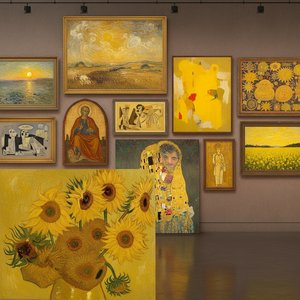
Golden Hues: 10 Masterpieces Dominated by Chrome Yellow | ArtsDot
Immerse yourself in golden light! Explore 10 famous paintings dominated by 'Chrome Yellow', from Van Gogh’s Sunflowers to Monet's Haystacks. Discover the stories behind these iconic Impressionist & Post-Impressionist masterpieces and find museum-quality art reproductions at ArtsDot.com.
The Golden Hue: Exploring Symbolism & Emotion in Yellow Art
Explore the rich symbolism & emotional power of yellow in art history! From Van Gogh to Kandinsky, discover how artists used this vibrant hue. Expert analysis & high-quality reproductions at ArtsDot.
Spiritual Art: 10 Masterpieces to Inspire Your Soul |
Explore 10 spiritual art masterpieces – from Da Vinci to Van Gogh – that ignite inner peace & reflection. Discover their stories, techniques & emotional power. Find museum-quality reproductions & curated decor ideas at .
Golden Hues: Top 10 Paintings Dominated by Yellow Ochre |
Explore 10 iconic paintings bathed in golden yellow ochre! From Van Gogh's sunflowers to Monet’s haystacks, discover the stories behind these masterpieces. Find museum-quality art reproductions & elevate your home decor on .

Kandinsky's Masterpieces: 25 Paintings That Define Abstract Art | ArtsDot
Journey through Wassily Kandinsky's 25 most iconic abstract paintings. Explore his revolutionary use of color, form & spiritual expressionism. Find museum-quality Kandinsky reproductions and elevate your home decor with ArtsDot.com. Discover all masterpieces on ArtsDot.com!