 プレビュー
プレビュー
 プリントを購入
 シェアする
シェアする シェアする
シェアする
 詳細を見る
詳細を見る

 ダウンロード
 似ている作品
 X線調査
X線調査 スライドショー
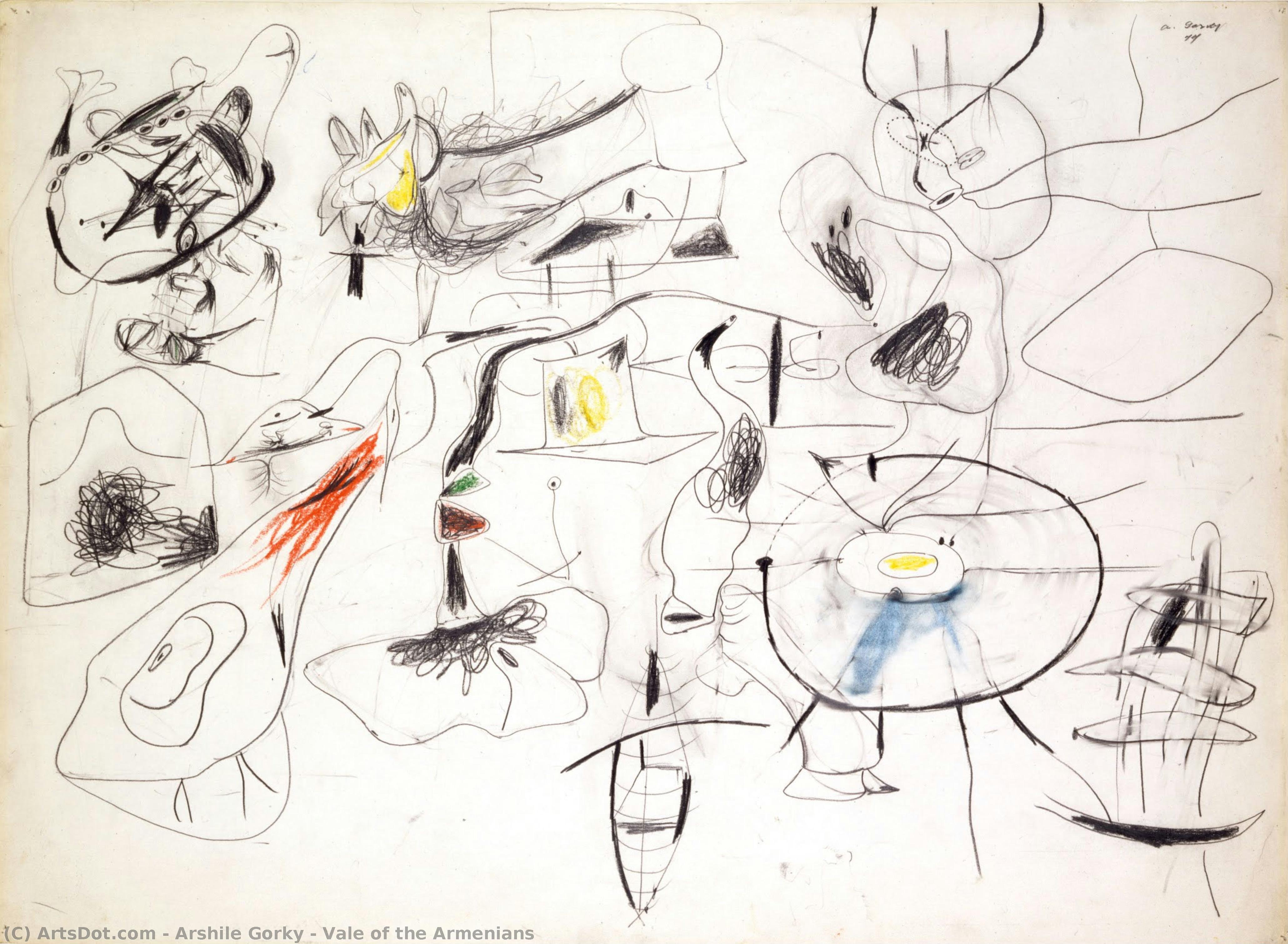
Vale of the Armenians
 Charcoal
- WallArt
- Surrealist Abstract Expressionism
 1944
1944- Modern
 56.0 x 76.0 cm
 Centro de Arte Moderna Gulbenkian
 詳細を見る
詳細を見る




P118B $10

P118H $10

P118W $10

P438Z $10

P508JH $12

P508YH $12

P805H $10

P805Z $10

P919BZ $10

P919G $10

P919XJ $10

P959ZH $10

P968JZ $12

W106C $8

W218G $10

W218JH $8

W218Y $10

W307PJ $10

W316G $10

W316PJ $8

W316Y $10

W398PJ $8

W4111J $10

W500HY $15

W500JH $15

W692G $12

W849H $8

W940BG $15

W953PJ $8




作品のオリジナル比率に合わせた、当店の規定サイズからお選びください。

特定のフレームやスペースに合わせて、ご希望のサイズをご入力いただけます。選択されたサイズが元の画像の比率と異なる場合、アートワークをトリミングするか、手描きで要素を追加して絵画を拡張いたします。デジタルモックアップ を制作し、制作開始前にご確認(承認)をいただきます。
画面上のプレビューは、実際のトリミングや拡張を正確に反映しているものではありません。最終的な構図は、モックアップによってのみ正確にご確認いただけます。
カスタムサイズもご利用いただけますが、元の比率を維持するためには、あらかじめ用意されたリストからサイズを選択することをお勧めいたします。
ご注文後、ArtsDot.com チームより詳細な指示をお送りするとともに、仕上がりイメージ(モックアップ)をご提供いたします。


 ガラスオプションは、110cm未満のサイズでのみご利用いただけます。

Vale of the Armenians
複製技法
複製画のサイズ
-


合計金額
$ 263
作品解説
Vale of the Armenians: A Surreal Landscape Embodied in Charcoal
Arshile Gorky’s “Vale of the Armenians,” painted in 1944, stands as a cornerstone of Abstract Expressionism and a poignant reflection on Armenian heritage. More than just a depiction of a mountainous valley—though its evocative form undeniably captures the grandeur of the Caucasus region—the painting delves into realms of memory, emotion, and psychological exploration through Gorky’s distinctive artistic vision.
- Composition & Style: The artwork eschews traditional perspective, presenting instead a densely layered composition reminiscent of Surrealist influences. Shapes float freely within the canvas, creating an unsettling yet mesmerizing effect—a deliberate departure from representational art that prioritizes feeling over factual accuracy. Gorky’s signature style blends organic forms with geometric abstraction, resulting in a visual language that is both dreamlike and intellectually stimulating.
- Technique & Medium: Executed primarily in charcoal on paper, “Vale of the Armenians” showcases Gorky's masterful control over texture and tonal variation. Loose, gestural strokes convey movement and spontaneity, capturing the immediacy of artistic impulse. The artist’s meticulous attention to detail—particularly evident in the subtle shading—adds depth and complexity to the overall image, highlighting the materiality of the medium itself.
- Symbolism & Context: The title itself – “Vale of the Armenians” – carries significant symbolic weight, referencing Gorky's Armenian roots and implicitly acknowledging the trauma experienced by his community during the Armenian Genocide. The ambiguous forms scattered across the landscape can be interpreted as representations of fragmented memories or displaced identities—themes prevalent in Gorky’s oeuvre and reflecting broader anxieties about displacement and loss within the artist’s personal experience.
- Color Palette & Mood: Strikingly monochromatic, utilizing shades ranging from white to black, the painting cultivates a somber mood that underscores its introspective character. The absence of color amplifies the textural qualities of the charcoal drawing, emphasizing the interplay between light and shadow—a technique employed by Gorky to convey emotional resonance and psychological depth.
- Emotional Impact: Viewing “Vale of the Armenians” evokes a sense of melancholy contemplation. It invites viewers to engage with questions of identity, memory, and the enduring influence of historical events on artistic expression. The painting’s unsettling beauty—its juxtaposition of organic forms and geometric abstraction—continues to captivate audiences today, cementing Gorky's legacy as one of the most influential figures in 20th-century art.
Further research into Arshile Gorky’s life and artistic journey reveals a profound engagement with Surrealist ideas and an unwavering commitment to exploring the subconscious mind. His work stands as testament to the transformative power of art—its ability to transcend literal representation and communicate complex emotions and psychological states.
関連作品


アーティストの略歴
幼少期と影響
アルシール・ゴルキー、本名ヴォスタニク・マヌグ・アトイアンは、1904年4月15日にオスマン帝国(現在のトルコ)のヴァン県コルゴムに生まれました。彼の人生は、その後の芸術的スタイルに深く影響を与える苦難と転置に彩られていました。ゴルキーという名前は、彼が後に使用することになるペンネームであり、ロシアの作家マクシム・ゴルキーから取られました。幼少期、家族は1915年のアルメニア人虐殺中にロシア支配地域へ逃れました。この痛ましい出来事は彼の世界観を形成し、将来の芸術表現に影響を与えました。1920年、16歳の時、ゴルキーはアメリカで父親と再会しましたが、親密な絆を築くことはできませんでした。formative years
ゴルキーの初期の作品は、キュビズムやポスト印象派の影響を受けており、風景画を通して実験的な試みを行いました。「セザンヌ様式による風景 (1927)」と「ステイテン島風景 (1927–1928)」はその代表例です。これらの作品では、形態の単純化と色彩の探求が見られます。その後、「夜間、謎、郷愁 (1930–1934)」などの作品を通してシュルレアリスムへと移行し、複雑で抽象的な形が特徴的になりました。ゴルキーは、自身の内面世界や記憶を探求することで、独特な表現を確立していきました。主要な作品とコラボレーション
代表作:- 「画家とその母 (ca. 1926–1936)」は、幼少期の写真に触発された感動的な肖像画であり、ゴルキーの革新的なスタイルを際立たせています。
- 「マスター・ビル像」は当初ウィレム・デ・クーニングの肖像画と考えられていましたが、現在ではゴルキーのために働いていたスウェーデン人職人の描写であることが判明しています。
- 1933年の連邦芸術プロジェクトへの参加を通じて、アリス・ニール、リー・クラズナー、ジャクソン・ポロック、マーク・ロスコなどの著名なアーティストたちと交流しました。
- ポール・セザンヌの影響は、彼の風景画シリーズに見られます。
遺産と美術館コレクション
ゴルキーが抽象表現主義に与えた影響は否定できません。彼の作品は、ワシントンD.C.のナショナル・ギャラリー・オブ・アートをはじめとする様々な美術館で展示されており、その永続的な影響を証明しています。ArtsDotでは、ゴルキーの作品や他の影響力のあるアーティストたちの作品を探求できます。また、ArtsDotの包括的なタイムラインを通して、美術史の世界に深く潜り込むことができます。結論
転置と苦難に彩られたアルシール・ゴルキーの人生は、抽象表現主義の風景を再定義する作品へと昇華されました。彼の遺産は、アーティストやアート愛好家たちにインスピレーションを与え続けており、芸術の変革的な力を証明しています。ArtsDotでゴルキーの作品を見る Wikipediaでアルシール・ゴルキーについてもっと学ぶ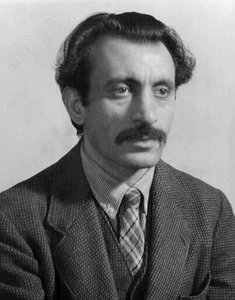
アルシール・ゴルキー
1904 - 1948 , トルコ
基本情報
- Artistic Movement Or Style: 抽象表現主義
- Artists Or Movements Influenced By This Artist: ['抽象表現主義']
- Artists Who Influenced This Artist:
- ポール・セザンヌ
- ホアン・ミロ
- パブロ・ピカソ
- Date Of Birth: 1904年4月15日
- Date Of Death: 1948年7月21日
- Full Name: アルシール・ゴルキー
- Nationality: アルメニア系アメリカ人
- Notable Artworks:
- 母と画家
- 夜間、謎、郷愁
- マスター・ビルの肖像
- Place Of Birth (City And Country): トルコ、ホルゴム
関連記事
抽象表現主義を定義する十大傑作:芸術と装飾の深遠な旅
抽象表現主義を定義する10の傑作。ポロック、ロスコら巨匠たちの情熱と色彩の世界へ。各作品に込められた物語と技法を紐解き、至高のアート体験を。ArtsDot.comで、ミュージアムクオリティの複製画や洗練されたインテリアアイデアを発見してください。
Beyond Representation: Exploring the Emotional Landscape of Abstract Expressionism
Explore the profound emotional world of Abstract Expressionism with ArtsDot. Discover key artists like Pollock & Rothko, learn about collecting, and find museum-quality reproductions to inspire your space.

Kandinsky's Masterpieces: 25 Paintings That Define Abstract Art | ArtsDot
Journey through Wassily Kandinsky's 25 most iconic abstract paintings. Explore his revolutionary use of color, form & spiritual expressionism. Find museum-quality Kandinsky reproductions and elevate your home decor with ArtsDot.com. Discover all masterpieces on ArtsDot.com!

幾何学的抽象絵画を定義した傑作10選|アート、アーティスト、インテリア装飾
モンドリアン、マレーヴィチ…幾何学的抽象絵画を代表する傑作10選。各作品の背景や色彩構成、アーティストの情熱に迫ります。美術館品質の複製画はArtsDot.comで。オンラインでアートコレクションをご覧ください。
Dreamscapes Unveiled: A Curated Guide to Integrating Surrealist Landscape Art into Modern Interiors
Discover how to transform your home with the captivating mystery of Surrealist landscape art. Our expert guide explores iconic dreamscapes, offering professional tips on curating, styling, and commissioning bespoke surrealist masterpieces for a sophisticated, soulful interior.