 プレビュー
プレビュー
 プリントを購入
 シェアする
シェアする シェアする
シェアする
 詳細を見る
詳細を見る

 ダウンロード
 似ている作品
 X線調査
X線調査 スライドショー
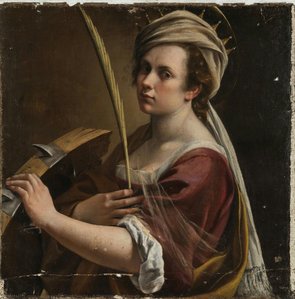
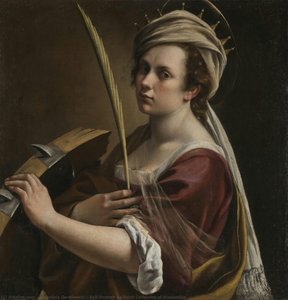
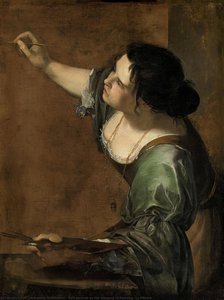
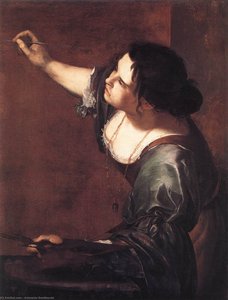
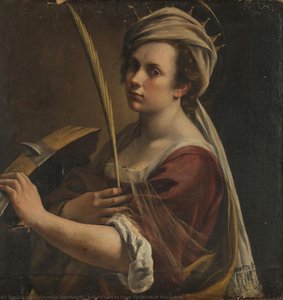
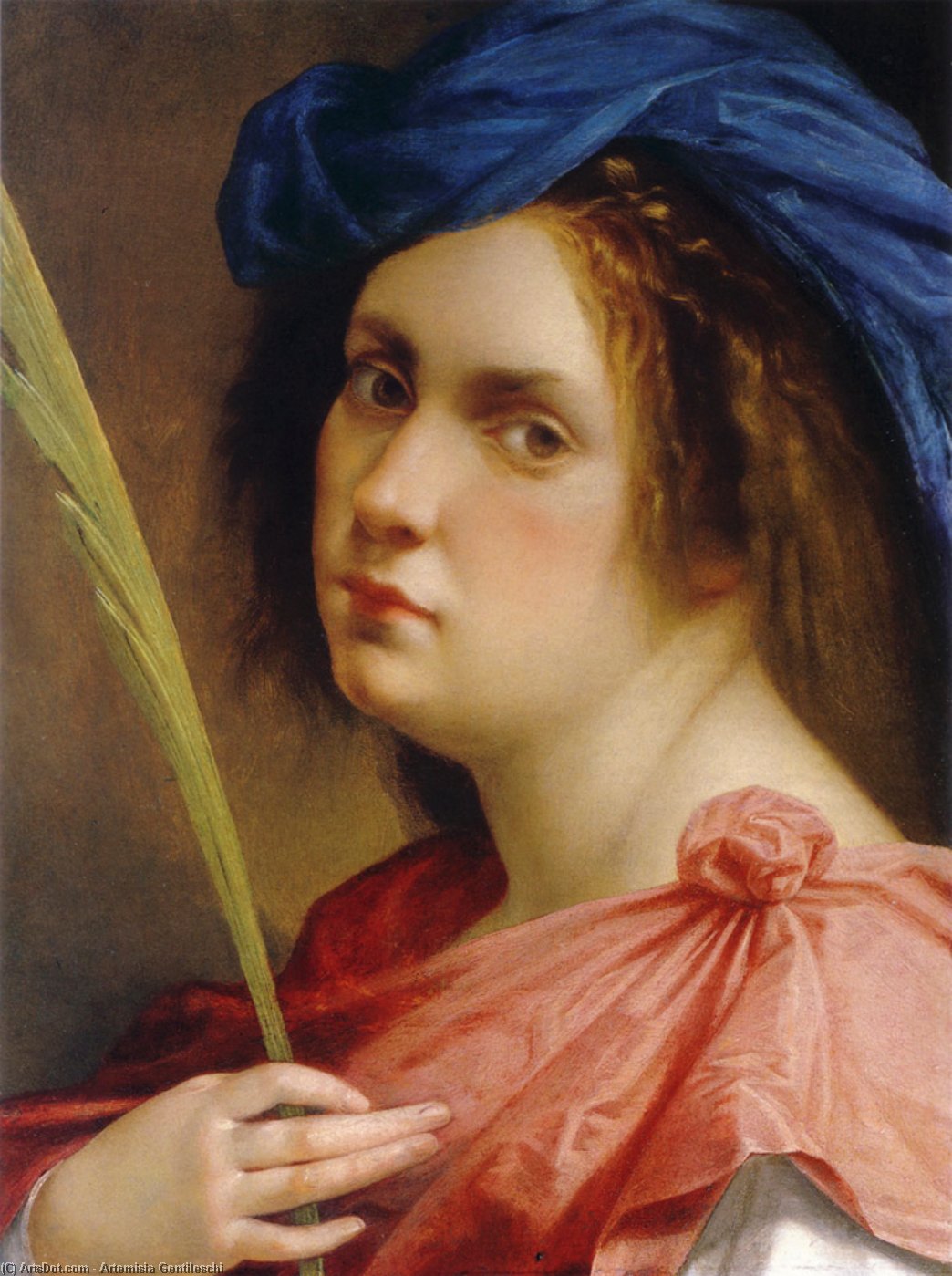
Self-portrait as a Female Martyr (also known as Female Martyr)


 詳細を見る
詳細を見る




P118B $10

P118H $10

P118W $10

P438Z $10

P508JH $12

P508YH $12

P805H $10

P805Z $10

P919BZ $10

P919G $10

P919XJ $10

P959ZH $10

P968JZ $12

W106C $8

W218G $10

W218JH $8

W218Y $10

W307PJ $10

W316G $10

W316PJ $8

W316Y $10

W398PJ $8

W4111J $10

W500HY $15

W500JH $15

W692G $12

W849H $8

W940BG $15

W953PJ $8




作品のオリジナル比率に合わせた、当店の規定サイズからお選びください。

特定のフレームやスペースに合わせて、ご希望のサイズをご入力いただけます。選択されたサイズが元の画像の比率と異なる場合、アートワークをトリミングするか、手描きで要素を追加して絵画を拡張いたします。デジタルモックアップ を制作し、制作開始前にご確認(承認)をいただきます。
画面上のプレビューは、実際のトリミングや拡張を正確に反映しているものではありません。最終的な構図は、モックアップによってのみ正確にご確認いただけます。
カスタムサイズもご利用いただけますが、元の比率を維持するためには、あらかじめ用意されたリストからサイズを選択することをお勧めいたします。
ご注文後、ArtsDot.com チームより詳細な指示をお送りするとともに、仕上がりイメージ(モックアップ)をご提供いたします。


 ガラスオプションは、110cm未満のサイズでのみご利用いただけます。

Self-portrait as a Female Martyr (also known as Female Martyr)
複製技法
複製画のサイズ
-


合計金額
$ 263
作品解説
A Portrait of Courage: Artemisia Gentileschi’s ‘Self-Portrait as a Female Martyr’
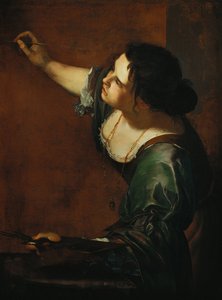
Artemisia Gentileschi stands apart in the annals of Baroque art, not merely for her prodigious talent but for embodying an audacious spirit—a woman daring to assert herself within a patriarchal society that sought to confine female creativity. Born into a Roman artistic family, her father, Orazio Gentileschi, was himself a celebrated painter who championed Caravaggio’s revolutionary approach to illumination and realism, shaping Artemisia's formative artistic education profoundly. This upbringing instilled in her an unwavering conviction that artistic ambition knew no gender boundaries; it was a privilege rarely afforded to women of her time. Recognizing his daughter’s exceptional abilities, Orazio defied convention by providing her with opportunities unheard of for females during the seventeenth century—a testament to his belief in her potential and a crucial factor in nurturing her extraordinary artistic journey.The Dramatic Baroque Style
Gentileschi's distinctive style is instantly recognizable: characterized by dramatic chiaroscuro – the masterful interplay of light and shadow – reminiscent of Caravaggio’s influence, it elevates her self-portrait beyond mere likeness into a profound meditation on resilience and inner strength. The artist employs bold brushstrokes and vibrant colors to convey emotion with palpable intensity. Notice how the reddish hue of the dress draws the eye upwards, mirroring the upward gaze of Artemisia herself—a gesture laden with defiance and determination. This technique isn’t simply about visual aesthetics; it's a deliberate choice designed to capture the psychological state of the subject, reflecting her unwavering conviction in her own worth.Symbolism Within Composition
The painting’s composition is meticulously crafted, incorporating symbolic elements that deepen its meaning. The placement of two vases—one on the left and another on the right—serves as a subtle nod to classical ideals of beauty and harmony, juxtaposed against the turbulent emotional landscape depicted within the portrait. Furthermore, Artemisia's gaze directly confronts the viewer, establishing an intimate connection between artist and observer – a bold assertion of presence in a period where female artists were often marginalized and underestimated. The green object held in her hand—its precise nature remains elusive—could represent hope or perhaps a reminder of past suffering, adding layers of complexity to the narrative conveyed by the artwork.Historical Context: Challenging Societal Norms
Created in 1615, ‘Self-Portrait as a Female Martyr’ emerged during a time when women faced significant obstacles in pursuing artistic careers. Artemisia Gentileschi bravely navigated these limitations, securing patronage and acclaim despite societal prejudices—a remarkable feat considering the prevailing attitudes of the era. Her self-portrait serves as a defiant declaration against patriarchal constraints, asserting her identity as an artist and woman simultaneously. It stands as a poignant reminder of the struggles faced by female creatives throughout history and celebrates Artemisia’s unwavering commitment to artistic expression in defiance of convention.Emotional Resonance: A Portrait of Inner Strength
Ultimately, Gentileschi's ‘Self-Portrait as a Female Martyr’ transcends mere visual representation; it communicates an enduring message of courage and self-assuredness. The artist’s intense gaze embodies unwavering conviction—a refusal to succumb to adversity and a steadfast belief in her own capabilities. This portrait continues to inspire viewers today with its powerful depiction of feminine resilience, cementing Artemisia Gentileschi's legacy as one of the most significant figures in Baroque art and a beacon of artistic empowerment.関連作品

アーティストの略歴
ローマの娘:アルテミシア・ジェンティレスキの生涯と芸術
1593年にローマで生まれたアルテミシア・ジェンティレスキは、バロック時代の絵画における最も称賛される女性画家の一人として、その名が美術史の回廊に響き渡ります。彼女は単なる画家というだけでなく、回復力、反抗心、そして抑圧された女性の声に代わって芸術的な才能を発揮した象徴なのです。父オラツィオ・ジェンティレスキは尊敬される画家であり、革命的なカラヴァッジョのリアリズムの影響を強く受けていました。幼い頃からアルテミシアの才能は明らかで、父の工房の中で育まれ、構成と光と影の劇的な使用という特徴的なスタイルとなる技術を吸収しました。この初期の訓練は単に筆使いを習得するだけでなく、女性には通常閉ざされていた芸術的野心の世界への没入でした。オラツィオは娘の並外れた才能を認め、当時のほとんどの女性には利用できなかった機会を提供し、彼女が解剖学的正確さと表現力を高めるためにモデルから学ぶことを可能にしたのです。影と強さ:芸術的発展
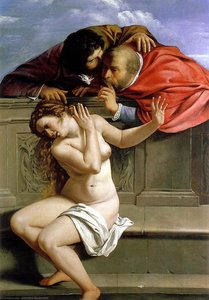
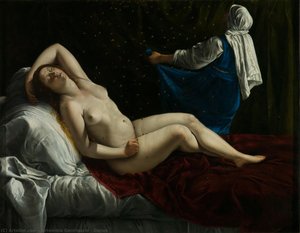
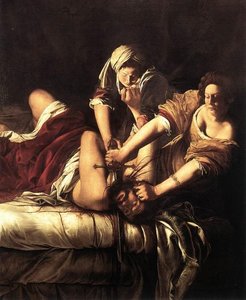
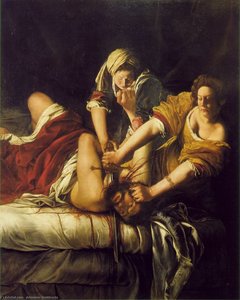
ジェンティレスキの芸術的発展は、カラヴァッジョのテネブリズムによって深く形作られました。それは光と闇の強いコントラストであり、彼の絵画に激しい感情的な深みを与えました。しかし、彼女は単に父やカラヴァッジョを模倣したわけではありません。むしろ、生々しい心理的奥行きと、前例のない力強さと主体性で描かれた女性の主題への魅力的な焦点を特徴とする独自の声を築き上げました。初期の作品である『 Susanna と長老たち』(1610)でさえ、アルテミシアの解釈は伝統的な描写とは異なり、Susanna は受動的に脆弱ではなく、静かな尊厳と抵抗を示しています。これは、彼女の後の作品を支配する強力な女性像を予感させるものです。しかし、名声を確固たるものにしたのは、『ホロフェルネスの討伐』(1614-1620)です。この絵は単なる暴力の描写ではなく、勇気、決意、そして自らの人々を守る女性の正当な怒りを探求するものです。その生々しい強烈さ、行為自体の容赦ない描写は、当時聴衆を驚かせ、魅了し続けました。他の重要な作品である『ユディトと女僕』(1625)や『ダナエー』(c. 1636-1639)も、彼女の進化するスタイルを示しており、その女性の主人公には脆弱性と力を兼ね備えています。彼女は肉体をそのようなリアリズムで描写し、キアロスクーロの巧みな使用により、恐ろしくもあり深く感動的な場面を生み出しました。試練と勝利:トラウマと芸術
アルテミシアの人生は、同僚の画家アゴスティーノ・タッシーによってレイプされたという悲惨な出来事によって、取り返しのつかないほど変貌しました。その後の裁判(1611-1612)は公衆の関心の的となり、アルテミシアは厳しい尋問と社会的な非難にさらされました。彼女は勇敢にもタッシーに対して証言しましたが、手続きは偏見と彼女の性格を貶める試みによって損なわれました。このトラウマは彼女の人生と芸術に深く影響を与え、彼女の作品に感情的な強烈さを与えたと考えられています。裁判自体は、家父長制社会で正義を求める女性が直面した課題の象徴となりました。しかし、この苦難にもかかわらず、アルテミシアは屈することなく、画家として成功を収めました。ローマ、フィレンツェ、ヴェネツィアの間を移動し、独自のスタジオを確立することで、男性が支配する職業において女性も卓越できることを証明しました。1616年、彼女はさらに重要なマイルストーンを達成しました。それは、フィレンツェのAccademia di Arte del Disegnoに最初の女性会員として迎えられたことです。この業績は単なる象徴的なものではなく、将来の女性芸術家への扉を開きました。先駆者の遺産
アルテミシア・ジェンティレスキのキャリアは数十年にも及び、芸術的革新と個人的な回復力の両方に満ちていました。彼女はメディチ家の有力なパトロンを含む著名なパトロンのために働き、活気のあるスタジオを確立し、女性が芸術家として卓越するだけでなく、伝統的に男性が支配してきた職業でも成功できることを証明しました。何世紀にもわたって、彼女の作品はしばしば人生の状況によって影を薄くされ、芸術的功績ではなくスキャンダルを通して見られることがありました。しかし、20 世紀以降、彼女の芸術に対する再評価が進み、バロック時代の最も重要で革新的な画家の一人として認識されています。彼女の絵画は現在、感情的な深さ、劇的なリアリズム、そして女性を受動的な対象ではなく、自身の物語の中で主体的に行動する主体として描く力強い描写で高く評価されています。アルテミシア・ジェンティレスキは単なる芸術家ではありません。彼女はフェミニストの象徴であり、社会的な期待に逆らい、世代を超えて人々にインスピレーションを与える遺産を残した先駆者なのです。彼女は手だけでなく魂を使って絵筆を執り、世界のアート界に消えない痕跡を残しました。主な作品
- ホロフェルネスの討伐 (1614-1620): 劇的なリアリズムと女性のエンパワーメントを示す最も有名な作品の一つです。
- Susanna と長老たち (1610): アルテミシア独自の解釈で古典的な聖書の場面を描いた初期の傑作です。
- ユディトと女僕 (1625): 暴力行為の後、女性の連帯と強さを説得力を持って描いています。
- ダナエー (c. 1636-1639): 神話上の人物をセンシュアルで心理的に複雑な形で描写しています。
アルテミジア・ジェンティレスキ
1593 - 1656 , イタリア
基本情報
- フルネーム: アルテミジア・ジェンティレスキ
- 主な作品:
- ホロフェルネスの首斬り
- Susannaと長老たち
- ダナエー
- 侍女と共にいるユディト
- 出生地: ローマ (イタリア)
- 国籍: イタリア
- 影響を与えた芸術家または運動:
- フェミニズムアート
- バロック画家
- 影響を受けたアーティスト:
- カラヴァッジョ
- オラツィオ・ジェンティレスキ
- 死亡年月日: 1652/53年頃
- 生年月日: 1593年7月8日
- 芸術運動またはスタイル: バロック絵画
関連記事

バロック美術を極めた至宝:時代を彩る10大名作の世界
バロック美術の華!カラヴァッジョ、ベルニーニら巨匠が創り上げた10大名作を徹底解剖。ドラマチックな色彩と豪華絢爛の世界観に触れ、至宝のアートプリントで空間を彩ろう。ArtsDot.comで美術館品質の複製と洗練されたインテリアを見つけましょう!
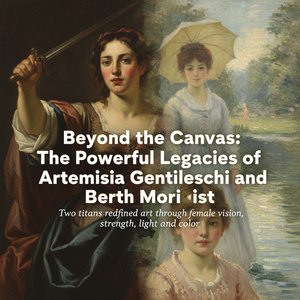
Beyond the Shadows: The Powerful Legacies of Artemisia Gentileschi and Berthe Morisot
Explore the profound legacies of Artemisia Gentileschi and Berthe Morisot. Discover how these female masters redefined the Baroque and Impressionist eras through dramatic chiaroscuro and luminous light, leaving an indelible mark on art history and modern aesthetics.
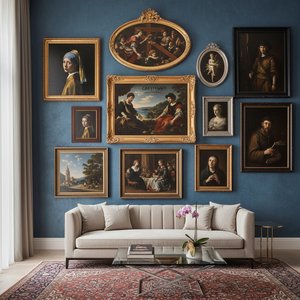
Baroque Painting's Greatest Hits: 10 Masterpieces for Your Home | ArtsDot
Journey through Baroque painting's glory! Explore 10 masterpieces by Caravaggio, Rembrandt & Vermeer. Discover dramatic lighting, rich colors & timeless stories. Find museum-quality art reproductions for your home at ArtsDot.com.

The Dramatic Flourish: Exploring the Baroque Movement's Enduring Legacy in Art History
Explore the dramatic world of Baroque art! Discover iconic artists like Caravaggio & Rubens, defining techniques, and its lasting impact on art history. Expert insights for collectors & enthusiasts at ArtsDot.

Theatricality & Triumph: Baroque Drama in Painting & Sculpture
Explore the dramatic world of Baroque art! Discover its history, defining characteristics, & lasting influence on painting & sculpture. Expert insights into Caravaggio, Zurbarán, and Bernini – plus high-quality reproductions at ArtsDot.