

 プレビュー
プレビュー
 プリントを購入
 シェアする
シェアする シェアする
シェアする
 詳細を見る
詳細を見る

 ダウンロード
 似ている作品
 X線調査
X線調査 スライドショー
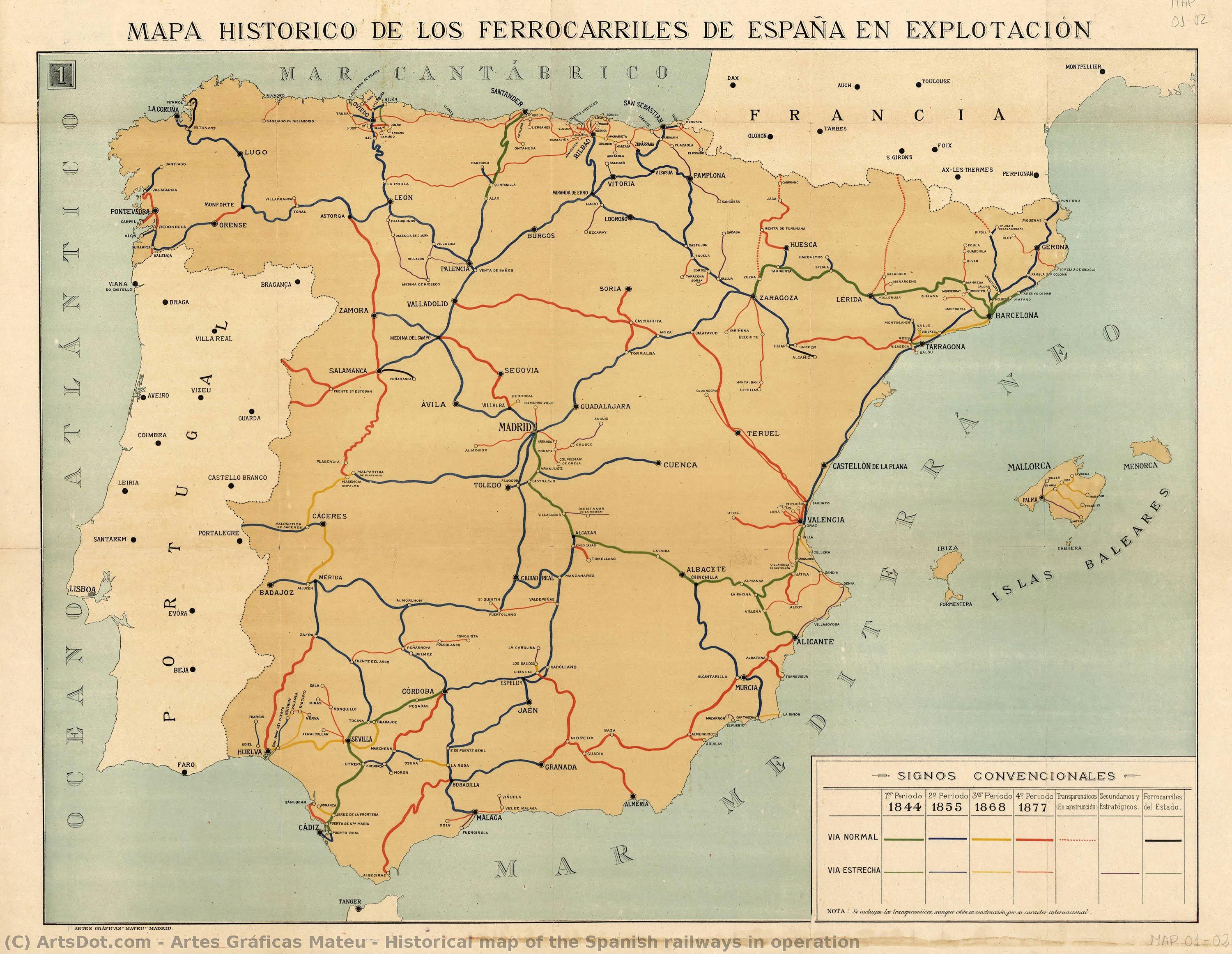
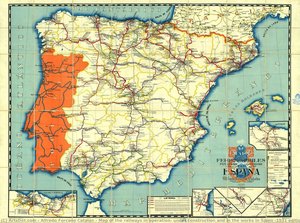
Historical map of the Spanish railways in operation


 詳細を見る
詳細を見る
オンラインプレビューをはるかに凌ぐ、高解像度で鮮明なデジタル画像をご購入いただけます。
各ファイルは、社内の専門家が高度なツールと熟練した手作業によるレタッチを用いて、細心の注意を払って準備されています。すべての画像において、卓越した鮮明度、正確な色彩再現性、そして繊細なディテールを保証いたします。
最終ファイルは、プロフェッショナルな編集・印刷環境ですぐにご利用いただけるよう最適化された状態で、72時間以内にメールにてお届けいたします。これは、一流のデザインスタジオ、出版社、ギャラリーから信頼されているものと同等の品質です。
デジタル画像のご注文に付随する特典
高品質なデジタル画像配信を、確かな品質で。
ArtsDot.com を選ぶことは、単に画像を手に入れることではありません。それは、プロの手によって精密に仕上げられ、満足保証が付いた高品質なデジタルアートワークを受け取ることを意味します。ご注文いただいた際に自動的に付随する内容は、以下の通りです:

メールですぐにお届け
ご注文から72時間以内に、高解像度のデジタル画像ファイルがメールでお手元に届きます。すぐにそのままご利用いただけます。

AI技術で最適化されたデジタルファイル
お客様の作品は、高度なAIツールと専門家による手作業の編集を組み合わせてプロフェッショナルに最適化されており、細部のディテール、鮮明さ、そして正確な色再現性を最大限に引き出しています。

一生涯無料の再送サービス
ファイルを誤って削除したり、紛失してしまったりしましたか?ご安心ください。いつでも無料で再送いたします。

輸入手数料は一切かかりません
関税や手数料、配送料を気にすることなく、お気に入りのアートワークをすぐにお楽しみいただけます。デジタルダウンロードは常に免税です。

色彩再現の保証
プロ仕様のツールとカラーマネジメント技術を用いることで、デジタル画像が元の色を最大限に忠実に再現することを保証いたします。

60日間満足保証
ご購入いただいたデジタル画像にご満足いただけない場合は、60日以内であれば、修正または100%の返金(理由を問う必要はありません)をさせていただきます。

100% 返金保証
ご満足いただけない場合は、デジタルファイルを受け取ってから60日以内であれば、理由を問わず全額返金いたします。

まとめ買い割引
3枚購入で10%OFF - 5枚購入で15%OFF - 10枚以上購入で20%OFF。クリエイティブなプロジェクト、ギャラリー、エージェンシーに最適です。
A Tapestry of Iron and Ink: The Pulse of a Nation
To gaze upon this historical map of the Spanish railways in operation is to witness the very circulatory system of a nation caught in the throes of industrial transformation. Created in 1918 by the esteemed artes gráficas mateu, this piece transcends mere cartography, offering instead a profound visual narrative of connectivity and progress. The map presents the Iberian Peninsula not as a static landmass, but as a living organism, interlaced with a dense, intricate web of railway lines that pulse across the landscape like veins carrying the lifeblood of commerce and movement. There is an undeniable romanticism in its aged texture; the muted, sepia-toned palette and the delicate, faded linework evoke a sense of nostalgia, transporting the viewer back to an era when the whistle of a steam locomotive signaled the dawn of a new age.
The artistry lies in the masterful balance between geometric precision and organic complexity. While the boundaries of Spain and its surrounding territories are defined by clear, structural shapes, the network of tracks introduces a rhythmic, almost musical quality to the composition. Each line, meticulously hand-drawn and printed, tells a story of human ambition and engineering triumph. The technique, characteristic of early 20th-century graphic printing, utilizes fine ink work and subtle washes that lend a soft, atmospheric depth to the paper. This lack of heavy shading allows the focus to remain entirely on the intricate patterns of the rail routes, creating a flat yet captivating representation that celebrates the beauty of infrastructure.
Symbolism and the Spirit of Progress
Beyond its geographical utility, this map serves as a powerful symbol of Spain’s industrial evolution. During the early 20th century, the expansion of the railway was synonymous with the shrinking of distances and the unification of a diverse territory. The dense concentration of lines represents more than just tracks; it embodies the spirit of connectivity, the breaking of isolation, and the burgeoning economic vitality of the period. For the collector or historian, the map is a window into the socio-economic heartbeat of 1918, capturing a moment in time when technology began to reshape the very fabric of human interaction.
For the discerning interior designer or art enthusiast, this piece offers an unparalleled opportunity to introduce a sense of intellectual depth and historical gravity to a space. Its aesthetic versatility makes it a sophisticated choice for a study, a library, or a contemporary gallery setting where a touch of vintage elegance is desired. The map’s ability to evoke both the structured order of engineering and the nostalgic warmth of antiquity allows it to anchor a room, providing a conversation piece that invites contemplation on how far we have traveled from those early iron paths. Owning a reproduction of such a significant historical document is not merely about decoration; it is about preserving a fragment of our collective journey through time.
関連作品

作家の略歴
Pierre-Auguste Renoir: A Celebration of Light and Life
Born in Limoges, France, in 1841, Pierre-Auguste Renoir emerged as one of the most pivotal figures in the Impressionist movement. His life was a testament to artistic dedication, marked by both personal challenges and extraordinary creative output. Initially apprenticed to his father, Charles Renoir, a porcelain manufacturer’s lithographer, young Auguste began developing his skills in reproduction techniques – a far cry from the vibrant canvases he would later produce. This early experience instilled in him an appreciation for color and detail, laying the groundwork for his distinctive style. However, it was at the Académie Suisse that Renoir truly found his artistic voice, absorbing the teachings of Jean-Léon Gérôme and adopting a more academic approach before ultimately rejecting rigid conventions to embrace the burgeoning Impressionist ideals.
The 1860s witnessed Renoir’s immersion in the Parisian art scene. He spent several years working as a decorative painter, adorning walls with murals for public buildings – a demanding but invaluable experience that honed his understanding of color and texture. Crucially, this period exposed him to the works of artists like Whistler and Monet, figures who were already experimenting with capturing fleeting moments of light and atmosphere. It was during these years that he began to develop his signature style, characterized by loose brushstrokes, a focus on dappled light, and an emphasis on depicting scenes of everyday life – picnics, dance halls, and social gatherings.
Renoir’s early works, such as “The Grande Jatte” (1863), already demonstrate his fascination with capturing the energy and movement of Parisian society. He skillfully depicted the vibrant atmosphere of the Seine embankment, utilizing broken brushstrokes to convey the shimmering reflections of sunlight on the water. This period also saw him collaborate closely with Claude Monet, a relationship that profoundly influenced his artistic development. They frequently painted together, exchanging ideas and techniques, pushing each other towards greater experimentation with color and light. The influence of Japanese prints is also evident in Renoir’s work during this time, particularly in his use of bold outlines and flattened perspectives.
The Golden Age of Impressionism
By the 1880s, Renoir had firmly established himself as a leading figure within the Impressionist movement. He continued to explore themes of leisure and social life, producing iconic works such as “Bal au moulin de la Galette” (1876), a joyous depiction of a dance hall filled with elegantly dressed Parisians. This painting exemplifies his masterful ability to capture the atmosphere of a scene – the chatter, the music, the shimmering light filtering through the windows. His palette became increasingly vibrant and luminous, reflecting his fascination with capturing the ephemeral qualities of light and color.
However, Renoir’s artistic journey wasn't without its challenges. Personal tragedies, including the loss of his first wife, Julie Gagnot, in 1883, deeply affected him. This period saw a shift in his subject matter, moving away from lively social scenes towards more intimate portraits and depictions of female figures. His paintings during this time are often characterized by a softer, more melancholic mood, reflecting the emotional toll of his loss.
Despite these personal hardships, Renoir continued to produce some of his most celebrated works. “Luncheon of the Boating Party” (1880) is a prime example of this period, showcasing his masterful use of color and light to create a sense of idyllic beauty. He also explored new techniques, experimenting with pastels and watercolors, further expanding his artistic repertoire.
Technique and Style
Renoir’s distinctive style was the product of years of dedicated observation and experimentation. He meticulously studied the effects of light on surfaces, developing a sophisticated understanding of color theory. His brushstrokes were typically loose and broken, creating a shimmering effect that captured the fleeting qualities of light and atmosphere. Unlike some Impressionists who focused solely on capturing visual impressions, Renoir paid close attention to detail, particularly in depicting the textures of fabrics and the forms of human figures.
He employed a technique known as “broken color,” applying small dabs of pure pigment directly onto the canvas, allowing the viewer’s eye to blend them together. This created a sense of vibrancy and luminosity that was characteristic of his work. Renoir also utilized complementary colors – those located opposite each other on the color wheel – to create visual excitement and depth. His compositions were often asymmetrical, contributing to their dynamic and engaging quality.
Legacy and Influence
Pierre-Auguste Renoir died in Cagnes-sur-Mer, France, in 1919, leaving behind a vast and influential body of work. His paintings continue to be celebrated for their beauty, vitality, and emotional resonance. He is considered one of the most important figures in the Impressionist movement, profoundly influencing generations of artists who followed.
Renoir’s legacy extends beyond his individual works; he helped to establish painting as a legitimate subject for women artists, challenging traditional gender roles within the art world. His celebration of everyday life and his masterful use of color and light continue to inspire admiration and appreciation today. His paintings remain a testament to the power of observation, experimentation, and artistic dedication.
artes gráficas mateu
1919 - , Spain
プロフィール概要
- Artistic Movement Or Style: Impressionism, Symbolism
- Artists Or Movements Influenced By This Artist: ['Later Impressionists']
- Artists Who Influenced This Artist:
- Pierre-Auguste Renoir
- John Roddham Spencer Stanhope
- Date Of Birth: 1855-09-26
- Date Of Death: 1919-07-31
- Full Name: Evelyn De Morgan
- Nationality: British
- Notable Artworks:
- The Bath
- Portrait of a Lady
- Still Life with Lilies
- Place Of Birth: London, England

