

 プレビュー
プレビュー
 シェアする
シェアする シェアする
シェアする
 詳細を見る
詳細を見る

 ダウンロード
 似ている作品
 X線調査
X線調査 スライドショー
 Stats
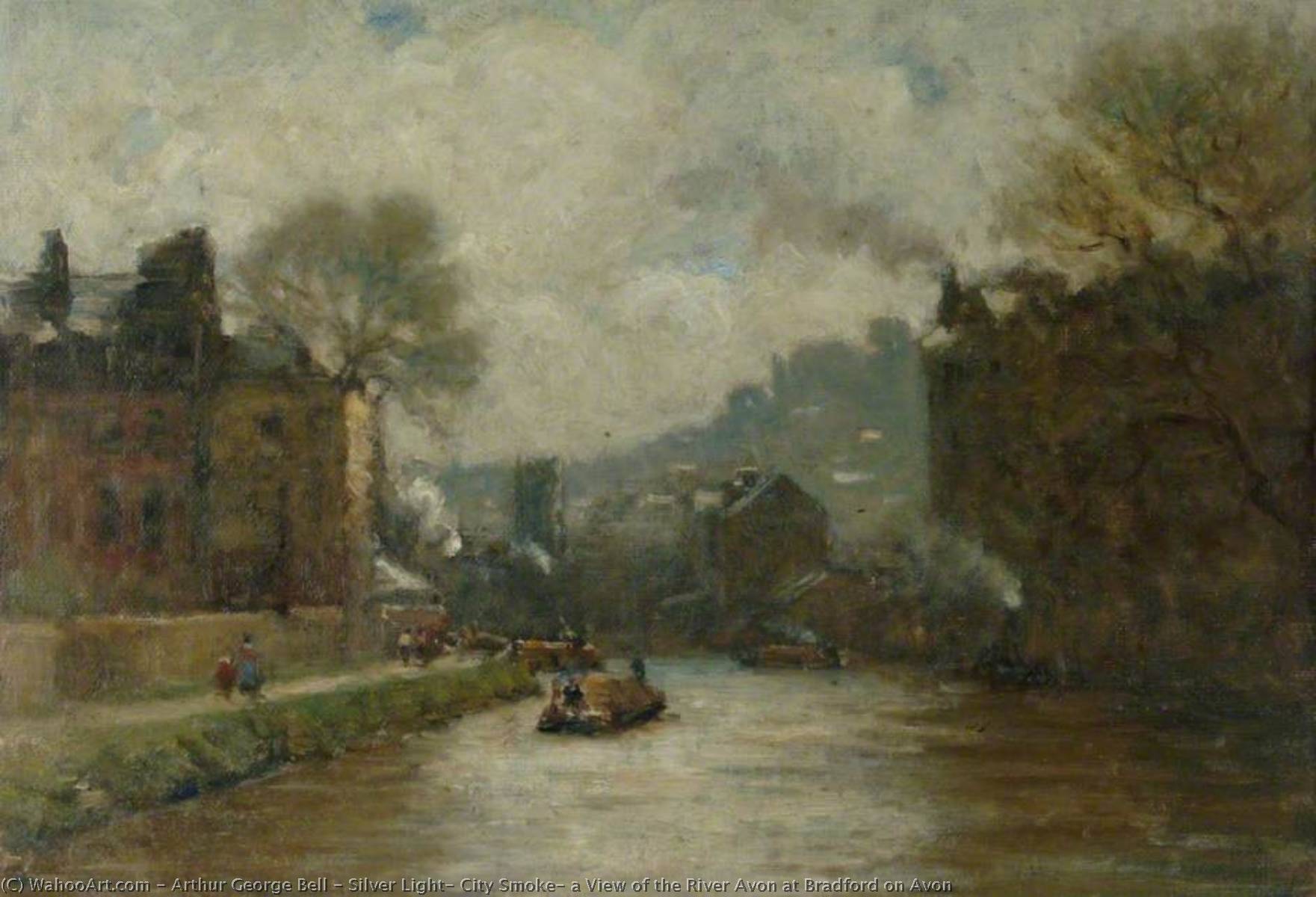
StatsSilver Light, City Smoke, a View of the River Avon at Bradford on Avon
 25.0 x 36.0 cm
 詳細を見る
詳細を見る
ジークレー/アートプリント
迅速な制作と多彩な仕上げオプションを備えた、ミュージアムクオリティのジークレーまたはキャンバスプリント。 ( 手描きの絵画を購入 Switch to Digital Image)




































作品のオリジナル比率に合わせた、当店の規定サイズからお選びください。

特定のフレームやスペースに合わせて、ご自身でサイズを指定することも可能です。選択されたサイズが元の画像の比率と一致しない場合、作品をトリミングするか、鏡面反射または単色での塗りつぶしによって画像を拡張いたします。制作を開始する前に、ご確認用のデジタルモックアップをお送りいたします。
画面上のプレビューには、実際のトリミングや拡張は反映されませんのでご注意ください。最終的な構図を正確に確認できるのは、モックアップのみとなります。
カスタムサイズも承っておりますが、元の比率を維持するためには、あらかじめ用意されたリストからサイズを選択することをお勧めいたします。


 ガラスオプションは、110cm未満のサイズでのみご利用いただけます。

Silver Light, City Smoke, a View of the River Avon at Bradford on Avon
ジークレー/アートプリント
複製画のサイズ
-


合計金額
$ 62
関連作品









アーティストの略歴
The Soul of the Dorset Landscape
Arthur George Bell stands as a singular figure in British landscape painting, a chronicler of the Dorset countryside and its rhythms whose canvases capture not merely visual beauty but also the very spirit of rural life at the turn of the century. Born around 1867 into a family of farmers in Dorset, England, Bell possessed an innate connection to the land that would profoundly shape his artistic vision. His heritage provided him with a deep-seated understanding of the seasonal shifts and the quiet labor of the countryside, allowing him to transform ordinary scenery into evocative depictions that resonate with both emotion and memory. While he may have been overshadowed by more celebrated contemporaries during his lifetime, his meticulous observation and deeply felt connection to his surroundings cemented his reputation as one of Dorset's foremost artists.
The development of Bell’s distinctive style was significantly shaped by his formal training at the prestigious Slade School of Fine Art in London during the late 19th and early 20th centuries. It was here that he encountered the transformative power of Impressionism, absorbing the techniques of masters such as Claude Monet and Pierre-Auguste Renoir. This exposure proved pivotal, steering him away from rigid academic traditions that favored studio-bound renderings toward the practice of plein air painting. By prioritizing direct observation, Bell learned to capture the fleeting moments of light, atmosphere, and texture that define a landscape. His work became a study in the ephemeral, seeking to document the silvery sheen of rain-swept meadows and the golden, heavy hues of autumn foliage with a painterly sensitivity.
Technique and Atmospheric Vision
Bell’s artistry is characterized by a masterful command of light and a meticulous attention to detail achieved through painstaking brushstrokes. He did not merely document the geography of his home; he sought to convey its very essence—the dampness of peat bogs, the ruggedness of the coastline, and the serene stillness of meandering rivers. His approach allowed him to breathe life into his subjects, making the viewer feel the weight of the air and the temperature of the sun. Whether depicting a wide, sweeping vista or a focused, intimate corner of a woodland, Bell utilized an Impressionistic palette to evoke specific moods, ranging from the romantic tranquility of a river scene to the industrious charm of rural labor.
His repertoire of subjects often centered on the recurring motifs of the Dorset landscape, including:
- The Rugged Coastline: Capturing the powerful interaction between sea and shore.
- Pastoral Serenity: Depicting rolling hills dotted with sheep farms and peaceful meadows.
- Seasonal Transitions: Illustrating the dramatic shifts from the lushness of summer to the melancholic beauty of autumn.
- Rural Industry: Documenting the rhythmic, traditional activities of country life, such as the digging and drying of peat.
Legacy and Historical Significance
The historical significance of Arthur George Bell lies in his ability to preserve a vanishing way of life through his art. As the turn of the century brought rapid industrialization and social change to England, Bell’s work serves as a vital visual record of the traditional Dorset landscape and its rhythms. His paintings are more than mere landscapes; they are nostalgic windows into a period where the connection between humanity and the earth felt profoundly intimate. Through his dedication to capturing the "soul" of his region, he created a body of work that continues to offer solace and beauty to collectors and scholars alike.
Today, Bell’s legacy is found in the enduring emotional resonance of his canvases. His ability to blend the technical precision of his training with the raw, unadorned beauty of his native soil ensures that his contribution to British landscape painting remains a cherished chapter in the history of art. He remains an artist whose work invites us to slow down, to observe the subtle shifts in light, and to appreciate the quiet majesty of the natural world.
基本情報
- Artistic Movement Or Style: Rural landscapes
- Artists Or Movements Influenced By This Artist: ['Romanticism']
- Artists Who Influenced This Artist: ['John Constable']
- Date Of Birth: Living
- Full Name: Arthur George Bell
- Nationality: British
- Notable Artworks: ['The River Wey']
- Place Of Birth: Dorset