

 プレビュー
プレビュー
 シェアする
シェアする シェアする
シェアする
 詳細を見る
詳細を見る

 ダウンロード
 似ている作品
 X線調査
X線調査 スライドショー
 統計情報
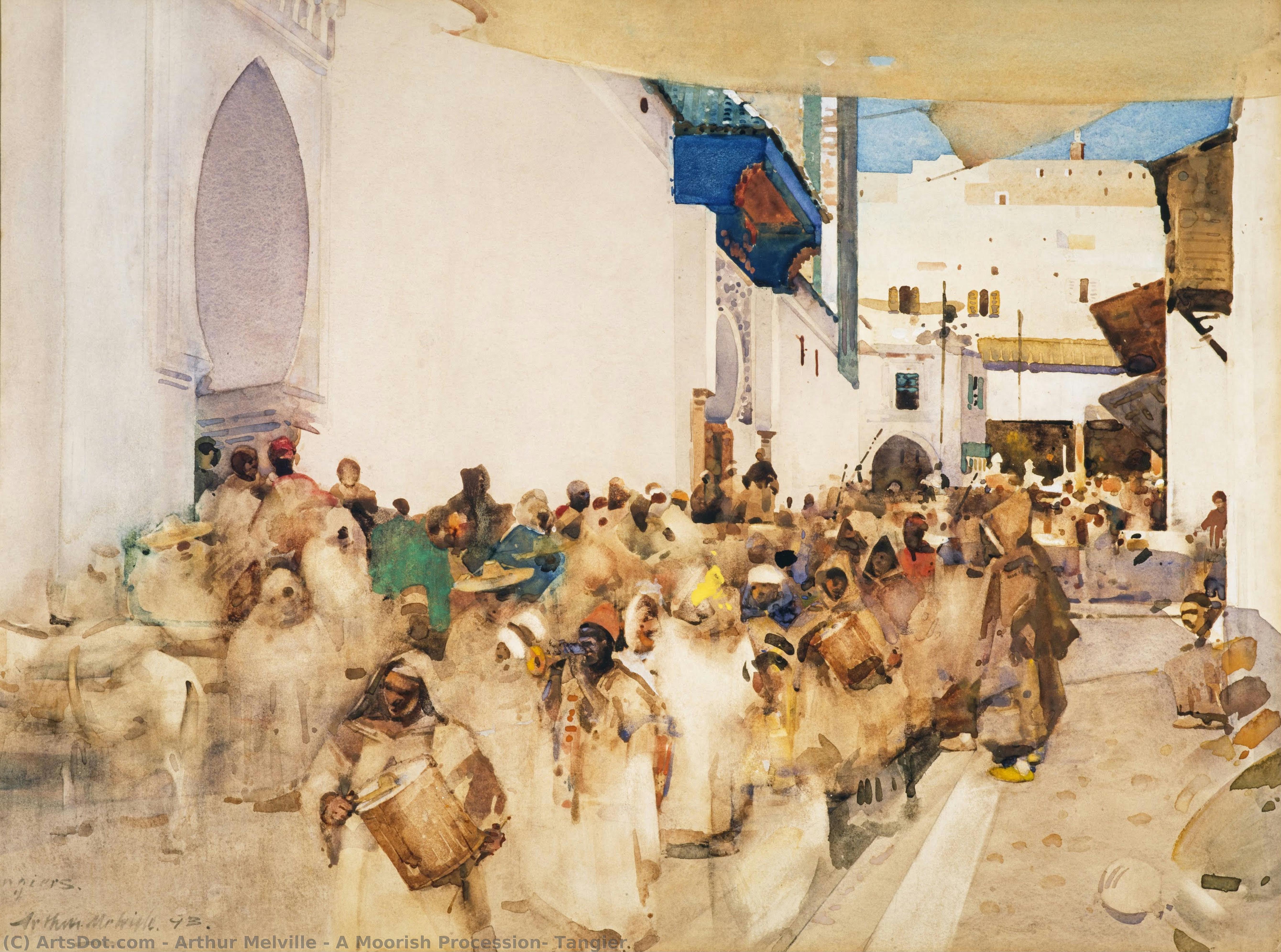
統計情報A Moorish Procession, Tangier


 詳細を見る
詳細を見る
ジークレー/アートプリント
迅速な制作と多彩な仕上げオプションを備えた、ミュージアムクオリティのジークレーまたはキャンバスプリント。 ( 手描きの絵画を購入 デジタル画像販売へ切り替え)




P118B $10

P118H $10

P118W $10

P438Z $10

P508JH $12

P508YH $12

P805H $10

P805Z $10

P919BZ $10

P919G $10

P919XJ $10

P959ZH $10

P968JZ $12

W106C $8

W218G $10

W218JH $8

W218Y $10

W307PJ $10

W316G $10

W316PJ $8

W316Y $10

W398PJ $8

W4111J $10

W500HY $15

W500JH $15

W692G $12

W849H $8

W940BG $15

W953PJ $8




作品のオリジナル比率に合わせた、当店の規定サイズからお選びください。

特定のフレームやスペースに合わせて、ご自身でサイズを指定することも可能です。選択されたサイズが元の画像の比率と一致しない場合、作品をトリミングするか、鏡面反射または単色での塗りつぶしによって画像を拡張いたします。制作を開始する前に、ご確認用のデジタルモックアップをお送りいたします。
画面上のプレビューには、実際のトリミングや拡張は反映されませんのでご注意ください。最終的な構図を正確に確認できるのは、モックアップのみとなります。
カスタムサイズも承っておりますが、元の比率を維持するためには、あらかじめ用意されたリストからサイズを選択することをお勧めいたします。


 ガラスオプションは、110cm未満のサイズでのみご利用いただけます。

A Moorish Procession, Tangier
ジークレー/アートプリント
複製画のサイズ
-


合計金額
$ 62
The Echoes of a City: Arthur Melville’s “A Moorish Procession, Tangier”
Arthur Melville's "A Moorish Procession, Tangier" isn’t merely a depiction of a street scene; it’s a vibrant portal into the heart of 19th-century Morocco. Painted in 1893, this oil on canvas captures a moment brimming with life and movement within the bustling city of Tangier – then a strategically vital crossroads of Europe, Africa, and the Middle East. The painting immediately draws the eye with its audacious use of color; Melville eschews photographic realism for a heightened, almost feverish palette, dominated by rich ochres, deep blues, and fiery reds. These aren’t simply colors representing reality; they are imbued with an emotional intensity, reflecting the exoticism and allure that Tangier held for European travelers and artists during this period.
The scene unfolds with a remarkable energy. A throng of figures – men in flowing robes, women carrying baskets, children darting through the crowd – navigate the narrow streets. The artist masterfully employs loose brushstrokes to convey a sense of immediacy, as if we’re witnessing this procession unfold before our eyes. Notice how Melville doesn't attempt to render every detail with precision; instead, he focuses on capturing the *feeling* of the scene—the heat, the noise, the vibrant interaction between people and their surroundings. The inclusion of horses adds another layer of dynamism, pulling the eye across the canvas and emphasizing the movement within the composition.
Orientalism and the Glasgow Boys
Melville’s work firmly places him within the context of Orientalist painting – a genre that flourished in Europe during the 19th century. However, Melville transcends simple exoticization; he presents Tangier not as a romanticized fantasy but as a living, breathing city with its own unique character and culture. His approach aligns closely with the burgeoning Glasgow Boys movement, a group of Scottish artists who sought to break away from academic traditions and embrace a more expressive and colorful style. Influenced by the Impressionists and Japanese woodblock prints, Melville developed his own distinctive technique – a bold combination of watercolor on wet paper, layered with gouache for added luminosity and depth.
The use of watercolor is particularly striking. Melville’s signature technique involved applying thin washes of color to damp paper, allowing them to bleed and blend naturally. This created a sense of atmospheric haze and movement, perfectly capturing the shimmering heat and dust of Tangier. The gouache, applied in opaque layers, provided highlights and added richness to the palette, preventing the watercolor from becoming too transparent.
Symbolism and Historical Context
“A Moorish Procession, Tangier” is more than just a picturesque scene; it’s a reflection of the complex historical context in which it was created. Tangier, strategically located at the mouth of the Strait of Gibraltar, had been a contested territory for centuries, changing hands between various European powers and local rulers. In 1923, it became an International Zone, governed by a multinational council, attracting artists, diplomats, and adventurers from around the world. Melville’s painting captures this atmosphere of cosmopolitanism and cultural exchange – a vibrant blend of Moorish traditions, European influences, and the allure of the exotic.
The procession itself is laden with symbolic meaning. It represents not just a daily event but also the flow of commerce, religion, and social life within Tangier. The figures are engaged in various activities – carrying goods, praying, socializing – highlighting the interconnectedness of the city’s diverse population. The painting subtly evokes themes of travel, exploration, and the encounter between cultures—powerful subjects that resonated deeply with 19th-century European audiences.
A Legacy of Color and Light
Arthur Melville's "A Moorish Procession, Tangier" remains a captivating work of art, offering a glimpse into a fascinating period in Moroccan history. Its vibrant colors, dynamic composition, and evocative atmosphere continue to resonate with viewers today. Reproductions of this painting capture the essence of Melville’s artistic vision, allowing us to experience the energy and beauty of Tangier as it was perceived by one of its most perceptive chroniclers. It stands as a testament to the power of art to transport us across time and space, inviting us to contemplate the complexities of human culture and the enduring allure of the exotic.
関連作品

アーティストの略歴
スコットランドの先見者:アーサー・メルヴィルの生涯と芸術
アーサー・メルヴィルという名は、同時代の他の画家たちに比べると、すぐには知られていないかもしれません。しかし、彼は19世紀後半から20世紀初頭にかけての英国絵画において、極めて重要な地位を占めています。1855年(諸説あり)、スコットランドのアンガス、ガスリーに生まれたメルヴィルの芸術的な旅路は、飽くなき好奇心、色彩への大胆な情熱、そして光に対する深い感受性によって形作られました。これらの特質は、彼の作品を唯一無訂なものとし、後に台頭する「グラスゴー・ボーイズ」運動にも多大な影響を与えることとなります。彼の若き日は、後の偉大な道のりを予感させるものではありませんでした。食料品店の徒弟として修行を積んでいたメルヴィルでしたが、それでも視覚的な表現への衝動を抑えられず、商売の傍ら、エディンバラでの夜間美術教室に勤勉に通い続けました。この献身的な努力がロイヤル・スコティッシュ・アカデミーへの道を開き、その後のパリやギリシャでの研鑽、そして彼の芸術的感性を決定づける重要な経験へと繋がっていったのです。オリエントの誘惑:旅と変容
しかし、メルヴィルの創造的な情熱に真の火を灯したのは、1880年から1882年にかけて行われたペルシャ、エジプト、トルコへの勇敢な旅でした。しばしば単身で辺境の地へと足を踏み入れた彼は、ビクトリア朝時代のスコットランドの控えめな色調とはかけ離れた、中東の文化と風景に身を投じました。この没入は、単なる観察に留まるものではなく、極めて体験的なものでした。メルヴィルはそれらの場所をただ「見た」のではなく、その空気感、光、そして本質そのものを吸収したのです。この時期、現地の強烈な色彩と眩い太陽の光に突き動かされるように、彼独自のカラーパントレットが開花し始めました。彼は、濡れた紙にガッシュを重ね、しばしば吸い取り技法を用いるという独自の水彩技法を編み出しました。これにより、彼が目にした揺らめく熱気や、躍動する生命感を捉えることが可能となったのです。それは緻密な写実主義を目指したものではなく、その場所の「印象」や「感情」、すなわち魂を描き出す試みでした。現在のパキスタン、カラチの賑やかな街並みを描いたKurrachee(クラチ)のような作品は、まさにこの手法を象徴しています。光と影、色彩と動きがダイナミックに交錯するその画面は、観る者を別世界へと誘います。空気感と革新によって定義されるスタイル
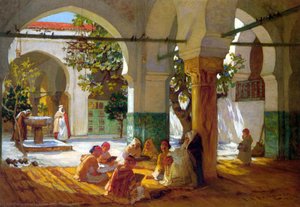
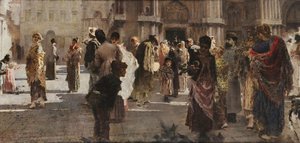
メルヴィルのスタイルは、一言で分類することを拒みます。一瞬の出来事や光学的な効果を重視する印象派など、様々な源泉から影響を受けつつも、彼は常に独自の個性を保ち続けました。彼は写真のような正確さには関心がありませんでした。むしろ、細部を精密に描くことよりも、情景の「感覚」を捉えることを優先し、色彩と空気感を強調したのです。革新的な吸い取り技法によってしばしば「ブロット風(blottesque)」と評されるその広範で装飾的な筆致は、光り輝くような効果と、即興的な躍動感を生み出しました。このアプローチは当時において革命的であり、従来の水彩画の慣習に挑戦し、新たな表現の可能性を切り拓きました。彼は単に「何を見たか」を描いたのではなく、そこにいることで「どのように感じたか」――肌に触れる熱、漂う香り、群衆のエネルギー――を描き出したのです。オリエントの情景に留まらず、ヴェネツィアの風景画や肖像画にも挑んだ彼の多才さは、芸術的な幅をさらに確固たるものにしました。例えば、A Moorish Procession, Tangier(タンジェのムーア人の行列)は北アフリカの鮮やかなエネルギーと文化的豊かさを描き出し、一方でChristmas Eve - 'and There Was No Room For Them In The Inn'(クリスマスイブ ― 「宿には彼らのための部屋はなかった」)は、物語画としての卓越した技量を見せています。遺産と影響:永続する足跡
1904年、わずか49歳という若さで腸チフスにより悲劇的な死を遂げたため、生前は限られた評価しか受けられませんでした。しかし、後世の芸術家たちに与えたメルヴィルの影響は計り知れません。彼の革新的な水彩技法、特に大胆な色彩の使用と空気感の演出は、アカデミックな慣習を打破し、独自の芸術的アイデンティティを確立しようとしたスコットランドの画家集団「グラスゴー・ボーイズ」に多大な影響を与えました。彼の死後まもなく、1906年にロンドンのロイヤル・インスティテュート・ギャラリーで開催された大規模な追悼展は、遅まきながら彼の作品の価値を世に知らしめることとなりました。今日、メルヴィルの作品はロンドンのヴィクトリア&アルバート博物館やワイマール博物館などの権威あるコレクションに収蔵され、多くの個人蔵としても大切に受け継がれています。オリエント絵画、スコットランド美術の発展、そして感情を呼び起こし観る者を時代と場所を超越させる「色彩の力」に魅了される人々にとって、彼は今なお輝き続ける存在です。彼の作品は、旅がもたらす変容の力、芸術的実験の重要性、そして独自のレンズを通して世界を見ようとした先見的な芸術家の不朽の遺産を物語っています。メルヴィル芸術の主な特徴
- 主題: 主にペルシャ、エジプト、トルコなどのオリエント情景。ヴェネツィアの風景や肖エ像画も含む。
- 技法: 濡れた紙にガッシュを重ねることで光輝く効果を生む水彩技法。革新的な吸い取り(ブロッティング)技法。
- スタイル: 広範で装飾的な筆致。細部よりも色彩と空気感を重視した表現。
- 影響: グラスゴー・ボーイズに多大な影響を与え、近代水彩画の先駆的存在となった。
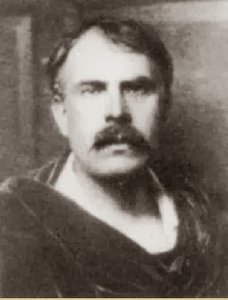
アーサー・メルヴィル
1855 - 1904 , イギリス
基本情報
- Artistic Movement Or Style: オリエンタリズム、印象派
- Artists Or Movements Influenced By This Artist: ['グラスゴー・ボーイズ']
- Artists Who Influenced This Artist:
- コロー
- ミレー
- モネ
- Date Of Birth: 1855年
- Date Of Death: 1904年
- Full Name: アーサー・メルヴィル
- Nationality: スコットランド人
- Notable Artworks:
- Kurrachee
- Moorish Procession
- Christmas Eve
- An Arab Interior
- Place Of Birth: イギリス、アンガス
関連記事

Ephemeral Visions: Exploring the History & Emotional Resonance of Watercolor Painting
Explore the captivating history of watercolor painting, from ancient techniques to modern masters like Kandinsky & Blake. Discover essential artists, collecting tips & the emotional power of this luminous medium. Expert insights for art enthusiasts.

Ephemeral Visions: Exploring the Artistic Legacy & Contemporary Practice of Watercolor Painting
Explore the captivating world of watercolor painting! Discover its rich history, essential techniques, influential artists & collecting tips. A comprehensive guide for art enthusiasts from ArtsDot.

Watercolor Wonders: 10 Masterpieces That Redefined Art History | ArtsDot
Journey through 10 legendary watercolor masterpieces by Sargent, Turner & Homer! Explore iconic landscapes, portraits & floral art that redefined history. Find museum-quality reproductions and curated decor ideas at ArtsDot.com.

水彩の永続的な魅力:歴史、技法、そして現代の実践
水彩画の歴史、技法、現代の実践を深く探求。巨匠たちの名画から初心者向けテクニックまで解説。ArtsDot.comでは高品質な複製画やカスタムポートレートをご提供します。アートコンサルテーションも受付中。

Ephemeral Visions: Exploring the Artistic Legacy & Nuances of Watercolor Painting
Explore the captivating world of watercolor painting! Discover its rich history, essential techniques, influential artists & collecting tips from art experts. A comprehensive guide for enthusiasts.