

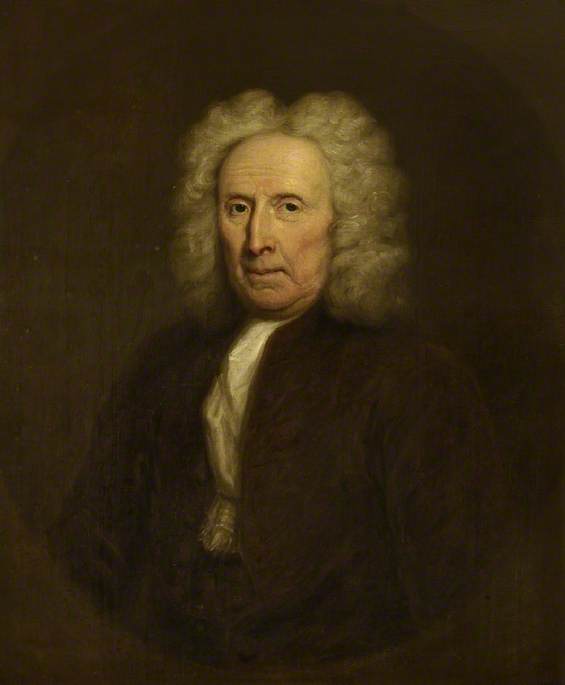
 プレビュー
プレビュー
 シェアする
シェアする シェアする
シェアする
 詳細を見る
詳細を見る

 ダウンロード
 似ている作品
 X線調査
X線調査 スライドショー
Richard Snow
 1738
1738 75.0 x 63.0 cm
 Fitzwilliam College
 詳細を見る
詳細を見る
ジークレー/アートプリント
迅速な制作と多彩な仕上げオプションを備えた、ミュージアムクオリティのジークレーまたはキャンバスプリント。 ( 手描きの絵画を購入 画像を購入)




































作品のオリジナル比率に合わせた、当店の規定サイズからお選びください。

特定のフレームやスペースに合わせて、ご自身でサイズを指定することも可能です。選択されたサイズが元の画像の比率と一致しない場合、作品をトリミングするか、鏡面反射または単色での塗りつぶしによって画像を拡張いたします。制作を開始する前に、ご確認用のデジタルモックアップをお送りいたします。
画面上のプレビューには、実際のトリミングや拡張は反映されませんのでご注意ください。最終的な構図を正確に確認できるのは、モックアップのみとなります。
カスタムサイズも承っておりますが、元の比率を維持するためには、あらかじめ用意されたリストからサイズを選択することをお勧めいたします。


 ガラスオプションは、110cm未満のサイズでのみご利用いただけます。

Richard Snow
ジークレー/アートプリント
複製画のサイズ
-


合計金額
$ 62
関連作品








アーティストの略歴
The Master of Mimicry and the Soul of the Old Masters
In the vibrant, intellectually charged atmosphere of eighteenth-century England, few artists bridged the gap between classical reverence and contemporary innovation as gracefully as Arthur Pond. Born around 1705 in London, Pond emerged during a period when the British art scene was hungry for the grandeur of the Continent. His life was not merely a pursuit of personal fame, but a profound scholarly devotion to the preservation and reproduction of artistic excellence. Educated with a rigorous classical foundation at Clare College, Cambridge, where he delved into Natural Sciences and Moral Philosophy, Pond possessed a unique intellectual depth. This academic grounding allowed him to approach the canvas and the copper plate not just as a craftsman, but as a historian capable of deciphering the very essence of the masters who preceded him.
The trajectory of Pond’s development was irrevocately altered by his transformative journey to Rome. It was in the shadow of classical antiquity that he sought to absorb the visceral energy of Baroque artistry, studying alongside the renowned sculptor Roubiliac. This period of immersion in Italy provided him with a firsthand encounter with the light and shadow of the masters, a sensory education that would later define his technical prowess. Upon his return to London, Pond established himself as a formidable presence in the Georgian art world, navigating the prestigious circles of the era with ease. His ability to capture the psychological depth of his subjects was evident in his original portraiture, where he rendered prominent figures such as Alexander Pope and the William, Duke of Cumberland with an unmistakable sensitivity to character and status.
A Legacy Etched in Copper and Light
While his portraits commanded respect, it was through the meticulous medium of engraving and etching that Pond achieved his most enduring historical significance. He became a celebrated conduit through which the brilliance of the Old Masters could be shared with a wider English audience. His technical mastery allowed him to replicate the complex tonal qualities and expressive gestures of legends such as Rembrandt, Raphael, Caravaggio, and the Poussins. This was far more than mere copying; it was an act of artistic translation. In his celebrated publication, “Imitations of the Italian Masters” (1734–5), Pond demonstrated a profound understanding of compositional arrangement, ensuring that the spirit of the original works remained untarnished by the transition to print.
Pond’s contributions to the graphic arts were characterized by an extraordinary versatility and a collaborative spirit. His career was marked by several significant milestones that solidified his reputation as a pillar of the British art community:
- The Art of Imitation: His ability to navigate various mixed processes of engraving allowed him to capture the distinct textures of different eras, from the dramatic chiaroscuro of the Baroque to the delicate lines of the Renaissance.
- Collaborative Excellence: Working alongside contemporaries like George Knapton, he contributed to monumental collections such as Heads of Illustrious Persons, helping to build a visual canon for the British public.
- Scientific Recognition: His intellectual and artistic contributions were formally recognized by his election as a Fellow of the Royal Society in 1752, a rare honor that bridged the gap between fine art and scientific inquiry.
- The Collector's Eye: Beyond his own hand, Pond was a significant connoisseur; his vast collection of Old Master drawings, which realized over £1400 after his death, speaks to his deep-seated passion for the history of art.
Ultimately, the significance of Arthur Pond lies in his role as a cultural bridge. He did not merely inhabit the eighteenth century; he brought the weight of the past into the light of the present. Through his engravings, the dramatic shadows of Salvator Rosa and the grace of Parmigianino became accessible to the English eye, fostering a sophisticated appreciation for European tradition that would shape the course of British art history for generations to come.
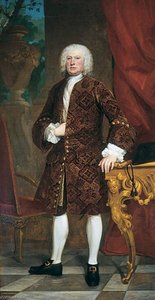
arthur pond
1701 - 1758
基本情報
- Artistic Movement Or Style: Classical Art Style
- Artists Or Movements Influenced By This Artist:
- Rembrandt
- Raphael
- Artists Who Influenced This Artist: ['Roubiliac']
- Date Of Birth: c. 1705
- Date Of Death: 1758
- Full Name: Arthur Pond
- Nationality: English
- Notable Artworks:
- Alexander Pope Portrait
- William, Duke of Cumberland Portrait
- Peg Woffington Portrait
- Place Of Birth: London