

 プレビュー
プレビュー
 シェアする
シェアする シェアする
シェアする
 詳細を見る
詳細を見る

 ダウンロード
 似ている作品
 X線調査
X線調査 スライドショー
 Stats
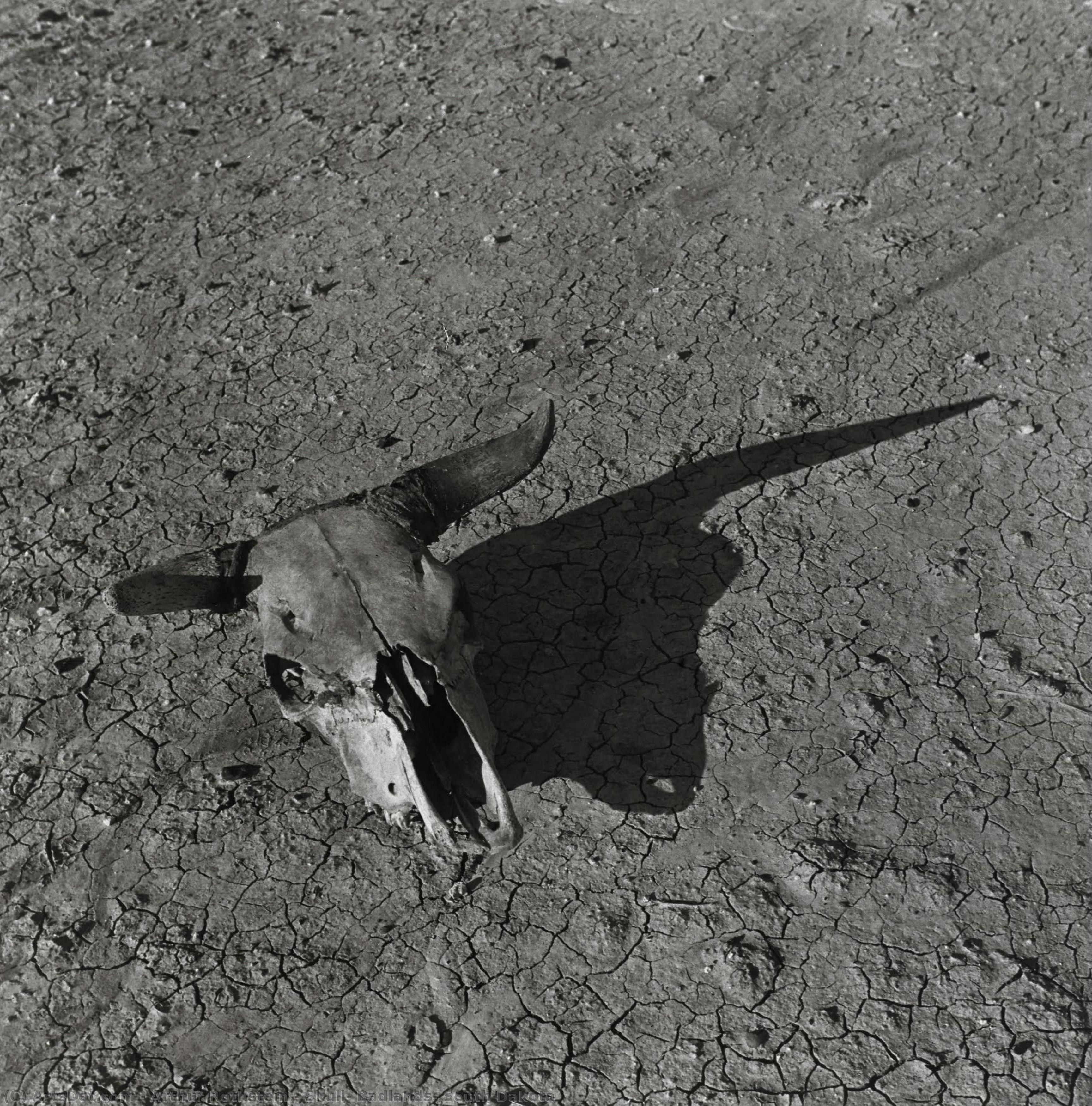
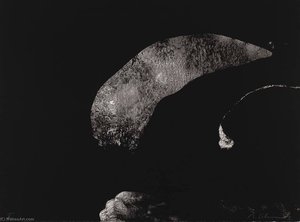
StatsSkull, Badlands, South Dakota
 Social Documentary Photography
 27.0 x 35.0 cm
 詳細を見る
詳細を見る
手描き油彩複製画
当社のアーティストが、お客様のご希望のサイズと額縁に合わせて、キャンバスに手描きで制作する油彩画です。 ( Switch to Print Switch to Digital Image)




P118B $10

P118H $10

P118W $10

P438Z $10

P508JH $12

P508YH $12

P805H $10

P805Z $10

P919BZ $10

P919G $10

P919XJ $10

P959ZH $10

P968JZ $12

W106C $8

W218G $10

W218JH $8

W218Y $10

W307PJ $10

W316G $10

W316PJ $8

W316Y $10

W398PJ $8

W4111J $10

W500HY $15

W500JH $15

W692G $12

W849H $8

W940BG $15

W953PJ $8




作品のオリジナル比率に合わせた、当店の規定サイズからお選びください。

特定のフレームやスペースに合わせて、ご希望のサイズをご入力いただけます。選択されたサイズが元の画像の比率と異なる場合、アートワークをトリミングするか、手描きで要素を追加して絵画を拡張いたします。デジタルモックアップ を制作し、制作開始前にご確認(承認)をいただきます。
画面上のプレビューは、実際のトリミングや拡張を正確に反映しているものではありません。最終的な構図は、モックアップによってのみ正確にご確認いただけます。
カスタムサイズもご利用いただけますが、元の比率を維持するためには、あらかじめ用意されたリストからサイズを選択することをお勧めいたします。
ご注文後、ArtsDot.com チームより詳細な指示をお送りするとともに、仕上がりイメージ(モックアップ)をご提供いたします。


 ガラスオプションは、110cm未満のサイズでのみご利用いただけます。

Skull, Badlands, South Dakota
複製技法
複製画のサイズ
-


合計金額
$ 263
A Haunting Portrait of Resilience: Arthur Rothstein’s ‘Skull, Badlands, South Dakota’
This stark black and white photograph by American photojournalist Arthur Rothstein presents a powerful image – a weathered skull resting on the desolate ground amidst the rocky terrain of the Badlands in South Dakota. Measuring 27 x 35 cm, this piece is more than just a depiction of mortality; it’s a visual echo of hardship, endurance, and the unforgiving beauty of the American landscape.Style & Technique: Documentary Realism
Rothstein's work falls squarely within the tradition of documentary realism, a style prominent during the Great Depression era. He eschews artistic embellishment in favor of direct, unadorned representation. The photograph’s monochrome palette amplifies its somber mood and emphasizes texture – the rough surface of the skull, the cracked earth, and the jagged rocks. The composition is deliberately simple, focusing solely on the skull and its immediate surroundings, forcing the viewer to confront the image's raw emotional power. Rothstein’s mastery lies in his ability to convey profound meaning through such minimalist means.Historical Context: The Dust Bowl & FSA Photography
Arthur Rothstein was a key figure associated with the Farm Security Administration (FSA), a New Deal agency tasked with documenting the plight of rural Americans during the 1930s. While this specific image’s direct connection to an FSA assignment is unconfirmed, it resonates deeply with the themes explored by the project: poverty, displacement, and environmental devastation. The Dust Bowl – a period of severe dust storms that ravaged the Great Plains – looms large in understanding the context of this photograph. The skull can be interpreted as a symbol of lives lost or irrevocably altered by these harsh conditions.Symbolism & Interpretation: Mortality & Endurance
The skull, universally recognized as a *memento mori* (a reminder of mortality), takes on added significance within the context of the Badlands. This geological formation is itself a testament to time and erosion – a landscape sculpted by centuries of natural forces. The juxtaposition suggests that even in the face of overwhelming adversity, life persists, albeit often fragile and fleeting.- The skull represents not just death but also the remnants of a past existence.
- The Badlands symbolize both destruction and resilience – a harsh environment that demands adaptation.
- The photograph can be seen as a meditation on the cyclical nature of life and death, decay and renewal.
Emotional Impact & Aesthetic Appeal
‘Skull, Badlands, South Dakota’ evokes a sense of melancholy, isolation, and quiet contemplation. It is not an image that offers easy comfort; rather, it challenges the viewer to confront difficult truths about human existence. However, there's also a strange beauty in its starkness – a testament to Rothstein’s skill as a photographer. Its timeless quality makes it suitable for a variety of interior settings, adding depth and intrigue to both modern and traditional spaces. The photograph’s subdued palette complements neutral color schemes while providing a striking focal point. It is an artwork that invites conversation and encourages reflection – a powerful addition to any collection.関連作品
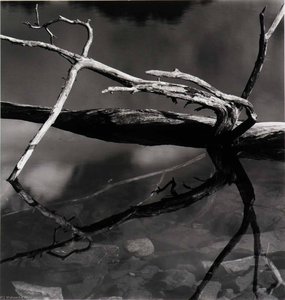
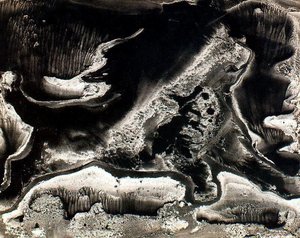
アーティストの略歴
Arthur Rothstein: Documenting America's Struggles
Arthur Rothstein (1915-1985) was a prominent American photojournalist whose career spanned five decades. He is celebrated for his powerful and poignant documentation of rural life, particularly during the Great Depression and its aftermath. His work offers invaluable insights into a pivotal period in American history, capturing both hardship and resilience.
Early Life and Education
Born in Manhattan, New York City, and raised in the Bronx, Rothstein came from a family of Jewish immigrants. He developed an early interest in photography, which he pursued at Columbia University. While there, he founded the university camera club and served as the photography editor of the Columbian yearbook.
Early Career & The Farm Security Administration
Rothstein’s career took a defining turn after graduating from Columbia during the Great Depression. He was invited to Washington D.C. by his former professor, Roy Stryker, who was establishing a photo unit within the Resettlement Administration (RA). Rothstein became the first photographer sent out by Stryker, embarking on a five-year journey documenting the lives of rural Americans.
Documenting Rural America
Rothstein’s photographs captured the stark realities faced by farmers and sharecroppers during this era. He traveled extensively throughout the country, including assignments to document evictions in Virginia (for Shenandoah National Park) and conditions in the Dust Bowl and Montana cattle ranches. His work aimed to publicize the plight of the rural poor and garner support for New Deal programs.
The Gee's Bend Project
One particularly significant assignment took Rothstein to Gee’s Bend, Alabama, a remote community of African American farmers. His photographs of the residents showcased their unique cultural heritage and resilience. These images offered a nuanced portrayal of life in Gee’s Bend, emphasizing dignity and self-sufficiency rather than solely focusing on hardship.
Transition to the Office of War Information
As the nation geared up for World War II, the Farm Security Administration (FSA) transitioned into the Office of War Information (OWI). Rothstein continued his work as a photographer, documenting wartime industries and homefront life. His role evolved to include more staged and propagandistic imagery reflecting the war effort.
Later Career & Legacy
After leaving the OWI, Rothstein pursued various photographic projects, including commercial assignments and educational work. He taught photography at several institutions and continued to document American life. While his later work didn’t achieve the same level of recognition as his FSA photographs, it demonstrated his versatility and commitment to visual storytelling.
Influences & Artistic Development
Roy Stryker was a major influence on Rothstein's early career, shaping his approach to documentary photography and emphasizing its potential for social impact. The artistic style of the FSA photographers generally leaned towards social realism, aiming to depict subjects truthfully and without embellishment.
Major Achievements & Historical Significance
- Created a comprehensive visual record of rural America during the Great Depression.
- Documented the lives of African Americans in Gee’s Bend, Alabama, preserving their cultural heritage.
- Contributed to public awareness of social and economic issues facing the nation.
- His work remains an important historical resource for understanding a critical period in American history.
Arthur Rothstein's photographs are not merely historical documents; they are powerful works of art that continue to resonate with audiences today, reminding us of the challenges and triumphs of the human spirit.
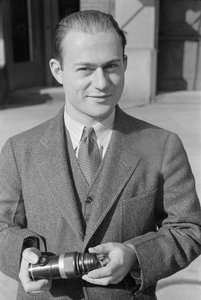
arthur rothstein
1915 - 1985
基本情報
- Birth Date: 1915
- Birth Place: Manhattan, New York City
- Death Date: 1985
- Influenced: None, 'influenced by': 'Roy Stryker', 'movement': 'Social Realism, Documentary Photography', 'name': 'Arthur Rothstein', 'nationality': 'American', 'notable works':
関連記事

Pictorialism: A Search for Artistic Photography's Soul – Aesthetics, Techniques & Legacy
Explore the captivating world of Pictorialism – a pivotal movement that transformed photography into fine art. Discover key artists like Stieglitz & Käsebier, techniques, and collecting tips from experts.
Witnessing History Through Lens & Light: Documentary Photography's Enduring Legacy
Explore the powerful history of documentary photography – from its origins to contemporary masters like Gordon Parks & W. Eugene Smith. Discover how this art form shapes our understanding of society and witness pivotal moments in time.
Beyond the Lens: Photography's Enduring Influence on Modern & Contemporary Art
Explore photography's pivotal role in shaping modern & contemporary art. Discover key movements, influential artists like Stieglitz, and expert collecting advice from ArtsDot.

Monochrome Visions: Exploring the Aesthetic & Historical Significance of Black & White Photography
Explore the rich history & artistic power of black and white photography. From early techniques to iconic masters like Ansel Adams, discover why monochrome continues to captivate art lovers today. Expert insights for collectors.

Dark Masterpieces: 10 Iconic Paintings Dominated by Black Tones |
Explore 10 iconic paintings dominated by black tones, from Rembrandt’s chiaroscuro to Goya's dark expressions. Discover the stories behind these masterpieces & find museum-quality art reproductions for your home at .