

 プレビュー
プレビュー
 プリントを購入
 シェアする
シェアする シェアする
シェアする
 詳細を見る
詳細を見る

 ダウンロード
 似ている作品
 X線調査
X線調査 スライドショー
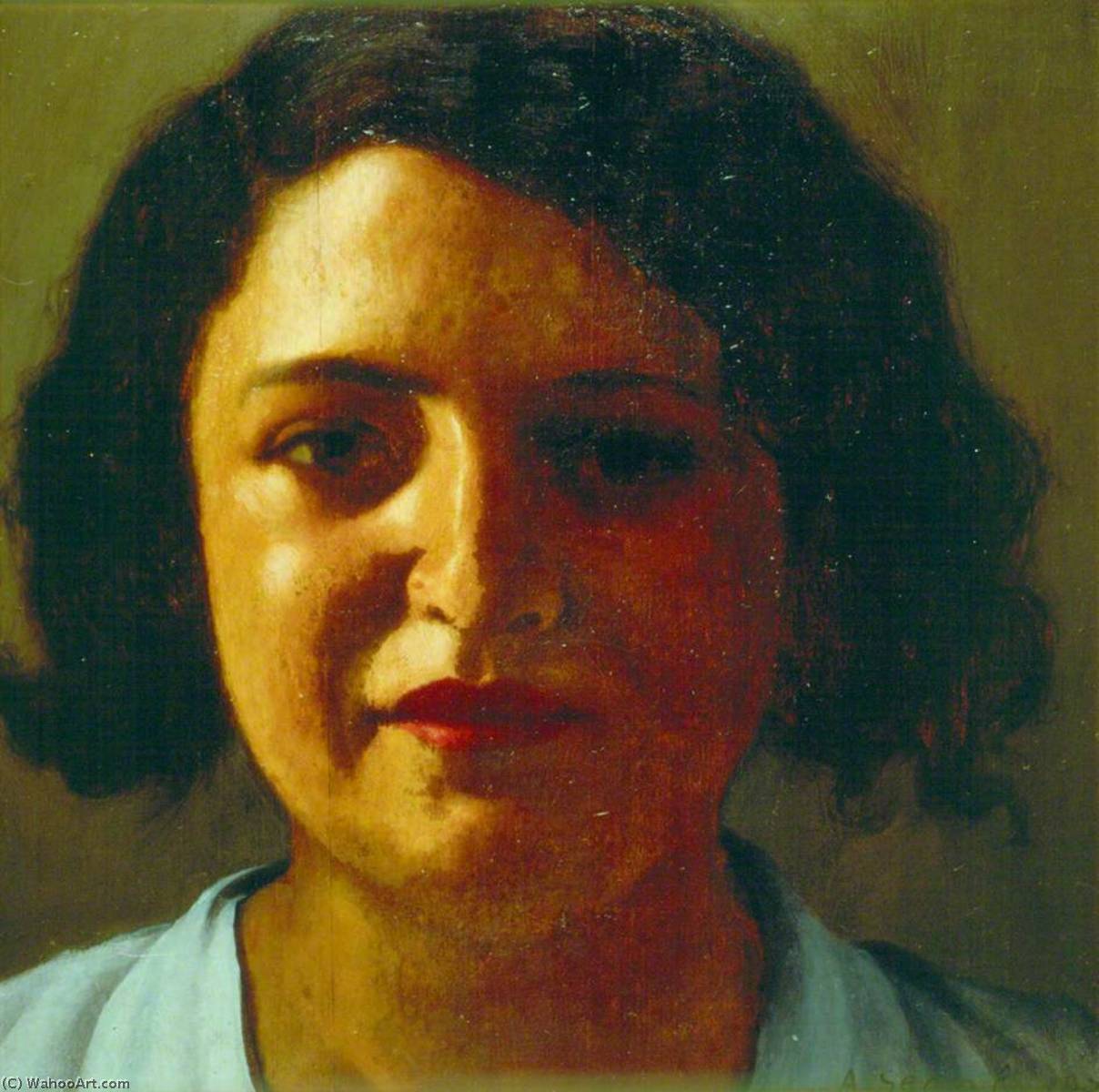
Portrait of a Woman
 Oil On Panel
- Expressionism
 1933
1933- Modern
 28.0 x 28.0 cm
 Guildhall Art Gallery
 詳細を見る
詳細を見る




P118B $10

P118H $10

P118W $10

P438Z $10

P508JH $12

P508YH $12

P805H $10

P805Z $10

P919BZ $10

P919G $10

P919XJ $10

P959ZH $10

P968JZ $12

W106C $8

W218G $10

W218JH $8

W218Y $10

W307PJ $10

W316G $10

W316PJ $8

W316Y $10

W398PJ $8

W4111J $10

W500HY $15

W500JH $15

W692G $12

W849H $8

W940BG $15

W953PJ $8




作品のオリジナル比率に合わせた、当店の規定サイズからお選びください。

特定のフレームやスペースに合わせて、ご希望のサイズをご入力いただけます。選択されたサイズが元の画像の比率と異なる場合、アートワークをトリミングするか、手描きで要素を追加して絵画を拡張いたします。デジタルモックアップ を制作し、制作開始前にご確認(承認)をいただきます。
画面上のプレビューは、実際のトリミングや拡張を正確に反映しているものではありません。最終的な構図は、モックアップによってのみ正確にご確認いただけます。
カスタムサイズもご利用いただけますが、元の比率を維持するためには、あらかじめ用意されたリストからサイズを選択することをお勧めいたします。
ご注文後、ArtsDot.com チームより詳細な指示をお送りするとともに、仕上がりイメージ(モックアップ)をご提供いたします。


 ガラスオプションは、110cm未満のサイズでのみご利用いただけます。

Portrait of a Woman
複製技法
複製画のサイズ
-


合計金額
$ 263
作品解説
A Glimpse Through the Veil of Time
In the intimate dimensions of this 1933 oil on panel, we encounter more than just a portrait; we meet a moment of profound human connection frozen in the amber of the early twentieth century. Portrait of a Woman by Arthur Segal serves as a captivating window into an era defined by both elegance and underlying tension. The subject, captured with a radiant, knowing smile, gazietes toward the viewer with an expression that feels startlingly contemporary despite its vintage origins. Her dark hair frames a face illuminated by a soft, painterly light, while her vibrant red lips provide a singular, pulse-like beat of color against the more muted, atmospheric tones of her attire. This deliberate use of color draws the eye immediately to her expression, inviting the observer into a silent dialogue that transcends the decades separating us from the artist's brushstroke.
The technique employed by Segal in this piece demonstrates a masterful command over the medium of oil. There is a palpable texture to the work, where the artist utilizes the density of the paint to sculpt the contours of the woman's face and the soft folds of her blue dress. By employing a blurred, almost ethereal background, Segal employs a sophisticated use of sfumato-like qualities that strip away the distractions of the physical world, forcing an intense focus on the psychological depth of the sitter. This technique creates a sense of depth and three-dimensionality, making the subject appear to emerge from the shadows of history directly into the present moment. For the discerning collector, this mastery of light and shadow offers a tactile quality that makes a reproduction of this work feel alive with movement and breath.
The Intersection of Expressionism and Intimacy
To understand the emotional resonance of this portrait, one must consider the turbulent artistic landscape inhabited by Arthur Segal. As a figure deeply embedded in the movements of Expressionism and Dadaism, Segal was no stranger to the fragmentation and anxiety of the modern age. Yet, in this particular work, we see a departure from the more radical, deconstructed forms of his Dadaist period, moving instead toward a poignant, soulful realism. The painting captures a rare instance of stillness and joy amidst a world on the precipice of monumental change. There is a subtle symbolism in her smile—a defiant flicker of humanity and grace that persists even as the shadows of the 1930s began to lengthen across Europe.
For interior designers and art enthusiasts, this piece offers an unparalleled opportunity to introduce a sense of historical narrative and emotional warmth into a space. The compact 28 x 28 cm scale makes it an ideal focal point for a curated gallery wall or a sophisticated study, where its intimate proportions can command attention without overwhelming the room. A high-quality reproduction of this work does not merely decorate a wall; it anchors a room with a sense of timelessness and intellectual depth. It is a piece that invites contemplation, serving as a beautiful reminder of the enduring power of the human spirit to find light even in the most complex of historical epochs.
関連作品
アーティストの略歴
Arthur Segal: A Pioneer of Expression and Dada’s Shadow
Arthur Segal (1875 – 1944) stands as a compelling figure in the turbulent landscape of early 20th-century European art, a Romanian artist whose career unfolded across multiple continents and artistic movements. Born into a Jewish family in Iaşi, Romania, his journey was shaped by both personal tragedy—the loss of his wife—and profound political upheaval, culminating in exile during World War II. Initially influenced by the Impressionist and Neo-Impressionist aesthetics of his early training at the Berlin Academy, Segal’s artistic trajectory dramatically shifted towards Expressionism and Dadaism, forging a uniquely personal style characterized by raw emotion, fragmented forms, and a critical engagement with the modern world. His work wasn't merely decorative; it was a visceral response to the anxieties and uncertainties of an era on the brink of profound change.Early Years and Artistic Foundations
Segal’s formative years were spent in Romania, absorbing the artistic traditions of the region while simultaneously encountering the burgeoning avant-garde currents emanating from Berlin. His studies at the Academy of Art in Berlin provided a solid grounding in classical techniques, but it was his exposure to the works of artists like Schmid-Reutte and Hölzel that ignited his interest in exploring new modes of representation. A subsequent period in Paris and Italy allowed him to immerse himself in the vibrant artistic scene of the time, encountering the innovations of Post-Impressionism and early Modernism. Crucially, these experiences laid the groundwork for his later embrace of Expressionist principles, a shift that would fundamentally alter the course of his artistic development. The influence of German Expressionism is particularly evident in his woodcuts, many of which tackled themes of war and social injustice with a stark and uncompromising realism.Berlin’s Expressionist Circle and the Rise of Neue Sezession
The early 1900s marked a pivotal period for Segal as he established himself within Berlin's dynamic artistic community. He quickly became associated with two of the most influential groups of the era: Die Brucke (The Bridge) and Der Blaue Reiter (The Blue Rider). These circles, centered around artists like Wassily Kandinsky and Franz Marc, championed a radical departure from traditional academic art, prioritizing emotional expression and subjective experience. Segal’s participation in their exhibitions signaled his commitment to these ideals and solidified his position within the avant-garde. However, he soon sought to establish his own platform for artistic experimentation, co-founding the Neue Sezession (New Section) in 1910. This group, deliberately provocative, challenged the established norms of the Berliner Secession, advocating for a more diverse and experimental approach to artmaking. The rejection by the Berliner Secession underscored the growing tensions between traditional and avant-garde artistic sensibilities.Exile, Dadaism, and the Swiss Years
The outbreak of World War I forced Segal into exile, leading him and his family to Ascona, Switzerland, in 1914. This period proved transformative, exposing him to the radical ideas of Dadaism – a movement that questioned the very foundations of art and society through irony, absurdity, and anti-rationality. He became involved with the Zurich Dadaists, collaborating with figures like Hans Arp, Hugo Ball, and Leonhard Frank at the Cabaret Voltaire, a hub for experimental performance and artistic innovation. The Swiss experience provided a crucial space for Segal to develop his own unique visual language, characterized by fragmented forms, distorted perspectives, and a deliberate rejection of traditional beauty standards. It was during this time that he began to explore the possibilities of woodcut as a medium for expressing social commentary and political dissent.Return to Berlin, Bauhaus Rejection, and Final Years
Following the war, Segal returned to Berlin in 1920, establishing his own art school and continuing to engage with the city’s vibrant artistic scene. He was offered a teaching position at the Bauhaus in Dessau, a revolutionary institution dedicated to integrating art, craft, and technology, but he declined the opportunity, perhaps wary of the institution's increasingly rigid structure. The rise of Nazism ultimately forced him into exile again, this time to Palma, Majorca, and then London, where he continued to teach and exhibit his work until his death in 1944. Despite facing significant obstacles due to his Jewish heritage, Segal’s artistic legacy endures as a testament to the power of individual expression and the enduring relevance of his pioneering approach to modern art. His work remains a vital link between Expressionism, Dadaism, and the broader currents of 20th-century art history, offering a poignant reflection on the anxieties and uncertainties of a rapidly changing world.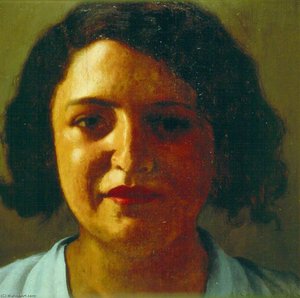
arthur segal
1875 - 1944
基本情報
- Artistic Movement Or Style:
- Expressionism
- Dadaism
- Artists Or Movements Influenced By This Artist:
- Die Brucke
- Der Blaue Reiter
- Artists Who Influenced This Artist:
- Schmid-Reutte
- Hölzel
- Date Of Birth: July 23, 1875
- Date Of Death: June 23, 1944
- Full Name: Arthur Segal
- Nationality: Romanian
- Notable Artworks: ['Woodcuts (anti-war)']
- Place Of Birth: Iaşi, Romania
関連記事

Crimson Threads of Narrative: Exploring Symbolism & Representation in Artworks Featuring the Red Dress
Explore the rich symbolism of the red dress in art history! From ancient power displays to iconic portraits like Cézanne’s 'Madame Cezanne', discover the cultural and artistic significance behind this captivating color. Expert analysis & insights.

Slate Blue Masterpieces: 10 Iconic Paintings & Timeless Home Decor Ideas
Immerse yourself in the captivating world of slate blue! Explore 10 iconic paintings by Monet, Van Gogh & Renoir. Discover their stories, techniques & find museum-quality art reproductions for your home at .
Azure Visions: Exploring Representations of the Blue Dress in Western Art History
Explore the rich history of the blue dress in Western art! Discover its symbolism, from Renaissance masterpieces to modern interpretations by artists like Martin & Schiele. Uncover cultural meanings and artistic techniques.
The Allure of Azure: Exploring the Symbolic & Aesthetic Depths of Blue in Art History
Explore the rich history of blue in art! Discover its symbolism, from ancient pigments to modern masterpieces by Kandinsky & Seurat. Uncover the psychological impact and cultural meanings behind this captivating hue.

The Enduring Legacy of Oil on Canvas: Technique, History & Aesthetic Impact
Explore the rich history & techniques of oil painting – from Renaissance masters to Impressionism. Discover pigments, layering methods, and why this timeless medium endures. Expert insights for artists & art enthusiasts.

