

 プレビュー
プレビュー
 プリントを購入
 シェアする
シェアする シェアする
シェアする
 詳細を見る
詳細を見る

 ダウンロード
 似ている作品
 X線調査
X線調査 スライドショー
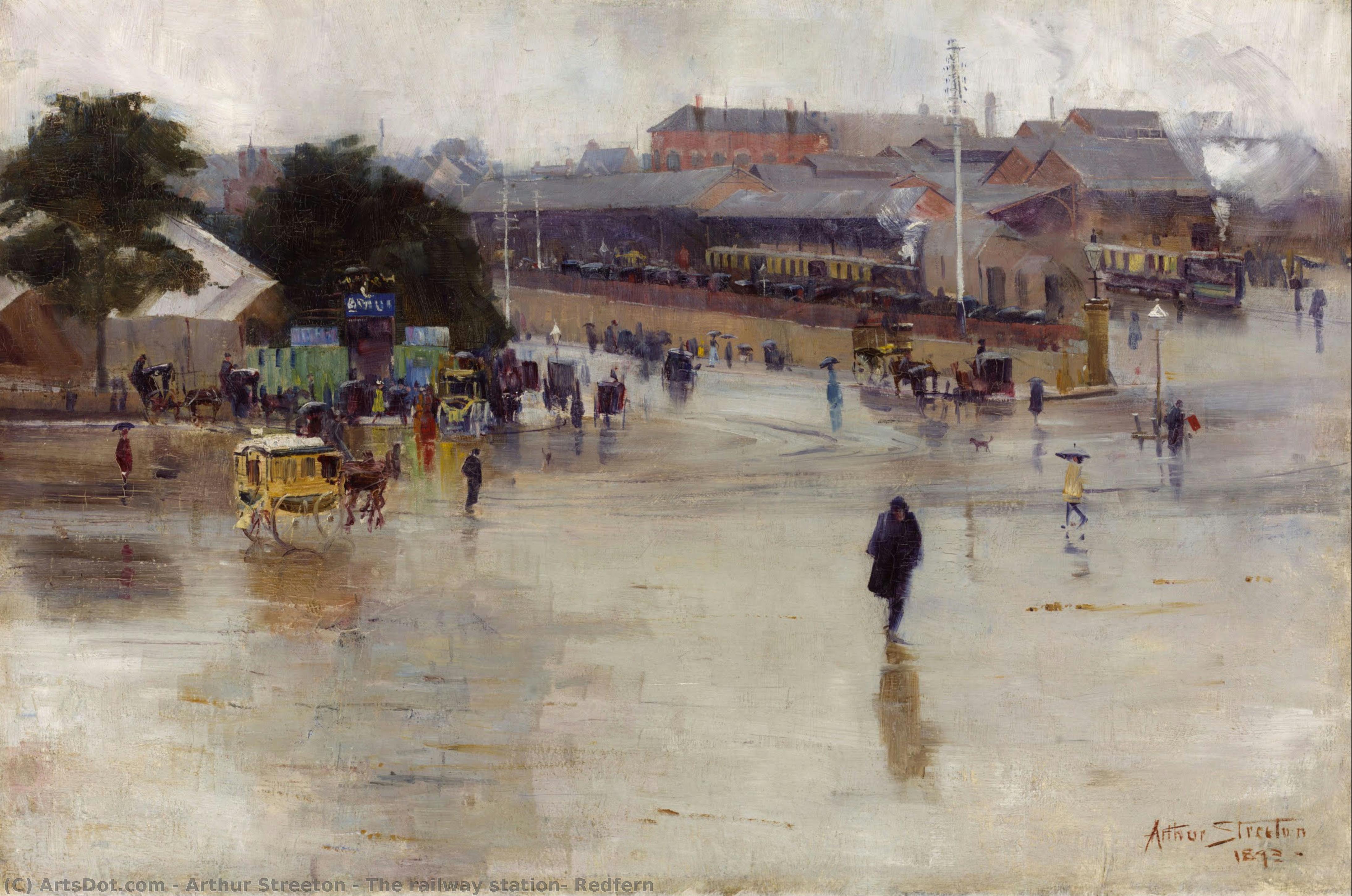
The railway station, Redfern
 Oil On Canvas
- WallArt
- Heidelberg School
 1893
1893- 19th Century
 40.0 x 61.0 cm
 アートギャラリーオブニューサウスウェルス
 詳細を見る
詳細を見る
オンラインプレビューをはるかに凌ぐ、高解像度で鮮明なデジタル画像をご購入いただけます。
各ファイルは、社内の専門家が高度なツールと熟練した手作業によるレタッチを用いて、細心の注意を払って準備されています。すべての画像において、卓越した鮮明度、正確な色彩再現性、そして繊細なディテールを保証いたします。
最終ファイルは、プロフェッショナルな編集・印刷環境ですぐにご利用いただけるよう最適化された状態で、72時間以内にメールにてお届けいたします。これは、一流のデザインスタジオ、出版社、ギャラリーから信頼されているものと同等の品質です。
デジタル画像のご注文に付随する特典
高品質なデジタル画像配信を、確かな品質で。
ArtsDot.com を選ぶことは、単に画像を手に入れることではありません。それは、プロの手によって精密に仕上げられ、満足保証が付いた高品質なデジタルアートワークを受け取ることを意味します。ご注文いただいた際に自動的に付随する内容は、以下の通りです:

メールですぐにお届け
ご注文から72時間以内に、高解像度のデジタル画像ファイルがメールでお手元に届きます。すぐにそのままご利用いただけます。

AI技術で最適化されたデジタルファイル
お客様の作品は、高度なAIツールと専門家による手作業の編集を組み合わせてプロフェッショナルに最適化されており、細部のディテール、鮮明さ、そして正確な色再現性を最大限に引き出しています。

一生涯無料の再送サービス
ファイルを誤って削除したり、紛失してしまったりしましたか?ご安心ください。いつでも無料で再送いたします。

輸入手数料は一切かかりません
関税や手数料、配送料を気にすることなく、お気に入りのアートワークをすぐにお楽しみいただけます。デジタルダウンロードは常に免税です。

色彩再現の保証
プロ仕様のツールとカラーマネジメント技術を用いることで、デジタル画像が元の色を最大限に忠実に再現することを保証いたします。

60日間満足保証
ご購入いただいたデジタル画像にご満足いただけない場合は、60日以内であれば、修正または100%の返金(理由を問う必要はありません)をさせていただきます。

100% 返金保証
ご満足いただけない場合は、デジタルファイルを受け取ってから60日以内であれば、理由を問わず全額返金いたします。

まとめ買い割引
3枚購入で10%OFF - 5枚購入で15%OFF - 10枚以上購入で20%OFF。クリエイティブなプロジェクト、ギャラリー、エージェンシーに最適です。
A Rain-Drenched Moment in Urban Australia: Arthur Streeton’s ‘The Railway Station, Redfern’
Arthur Streeton's “The Railway Station, Redfern” (1893) isn’t merely a depiction of a bustling city street; it’s a shimmering distillation of light and atmosphere – a quintessential example of the Heidelberg School’s approach to landscape painting. This evocative work captures a fleeting moment in time, a rain-slicked scene on Devonshire Street just south of Sydney's Central Station, offering a poignant glimpse into the burgeoning metropolis of late 19th century Australia. The painting immediately draws the viewer into its world with a palpable sense of immediacy; it feels as though we’ve stepped directly onto the wet pavement alongside the figures captured within.
Streeton, a pivotal figure in Australian art history and affectionately known as “Smike,” was deeply influenced by French Impressionism, particularly the techniques of Monet and Pissarro. However, he wasn't simply replicating European styles; instead, he meticulously adapted them to capture the unique qualities of the Australian light – that elusive, golden quality so prized by artists seeking to define a distinctly ‘Australian’ visual language. This is evident in the painting’s rich, warm tones, particularly the way the sunlight breaks through the clouds and reflects off the wet surfaces, creating an almost luminous effect. The artist's deliberate use of broken brushstrokes and layering of colors contributes significantly to this atmospheric depth.
The Heidelberg School and a New Australian Vision
“The Railway Station, Redfern” stands as a cornerstone of the Heidelberg School, a movement that emerged in Melbourne during the late 1880s and early 1900s. Rejecting the academic traditions of the time, the Heidelberg artists – including Streeton, Tom Roberts, and Fred Moudri, among others – sought to paint directly from nature, often *en plein air* (outdoors), capturing the essence of the Australian bush and its light. This commitment to direct observation was coupled with a willingness to experiment with new techniques and subject matter, resulting in a distinctly modern style that prioritized feeling and atmosphere over precise representation.
The choice of a railway station as a subject is itself significant. It reflects the rapid industrialization and urbanization sweeping across Australia during this period. The train station represented progress, connection, and the growing importance of urban centers. Streeton’s decision to portray this scene in the rain adds another layer of complexity – it speaks to the challenges of navigating a rapidly changing society, the dampness mirroring perhaps the anxieties and uncertainties of the time. The painting subtly captures the everyday rhythms of life amidst these transformations.
Details of Composition and Technique
Streeton’s composition is masterfully balanced, guiding the viewer's eye through the scene with a series of converging lines and figures. The busy street is filled with a diverse cast of characters: men hurrying along, women carrying umbrellas, horses pulling carts – each contributing to the vibrant energy of the moment. Notice how Streeton uses subtle shifts in color and tone to create depth and perspective, drawing our attention to the foreground figures while receding into the background. The reflections on the wet pavement are particularly noteworthy, demonstrating the artist’s keen observation of light and its interaction with surfaces.
The painting is executed in oil on canvas, utilizing a technique that emphasizes texture and spontaneity. Streeton's brushwork is loose and expressive, conveying a sense of movement and immediacy. The layering of colors creates a rich visual tapestry, while the use of broken color – applying small dabs of paint side-by-side rather than blending them together – contributes to the painting’s luminous quality. The overall effect is one of vibrant energy and atmospheric depth.
Symbolism and Emotional Resonance
Beyond its technical merits, “The Railway Station, Redfern” resonates with a deeper emotional significance. The rain itself can be interpreted as a symbol of cleansing or renewal, suggesting the potential for transformation amidst the challenges of urban life. The figures in the painting are not merely passive observers; they are actively engaged in their daily routines, demonstrating a sense of resilience and adaptability. Streeton’s work captures a fleeting moment of everyday life, imbued with a quiet dignity and a subtle beauty that speaks to the enduring spirit of Australia.
Reproductions of this captivating artwork offer a wonderful opportunity to bring this evocative scene into your home or office. ArtsDot offers meticulously crafted hand-painted reproductions that faithfully capture the original’s luminosity, texture, and emotional depth, allowing you to experience the magic of Arthur Streeton's vision firsthand.
関連作品





作家の略歴
オーストラリアの光の先駆者:アーサー・ストリートンの生涯と芸術
アーサー・アーネスト・ストリートンは、当時の人々から「スバイク」という愛称で親しまれ、オーストラリア美術史において不朽の地位を築いた巨匠です。1867年4月8日、ビクトリア州マウント・デューニードに生まれた彼の生涯は、風景画を通じて自らの声を模索し始めた、ある国家の進化するアイデンティティと密接に結びついていました。オーストラリアへの航海中に巡り合ったイギリス人移民の両親という控えめな出自から、ストリートンの芸術的旅路は、1882年から1887年にかけてメルボルンのナショナル・ギャラリー・スクールでの学びから始まりました。この時期が、後のオーストラリア・インプレッショニズム(印象主義)とハイデルベルク派を定義することになるキャリアの礎となったのです。しかし、その初期の研鑽は単なる技術の習得に留まりませんでした。それは、ヨーロッパでは決して目にすることのできない、オーストラリアのブッシュ(原生林)特有の光と大気の質を捉える方法を見出すための探求でもありました。この独自の光への挑戦こそが、ストリートンの生涯を通じて彼を魅了し続けたのです。また、彼は正規の訓練に加え、リトグラファーとしての修行も積んでおり、その経験が構図や色調の理解に疑いようのない深みを与えました。ハイデルベルク派とイーグルモント・キャンプ
ストリートンの芸術的な成熟は、真にオーストラリアらしい様式を確立しようと決意した芸術家集団、ハイデルレンベルク派の隆盛と重なります。トム・ロバーツやフレデリック・マッカビンとの友情は極めて重要でした。彼らは共に屋外での「プレネール(外光派)」の遠足へと繰り出し、自然から直接風景を写し取ることを追求したのです。フランス印象主義に触発されつつも、それを明確にオーストラリアという文脈へと適応させたこの屋外制作への献身は、彼らの作品の代名詞となりました。1888年のイーグルモント・キャンプの設立は、大きな転換点となりました。メルボルン郊外の農家を仲間と共有しながら、ストリートントンは強烈な創造性の時代へと突入します。ここで彼は、黄金の夏、イーグルモント(1889年)や流れは今も静かに、そして永遠に流れ続ける(1890年)といった、最も象徴的な作品を次々と生み出しました。これらの絵画は単なる風景の描写ではありませんでした。それは、黄金色の野原の上で揺らめく陽炎や、夏の午後の静寂といった「感覚」の呼び起こしだったのです。このキャンプは実験と相互激励の場となり、ハイデルベルク派がオーストラリア美術界において無視できない勢力としての地位を固めることとなりました。彼らの大胆なアプローチは、1889年の物議を醸した「9×5印象展」において頂点に達し、従来の芸術的規範に挑戦する、小さなシガーボックスの蓋に描かれた迅速な筆致の作品群を世に示しました。名声への渇望と帰郷
さらなる名声と広い世界での評価を求め、ストリートントンは1897年、船「ポリネシエン号」に乗ってロンドンへと向かいました。1900年にはロイヤル・アカデミーでの展示を実現させるなど、一定の成功を収めたものの、オーストラリアで享受していたような熱狂的な称賛を再現することは困難でした。当時のヨーロッパの芸術界は混迷を極め競争も激しく、彼の極めてオーストラリア的なヴィジョンは、確立された既成の嗜好と必ずしも共鳴しなかったのです。それでも彼は描き続け、対象を広げていきました。例えばヴェネツィア、パラッツォ・ラビア(1ウム08年)のようなヴェネツィアの情景は、主題の転換を示しながらも、彼特有の光と色彩への鋭敏な感性を保持していました。第一次世界大戦の勃発により、ストリートントンは王立陸軍衛生部隊の衛生兵として貢献を試み、後に1918年には公式の戦争画家となりました。戦時中の作品は、西部戦線の荒廃を記録しながらも、しばしば風景そのものに焦点を当てており、自然界に対する彼の不変の魅惑を反映していました。彼は1923年に、芸術への貢献が認められ騎士爵を授与されるほどの名声を得て、オーストラリアへと帰還しました。遺産と永続的な影響
アーサー・ストリートンの遺産は、個々の絵画の枠を遥かに超えて広がっています。彼は、大陸の美しさと広大さを讃える、唯一無二のオーストラリア的芸術アイデンティティを確立する上で決定的な役割を果たしました。彼の作品は、オーストラリア人が自ら自身と自国の大地をどのように捉えるかを定義づける一助となったのです。主要作品とテーマ
- 黄金の夏、イーグルモント (1889): おそらく彼の最も有名な作品であり、オーストラリアの夏の熱気と光を体現しています。
- 流れは今も静かに、そして永遠に流れ続ける (1890): ヤラ川を叙情的に描き出し、大気遠近法の卓越した技量を示しています。
- 火の手が上がる (1891): オーストラリアのブッシュファイア(森林火災)の風景を力強く表現し、その美しさと恐ろしさの両面を捉えています。
- ヴェネツィア、パラッツォ・ラビア (1908): 自身の印象主義的な様式をヨーロッパの主題へと適応させる能力を示しています。
- エジプトの飲み物売り (1897): 彼の旅と異文化への探求を反映した、鮮やかな情景です。

アーサー・ストリートン
1867 - 1943 , オーストラリア
プロフィール概要
- Artistic Movement Or Style: 印象派、ハイデルベルク派
- Artists Or Movements Influenced By This Artist: オーストラリア印象派
- Artists Who Influenced This Artist:
- ルイ・ブヴェロ
- J.M.W. ターナー
- Date Of Birth: 1867年4月8日
- Date Of Death: 1943年9月1日
- Full Name: アーサー・アーネスト・ストリートン
- Nationality: オーストラリア人
- Notable Artworks:
- ゴールデン・サマー、イーグルモント
- 静かに流れる小川
- ヴェネツィア、パラッツォ・ラビア
- エジプトの飲み物売り
- シリウス・コーヴ
- Place Of Birth: オーストラリア、マウント・デュニード

