

 プレビュー
プレビュー
 プリントを購入
 シェアする
シェアする シェアする
シェアする
 詳細を見る
詳細を見る

 ダウンロード
 似ている作品
 X線調査
X線調査 スライドショー
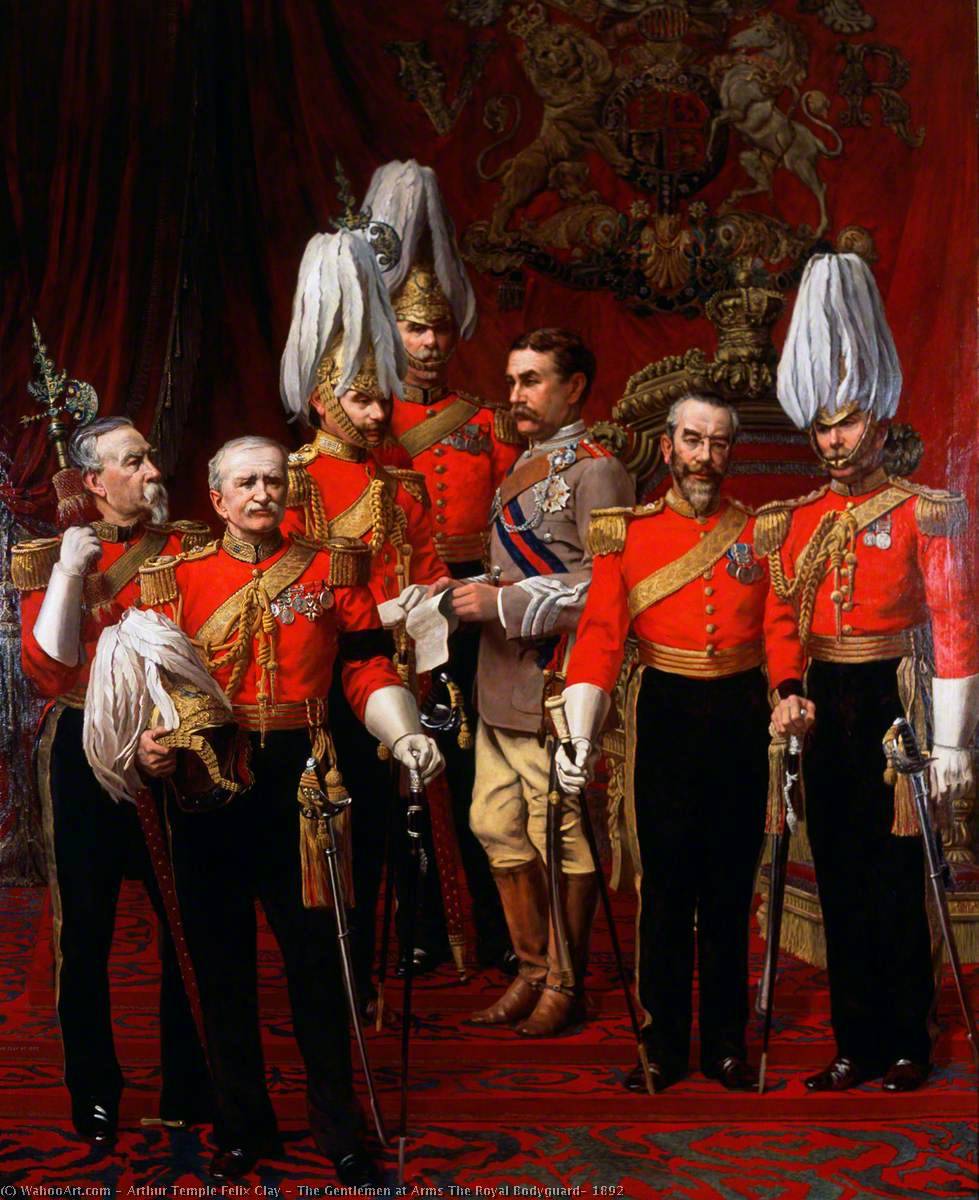
The Gentlemen at Arms The Royal Bodyguard, 1892
 1892
1892 350.0 x 261.0 cm
 Ministry of Defence
 詳細を見る
詳細を見る
オンラインプレビューをはるかに凌ぐ、高解像度で鮮明なデジタル画像をご購入いただけます。
各ファイルは、社内の専門家が高度なツールと熟練した手作業によるレタッチを用いて、細心の注意を払って準備されています。すべての画像において、卓越した鮮明度、正確な色彩再現性、そして繊細なディテールを保証いたします。
最終ファイルは、プロフェッショナルな編集・印刷環境ですぐにご利用いただけるよう最適化された状態で、72時間以内にメールにてお届けいたします。これは、一流のデザインスタジオ、出版社、ギャラリーから信頼されているものと同等の品質です。
デジタル画像のご注文に付随する特典
高品質なデジタル画像配信を、確かな品質で。
ArtsDot.com を選ぶことは、単に画像を手に入れることではありません。それは、プロの手によって精密に仕上げられ、満足保証が付いた高品質なデジタルアートワークを受け取ることを意味します。ご注文いただいた際に自動的に付随する内容は、以下の通りです:

メールですぐにお届け
ご注文から72時間以内に、高解像度のデジタル画像ファイルがメールでお手元に届きます。すぐにそのままご利用いただけます。

AI技術で最適化されたデジタルファイル
お客様の作品は、高度なAIツールと専門家による手作業の編集を組み合わせてプロフェッショナルに最適化されており、細部のディテール、鮮明さ、そして正確な色再現性を最大限に引き出しています。

一生涯無料の再送サービス
ファイルを誤って削除したり、紛失してしまったりしましたか?ご安心ください。いつでも無料で再送いたします。

輸入手数料は一切かかりません
関税や手数料、配送料を気にすることなく、お気に入りのアートワークをすぐにお楽しみいただけます。デジタルダウンロードは常に免税です。

色彩再現の保証
プロ仕様のツールとカラーマネジメント技術を用いることで、デジタル画像が元の色を最大限に忠実に再現することを保証いたします。

60日間満足保証
ご購入いただいたデジタル画像にご満足いただけない場合は、60日以内であれば、修正または100%の返金(理由を問う必要はありません)をさせていただきます。

100% 返金保証
ご満足いただけない場合は、デジタルファイルを受け取ってから60日以内であれば、理由を問わず全額返金いたします。

まとめ買い割引
3枚購入で10%OFF - 5枚購入で15%OFF - 10枚以上購入で20%OFF。クリエイティブなプロジェクト、ギャラリー、エージェンシーに最適です。
関連作品








作家の略歴
Arthur Temple Felix Clay: The Architect of Courtroom Drama
Arthur Temple Felix Clay (1842-1928) wasn’t merely a painter; he was a meticulous observer, a keen student of human behavior, and ultimately, an architect of psychological realism on canvas. Born in London into a family steeped in shipping and finance – his father, George Clay, was a prominent merchant – Clay initially pursued a path of academic study at Trinity College, Cambridge, graduating with a Bachelor of Arts in Economics. However, the allure of capturing fleeting moments and complex emotions proved too strong to resist, leading him down the path of art. His career unfolded against the backdrop of Victorian England, a period defined by rapid industrialization, social upheaval, and a burgeoning fascination with law and justice – themes that would become central to his artistic output.
Clay’s early work demonstrated an interest in landscape painting, reflecting the prevailing trends of the time. Yet, it was his foray into courtroom scenes that truly distinguished him. He possessed an uncanny ability to distill the tension, anxiety, and subtle power dynamics inherent in legal proceedings onto canvas. These weren't romanticized depictions of justice; rather, they were brutally honest portrayals of individuals grappling with uncertainty, fear, and the weight of their circumstances. His subjects – lawyers, witnesses, jurors – were rendered with remarkable detail, capturing not just their physical appearances but also the flicker of emotion in their eyes, the nervous fidgeting of hands, and the subtle shifts in posture that betrayed their inner turmoil.
Influences on Clay’s work are complex and layered. While he admired the realism of artists like John Everett Millais, his approach was distinctly more focused on psychological insight. The influence of photography is also evident – Clay meticulously observed and documented scenes before committing them to canvas, striving for a level of accuracy that mirrored photographic representation. Furthermore, his experience as a magistrate—a role he held for many years—provided him with invaluable firsthand knowledge of the legal system and its impact on individuals. This intimate understanding fueled his artistic explorations, allowing him to create works that resonated with both intellectual depth and emotional resonance.
The Clay Baronetcy and Family Legacy
Arthur Temple Felix Clay’s lineage was inextricably linked to wealth and influence. He inherited the title of 4th Baronet Clay of Fulwell Lodge in 1878, a testament to his family's long-standing prominence within British society. The Clay Baronetcy, established in 1841 for William Clay, a Member of Parliament and Secretary to the Board of Control, represented a significant legacy of political and economic power. This aristocratic background undoubtedly shaped Clay’s perspective and informed his artistic choices, providing him with access to certain social circles and experiences that would later enrich his work.
His family history is particularly noteworthy due to the existence of the Clay Baronetcy, which was created in 1841 for William Clay. The title has been passed down through several generations, including Sir William Dickason Clay, Sir George Clay, and Sir Arthur Temple Felix Clay. The family’s involvement in shipping and finance further cemented their position within the British economy during the Victorian era.
Technique and Artistic Style
Clay was a master of watercolor and oil painting, though he is perhaps best known for his meticulously rendered courtroom scenes executed in watercolor. His technique involved layering thin washes of color to create subtle gradations of tone and texture, capturing the nuances of light and shadow with remarkable precision. He employed a limited palette—primarily muted blues, greens, browns, and grays—to evoke a sense of realism and gravitas. His compositions were often carefully constructed, utilizing perspective and spatial relationships to draw the viewer into the scene and create a feeling of immediacy.
A key element of Clay’s style was his ability to convey psychological depth through subtle visual cues. He avoided dramatic gestures or overt expressions of emotion, instead relying on the careful observation of body language, facial expressions, and the arrangement of objects within the frame to communicate the inner states of his subjects. His paintings are not merely representations of events; they are explorations of human experience—a testament to his artistic sensitivity and profound understanding of the complexities of the human psyche.
Major Works and Historical Significance
Among Clay’s most celebrated works is “The Court of Criminal Appeal,” a large-scale watercolor depicting a scene from within the Law Courts. This painting, now housed in a prominent collection, exemplifies his ability to capture the atmosphere of legal proceedings with remarkable detail and psychological insight. He also produced numerous portraits, including a striking depiction of Sir William Hardman, QC, which remains a significant example of Victorian courtroom art.
Clay’s work holds considerable historical significance as it provides a rare glimpse into the social and cultural landscape of late 19th-century England. His paintings offer valuable insights into the workings of the legal system, the anxieties of individuals facing legal challenges, and the broader themes of justice, power, and morality. His meticulous observation and artistic skill have ensured that his work continues to be studied and appreciated by art historians and enthusiasts alike, cementing his place as a pivotal figure in Victorian painting.
arthur temple felix clay
1842 - 1928
プロフィール概要
- Artistic Movement Or Style: Landscape & Portrait Painting
- Artists Who Influenced This Artist: ['None],\n "Artists or movements influenced by this artist": [None']
- Date Of Birth: 1842-12-09
- Date Of Death: 1928-05-27
- Full Name: Arthur Temple Felix Clay
- Nationality: British
- Notable Artworks:
- Courtroom Paintings
- Yeoman of the Guard
- Place Of Birth: Hertford Street, Westminster, England

