

 プレビュー
プレビュー
 シェアする
シェアする シェアする
シェアする
 詳細を見る
詳細を見る

 ダウンロード
 似ている作品
 X線調査
X線調査 スライドショー
 統計情報
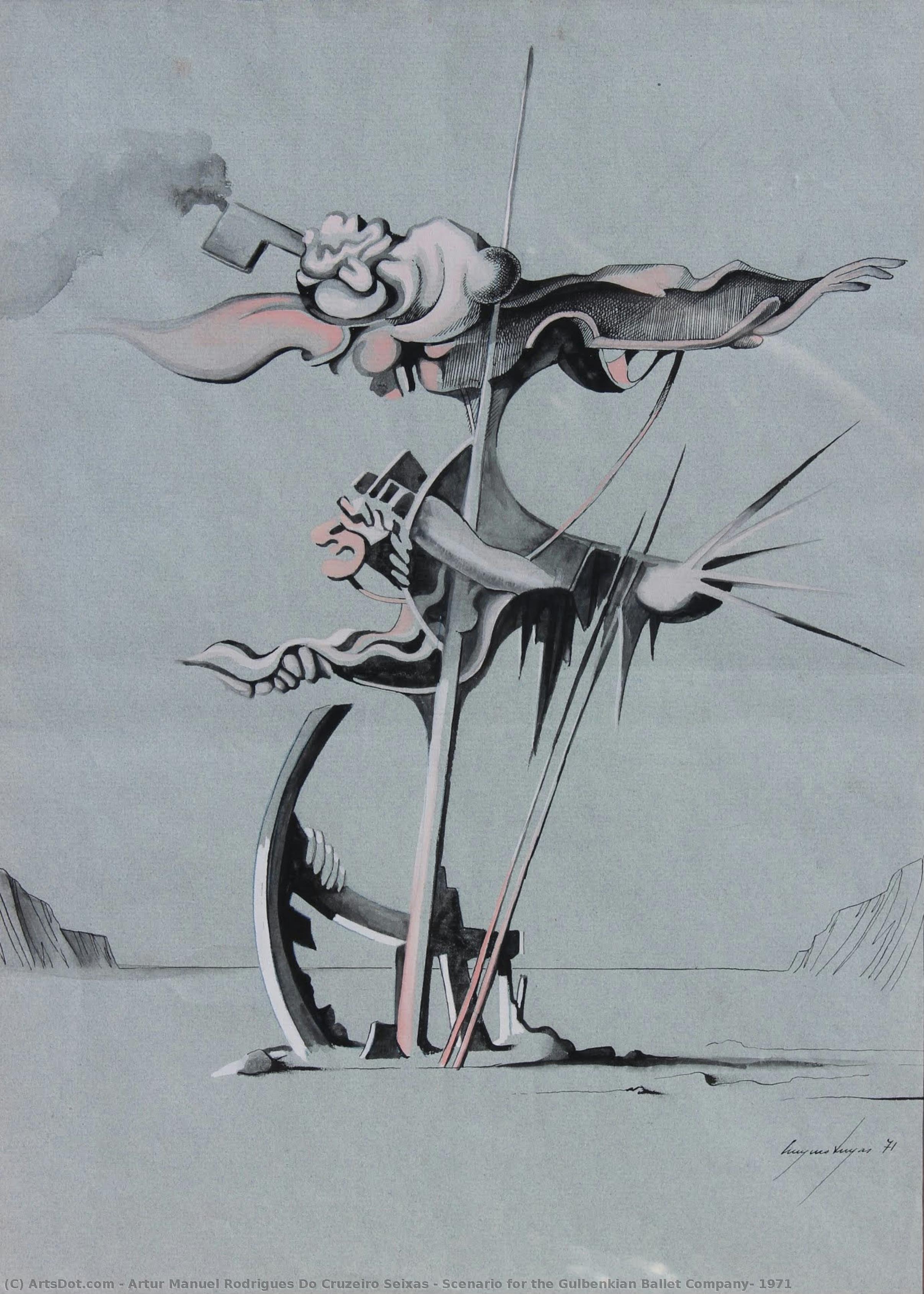
統計情報Scenario for the Gulbenkian Ballet Company, 1971
 Mixed Media
- WallArt
- Surrealism
 Modern
 27.0 x 38.0 cm
 Museu da Fundação Dionísio Pinheiro e Alice Cardoso Pinheiro
 詳細を見る
詳細を見る
オンラインプレビューをはるかに凌ぐ、高解像度で鮮明なデジタル画像をご購入いただけます。
各ファイルは、社内の専門家が高度なツールと熟練した手作業によるレタッチを用いて、細心の注意を払って準備されています。すべての画像において、卓越した鮮明度、正確な色彩再現性、そして繊細なディテールを保証いたします。
最終ファイルは、プロフェッショナルな編集・印刷環境ですぐにご利用いただけるよう最適化された状態で、72時間以内にメールにてお届けいたします。これは、一流のデザインスタジオ、出版社、ギャラリーから信頼されているものと同等の品質です。
デジタルアート
個人での鑑賞、印刷、クリエイティブなプロジェクト用に、高解像度ファイルをダウンロードできます。 ( プリント版に切り替え 手描きの絵画を購入)
デジタル画像のご注文に付随する特典
高品質なデジタル画像配信を、確かな品質で。
ArtsDot.com を選ぶことは、単に画像を手に入れることではありません。それは、プロの手によって精密に仕上げられ、満足保証が付いた高品質なデジタルアートワークを受け取ることを意味します。ご注文いただいた際に自動的に付随する内容は、以下の通りです:

メールですぐにお届け
ご注文から72時間以内に、高解像度のデジタル画像ファイルがメールでお手元に届きます。すぐにそのままご利用いただけます。

AI技術で最適化されたデジタルファイル
お客様の作品は、高度なAIツールと専門家による手作業の編集を組み合わせてプロフェッショナルに最適化されており、細部のディテール、鮮明さ、そして正確な色再現性を最大限に引き出しています。

一生涯無料の再送サービス
ファイルを誤って削除したり、紛失してしまったりしましたか?ご安心ください。いつでも無料で再送いたします。

輸入手数料は一切かかりません
関税や手数料、配送料を気にすることなく、お気に入りのアートワークをすぐにお楽しみいただけます。デジタルダウンロードは常に免税です。

色彩再現の保証
プロ仕様のツールとカラーマネジメント技術を用いることで、デジタル画像が元の色を最大限に忠実に再現することを保証いたします。

100日間満足保証
ご購入いただいたデジタル画像にご満足いただけない場合は、100日以内であれば、理由を問わず修正または100%の返金対応をさせていただきます。

100% 返金保証
ご満足いただけない場合は、デジタルファイルを受け取ってから100日以内であれば、理由を問わず全額返金いたします。

まとめ買い割引
3枚購入で10%OFF - 5枚購入で15%OFF - 10枚以上購入で20%OFF。クリエイティブなプロジェクト、ギャラリー、エージェンシーに最適です。
Artwork Description: Scenario for the Gulbenkian Ballet Company, 1971
- Artist: Artur Manuel Rodrigues do Cruzeiro Seixas
- Date: Unknown (circa 1971)
- Size: 27 x 38 cm
- Medium: Likely watercolor or gouache on paper
Subject and Composition
This striking artwork, titled "Scenario for the Gulbenkian Ballet Company, 1971," presents a surrealist vision intended as a study for a ballet scenario. The central figure immediately commands attention – an individual riding a bicycle while wielding what appears to be a weapon. This juxtaposition of everyday objects with a potential threat creates an unsettling and dreamlike atmosphere. The composition is dominated by this central figure, occupying most of the frame. A minimalistic background of muted grey tones provides a stark contrast, hinting at landscape elements like hills or rocks in the lower left corner. The use of dynamic lines contributes to a sense of movement and distortion, particularly around the bicycle wheels and the figure itself.
Style and Technique: Surrealist Expression
"Scenario for the Gulbenkian Ballet Company" is firmly rooted within the Surrealist art movement. Surrealism, known for its illogical juxtapositions, distorted forms, and exploration of the subconscious, is evident in every aspect of this piece. The artist employs a restrained color palette – primarily shades of grey, beige, and muted pinks/reds – to create a flat, dreamlike atmosphere. Lines are used expressively, often appearing jagged or distorted, further enhancing the sense of unease and disorientation characteristic of Surrealist art. The painting appears relatively smooth, suggesting layering and blending of colors achieved through techniques like watercolor or gouache on paper.
Symbolism and Emotional Impact
The symbolism within this artwork is open to interpretation, a hallmark of Surrealism. The figure on the bicycle, armed with a weapon, evokes feelings of tension, anxiety, and potential threat. Is it a commentary on societal anxieties? A representation of a character's internal conflict within the ballet scenario? The surreal setting and distorted forms amplify these emotions, contributing to an overall sense of disorientation and dreamlike strangeness. The artist’s choice of muted colors reinforces this unsettling mood, preventing any bright or cheerful interpretations.
Historical Context and the Artist
Artur Manuel Rodrigues do Cruzeiro Seixas (1920-2020), also known as Cruzeiro Seixas, was a Portuguese painter and poet deeply involved in the Surrealist movement. He collaborated with prominent surrealists like Mário Cesariny and was part of the Surrealist Group of Lisbon. This artwork reflects his engagement with themes of dreamlike imagery and literary expression. The piece's creation for the Gulbenkian Ballet Company suggests an exploration of narrative through visual means, demonstrating Seixas’ ability to translate abstract concepts into compelling artistic form. His work often explored unsettling imagery and challenged conventional perspectives, making this piece a representative example of his unique artistic vision.
関連作品

作家の略歴
A Life Immersed in Surrealism: The World of Cruzeiro Seixas
Artur Manuel Rodrigues do Cruzeiro Seixas, known simply as Cruzeiro Seixas, was a figure who resisted easy categorization—a “man who paints,” as he preferred to be called rather than a painter, and a profoundly influential Portuguese poet. Born in Amadora, Portugal, in 1920, and passing away in Lisbon in 2020 at the remarkable age of 99, Seixas’s long life was deeply interwoven with the evolution of surrealism, not merely as an artistic style but as a philosophical stance against convention and a passionate exploration of the subconscious. His work is characterized by dreamlike imagery, literary allusions, and a unique visual language that often evokes both unsettling mystery and playful delight.Early Influences and the Lisbon Surrealist Group
Seixas’s artistic journey began in the fertile intellectual environment of António Arroio School, where he forged lasting friendships with key figures who would shape Portugal's cultural landscape: Mário Cesariny, Marcelino Vespeira, Júlio Pomar, and Fernando Azevedo. This circle became the nucleus of what would emerge as the Surrealist Group of Lisbon in the mid-1940s, born from a schism within the broader Portuguese surrealist movement. Initially drawn to neorealism, Seixas quickly gravitated towards the liberating principles of surrealism—a rejection of rational thought and an embrace of the irrational, the fantastical, and the power of free association. The 1949 exhibition of the group marked a pivotal moment, establishing their presence and challenging the prevailing artistic norms. This period was crucial in defining Seixas’s aesthetic trajectory, fostering his commitment to exploring the depths of human consciousness through visual expression.A Journey Beyond Borders: Africa, Asia, and Poetic Beginnings
The 1950s saw Seixas embark on a transformative journey that would profoundly impact both his artistic vision and his poetic voice. Enlisting in the Merchant Navy, he traveled extensively throughout Africa, India, and Asia—experiences that broadened his horizons and infused his work with new perspectives and symbolic resonances. His time in Angola, beginning in 1951, proved particularly significant; he worked at the Luanda Museum while simultaneously developing his poetic production. This period marked the genesis of a powerful literary voice alongside his increasingly distinctive visual style. Early exhibitions during this time sparked considerable debate, demonstrating Seixas’s willingness to challenge expectations and provoke thought through unconventional imagery and object-based works.Collaboration, Recognition, and a Unique Artistic Vision
Upon returning to Portugal in 1964, Seixas continued to push the boundaries of artistic expression. His collaboration with Natália Correia on the renowned “Anthology of Erotic and Satirical Portuguese Poetry” in 1966 showcased his ability to seamlessly blend visual art with literary themes. The late 1960s brought further recognition, including a scholarship from the Calouste Gulbenkian Foundation, which allowed him to dedicate himself fully to his artistic pursuits. Retrospective exhibitions and solo shows at galleries like Buchholz and Divulgação solidified his position within the Portuguese art world. Throughout his career, Seixas maintained a steadfast commitment to surrealism, engaging with international colleagues and contributing to magazines dedicated to the movement. His work is characterized by a “broken world” where dreamlike elements coexist with unsettling violence and a playful exploration of artistic history—a unique synthesis that defies easy categorization.Legacy and Historical Significance
Cruzeiro Seixas’s enduring legacy lies in his unwavering dedication to surrealism as a means of exploring the complexities of human experience. He wasn't simply replicating a style; he was using it as a vehicle for profound introspection, literary engagement, and social commentary. His paintings, often imbued with symbolic figures and haunting imagery, invite viewers into a realm where logic is suspended and the subconscious takes center stage. The recognition bestowed upon him—including the rank of Grand Officer of the Ancient, Nobilíssimo and Enlightened Military Order of Santiago da Espada—underscores his significant contribution to Portuguese culture. He remained a vital force in the art world until his death, continuing to challenge conventions and inspire generations of artists with his unique vision and unwavering commitment to the power of imagination. His work stands as a testament to the enduring relevance of surrealism and its capacity to illuminate the hidden depths of the human psyche.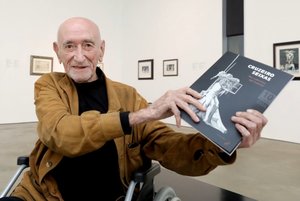
artur manuel rodrigues do cruzeiro seixas
1920 - 2020 , Portugal
プロフィール概要
- Artistic Movement Or Style: 1920s Art Deco
- Artists Or Movements Influenced By This Artist:
- Dada
- Surrealism
- Expressionism
- Artists Who Influenced This Artist: ['Marcel Duchamp']
- Date Of Death: 2020
- Place Of Birth: WahooArt