


 プレビュー
プレビュー
 シェアする
シェアする シェアする
シェアする
 詳細を見る
詳細を見る

 ダウンロード
 似ている作品
 X線調査
X線調査 スライドショー
 統計情報
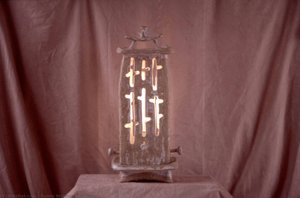
統計情報Untitled
 5.0 x 16.0 cm
 Rede Portuguesa de Arte Contemporânea a Norte
 詳細を見る
詳細を見る
ジークレー/アートプリント
迅速な制作と多彩な仕上げオプションを備えた、ミュージアムクオリティのジークレーまたはキャンバスプリント。 ( 手描きの絵画を購入 デジタル画像販売へ切り替え)




































作品のオリジナル比率に合わせた、当店の規定サイズからお選びください。

特定のフレームやスペースに合わせて、ご自身でサイズを指定することも可能です。選択されたサイズが元の画像の比率と一致しない場合、作品をトリミングするか、鏡面反射または単色での塗りつぶしによって画像を拡張いたします。制作を開始する前に、ご確認用のデジタルモックアップをお送りいたします。
画面上のプレビューには、実際のトリミングや拡張は反映されませんのでご注意ください。最終的な構図を正確に確認できるのは、モックアップのみとなります。
カスタムサイズも承っておりますが、元の比率を維持するためには、あらかじめ用意されたリストからサイズを選択することをお勧めいたします。


 ガラスオプションは、110cm未満のサイズでのみご利用いただけます。

Untitled
ジークレー/アートプリント
複製画のサイズ
-


合計金額
$ 62
関連作品

アーティストの略歴
A Life Immersed in Surrealism: The World of Cruzeiro Seixas
Artur Manuel Rodrigues do Cruzeiro Seixas, known simply as Cruzeiro Seixas, was a figure who resisted easy categorization—a “man who paints,” as he preferred to be called rather than a painter, and a profoundly influential Portuguese poet. Born in Amadora, Portugal, in 1920, and passing away in Lisbon in 2020 at the remarkable age of 99, Seixas’s long life was deeply interwoven with the evolution of surrealism, not merely as an artistic style but as a philosophical stance against convention and a passionate exploration of the subconscious. His work is characterized by dreamlike imagery, literary allusions, and a unique visual language that often evokes both unsettling mystery and playful delight.Early Influences and the Lisbon Surrealist Group
Seixas’s artistic journey began in the fertile intellectual environment of António Arroio School, where he forged lasting friendships with key figures who would shape Portugal's cultural landscape: Mário Cesariny, Marcelino Vespeira, Júlio Pomar, and Fernando Azevedo. This circle became the nucleus of what would emerge as the Surrealist Group of Lisbon in the mid-1940s, born from a schism within the broader Portuguese surrealist movement. Initially drawn to neorealism, Seixas quickly gravitated towards the liberating principles of surrealism—a rejection of rational thought and an embrace of the irrational, the fantastical, and the power of free association. The 1949 exhibition of the group marked a pivotal moment, establishing their presence and challenging the prevailing artistic norms. This period was crucial in defining Seixas’s aesthetic trajectory, fostering his commitment to exploring the depths of human consciousness through visual expression.A Journey Beyond Borders: Africa, Asia, and Poetic Beginnings
The 1950s saw Seixas embark on a transformative journey that would profoundly impact both his artistic vision and his poetic voice. Enlisting in the Merchant Navy, he traveled extensively throughout Africa, India, and Asia—experiences that broadened his horizons and infused his work with new perspectives and symbolic resonances. His time in Angola, beginning in 1951, proved particularly significant; he worked at the Luanda Museum while simultaneously developing his poetic production. This period marked the genesis of a powerful literary voice alongside his increasingly distinctive visual style. Early exhibitions during this time sparked considerable debate, demonstrating Seixas’s willingness to challenge expectations and provoke thought through unconventional imagery and object-based works.Collaboration, Recognition, and a Unique Artistic Vision
Upon returning to Portugal in 1964, Seixas continued to push the boundaries of artistic expression. His collaboration with Natália Correia on the renowned “Anthology of Erotic and Satirical Portuguese Poetry” in 1966 showcased his ability to seamlessly blend visual art with literary themes. The late 1960s brought further recognition, including a scholarship from the Calouste Gulbenkian Foundation, which allowed him to dedicate himself fully to his artistic pursuits. Retrospective exhibitions and solo shows at galleries like Buchholz and Divulgação solidified his position within the Portuguese art world. Throughout his career, Seixas maintained a steadfast commitment to surrealism, engaging with international colleagues and contributing to magazines dedicated to the movement. His work is characterized by a “broken world” where dreamlike elements coexist with unsettling violence and a playful exploration of artistic history—a unique synthesis that defies easy categorization.Legacy and Historical Significance
Cruzeiro Seixas’s enduring legacy lies in his unwavering dedication to surrealism as a means of exploring the complexities of human experience. He wasn't simply replicating a style; he was using it as a vehicle for profound introspection, literary engagement, and social commentary. His paintings, often imbued with symbolic figures and haunting imagery, invite viewers into a realm where logic is suspended and the subconscious takes center stage. The recognition bestowed upon him—including the rank of Grand Officer of the Ancient, Nobilíssimo and Enlightened Military Order of Santiago da Espada—underscores his significant contribution to Portuguese culture. He remained a vital force in the art world until his death, continuing to challenge conventions and inspire generations of artists with his unique vision and unwavering commitment to the power of imagination. His work stands as a testament to the enduring relevance of surrealism and its capacity to illuminate the hidden depths of the human psyche.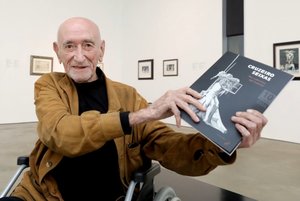
artur manuel rodrigues do cruzeiro seixas
1920 - 2020 , Portugal
基本情報
- Artistic Movement Or Style: 1920s Art Deco
- Artists Or Movements Influenced By This Artist:
- Dada
- Surrealism
- Expressionism
- Artists Who Influenced This Artist: ['Marcel Duchamp']
- Date Of Death: 2020
- Place Of Birth: WahooArt