

 プレビュー
プレビュー
 プリントを購入
 シェアする
シェアする シェアする
シェアする
 詳細を見る
詳細を見る

 ダウンロード
 似ている作品
 X線調査
X線調査 スライドショー
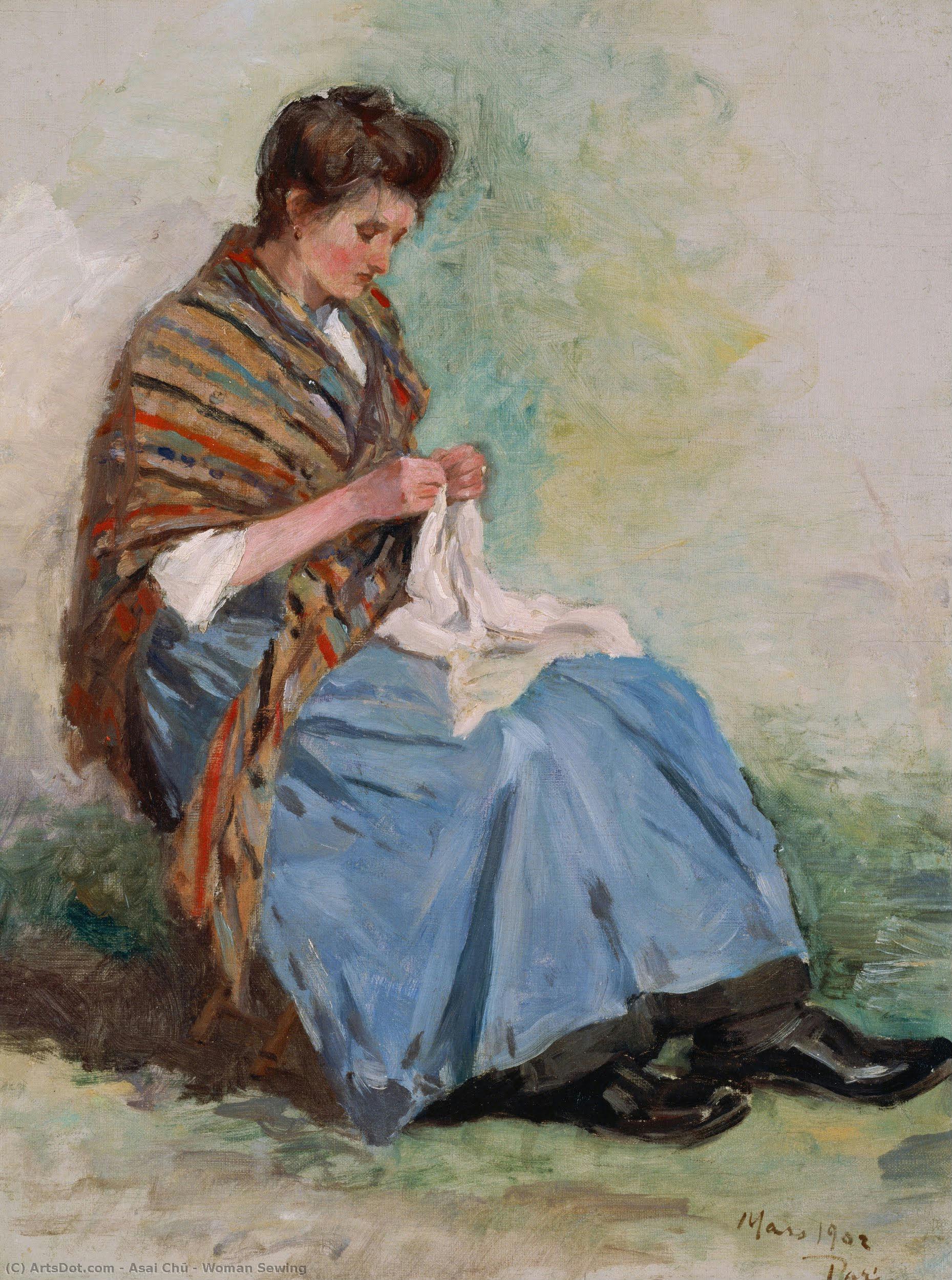
Woman Sewing
 Oil On Canvas
- WallArt
- Impressionism
 1902
1902- 19th Century
 455.0 x 607.0 cm
 アーティゾン美術館
 詳細を見る
詳細を見る




P118B $10

P118H $10

P118W $10

P438Z $10

P508JH $12

P508YH $12

P805H $10

P805Z $10

P919BZ $10

P919G $10

P919XJ $10

P959ZH $10

P968JZ $12

W106C $8

W218G $10

W218JH $8

W218Y $10

W307PJ $10

W316G $10

W316PJ $8

W316Y $10

W398PJ $8

W4111J $10

W500HY $15

W500JH $15

W692G $12

W849H $8

W940BG $15

W953PJ $8




作品のオリジナル比率に合わせた、当店の規定サイズからお選びください。

特定のフレームやスペースに合わせて、ご希望のサイズをご入力いただけます。選択されたサイズが元の画像の比率と異なる場合、アートワークをトリミングするか、手描きで要素を追加して絵画を拡張いたします。デジタルモックアップ を制作し、制作開始前にご確認(承認)をいただきます。
画面上のプレビューは、実際のトリミングや拡張を正確に反映しているものではありません。最終的な構図は、モックアップによってのみ正確にご確認いただけます。
カスタムサイズもご利用いただけますが、元の比率を維持するためには、あらかじめ用意されたリストからサイズを選択することをお勧めいたします。
ご注文後、ArtsDot.com チームより詳細な指示をお送りするとともに、仕上がりイメージ(モックアップ)をご提供いたします。


 ガラスオプションは、110cm未満のサイズでのみご利用いただけます。

Woman Sewing
複製技法
複製画のサイズ
-


合計金額
$ 263
作品解説
A Moment Captured in Thread and Light
In the quietude of a spring afternoon in 1902, Asai Chū captured more than just a domestic task; he immortalized a profound sense of presence. Woman Sewing serves as a breathtaking window into a moment of solitary devotion, where the rhythmic movement of needle and thread becomes a meditation. The subject, believed to be the wife of his apartment building's concierge, sits enveloped in a soft, natural light that seems to emanates from the very fabric of her existence. As she is absorbed in her craft, the viewer is invited into an intimate circle of quietude, feeling the weight of the silence and the gentle warmth of the afternoon sun. It is a portrait that transcends simple documentation, offering instead a soulful exploration of domesticity and the beauty found within the mundane.
The technical mastery displayed in this work reveals Asai Chū’s deep connection to the Impressionist movement. Utilizing oil on canvas, the artist employs muscular and lucid brushstrokes that lend a palpable physicality to the figure. There is a wonderful tension between the precision required to render the delicate task of sewing and the loose, expressive handling of the surrounding foliage. This technique creates a textured surface that breathes with life, suggesting the subtle rustle of leaves and the soft movement of air. The color palette, dominated by muted and earthy tones, evokes a sense of nostalgic melancholy, grounding the piece in a realism that feels both timeless and deeply personal.
The Intersection of East and West
To understand the profound impact of this painting, one must consider the historical landscape from which it emerged. Asai Chū was a pioneer of yōga, or Western-style painting, in Japan, and this work stands as a testament to his successful synthesis of disparate worlds. Having studied under the Italian master Antonio Fontanesi, Asai brought a sophisticated understanding of light, shadow, and European compositional depth back to his homeland. In Woman Sewing, we see the influence of French Impressionism through the soft, diffused lighting and shallow perspective, yet there remains an unmistakable Japanese sensibility—a reverence for the quiet dignity of labor and a focused, contemplative gaze that honors the subject's internal world.
For the discerning collector or interior designer, this masterpiece offers a versatile elegance. Its composition, centered around a singular, compelling figure, provides a powerful focal point for any curated space. The painting’s ability to evoke both intimacy and grandeur makes it an ideal centerpiece for rooms designed for reflection, such as a library, study, or a serene sitting area. Whether viewed as a historical artifact of Japan's modernization or as a pure expression of Impressionist beauty, the artwork radiates a sophisticated warmth that elevates the atmosphere of any environment, inviting all who behold it to pause and find beauty in the stillness.
関連作品
アーティストの略歴
Asai Chū: Pioneer of Western-Style Painting in Japan
Early Life and Education
- Born: 1856, Chiba City, Japan.
- Asai Chū was born into an ex-samurai class household in Sakura, Kantō region of Japan. His father served as a retainer of the Sakura domain and also acted as principal of the domain school.
- He initially pursued English language studies in Tokyo in 1873 but soon became captivated by the arts.
- In 1876, he enrolled at the Kobubijutsu Gakkō (Technical Fine Arts School), one of the first institutions to offer Western-style art training in Japan.
- Crucially, he studied under Antonio Fontanesi, an Italian artist hired by the Meiji government to introduce oil painting techniques.
Artistic Development and Influences
- Asai Chū’s early work reflected a blend of traditional Japanese aesthetics with newly acquired Western techniques.
- Key Influence: Antonio Fontanesi played a pivotal role in shaping his understanding of oil painting, composition, and light.
- He embraced plein air painting – working outdoors directly from nature – a hallmark of Impressionism.
- A later trip to France (1902-1904) allowed him to immerse himself in the Impressionist school, further refining his style.
Major Achievements and Artistic Contributions
- In 1889, Asai Chū founded the Meiji Bijutsukai (Meiji Art Society), a landmark organization that brought together Western-style painters in Japan.
- He became a professor at the Tokyo School of Fine Arts (now Tokyo University of the Arts) in 1898, contributing to art education.
- Following his return from France, he established the Kansai Bijutsu-in (Kansai Arts Institute) and took a professorship at the Kyoto Kōtō Kōgei Gakkō (Kyoto School of Arts and Crafts).
- Notable Works: Include “Spring Ridge,” “Woman Sewing,” “Morning Sun”, “Le Village de Kotaba” and "Pulling Boat". These paintings showcase his mastery of Impressionistic techniques applied to Japanese landscapes and scenes.
Legacy and Historical Significance
- Asai Chū was instrumental in bridging the gap between traditional Japanese art and Western artistic movements.
- He trained numerous students who went on to become prominent figures in the Japanese art world, including Sōtarō Yasui and Ryuzaburo Umehara.
- He also tutored the celebrated poet Masaoka Shiki in Western art techniques.
- Interestingly, he served as a model for a character in Natsume Sōseki’s novel, *Sanshirō*, highlighting his cultural impact.
- Several of his works have been designated as Important Cultural Properties by the Japanese government's Agency for Cultural Affairs, recognizing their artistic and historical value.
Themes and Style
- Themes: Asai Chū frequently depicted landscapes, village life, and domestic scenes. His work often captures the serene beauty of rural Japan.
- Style: He is known for his Impressionistic style characterized by loose brushwork, a focus on light and atmosphere, and a vibrant color palette.
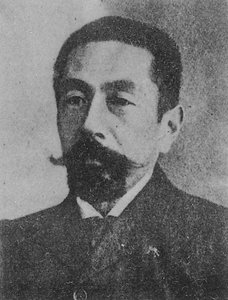
Asai Chū
1856 - 1907 , Japan
基本情報
- Birth Date: 1856
- Birth Place: Chiba City, Japan
- Death Date: 1907
- Influenced:
- Sōtarō Yasui
- Ryuzaburo Umehara
- Masaoka Shiki
- Influenced By: Antonio Fontanesi
- Movement: Yōga (Western-style painting)
- Name: Asai Chū
- Nationality: Japanese
- Notable Works:
- Spring Ridge
- Woman Sewing
- Morning Sun
- Le Village de Kotaba
関連記事

ポール・セザンヌ:至高の25選 - 傑作と革新の軌跡 | ArtsDot
ポール・セザンヌの至高の25選。ポスト印象派を代表する画家、セザンヌの傑作と革新的な技法を紐解きます。ArtsDotで高品質な複製画やインテリアアートを見つけ、芸術の世界をご自宅に。今すぐコレクションをご覧ください。

Impressionism's Masterpieces: 10 Paintings That Defined a Movement | ArtsDot
Journey through Impressionism's heart with 10 iconic paintings by Monet, Renoir & Degas. Explore light, color & the stories behind these masterpieces. Find museum-quality art reproductions and elevate your home decor on ArtsDot.com.
光と色彩の彼方:知的な収集家のための印象派とポスト印象派
印象派とポスト印象派の傑作を深く理解し、知的なコレクションを築くための情報を提供。ArtsDotでは、高品質な油絵複製やカスタムアートをご用意。専門家が最適な作品選びをお手伝いします。
印象派絵画を定義づけた至宝:トップ10必見の傑作の世界
印象派絵画の歴史を彩る、時代を超越した10選。モネ、ルノワールら巨匠の名作に迫り、その技と物語を紐解きます。色彩豊かなアートで空間を演出!ArtsDot.comで至高のアートレプリカを見つけましょう。
Beyond Impressionism: Exploring the Emotional Depth of Post-Impressionist Painting
Explore the profound emotional depth & innovative techniques of Post-Impressionism with ArtsDot. Discover Cézanne, Van Gogh, Gauguin & more – and their lasting impact on modern art.

