

 プレビュー
プレビュー
 プリントを購入
 シェアする
シェアする シェアする
シェアする
 詳細を見る
詳細を見る

 ダウンロード
 似ている作品
 X線調査
X線調査 スライドショー
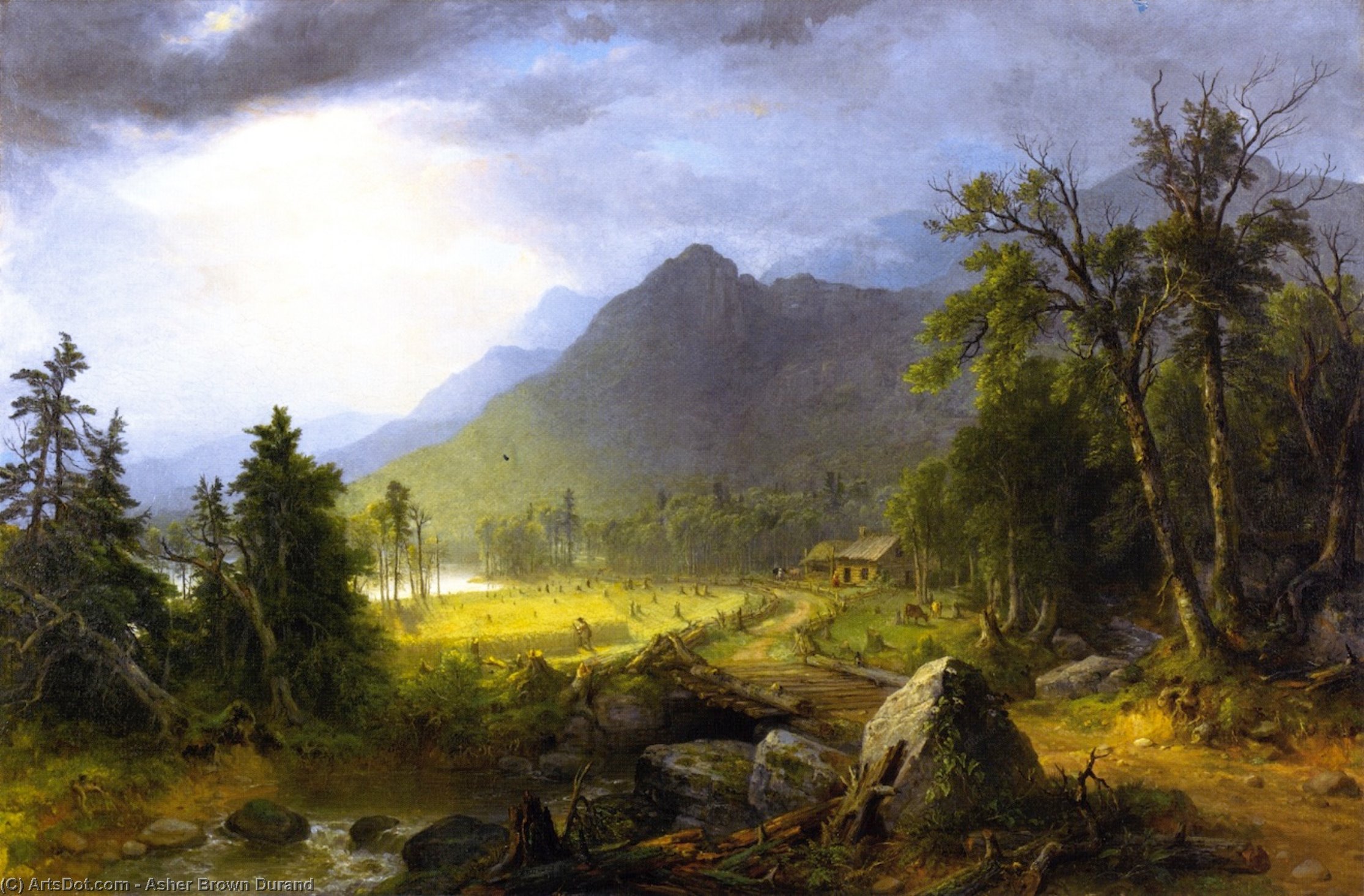
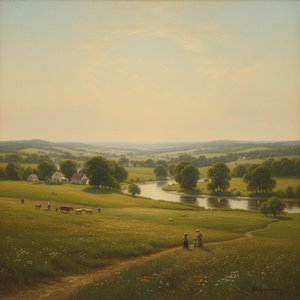
The First Harvest in the Wilderness


 詳細を見る
詳細を見る




P118B $10

P118H $10

P118W $10

P438Z $10

P508JH $12

P508YH $12

P805H $10

P805Z $10

P919BZ $10

P919G $10

P919XJ $10

P959ZH $10

P968JZ $12

W106C $8

W218G $10

W218JH $8

W218Y $10

W307PJ $10

W316G $10

W316PJ $8

W316Y $10

W398PJ $8

W4111J $10

W500HY $15

W500JH $15

W692G $12

W849H $8

W940BG $15

W953PJ $8




作品のオリジナル比率に合わせた、当店の規定サイズからお選びください。

特定のフレームやスペースに合わせて、ご希望のサイズをご入力いただけます。選択されたサイズが元の画像の比率と異なる場合、アートワークをトリミングするか、手描きで要素を追加して絵画を拡張いたします。デジタルモックアップ を制作し、制作開始前にご確認(承認)をいただきます。
画面上のプレビューは、実際のトリミングや拡張を正確に反映しているものではありません。最終的な構図は、モックアップによってのみ正確にご確認いただけます。
カスタムサイズもご利用いただけますが、元の比率を維持するためには、あらかじめ用意されたリストからサイズを選択することをお勧めいたします。
ご注文後、ArtsDot.com チームより詳細な指示をお送りするとともに、仕上がりイメージ(モックアップ)をご提供いたします。


 ガラスオプションは、110cm未満のサイズでのみご利用いただけます。

The First Harvest in the Wilderness
複製技法
複製画のサイズ
-


合計金額
$ 263
作品解説
A Harvest of Light and Shadow: Asher Brown Durand’s “The First Harvest in the Wilderness”
Asher Brown Durand's "The First Harvest in the Wilderness," painted in 1855, isn’t merely a landscape; it’s a carefully constructed meditation on progress, faith, and the enduring spirit of the American frontier. Commissioned by the Brooklyn Institute of Arts and Sciences (later the Brooklyn Museum), this oil-on-canvas masterpiece transcends simple depiction, offering a profound glimpse into the burgeoning artistic movement known as the Hudson River School and Durand's own evolving aesthetic sensibilities. The painting immediately draws the eye with its dramatic use of light – a golden, almost ethereal glow that washes over the scene, illuminating the central figure of the lone farmer and casting long, suggestive shadows across the newly cleared fields. This interplay of light and dark isn’t arbitrary; it speaks to the duality inherent in the American experience: the promise of prosperity juxtaposed with the hard-won labor required to achieve it.
A Vision of the American Wilderness
Durand, a leading figure in the Hudson River School, sought to capture the sublime beauty and spiritual significance of the American landscape. Unlike earlier European Romantic painters who often idealized nature as an escape from reality, Durand’s approach was rooted in meticulous observation and a deep respect for the natural world. “The First Harvest” embodies this philosophy perfectly. The composition is carefully balanced – the rugged, imposing boulders on the left anchoring the scene while the expansive vista of rolling hills and distant mountains creates a sense of limitless space. Notice the detail: the individual blades of grass, the texture of the bark on the trees, the subtle variations in color that mimic the nuances of light and shadow. Durand wasn’t simply painting a landscape; he was striving to render the very essence of it – its power, its resilience, and its inherent beauty.
Symbolism Woven into the Canvas
Beyond its aesthetic merits, “The First Harvest” is rich in symbolic meaning. The central figure of the farmer, a solitary silhouette against the golden light, represents the pioneer spirit – the drive to tame the wilderness and build a new life. He’s not depicted as conquering nature; rather, he's working *with* it, respecting its power while harnessing its bounty. The boulder inscribed with “Graham” – a reference to the prominent philanthropist and benefactor of the Brooklyn Institute, Lewis Graham – subtly acknowledges the role of patronage in shaping artistic expression. However, the most potent symbol is arguably the recently cleared land: a visual representation of progress, but also of disruption—the clearing of trees signifies both advancement and loss, prompting reflection on the delicate balance between human ambition and environmental stewardship.
Technique and Legacy
Durand’s mastery lies in his ability to capture the fleeting effects of light and atmosphere. He employed a technique known as “luminism,” characterized by its soft focus, subtle gradations of color, and emphasis on capturing the mood of a scene rather than precise detail. This approach is particularly evident in the hazy distance, where forms gradually dissolve into an atmospheric veil. The painting’s muted palette—dominated by browns, greens, and golds—contributes to its sense of quiet contemplation. “The First Harvest” stands as a testament to Durand's skill and his profound understanding of the American landscape. It remains a cornerstone of the Hudson River School and continues to inspire artists and viewers alike with its evocative beauty and timeless message. Reproductions of this iconic work offer a remarkable opportunity to bring this powerful vision into any space, fostering a connection to America’s rich artistic heritage.
関連作品
アーティストの略歴
幼年時代と初期のキャリア
アッシャー・ブラウン・デュランドは、1896年8月21日にニュージャージー州メープルウッドで生まれました。当初から絵筆とキャンバスに人生を捧げる運命ではありませんでした。彼の幼少期は、時計職人と銀細工師である父親の影響を受け、後の芸術的アプローチに深く影響を与える細部への徹底的な注意力を育みました。この職人技の基礎が、1812年に彫刻家のピーター・マヴェリックとの徒弟契約につながり、彼のキャリアを定義する道のように見えました。デュランドはすぐに並外れた才能を発揮し、会社にパートナーとして参加し、ニューヨーク市に支店を設立しました。1823年にジョン・トランプルの『独立宣言』の複雑な複製を完成させた後、彼の評判は彫刻家としての地位を確固たるものとしました。しかし、精密な彫刻の下には、自然界の生の美しさを捉える芽生えた情熱が潜んでおり、最終的には彼をアメリカ美術における重要な人物へと導くことになります。彫刻から自然への転換
彫刻家から著名な風景画家への移行は、一朝一夕に起こったものではありませんでした。デュランドは彫刻の仕事を続けながら、同時に絵画も探求し、当初は肖像画や風俗画に焦点を当てていました。1830年代にルーマン・リードの後援を得たことが重要な転換点となり、彼の芸術的傾向を完全に受け入れるように促されました。リードの支援により、デュランドはより献身的に絵画に取り組むことができるようになり、その追求は1837年に親友であるトーマス・コールとのアディロンダック山脈へのスケッチ旅行によってさらに刺激を受けました。この未開の荒野への旅が決定的な瞬間となり、そこでデュランドはアメリカの壮大な風景を捉えるという彼の天職を発見しました。彼は夏の間、自然に没頭し、カットスキル山脈、アディロンダック山脈、ホワイトマウンテンを無数のスケッチと油絵で丹念に記録しました。これらの研究は単なる準備運動ではなく、彼の芸術的プロセスに不可欠なものとなり、完成した絵画の構成や細部を形成していきました。ハドソン・リバー派の創始者
風景画へのデュランドの献身は、同様のビジョンを共有するアーティストたちの輪と彼を結びつけました。このグループは後にハドソン・リバー派として知られるようになりました。彼はコールとともにその創設メンバーの一人となり、学校の特徴的な美学を確立する上で重要な役割を果たしました。ハドソン・リバー派は単に風景を描写することだけではありませんでした。それは風景に感情的な共鳴と精神的な重要性を吹き込むことでした。デュランドの作品はこの哲学を体現しており、細部への徹底的なリアリズムとロマンチックな感性が特徴です。彼は自然を揺るぎない精度で観察することを信じていましたが、畏敬の念、崇拝、そして壮大な感情を引き出すその力も認識していました。彼の絵画は単なる場所の表現ではなく、アメリカの荒野との深い繋がりや神の創造物を祝う表現でした。遺産と永続的な影響
デュランドの影響力は彼自身の芸術的アウトプットを超えて広がりました。彼は1845年から1861年までナショナル・アカデミー・オブ・デザインの会長を務め、その地位を利用してアメリカ美術を擁護し、新進の才能を育成しました。また、彼は重要なアート雑誌である『クレヨン』に「風景画に関する手紙」を発表し、彼の芸術的原則を明確にし、自然からの直接的な観察を提唱しました。リアリズムと詳細な表現への彼のコミットメントは、後世の風景画家たちの高い基準を設定しました。1849年にトーマス・コールに捧げられた『親愛なる魂』のような作品は、ハドソン・リバー派の美学を代表する象徴となり、今日でも鑑賞者の心に響き続けています。この絵画におけるコールと詩人ウィリアム・カレン・ブライアントが穏やかな森林地帯の中に描かれている様子は、学校の自然への敬意と芸術が人類を神聖なものと結びつける力を見事に表現しています。デュランドの絵画は単なる風光明媚な景色を提供するだけでなく、19世紀のアメリカの風景との進化する関係や、その萌芽しつつある国民的アイデンティティを垣間見せてくれます。彼の遺産は、魅力的なキャンバスを通してだけでなく、アメリカの風景画への揺るぎないコミットメントと土地の美しさや精神的な重要性を捉えることによっても永続しています。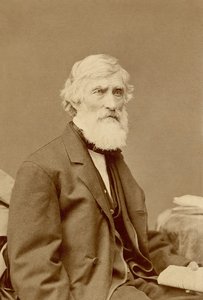
アッシャー・ブラウン・デュランド
1796 - 1886 , アメリカ合衆国
基本情報
- Artistic Movement Or Style: ハドソン・リバー派
- Artists Or Movements Influenced By This Artist: ['ハドソン・リバー派']
- Artists Who Influenced This Artist: ['トーマス・コール']
- Date Of Birth: 1796年8月21日
- Date Of Death: 1886年
- Full Name: アッシャー・ブラウン・デュランド
- Nationality: アメリカ人
- Notable Artworks (List Of Titles):
- 風景、構成
- 孤独なオーク
- 森のスケッチ
- Place Of Birth (City And Country): ニュージャージー州マプルウッド
関連記事
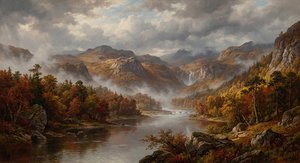
ハドソン・リバー派を彩る至宝:10選が示すアメリカ絵画の黄金時代
ハドソン・リバー派の至宝10選を紐解き、アメリカ絵画の黄金時代へ。壮大な自然描写と巨匠たちの技が織りなす感動の世界を体験してください。トーマス・コールからチャーチまで、ArtsDot.comで高品質なアートプリントとインテリアアイデアを見つけましょう。
Asher Brown Durand: Luminism, Landscape & the American Ideal – A Comprehensive Exploration
Explore the life & art of Asher Brown Durand, a founding member of the Hudson River School. Discover his masterful landscapes, Luminist techniques, and lasting impact on American painting. Learn about key works like 'Kindred Spirits' & collecting Durand today.
The Sublime Landscape: Exploring the Hudson River School Movement
Explore the captivating world of the Hudson River School! Discover the history, artists, and defining characteristics of this iconic American art movement. Learn about Romanticism's influence & find inspiration for your collection.
Robert Spencer: Luminism, Narrative & the American Landscape Tradition
Explore the captivating world of Luminism & the Hudson River School with our expert analysis. Discover the history, artists, and enduring beauty of 19th-century American landscape painting. Find museum-quality reproductions at ArtsDot.
Thomas Worthington Whittredge: Capturing the American Pastoral Ideal with Luminist Light
Explore the luminous landscapes of Thomas Worthington Whittredge, a key figure in the Hudson River School and master of Luminism. Discover his captivating paintings & legacy with ArtsDot.

