

 プレビュー
プレビュー
 シェアする
シェアする シェアする
シェアする
 詳細を見る
詳細を見る

 ダウンロード
 似ている作品
 X線調査
X線調査 スライドショー
 統計情報
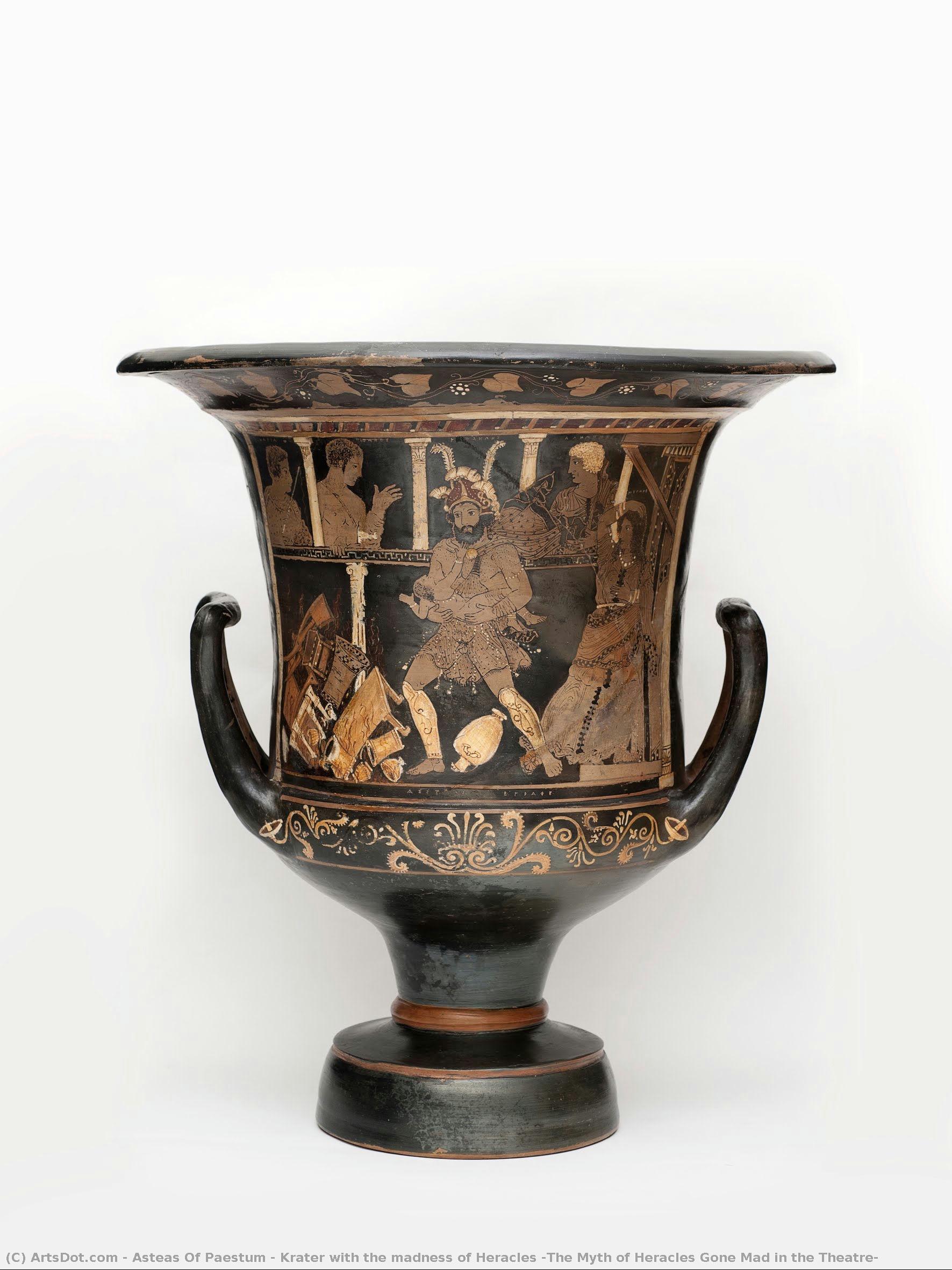
統計情報Krater with the madness of Heracles (The Myth of Heracles Gone Mad in the Theatre)

 詳細を見る
詳細を見る
オンラインプレビューをはるかに凌ぐ、高解像度で鮮明なデジタル画像をご購入いただけます。
各ファイルは、社内の専門家が高度なツールと熟練した手作業によるレタッチを用いて、細心の注意を払って準備されています。すべての画像において、卓越した鮮明度、正確な色彩再現性、そして繊細なディテールを保証いたします。
最終ファイルは、プロフェッショナルな編集・印刷環境ですぐにご利用いただけるよう最適化された状態で、72時間以内にメールにてお届けいたします。これは、一流のデザインスタジオ、出版社、ギャラリーから信頼されているものと同等の品質です。
デジタルアート
個人での鑑賞、印刷、クリエイティブなプロジェクト用に、高解像度ファイルをダウンロードできます。 ( プリント版に切り替え 手描きの絵画を購入)
デジタル画像のご注文に付随する特典
高品質なデジタル画像配信を、確かな品質で。
ArtsDot.com を選ぶことは、単に画像を手に入れることではありません。それは、プロの手によって精密に仕上げられ、満足保証が付いた高品質なデジタルアートワークを受け取ることを意味します。ご注文いただいた際に自動的に付随する内容は、以下の通りです:

メールですぐにお届け
ご注文から72時間以内に、高解像度のデジタル画像ファイルがメールでお手元に届きます。すぐにそのままご利用いただけます。

AI技術で最適化されたデジタルファイル
お客様の作品は、高度なAIツールと専門家による手作業の編集を組み合わせてプロフェッショナルに最適化されており、細部のディテール、鮮明さ、そして正確な色再現性を最大限に引き出しています。

一生涯無料の再送サービス
ファイルを誤って削除したり、紛失してしまったりしましたか?ご安心ください。いつでも無料で再送いたします。

輸入手数料は一切かかりません
関税や手数料、配送料を気にすることなく、お気に入りのアートワークをすぐにお楽しみいただけます。デジタルダウンロードは常に免税です。

色彩再現の保証
プロ仕様のツールとカラーマネジメント技術を用いることで、デジタル画像が元の色を最大限に忠実に再現することを保証いたします。

100日間満足保証
ご購入いただいたデジタル画像にご満足いただけない場合は、100日以内であれば、理由を問わず修正または100%の返金対応をさせていただきます。

100% 返金保証
ご満足いただけない場合は、デジタルファイルを受け取ってから100日以内であれば、理由を問わず全額返金いたします。

まとめ買い割引
3枚購入で10%OFF - 5枚購入で15%OFF - 10枚以上購入で20%OFF。クリエイティブなプロジェクト、ギャラリー、エージェンシーに最適です。
関連作品





作家の略歴
The Master of Paestum: A Legacy in Red and Clay
In the sun-drenched landscape of Magna Graecia, where the echoes of Greek culture resonated deeply within the soil of Southern Italy, the name Asteas emerges as a rare and luminous beacon. While many artisans of the ancient world remained anonymous shadows behind their craft, Asteas stands as one of the few vase painters from the colonies whose individual identity has survived the relentless erosion of centuries. Active during the mid-5th century BC in the thriving Greek colony of Paestum, he was not merely a craftsman but a conductor of drama, commanding a prolific workshop that breathed life into clay through the revolutionary red-figure technique.
To understand Asteas is to understand the vibrant cultural crossroads of his era. Born and trained in Paestum, he operated within an environment where Hellenic traditions met the burgeoning influences of the Italian peninsula. This fertile ground for innovation allowed his workshop to specialize in grand vessels such as hydriai (water jugs) and kraters (mixing bowls)—objects designed not just for utility, but as canvases for storytelling. His work represents a pinnacle of ceramic artistry, where the physical medium of terracotta was transformed into a stage for the most profound human emotions and divine interventions.
The Art of Narrative: Myth and Theatre Unfolded
The true genius of Asteas lies in his ability to capture movement and psychological tension within the static confines of pottery. He was a master of the red-figure method, a technique that allowed for a level of anatomical precision and fluid drapery previously unimaginable in the older black-figure style. By leaving the figures in the natural reddish hue of the clay and painting the background with a dark slip, Asteas could use fine, delicate lines to trace the musculature of heroes or the frantic, fluttering folds of a goddess's robe. This allowed for a nuanced realism that made his mythological scenes feel startlingly immediate.
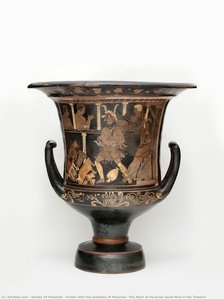
His subject matter often leaned toward the theatrical and the tragic, bridging the gap between the pottery workshop and the Greek stage. One of his most breathtaking achievements is the Krater with the Madness of Heracles. In this piece, the viewer is thrust into a moment of harrowing intensity: the hero, driven to temporary insanity by the wrath of Hera, stands over a pyre, mistaking his own son for a rival's child. The composition is a masterclass in emotional choreography, capturing the terror of his wife Megara and the desperate reaching of the innocent child. Through such works, Asebts did more than decorate vessels; he preserved the heartbeat of ancient Greek drama.
Historical Significance and Artistic Endurance
The enduring importance of Asteas extends far beyond the aesthetic beauty of his vases. He represents a vital link in the evolution of Mediterranean art, demonstrating how Greek artistic standards were adapted and flourished in the Western colonies. His workshop served as a center of excellence, influencing the stylistic trajectory of Paestan pottery for generations. The presence of inscriptions on his works—identifying gods, heroes, and even personifications like Mania (the goddess of madness)—highlights a sophisticated level of literacy and iconographic complexity that continues to fascinate modern archaeologists.
Today, the fragments of Asteas's world reside in the great museums of the world, from the Louvre in Paris to the National Archaeological Museum in Naples. Each vessel serves as a window into a lost epoch, reminding us of a time when art was an immersive experience of myth, ritual, and human struggle. His legacy remains etched in the very texture of the clay, a testament to a master who found a way to make the ephemeral stories of gods and men endure through the permanence of art.
asteas of paestum
Italy
プロフィール概要
- Artistic Movement Or Style: Red-figure pottery
- Full Name: asteas of paestum
- Nationality: Greek
- Notable Artworks:
- Krater with the madness of Heracles
- Red-Figure Calyx-Krater of the Abduction of Europa
- Place Of Birth: Paestum, Italy