

 プレビュー
プレビュー
 シェアする
シェアする シェアする
シェアする
 詳細を見る
詳細を見る

 ダウンロード
 似ている作品
 X線調査
X線調査 スライドショー
 統計情報
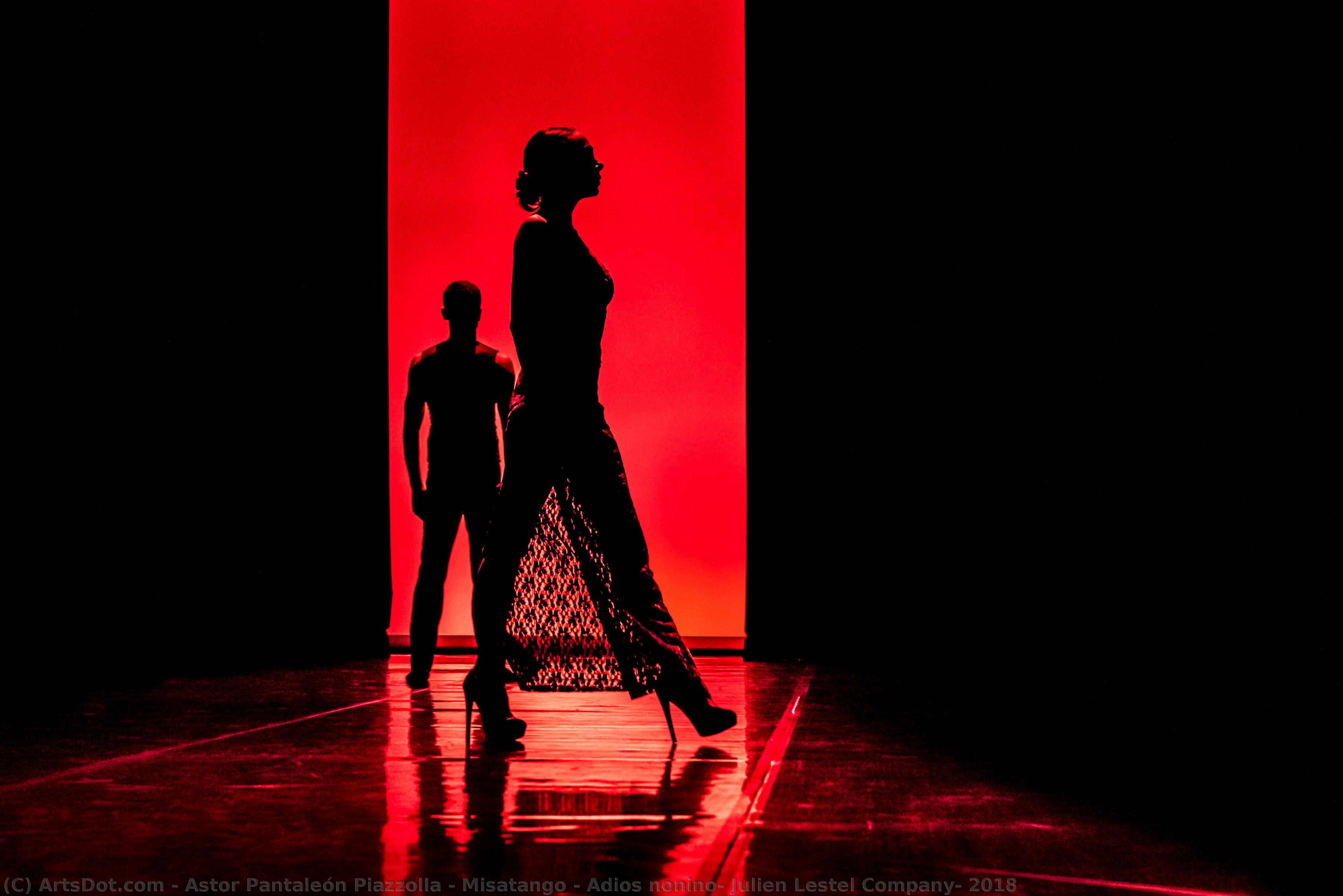
統計情報Misatango / Adios nonino, Julien Lestel Company, 2018


 詳細を見る
詳細を見る
オンラインプレビューをはるかに凌ぐ、高解像度で鮮明なデジタル画像をご購入いただけます。
各ファイルは、社内の専門家が高度なツールと熟練した手作業によるレタッチを用いて、細心の注意を払って準備されています。すべての画像において、卓越した鮮明度、正確な色彩再現性、そして繊細なディテールを保証いたします。
最終ファイルは、プロフェッショナルな編集・印刷環境ですぐにご利用いただけるよう最適化された状態で、72時間以内にメールにてお届けいたします。これは、一流のデザインスタジオ、出版社、ギャラリーから信頼されているものと同等の品質です。
デジタルアート
個人での鑑賞、印刷、クリエイティブなプロジェクト用に、高解像度ファイルをダウンロードできます。 ( プリント版に切り替え 手描きの絵画を購入)
デジタル画像のご注文に付随する特典
高品質なデジタル画像配信を、確かな品質で。
ArtsDot.com を選ぶことは、単に画像を手に入れることではありません。それは、プロの手によって精密に仕上げられ、満足保証が付いた高品質なデジタルアートワークを受け取ることを意味します。ご注文いただいた際に自動的に付随する内容は、以下の通りです:

メールですぐにお届け
ご注文から72時間以内に、高解像度のデジタル画像ファイルがメールでお手元に届きます。すぐにそのままご利用いただけます。

AI技術で最適化されたデジタルファイル
お客様の作品は、高度なAIツールと専門家による手作業の編集を組み合わせてプロフェッショナルに最適化されており、細部のディテール、鮮明さ、そして正確な色再現性を最大限に引き出しています。

一生涯無料の再送サービス
ファイルを誤って削除したり、紛失してしまったりしましたか?ご安心ください。いつでも無料で再送いたします。

輸入手数料は一切かかりません
関税や手数料、配送料を気にすることなく、お気に入りのアートワークをすぐにお楽しみいただけます。デジタルダウンロードは常に免税です。

色彩再現の保証
プロ仕様のツールとカラーマネジメント技術を用いることで、デジタル画像が元の色を最大限に忠実に再現することを保証いたします。

100日間満足保証
ご購入いただいたデジタル画像にご満足いただけない場合は、100日以内であれば、理由を問わず修正または100%の返金対応をさせていただきます。

100% 返金保証
ご満足いただけない場合は、デジタルファイルを受け取ってから100日以内であれば、理由を問わず全額返金いたします。

まとめ買い割引
3枚購入で10%OFF - 5枚購入で15%OFF - 10枚以上購入で20%OFF。クリエイティブなプロジェクト、ギャラリー、エージェンシーに最適です。
関連作品










作家の略歴
Astor Piazzolla: The Revolutionary Sound of Tango
Astor Pantaleón Piazzolla, born in Mar del Plata, Argentina, on March 11, 1921, and tragically passing away in Buenos Aires on July 4, 1992, remains a towering figure not just within the world of music, but as a pivotal innovator who fundamentally reshaped the very essence of tango. More than simply a composer or bandoneonist, Piazzolla was a sonic architect, meticulously dismantling and rebuilding the traditional form, injecting it with the vibrant energy of jazz and the intellectual depth of classical music – a fusion that birthed what we now recognize as “nuevo tango.” His life story is one of relentless experimentation, profound personal struggle, and ultimately, a triumphant assertion of Argentine identity through its most beloved musical genre.
Piazzolla’s early years were marked by a nomadic existence. Following his parents' relocation to New York City in 1925, he spent his childhood immersed in the vibrant, often turbulent, atmosphere of Greenwich Village. This formative period exposed him to diverse musical styles – from the burgeoning jazz scene to classical music lessons with Béla Wilda, a former student of Rachmaninoff. This early exposure proved crucial; it instilled within him a deep appreciation for harmonic complexity and instrumental virtuosity, elements he would later seamlessly integrate into his tango compositions. The tragic loss of his father, a renowned tango musician, in 1935 fueled his determination to master the bandoneon, an instrument intrinsically linked to the soul of tango.
The Rise of Nuevo Tango
Returning to Buenos Aires in 1938, Piazzolla quickly established himself within the established tango orchestra of Aníbal Troilo. Initially serving as a temporary replacement for Toto Rodríguez, he rapidly ascended to become a key arranger and bandoneonist, contributing significantly to Troilo’s success. However, Piazzolla harbored a vision that extended far beyond the traditional constraints of tango. He felt the genre was stagnating, trapped in repetitive melodies and predictable arrangements. Inspired by figures like Elvino Vardaro, who had pioneered a more introspective and harmonically rich style, Piazzolla began to experiment with incorporating elements from jazz – improvisation, complex harmonies, and syncopation – alongside classical music influences such as Bach and Stravinsky. This daring approach resulted in “nuevo tango,” a revolutionary sound that challenged the established norms of the tango world.
His groundbreaking compositions, including "Libertango," "Adios Nonino," and "Oblivion," became instant classics, pushing the boundaries of what tango could be. These pieces were not merely dances; they were profound musical statements, exploring themes of love, loss, longing, and the complexities of Argentine identity. Piazzolla’s innovative use of the bandoneon – employing techniques previously unheard of in tango – created a sound that was both intensely emotional and technically demanding.
Musical Influences and Techniques
Piazzolla's musical journey was profoundly shaped by a diverse range of influences. Beyond his early exposure to jazz and classical music, he drew inspiration from the works of composers like Bach, Stravinsky, and Debussy. He studied the scores of these masters, meticulously analyzing their harmonic structures and rhythmic patterns. His mastery of the bandoneon was unparalleled; he developed a unique technique characterized by extended techniques – utilizing slides, growls, and harmonics to create an astonishing range of timbral colors. Furthermore, his arrangements were remarkably sophisticated, often incorporating complex countermelodies and intricate rhythms.
Crucially, Piazzolla wasn’t simply layering jazz and classical elements onto tango; he fundamentally reimagined the instrument itself. He treated the bandoneon not just as a melodic voice but as an expressive tool capable of conveying a vast spectrum of emotions. His compositions demanded extraordinary technical skill from performers, pushing them to explore new sonic possibilities.
Legacy and Historical Significance
Despite facing considerable resistance from traditional tango purists who viewed his innovations as sacrilegious, Astor Piazzolla’s “nuevo tango” ultimately prevailed. His music gained international recognition, captivating audiences worldwide and cementing his place as the world's foremost composer of tango. He received numerous awards and accolades, including a UNESCO Prize for Peace Through Music in 1996.
Piazzolla’s legacy extends far beyond the realm of music. He is considered a national hero in Argentina, symbolizing the country’s cultural resilience and its willingness to embrace innovation. His work continues to inspire musicians and audiences alike, ensuring that the sound of “nuevo tango” will resonate for generations to come. His influence can be heard in countless contemporary artists who draw inspiration from his groundbreaking approach to music.
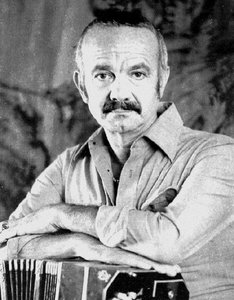
astor pantaleón piazzolla
1921 - 1992 , Argentina
プロフィール概要
- Artistic Movement Or Style: Nuevo Tango
- Artists Or Movements Influenced By This Artist:
- Jazz Tango Fusion
- Classical Tango
- Artists Who Influenced This Artist:
- Carlos Gardel
- Julio de Caro
- Date Of Birth: March 11, 1921
- Date Of Death: July 4, 1992
- Full Name: Astor Pantaleón Piazzolla
- Nationality: Argentine
- Notable Artworks:
- Misatango
- Adios nonino
- Place Of Birth: Mar del Plata, Argentina