

 プレビュー
プレビュー
 シェアする
シェアする シェアする
シェアする
 詳細を見る
詳細を見る

 ダウンロード
 似ている作品
 X線調査
X線調査 スライドショー
 Stats
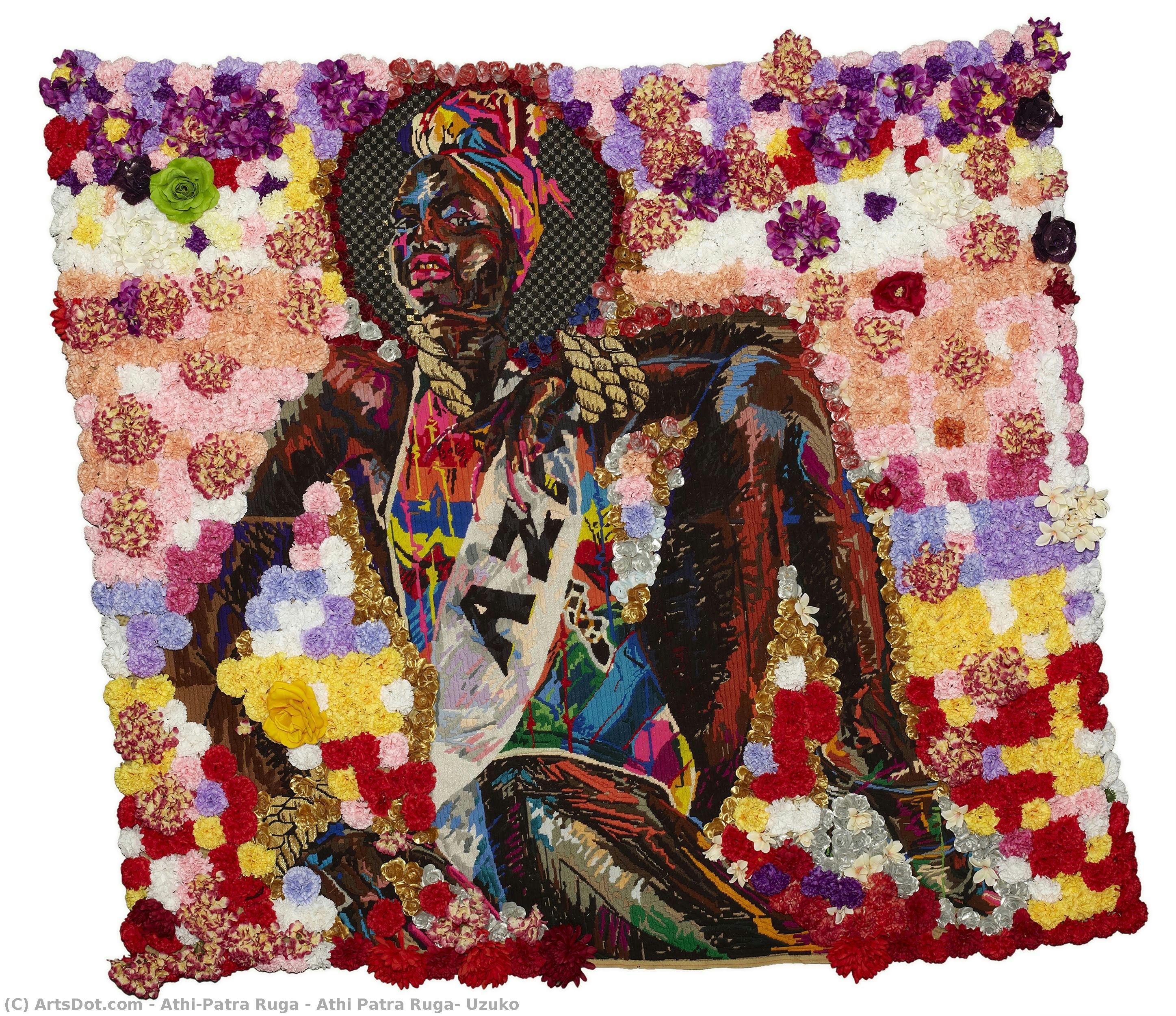
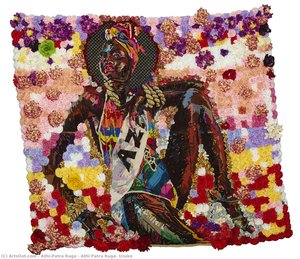
StatsAthi Patra Ruga, Uzuko
 Contemporary Realism
 2013
2013 200.0 x 180.0 cm
 Social Fabric
 詳細を見る
詳細を見る
ジークレー/アートプリント
迅速な制作と多彩な仕上げオプションを備えた、ミュージアムクオリティのジークレーまたはキャンバスプリント。 ( 手描きの絵画を購入 Switch to Digital Image)




P118B $10

P118H $10

P118W $10

P438Z $10

P508JH $12

P508YH $12

P805H $10

P805Z $10

P919BZ $10

P919G $10

P919XJ $10

P959ZH $10

P968JZ $12

W106C $8

W218G $10

W218JH $8

W218Y $10

W307PJ $10

W316G $10

W316PJ $8

W316Y $10

W398PJ $8

W4111J $10

W500HY $15

W500JH $15

W692G $12

W849H $8

W940BG $15

W953PJ $8




作品のオリジナル比率に合わせた、当店の規定サイズからお選びください。

特定のフレームやスペースに合わせて、ご自身でサイズを指定することも可能です。選択されたサイズが元の画像の比率と一致しない場合、作品をトリミングするか、鏡面反射または単色での塗りつぶしによって画像を拡張いたします。制作を開始する前に、ご確認用のデジタルモックアップをお送りいたします。
画面上のプレビューには、実際のトリミングや拡張は反映されませんのでご注意ください。最終的な構図を正確に確認できるのは、モックアップのみとなります。
カスタムサイズも承っておりますが、元の比率を維持するためには、あらかじめ用意されたリストからサイズを選択することをお勧めいたします。


 ガラスオプションは、110cm未満のサイズでのみご利用いただけます。

Athi Patra Ruga, Uzuko
ジークレー/アートプリント
複製画のサイズ
-


合計金額
$ 62
関連作品
アーティストの略歴
A Visionary Voice Shaping Contemporary South African Art
Athi-Patra Ruga stands as a singular, transformative figure within the landscape of contemporary South African art, weaving a complex tapestry that bridges the gap between the tangible and the imagined. Born on March 9, 1984, in Umtata, Eastern Cape, Ruga’s early life was profoundly shaped by the shifting borders of identity and geography. The separation of his parents, driven by his father’s involvement in the Transkei—a Xhosa Bantustan seeking autonomy from South Africa—instilled in him a lifelong fascination with the concept of boundaries, both political and personal. This early exposure to the nuances of sovereignty and the fragmentation of family would later become a cornerstone of his artistic inquiry, as he began to explore how memory and materiality intersect within the context of a post-apartheid society.
His creative journey was further refined through formal training in fashion history and design at the Gordon Flack Davison Design Academy in Johannesburg. This background in textile and fashion provided him with a unique toolkit, allowing him to approach fine art with a designer’s eye for texture, silhouette, and the symbolic power of adornment. Ruga does not limit himself to a single medium; instead, he orchestrates a multidisciplinary dialogue between performance art, photography, video installations, textile artistry, and printmaking. His work is characterized by the creation of cultural hybrids—entities that exist in the liminal space between different races, genders, and histories, challenging the rigid binaries left behind by the structures of apartheid.
The Architecture of Utopia and Dystopia
At the heart of Ruga’s oeuvre lies a profound exploration of the tension between utopian ideals and dystopian realities. He utilizes the body as a site of resistance, often employing his own form to inhabit fantastical characters that reimagine classical myths through an African lens. His most celebrated performance series, The Future White Women of Azania (2010–present), serves as a cornerstone of his practice. In this ambitious project, Ruga reimagines Greek and Roman mythologies, infusing them with a distinctly South African sensibility to create characters that embody transformation and the reclamation of identity. Through these performances, he navigates the complexities of sexuality, Xhosa culture, and the place of queerness within the modern state.
Ruga’s use of queerness is not merely an act of personal expression but a deliberate political tool used to dismantle the strict power structures of the past. By introducing ambiguity into the binaries of gender and race, he creates a space where the audience is invited to experience and share in a new, more fluid reality. His work often touches upon sensitive themes such as HIV/AIDS and the visceral nature of sensuality, yet it maintains an ethereal, dreamlike quality that prevents the subject matter from becoming purely didactic. Instead, his art functions as a mirror, reflecting both the scars of history and the shimmering possibilities of a reimagined future.
Legacy and Global Recognition
The impact of Ruga’s work extends far beyond the borders of South Africa, earning him a place in the global contemporary art dialogue. His inclusion in the prestigious Younger Than Jesus (2019) directory—a collection of the world's most significant artists under the age of 33—underscored his rising importance on the international stage. Ruga has also been a prominent voice in major collaborative settings, such as the 2014 Design Indaba Conference alongside luminaries like Zanele Muholi and Nandipha Mntambo, further cementing his role as a leader in the movement of new African visual culture.
The enduring significance of his practice is evidenced by the acquisition of his works into esteemed permanent collections worldwide. Notable institutions that house his creations include:
- Zeitz Museum of Contemporary Art Africa (Zeitz MOCAA)
- Iziko South African National Gallery
- Museion – Museum of Modern and Contemporary Art, Bolzano, Italy
- The CAAC – Pigozzi Collection
Through his relentless pursuit of the "in-between," Athi-Patra Ruga continues to challenge how we perceive the body, the nation, and the very fabric of our shared history. His art remains a vital, breathing testament to the power of imagination to reshape the world.
athi-patra ruga
1984 - , South Africa
基本情報
- Artistic Movement Or Style: Performance Art
- Artists Or Movements Influenced By This Artist: ['Dadaism']
- Artists Who Influenced This Artist:
- Alexander McQueen
- Hussein Chalayan
- Date Of Birth: March 9, 1984
- Full Name: Athi Patra Ruga
- Nationality: South African
- Notable Artworks:
- Watusi Moneyshot
- Votive Portrait of Feral Benga
- Place Of Birth: Umtata, South Africa
関連記事
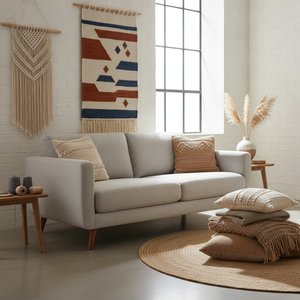
Woven Wonders: A Beginner's Guide to Elevating Your New Home with Timeless Textile Art
Discover how to transform your new home with the warmth of textile art. Our expert guide for newlyweds explores handwoven tapestries, tactile fibers, and timeless ways to curate a soulful, sophisticated interior through beautiful woven wonders.
Harmonizing Heritage: A Cross-Cultural Approach to Interior Design with Asian, European, and African Art Reproductions
Discover the art of cross-cultural interior design with ArtsDot.com. Explore museum-quality reproductions & expert guidance to create a globally inspired, sophisticated home. Shop now!

William Aiken Walker: A Southern Luminist's Vision of River Life & Antebellum Society
Explore the evocative paintings of William Aiken Walker, a master of Southern Luminism. Discover his poignant depictions of post-Civil War life, African American culture & antebellum landscapes. Learn about this important artist's legacy.
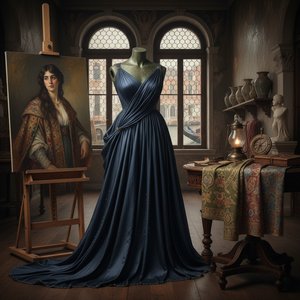
Mariano Fortuny: A Fusion of Art, Fashion & Design – Exploring a Venetian Innovator's Legacy
Explore the captivating world of Mariano Fortuny – artist, designer & innovator. Discover his revolutionary textiles, iconic Delphos gown, and lasting influence on art, fashion & interiors. A collector's guide to a Venetian master.

Henry Ossawa Tanner: Pioneering African American Representation in 19th-Century Art
Explore the life and groundbreaking work of Henry Ossawa Tanner, a pioneering African American artist who achieved international acclaim with his deeply spiritual and realistic paintings. Discover his legacy at ArtsDot.