

 プレビュー
プレビュー
 シェアする
シェアする シェアする
シェアする
 詳細を見る
詳細を見る

 ダウンロード
 似ている作品
 X線調査
X線調査 スライドショー
 Stats
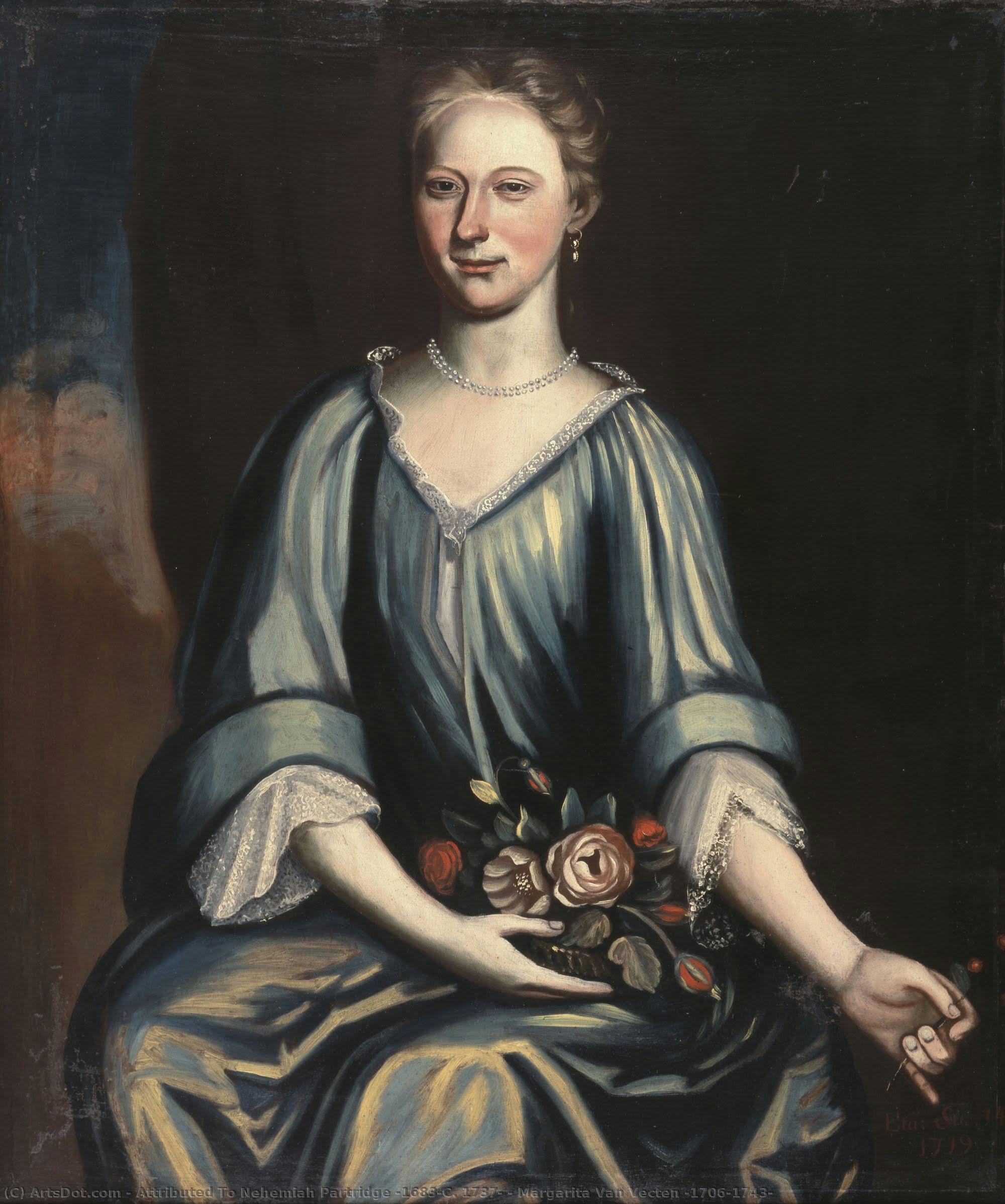
StatsMargarita Van Vecten (1706-1743)


Attributed to Nehemiah Partridge, a notable English limner known for his vibrant portrait miniatures and skilled needlework samplers, offers a glimpse into 18th-century life; discover the delicate artistry of this fascinating period painter.
 詳細を見る
詳細を見る
ジークレー/アートプリント
迅速な制作と多彩な仕上げオプションを備えた、ミュージアムクオリティのジークレーまたはキャンバスプリント。 ( 手描きの絵画を購入 Switch to Digital Image)




































標準サイズ
オーダーメイド
CM
INCH
作品のオリジナル比率に合わせた、当店の規定サイズからお選びください。
Loading sizes...

幅
高さ
特定のフレームやスペースに合わせて、ご自身でサイズを指定することも可能です。選択されたサイズが元の画像の比率と一致しない場合、作品をトリミングするか、鏡面反射または単色での塗りつぶしによって画像を拡張いたします。制作を開始する前に、ご確認用のデジタルモックアップをお送りいたします。
画面上のプレビューには、実際のトリミングや拡張は反映されませんのでご注意ください。最終的な構図を正確に確認できるのは、モックアップのみとなります。
カスタムサイズも承っておりますが、元の比率を維持するためには、あらかじめ用意されたリストからサイズを選択することをお勧めいたします。


 ガラスオプションは、110cm未満のサイズでのみご利用いただけます。

Margarita Van Vecten (1706-1743)
ジークレー/アートプリント
複製画のサイズ
-


合計金額
$ 62
関連作品








アーティストの略歴
Early Life and Obscurity
The life of Nehemiah Partridge remains shrouded in the mists of time, a curious case within the annals of 17th and 18th-century almanac production. Born sometime around 1683 – the exact date lost to history – Partridge emerged from relative obscurity to become one of the most prolific and popular astrologers and prognosticators of his age. Unlike many of his contemporaries who boasted noble lineage or formal education, Partridge’s origins are humble, known primarily through the ephemerides he meticulously crafted and disseminated. He was a man of practical skill rather than academic renown, building his reputation not on theoretical treatises but on readily accessible yearly calendars filled with weather predictions, astrological charts, and advice for everyday life. This focus on the tangible – planting times, likely illnesses, even favorable days for bleeding – resonated deeply with a broad readership eager to navigate the uncertainties of their world. The lack of detailed biographical information only adds to his mystique; he is a figure constructed as much by his publications as by any documented personal history. We know he operated primarily in London, becoming a fixture in the publishing landscape and catering to a society fascinated by the cosmos and its perceived influence on human affairs.The Rise of a Popular Prognosticator
Partridge’s ascent to prominence was fueled by the burgeoning market for almanacs during the late 17th and early 18th centuries. These yearly publications were not merely calendars; they served as repositories of practical knowledge, entertainment, and astrological guidance. Partridge distinguished himself through the sheer volume of his output – he produced a remarkable number of almanacs under various pseudonyms, ensuring a constant presence in booksellers’ shops. His style was characterized by clarity and accessibility, avoiding overly complex jargon that might alienate potential readers. He skillfully blended traditional astrological techniques with folk wisdom and observational data, creating predictions that were both intriguing and seemingly grounded in reality.- Astrological Expertise: Partridge demonstrated a solid understanding of horoscopy and planetary influences.
- Practical Application: His almanacs focused on everyday concerns like weather, health, and agriculture.
- Prolific Output: He published under multiple names to maintain market saturation.
Influences and Methodologies
While Partridge’s personal intellectual influences remain largely unknown, his work clearly reflects the dominant astrological traditions of his time. He drew heavily on the Ptolemaic system, incorporating elements of medieval astrology and the Hermetic tradition. William Lilly's "Christian Astrology", a seminal text published in 1647, likely served as a foundational resource, providing Partridge with a framework for understanding planetary configurations and their corresponding effects. However, he wasn’t simply a copyist; he adapted these established principles to suit the needs of his audience, emphasizing practical predictions over abstract philosophical speculation. His methodologies involved meticulous observation of celestial phenomena, combined with an intuitive grasp of seasonal patterns and local weather conditions. He also incorporated elements of folk astrology, drawing on traditional beliefs about lucky days, omens, and herbal remedies. This synthesis of diverse influences contributed to the unique character of his almanacs, making them both authoritative and relatable.Legacy and Historical Significance
Nehemiah Partridge’s impact extends beyond the sheer number of almanacs he produced. He represents a fascinating intersection of popular culture, scientific inquiry (as it was understood at the time), and commercial enterprise. His work provides valuable insights into the beliefs and anxieties of 18th-century society, revealing a deep-seated fascination with astrology and its perceived ability to predict the future. His almanacs were not simply tools for forecasting; they were cultural artifacts that reflected the hopes, fears, and aspirations of their readers. Furthermore, Partridge’s success helped to legitimize the practice of astrology within the broader public sphere, paving the way for subsequent generations of prognosticators. While modern science has largely discredited astrological claims, Partridge's legacy endures as a testament to the enduring human desire to understand our place in the cosmos and anticipate the challenges that lie ahead. His name became synonymous with almanac production itself; “Old Partridge” was often used generically to refer to any yearly calendar offering astrological guidance, a lasting tribute to his influence and popularity. He died sometime after 1737, leaving behind a substantial body of work that continues to fascinate historians and scholars today.
基本情報
- Date Of Birth: 1683
- Date Of Death: c. 1737
- Full Name: Nehemiah Partridge