


 プレビュー
プレビュー
 シェアする
シェアする シェアする
シェアする
 詳細を見る
詳細を見る

 ダウンロード
 似ている作品
 X線調査
X線調査 スライドショー
 統計情報
統計情報The Pontine Marshes at Sunset
 Oil On Canvas
- WallArt
- Romanticism
 1848
1848- 19th Century
 62.0 x 11.0 cm
 ナショナル・ギャラリー
 詳細を見る
詳細を見る
オンラインプレビューをはるかに凌ぐ、高解像度で鮮明なデジタル画像をご購入いただけます。
各ファイルは、社内の専門家が高度なツールと熟練した手作業によるレタッチを用いて、細心の注意を払って準備されています。すべての画像において、卓越した鮮明度、正確な色彩再現性、そして繊細なディテールを保証いたします。
最終ファイルは、プロフェッショナルな編集・印刷環境ですぐにご利用いただけるよう最適化された状態で、72時間以内にメールにてお届けいたします。これは、一流のデザインスタジオ、出版社、ギャラリーから信頼されているものと同等の品質です。
デジタルアート
個人での鑑賞、印刷、クリエイティブなプロジェクト用に、高解像度ファイルをダウンロードできます。 ( プリント版に切り替え 手描きの絵画を購入)
デジタル画像のご注文に付随する特典
高品質なデジタル画像配信を、確かな品質で。
ArtsDot.com を選ぶことは、単に画像を手に入れることではありません。それは、プロの手によって精密に仕上げられ、満足保証が付いた高品質なデジタルアートワークを受け取ることを意味します。ご注文いただいた際に自動的に付随する内容は、以下の通りです:

メールですぐにお届け
ご注文から72時間以内に、高解像度のデジタル画像ファイルがメールでお手元に届きます。すぐにそのままご利用いただけます。

AI技術で最適化されたデジタルファイル
お客様の作品は、高度なAIツールと専門家による手作業の編集を組み合わせてプロフェッショナルに最適化されており、細部のディテール、鮮明さ、そして正確な色再現性を最大限に引き出しています。

一生涯無料の再送サービス
ファイルを誤って削除したり、紛失してしまったりしましたか?ご安心ください。いつでも無料で再送いたします。

輸入手数料は一切かかりません
関税や手数料、配送料を気にすることなく、お気に入りのアートワークをすぐにお楽しみいただけます。デジタルダウンロードは常に免税です。

色彩再現の保証
プロ仕様のツールとカラーマネジメント技術を用いることで、デジタル画像が元の色を最大限に忠実に再現することを保証いたします。

100日間満足保証
ご購入いただいたデジタル画像にご満足いただけない場合は、100日以内であれば、理由を問わず修正または100%の返金対応をさせていただきます。

100% 返金保証
ご満足いただけない場合は、デジタルファイルを受け取ってから100日以内であれば、理由を問わず全額返金いたします。

まとめ買い割引
3枚購入で10%OFF - 5枚購入で15%OFF - 10枚以上購入で20%OFF。クリエイティブなプロジェクト、ギャラリー、エージェンシーに最適です。
The Luminous Embrace of Dusk Over the Marshes
To gaze upon The Pontine Marshes at Sunset is to surrender oneself to a moment suspended between day and night—a breathtaking confluence of color and tranquility. This painting captures more than just a vista; it encapsulates the very breath of a fading, golden light washing over vast, placid waters. The foreground commands attention with its expansive body of water, acting as a perfect mirror that drinks in and repeats the dramatic spectacle unfolding above. Here, August Kopisch masterfully orchestrates a symphony of reds, vibrant oranges, and soft yellows, hues that bleed across the canvas like spilled jewels against the deepening twilight.
A Tapestry Woven by Romantic Light
Painted in 1848, this work stands firmly within the evocative currents of early Romanticism. While Kopisch is perhaps more celebrated for his poetic spirit and legendary associations, this landscape reveals a painterly hand deeply attuned to atmospheric grandeur. The technique employed suggests an expert handling of oils, allowing the luminosity of the sunset—the very source of the painting's magic—to appear almost palpable. Notice how the scattered clouds are not mere filler but active participants in the drama; they catch the last rays of sun, transforming them into textured strokes against the deepening azure. In the distance, a solitary building anchors the composition, providing a necessary point of human scale against the overwhelming majesty of nature's daily performance.
Symbolism and Serenity: The Emotional Resonance
The Pontine Marshes themselves have long been a subject for artists seeking to capture sublime beauty. Symbolically, this sunset represents transition—the beautiful, inevitable passage from one state to another. The calm water speaks of deep introspection, inviting the viewer to quiet their own internal noise and simply observe. It is a scene that whispers of nostalgia and profound peace. For the collector or designer, owning this piece means bringing not just decoration, but an emotional anchor into your space—a daily reminder of nature's enduring, breathtaking poetry.
Bringing the Sublime Home
Whether adorning a formal drawing-room or lending ethereal depth to a modern sanctuary, The Pontine Marshes at Sunset offers unparalleled visual drama. The rich palette and masterful composition ensure that it functions as a captivating focal point. We offer high-quality reproductions of this piece, allowing you to possess the sublime atmosphere of Kopisch’s vision without needing to traverse the Italian coast. It is an investment in enduring beauty, a window into a perfect, unforgettable moment.
関連作品



作家の略歴
August Kopisch: A Poet of Legends and the Echoes of Capri
August Kopisch, a figure often overlooked yet brimming with charm and evocative storytelling, was a German poet and painter whose life unfolded across Europe in the early 19th century. Born in Breslau (now Wrocław), Poland, in 1799, his artistic journey began with studies at the Prague Academy, an endeavor tragically cut short by an injury to his hand – a setback that ultimately steered him towards the world of literature and poetry. This shift wasn’t merely a retreat from painting; it became the foundation for a unique creative voice deeply rooted in folklore, legend, and the romantic spirit of the era. Kopisch's life was marked by travel, friendship with notable figures like August von Platen-Hallermünde, and a serendipitous discovery that would forever be linked to his artistic legacy: the Blue Grotto of Capri.Early Life and Artistic Beginnings
Kopisch’s early years were shaped by his family's bourgeois merchant background. Despite initial aspirations as a painter, an injury sustained during his studies at the Prague Academy presented a significant obstacle to his artistic ambitions. Rather than abandoning his creative spirit entirely, he transitioned into writing poetry, finding solace and expression in verse. His travels throughout Europe – residencies in Dresden and Vienna – provided fertile ground for intellectual exploration and fueled his burgeoning literary talent. It was during this period that Kopisch’s fascination with Italian culture began to take root, culminating in a pivotal moment in 1826: alongside the painter Ernst Fries, he rediscovered the legendary Blue Grotto of Capri, a submerged cave hidden beneath the island's coastline. This discovery wasn’t simply an archaeological event; it resonated deeply within Kopisch, becoming a source of inspiration for his poetry and a symbol of forgotten beauty.Poetic Achievements and Literary Style
Kopisch quickly established himself as a popular poet in Germany, renowned for his light-hearted verse that skillfully wove together elements of legend, folklore, and everyday life. His works, such as *Gedichte* (1836) – including charming ballads like “Die Geschichte von Noah” (“The Story of Noah”), “Die Heinzelmännchen zu Köln” (“The Gingerbread Men of Cologne”), “Das grüne Tier” (“The Green Beast”), and “Der Schneiderjunge von Krippstedt” (“The Shoemaker’s Boy from Krippstedt”) – captured the imaginations of readers with their naive charm, humorous observations, and vivid imagery. These poems weren't merely retellings of established tales; they were infused with Kopisch’s own unique perspective and a distinctly German sensibility. Beyond poetry, he also translated works by Dante Alighieri (*Divine Comedy*) and compiled collections of Italian folk songs, demonstrating his broad literary interests and appreciation for diverse cultural traditions. His style was characterized by simplicity, directness, and an ability to evoke strong emotional responses through accessible language.Royal Patronage and Potsdam
In 1828, Kopisch settled in Berlin and received a pension from Frederick William IV of Prussia, a testament to his growing recognition as a literary figure. This patronage afforded him stability and allowed him to dedicate himself further to his writing. In 1847, he moved to Potsdam, where he served as a court historian, documenting the royal residences and surrounding landscapes in an account titled *Agrumi* (1838). This work reflected not only his historical knowledge but also his artistic sensibilities, capturing the beauty of the Prussian countryside with a keen eye for detail. His time in Potsdam solidified his position within the cultural elite of Prussia.Legacy and Historical Significance
August Kopisch’s legacy lies primarily in his poetry – works that continue to resonate with readers today due to their nostalgic charm, imaginative storytelling, and evocative depiction of German folklore. While he may not be as widely celebrated as some of his contemporaries, his contributions to 19th-century literature are significant. His rediscovery of the Blue Grotto of Capri is a fascinating anecdote, highlighting the intersection of art, exploration, and cultural memory. Kopisch’s life exemplifies the Romantic movement's fascination with the past, the power of imagination, and the beauty found in seemingly ordinary subjects. He remains an artist whose work offers a glimpse into a bygone era—a poet who captured the spirit of his time through the language of legends and the echoes of Capri.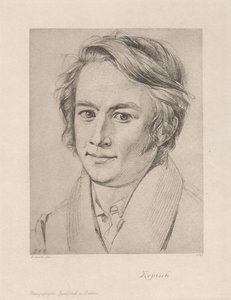
August Kopisch
1799 - 1853