

 プリントを購入
 シェアする
シェアする シェアする
シェアする
 詳細を見る
詳細を見る

 ダウンロード
 似ている作品
 スライドショー
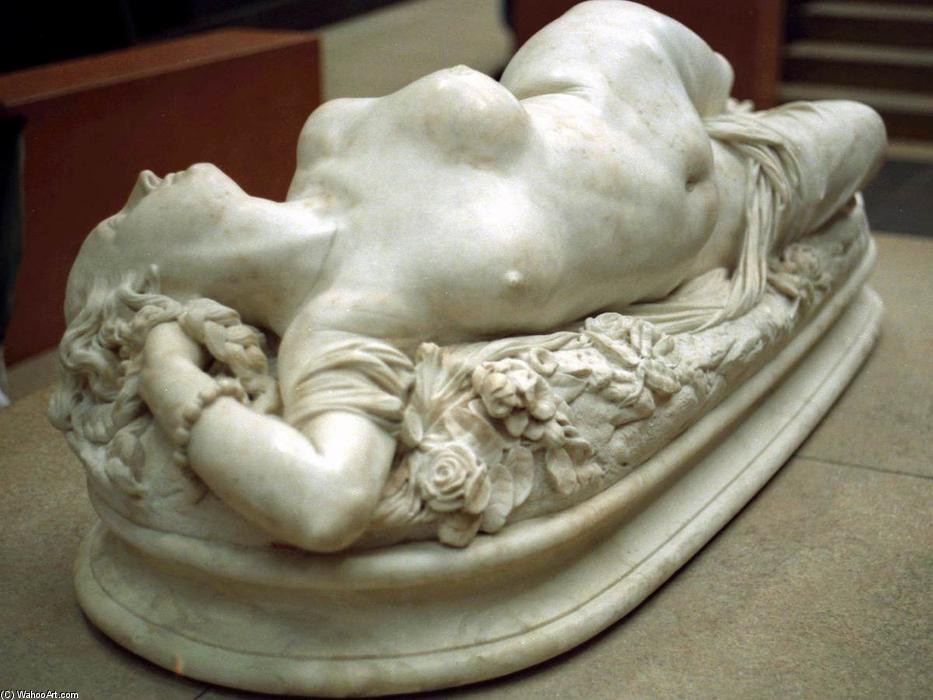
Woman Bitten by a Snake (Femme piquée par un serpent)
 Marble
- Sculpture
- Romantic Realism
 1847
1847- 19th Century
 56.0 x 180.0 cm
 オルセー美術館
 詳細を見る
詳細を見る
オンラインプレビューをはるかに凌ぐ、高解像度で鮮明なデジタル画像をご購入いただけます。
各ファイルは、社内の専門家が高度なツールと熟練した手作業によるレタッチを用いて、細心の注意を払って準備されています。すべての画像において、卓越した鮮明度、正確な色彩再現性、そして繊細なディテールを保証いたします。
最終ファイルは、プロフェッショナルな編集・印刷環境ですぐにご利用いただけるよう最適化された状態で、72時間以内にメールにてお届けいたします。これは、一流のデザインスタジオ、出版社、ギャラリーから信頼されているものと同等の品質です。
デジタル画像のご注文に付随する特典
高品質なデジタル画像配信を、確かな品質で。
ArtsDot.com を選ぶことは、単に画像を手に入れることではありません。それは、プロの手によって精密に仕上げられ、満足保証が付いた高品質なデジタルアートワークを受け取ることを意味します。ご注文いただいた際に自動的に付随する内容は、以下の通りです:

メールですぐにお届け
ご注文から72時間以内に、高解像度のデジタル画像ファイルがメールでお手元に届きます。すぐにそのままご利用いただけます。

AI技術で最適化されたデジタルファイル
お客様の作品は、高度なAIツールと専門家による手作業の編集を組み合わせてプロフェッショナルに最適化されており、細部のディテール、鮮明さ、そして正確な色再現性を最大限に引き出しています。

一生涯無料の再送サービス
ファイルを誤って削除したり、紛失してしまったりしましたか?ご安心ください。いつでも無料で再送いたします。

輸入手数料は一切かかりません
関税や手数料、配送料を気にすることなく、お気に入りのアートワークをすぐにお楽しみいただけます。デジタルダウンロードは常に免税です。

色彩再現の保証
プロ仕様のツールとカラーマネジメント技術を用いることで、デジタル画像が元の色を最大限に忠実に再現することを保証いたします。

60日間満足保証
ご購入いただいたデジタル画像にご満足いただけない場合は、60日以内であれば、修正または100%の返金(理由を問う必要はありません)をさせていただきます。

100% 返金保証
ご満足いただけない場合は、デジタルファイルを受け取ってから60日以内であれば、理由を問わず全額返金いたします。

まとめ買い割引
3枚購入で10%OFF - 5枚購入で15%OFF - 10枚以上購入で20%OFF。クリエイティブなプロジェクト、ギャラリー、エージェンシーに最適です。
Woman Bitten by a Snake – Auguste Clésinger
Auguste Clésinger’s “Woman Bitten by a Serpent,” sculpted in 1847 from Carrara marble, remains an arresting testament to Romantic artistic ambition and the enduring fascination with eroticism within classical ideals. Now housed at the Musée d'Orsay in Paris—a location that underscores its significance as one of the Salon’s most scandalous achievements—the sculpture transcends mere depiction; it embodies a profound exploration of vulnerability, pain, and desire. Its creation coincided with a pivotal moment in artistic history, marking a decisive departure from Neoclassical restraint toward a more emotionally charged realism championed by figures like Théophile Gautier and Charles Baudelaire.The Model and Context: Apollonie Sabatier
The genesis of “Woman Bitten by a Serpent” lies in the collaboration between Clésinger and Apollonie Sabatier, a Parisian courtesan who captivated numerous artists of her era. Sabatier’s nude pose—a deliberate allusion to classical sculptures portraying idealized beauty—was meticulously crafted from life casts, ensuring unparalleled accuracy in capturing the contours of human flesh and conveying the visceral experience of agony. This method, favored by Clésinger, exemplifies his commitment to realism while simultaneously referencing the artistic traditions of antiquity. The sculpture’s debut at the Salon of 1847 provoked considerable controversy, fueled by critiques that questioned the propriety of portraying nudity in such a provocative manner—a debate that continues to resonate within art historical discourse.Technique and Material Considerations
Clésinger's masterful manipulation of marble is evident throughout the sculpture’s surface texture. The artist painstakingly achieved subtle variations in tone and luminosity, mirroring the nuances of human skin and conveying the palpable sensation of pain. Detailed modeling—particularly on the thighs—demonstrates Clésinger’s meticulous attention to anatomical precision, reflecting his profound understanding of sculptural technique. Furthermore, the incorporation of delicate floral ornamentation—primarily lilies—adds a layer of symbolic richness to the composition. Lilies traditionally represent purity and resurrection, subtly juxtaposing the vulnerability depicted in the woman's pose with an aspiration toward spiritual renewal.Symbolism and Emotional Resonance
Beyond its technical brilliance, “Woman Bitten by a Serpent” operates on multiple levels of symbolism. The snake itself—a recurring motif in Western mythology—represents temptation, danger, and mortality, embodying the destructive forces that threaten human equilibrium. Simultaneously, however, the sculpture speaks to themes of resilience and transformation. The woman’s contorted posture conveys intense suffering, yet her gaze retains a serene composure—suggesting an inner fortitude capable of overcoming adversity. This duality underscores Clésinger's artistic intention: to confront viewers with uncomfortable truths about human experience while simultaneously affirming the capacity for beauty and grace amidst pain.Legacy and Influence
“Woman Bitten by a Serpent” stands as a cornerstone of Romantic sculpture, profoundly influencing subsequent artists who sought to express emotion and psychological complexity in their works. Its daring aesthetic—characterized by unflinching realism combined with sensual allure—challenged prevailing artistic conventions and paved the way for explorations into themes of eroticism and vulnerability that would continue to captivate audiences throughout the Victorian era. Today, reproductions of this iconic sculpture adorn homes and galleries worldwide, serving as enduring reminders of Clésinger’s artistic genius and the transformative power of art history.関連作品

作家の略歴
Auguste Clésinger: Life and Legacy
Early Life and Training
- Born: October 22, 1814, in Besançon, France.
- Auguste Clésinger came from an artistic family; his father, Georges-Philippe Clésinger, was a sculptor who provided Auguste with his initial training.
- This early exposure instilled in him a foundational understanding of sculptural techniques and aesthetics.
Artistic Development and Style
- Clésinger’s artistic style evolved through the 19th century, initially embracing Neoclassical principles but gradually incorporating elements of Realism and Romanticism.
- He skillfully blended technical precision with emotional intensity in his works.
- His sculptures often depict dramatic narratives and sensuous figures, showcasing a mastery of anatomy and form.
Major Works and Achievements
- Woman Bitten by a Serpent (1847): This sculpture caused a sensation at the Paris Salon due to its dramatic realism and erotic undertones. It was modeled from life casts of Apollonie Sabatier.
- Madame Sabatier (1847): A marble portrait of his model, Apollonie Sabatier, further establishing Clésinger’s reputation for capturing beauty and sensuality.
- Chopin's Funerary Monument (1850): Commissioned after the composer Frédéric Chopin’s death, this white marble monument at Père Lachaise Cemetery is a poignant tribute to the musician.
- Angel of Grief: A deeply moving sculpture embodying Baroque drama and pathos.
- He also created busts of prominent figures like Rachel Félix and Théophile Gautier, and a statue of Louise of Savoy.
Influences and Relationships
- Influenced by: His father, Georges-Philippe Clésinger, provided his initial artistic foundation.
- Clésinger’s association with Apollonie Sabatier, a salonnière and mistress of several prominent artists including Charles Baudelaire, exposed him to intellectual and artistic circles.
- His marriage in 1847 to Solange Dudevant, daughter of George Sand, further connected him to literary society.
Historical Significance and Legacy
- Clésinger’s work reflects the artistic currents of 19th-century France, bridging Neoclassicism with emerging Realist tendencies.
- Recognition: He received the Knight's Cross of the Légion d'honneur in 1849 and was promoted to Officer in 1864.
- His sculptures continue to be admired for their technical skill, emotional depth, and dramatic impact. His works are displayed at prominent museums such as the Musée d’Orsay.
- Death: He died on January 5, 1883, in Paris, and is buried in Père Lachaise Cemetery.
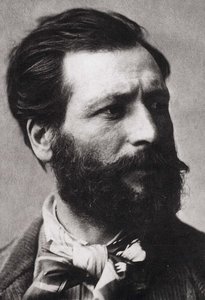
auguste clésinger
1814 - 1883 , France
プロフィール概要
- Birth Date: 1814-10-22
- Birth Place: Besançon, France
- Death Date: 1883-01-05
- Influenced: None, 'influenced by': 'Georges-Philippe Clésinger (father)', 'movement': ['Realism', 'Romanticism'], 'name': 'Auguste Clésinger', 'nationality': 'French', 'notable works': ['Woman Bitten by a Serpent', 'Angel of Grief', 'Madame Sabatier',

