

 プレビュー
プレビュー
 プリントを購入
 シェアする
シェアする シェアする
シェアする
 詳細を見る
詳細を見る

 ダウンロード
 似ている作品
 X線調査
X線調査 スライドショー
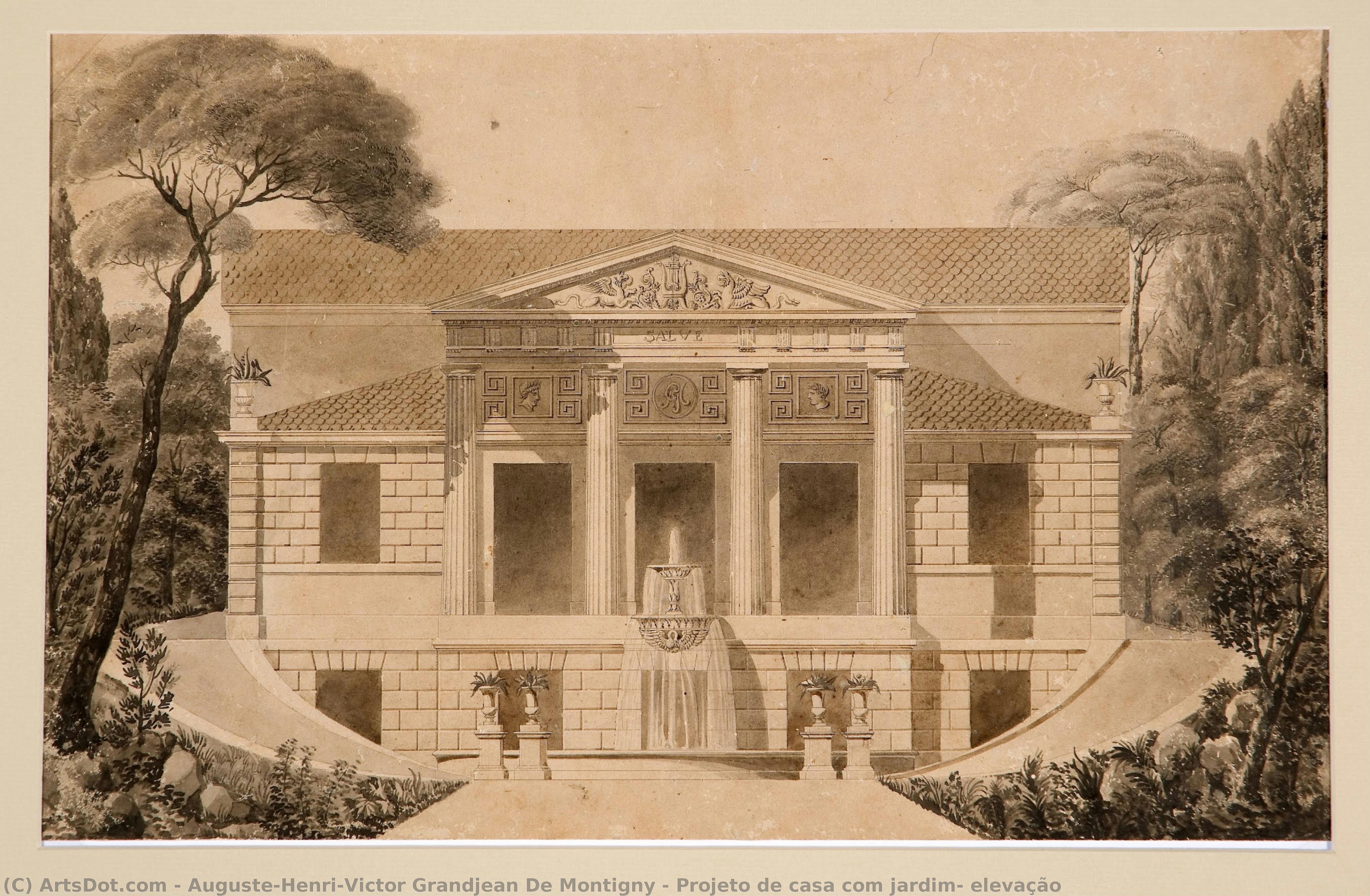
Projeto de casa com jardim: elevação

 詳細を見る
詳細を見る
オンラインプレビューをはるかに凌ぐ、高解像度で鮮明なデジタル画像をご購入いただけます。
各ファイルは、社内の専門家が高度なツールと熟練した手作業によるレタッチを用いて、細心の注意を払って準備されています。すべての画像において、卓越した鮮明度、正確な色彩再現性、そして繊細なディテールを保証いたします。
最終ファイルは、プロフェッショナルな編集・印刷環境ですぐにご利用いただけるよう最適化された状態で、72時間以内にメールにてお届けいたします。これは、一流のデザインスタジオ、出版社、ギャラリーから信頼されているものと同等の品質です。
デジタル画像のご注文に付随する特典
高品質なデジタル画像配信を、確かな品質で。
ArtsDot.com を選ぶことは、単に画像を手に入れることではありません。それは、プロの手によって精密に仕上げられ、満足保証が付いた高品質なデジタルアートワークを受け取ることを意味します。ご注文いただいた際に自動的に付随する内容は、以下の通りです:

メールですぐにお届け
ご注文から72時間以内に、高解像度のデジタル画像ファイルがメールでお手元に届きます。すぐにそのままご利用いただけます。

AI技術で最適化されたデジタルファイル
お客様の作品は、高度なAIツールと専門家による手作業の編集を組み合わせてプロフェッショナルに最適化されており、細部のディテール、鮮明さ、そして正確な色再現性を最大限に引き出しています。

一生涯無料の再送サービス
ファイルを誤って削除したり、紛失してしまったりしましたか?ご安心ください。いつでも無料で再送いたします。

輸入手数料は一切かかりません
関税や手数料、配送料を気にすることなく、お気に入りのアートワークをすぐにお楽しみいただけます。デジタルダウンロードは常に免税です。

色彩再現の保証
プロ仕様のツールとカラーマネジメント技術を用いることで、デジタル画像が元の色を最大限に忠実に再現することを保証いたします。

60日間満足保証
ご購入いただいたデジタル画像にご満足いただけない場合は、60日以内であれば、修正または100%の返金(理由を問う必要はありません)をさせていただきます。

100% 返金保証
ご満足いただけない場合は、デジタルファイルを受け取ってから60日以内であれば、理由を問わず全額返金いたします。

まとめ買い割引
3枚購入で10%OFF - 5枚購入で15%OFF - 10枚以上購入で20%OFF。クリエイティブなプロジェクト、ギャラリー、エージェンシーに最適です。
関連作品









作家の略歴
The Architect of a New World: The Legacy of Grandjean de Montigny
In the grand tapestry of nineteenth-century architectural history, few figures possess a legacy as geographically transformative as Auguste Henri Victor Grandjean de Montigny. Born in Paris in 1776, amidst the intellectual ferment of the Enlightenment, Grandjean was a child of the French classical tradition. His early years were defined by rigorous academic discipline at the prestigious École des Beaux-Arts, where he studied under the masters Charles Percier and Pierre-François-Léonard Fontaine. This lineage of Neoclassicism—a style rooted in the symmetry, order, and grandeur of antiquity—would become the very language through which he would eventually reshape the urban identity of a continent.
His ascent within the European architectural hierarchy was marked by early brilliance, notably winning the Prix de Rome in 1799. This prestigious accolade granted him access to the profound classical heritage of Italy, where he worked on the preparation of the Villa Medici. His talent even caught the eye of royalty; during his tenure in Europe, he served as the architect to Jérôme Bonaparte, King of Westphalia, contributing to the splendor of the Bellevue Palace. Yet, destiny beckoned him far from the established courts of Europe toward the burgeoning landscapes of South America.
A Mission of Artistic Renewal in Brazil
The year 1816 marked a seismic shift in Grandjean’s life and the history of Brazilian architecture. Invited to Brazil by King John VI of Portugal, he arrived as a vital component of the French Artistic Mission. This group of exiled intellectuals and artists sought to elevate the cultural prestige of the Portuguese colony, transforming Rio de Janeiro from a colonial outpost into a sophisticated metropolitan center. Grandjean did not merely arrive as a builder, but as a visionary tasked with introducing a new aesthetic vocabulary to the tropics.
As the primary architect and the sole professor of architecture at the newly established Academy of Fine Arts, his influence was both structural and pedagogical. He breathed life into the concept of urban renewal, moving beyond individual monuments to consider the harmony of the cityscape itself. His work was characterized by an eclectic classical style that sought to marry European monumentalism with the specific needs and context of Brazil. Through his designs, the rigid lines of Neoclassicism provided a sense of permanence and civic order to a rapidly evolving society.
Monuments of Stone and Spirit
The physical manifestations of Grandjean’s genius remain etched into the urban fabric of Brazil, serving as enduring witnesses to his mastery. His most profound contribution was undoubtedly the design for the Academy of Fine Arts in Rio de Janeiro. This structure, embodying the principles of symmetry and classical proportion, became a sanctuary for the arts and a symbol of intellectual progress. Beyond the Academy, his hand can be seen in the creation of the Roman Arch and various urban interventions such as the Praça do Comércio, which sought to organize the chaos of colonial streets into dignified public spaces.
To understand the depth of his impact, one must look at the elements that defined his architectural language:
- Classical Rigor: The use of Corinthian columns and symmetrical facades to evoke the timelessness of Roman temples.
- Urban Vision: A commitment to wide boulevards and harmonious ensembles that prioritized civic pride and movement.
- Cultural Synthesis: The ability to translate European Neoclassical ideals into a format that could flourish within the Brazilian landscape.
Grandjean de Montigny passed away in 1850, but his departure did not signal the end of his influence. He had successfully planted the seeds of a new architectural era. By bridging the gap between the refined traditions of Paris and the ambitious spirit of Brazil, he ensured that the language of Neoclassicism would become a foundational element of Brazilian national identity, leaving behind a legacy of stone, order, and enduring beauty.
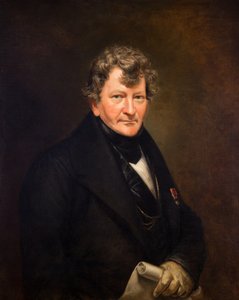
auguste-henri-victor grandjean de montigny
1776 - 1850 , France
プロフィール概要
- Artistic Movement Or Style: Neoclassical
- Artists Or Movements Influenced By This Artist: ['Classical architecture']
- Artists Who Influenced This Artist: ['Jacques-Nicolas Dubois']
- Date Of Birth: July 15, 1776
- Date Of Death: March 2, 1850
- Full Name: Auguste Henri Victor Grandjean de Montigny
- Nationality: French
- Notable Artworks:
- Academy of Fine Arts
- Urban planning Brazil
- Place Of Birth: Paris, France

