

 プリントを購入
 シェアする
シェアする シェアする
シェアする
 詳細を見る
詳細を見る

 ダウンロード
 似ている作品
 スライドショー
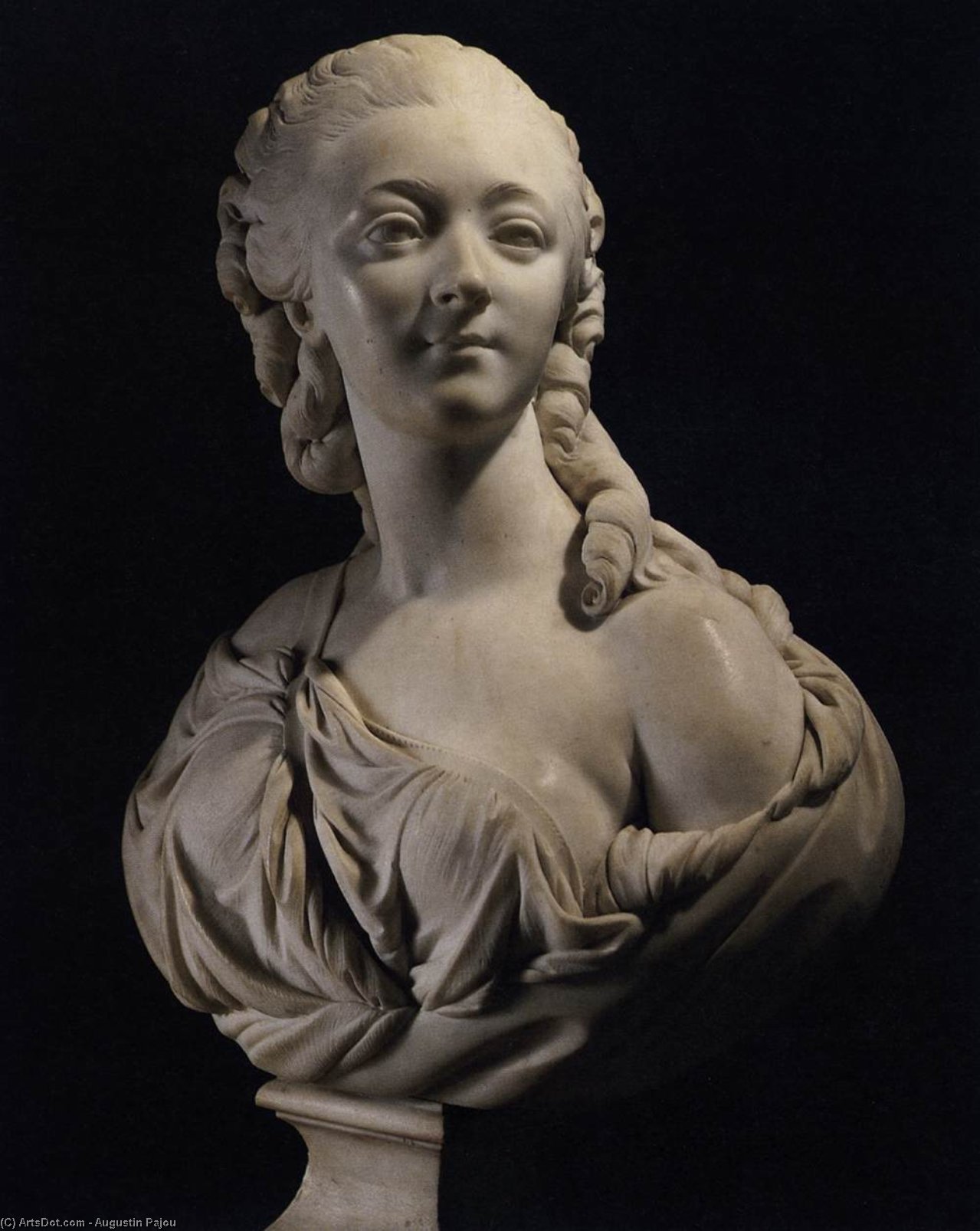
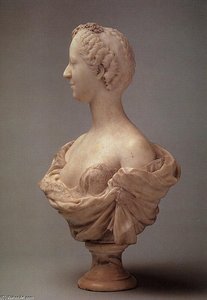
Bust of Madame du Barry


 詳細を見る
詳細を見る
オンラインプレビューをはるかに凌ぐ、高解像度で鮮明なデジタル画像をご購入いただけます。
各ファイルは、社内の専門家が高度なツールと熟練した手作業によるレタッチを用いて、細心の注意を払って準備されています。すべての画像において、卓越した鮮明度、正確な色彩再現性、そして繊細なディテールを保証いたします。
最終ファイルは、プロフェッショナルな編集・印刷環境ですぐにご利用いただけるよう最適化された状態で、72時間以内にメールにてお届けいたします。これは、一流のデザインスタジオ、出版社、ギャラリーから信頼されているものと同等の品質です。
デジタル画像のご注文に付随する特典
高品質なデジタル画像配信を、確かな品質で。
ArtsDot.com を選ぶことは、単に画像を手に入れることではありません。それは、プロの手によって精密に仕上げられ、満足保証が付いた高品質なデジタルアートワークを受け取ることを意味します。ご注文いただいた際に自動的に付随する内容は、以下の通りです:

メールですぐにお届け
ご注文から72時間以内に、高解像度のデジタル画像ファイルがメールでお手元に届きます。すぐにそのままご利用いただけます。

AI技術で最適化されたデジタルファイル
お客様の作品は、高度なAIツールと専門家による手作業の編集を組み合わせてプロフェッショナルに最適化されており、細部のディテール、鮮明さ、そして正確な色再現性を最大限に引き出しています。

一生涯無料の再送サービス
ファイルを誤って削除したり、紛失してしまったりしましたか?ご安心ください。いつでも無料で再送いたします。

輸入手数料は一切かかりません
関税や手数料、配送料を気にすることなく、お気に入りのアートワークをすぐにお楽しみいただけます。デジタルダウンロードは常に免税です。

色彩再現の保証
プロ仕様のツールとカラーマネジメント技術を用いることで、デジタル画像が元の色を最大限に忠実に再現することを保証いたします。

60日間満足保証
ご購入いただいたデジタル画像にご満足いただけない場合は、60日以内であれば、修正または100%の返金(理由を問う必要はありません)をさせていただきます。

100% 返金保証
ご満足いただけない場合は、デジタルファイルを受け取ってから60日以内であれば、理由を問わず全額返金いたします。

まとめ買い割引
3枚購入で10%OFF - 5枚購入で15%OFF - 10枚以上購入で20%OFF。クリエイティブなプロジェクト、ギャラリー、エージェンシーに最適です。
作品の詳細
A Vision of Neoclassical Grace
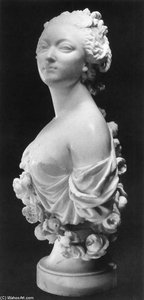
In the heart of late eighteenth-century France, amidst the gilded opulence of Versailles, Augustin Pajou breathed life into cold marble to create a masterpiece of enduring elegance. His Bust of Madame du Barry is far more than a mere portrait; it is a profound meditation on beauty, poise, and the transition from the exuberant Rococo era to the disciplined restraint of Neoclassicism. As one gazes upon this exquisite sculpture, they are transported to the court of Louis XV, encountering a figure who embodied the very essence of French sophistication. Pajou does not simply capture a likeness; he distills the spirit of an icon, presenting Madame du Barry with a serene majesty that transcends the fleeting fashions of her time.
The sculpture serves as a breathtaking testament to the artist's technical virtuosity and his deep reverence for classical antiquity. Influenced by the aesthetic theories of Johann Joachim Winckelmann, Pajou moved away from the swirling, theatrical ornamentation of the preceding decades. Instead, he embraced a style defined by anatomical precision and a quiet, dignified strength. The subject’s face, rendered with soft, rounded contours, possesses an ethereal quality, while her hair—styled in delicate, loose curls—frames her features with a naturalistic yet idealized grace. This careful balance between realism and idealization allows the bust to resonate with a timelessness that continues to captivate collectors and art enthusiasts today.
The Alchemy of Marble and Light
The true magic of this work lies in Pajou’s masterful manipulation of his medium. Utilizing fine marble, a material prized for its purity and permanence, the sculptor achieved a surface so smooth it seems to possess the warmth of living skin. Through meticulous polishing and an expert understanding of light, Pajau created a dialogue between form and illumination. As light dances across the subtle modeling of Madame du Barry's face, it creates soft shadows that deepen her contemplative expression, lending the piece an emotional depth that is both intimate and profound.
Every detail within the drapery speaks to a high level of craftsmanship. The fabric, cascading over one shoulder, is rendered with such care that the viewer can almost sense the weight and texture of the cloth. The interplay of light and shadow within these deep folds adds a dynamic sense of movement to an otherwise static form, preventing the sculpture from feeling heavy or immobile. For the discerning interior designer or art lover, this piece offers a sophisticated focal point—a work that brings a sense of historical weight and quiet luxury to any curated space.
An Enduring Legacy for the Modern Collector
To possess a reproduction of this caliber is to invite a piece of history into one's personal sanctuary. The Bust of Madame du Barry carries with it the echoes of a vanished world, offering a sense of tranquility and refined taste that is increasingly rare in the modern age. It is an ideal acquisition for those who appreciate the intersection of historical narrative and sculptural excellence. Whether placed in a sunlit library or a formal gallery setting, the bust acts as a silent storyteller, evoking the grandeur of the French monarchy and the meticulous artistry of the Neoclassical movement.
For collectors seeking to inspire awe and conversation, this work provides an unparalleled opportunity to celebrate the legacy of Augustin Pajou. It is not merely a decorative object but an emotional experience—a way to surround oneself with the grace, dignity, and eternal beauty that defined one of history's most glamorous eras.
関連作品
作家の略歴
Augustin Pajou: The Sculptor of Elegant Grace
Augustin Pajou (1766 – 1809) stands as a pivotal figure in the artistic landscape of late eighteenth-century France, embodying the ideals of Neoclassicism and securing his place amongst the most celebrated sculptors of his era. Born in Paris to Jean-Baptiste Pajou, a renowned sculptor himself, Augustin inherited a legacy of artistic excellence and swiftly established himself as a prodigious talent destined for greatness. His formative years were marked by rigorous training under Lemoyne, cementing his understanding of classical principles and shaping his distinctive sculptural style—characterized by refined grace, meticulous detail, and an unwavering commitment to capturing idealized beauty.- Early Career & Prix de Rome: Pajou’s ambition propelled him toward the prestigious Prix de Rome in 1784, a competition that recognized exceptional artistic merit. Despite multiple unsuccessful attempts, he persevered, demonstrating remarkable determination and honing his craft through tireless experimentation.
- Notable Commissions & Patronage: His breakthrough came with commissions from influential patrons like Madame du Barry and Louis XVI, securing him positions at Versailles and propelling him to international acclaim. These projects showcased Pajou’s ability to translate aristocratic tastes into breathtaking sculptural masterpieces.
Sculptural Style & Technique
Pajou's artistic vision was firmly rooted in the principles of Neoclassicism, a movement that championed rationalism and sought inspiration from ancient Greece and Rome. He meticulously studied classical sculptures, absorbing their anatomical accuracy and expressive dynamism. His technique involved painstaking carving—often utilizing marble—employing tools with precision to achieve unparalleled realism and conveying emotion through subtle gestures and facial expressions. The sculptor’s mastery of material was evident in his ability to imbue stone with life-like qualities, capturing the essence of human form with remarkable sensitivity.- Emphasis on Anatomy & Proportion: Pajou adhered strictly to classical anatomical standards, ensuring that every sculpture reflected a profound understanding of human musculature and skeletal structure.
- Material Choice & Surface Treatment: He favored marble—particularly alabaster—renowned for its translucency and ability to capture delicate textures—a hallmark of his distinctive aesthetic.
Major Achievements & Legacy
Augustin Pajou’s artistic output spanned a remarkable breadth of projects, cementing his reputation as one of the foremost sculptors of his time. Among his most celebrated works are monumental sculptures like “Neptune Calming the Waves,” commissioned for Lyon’s Musée des Beaux-Arts, and busts of luminaries such as Voltaire, Rousseau, and Madame du Barry—each embodying exceptional artistic skill and capturing the spirit of Enlightenment thought. Furthermore, he played a crucial role in decorating Versailles' opera house, collaborating with Jean-Baptiste Raspail to create opulent interiors that reflected royal grandeur. His contribution to the monumental sculpture "The Princesse de Hesse-Homburg as Minerva" remains an enduring testament to his artistic prowess and stylistic innovation.- Versailles Opera House Decoration: Pajou’s involvement in Versailles' opera house project solidified his position as a leading artist of the era, demonstrating his ability to elevate architectural spaces through sculptural embellishments.
- Influence on Subsequent Artists: Pajou’s stylistic influence extended beyond his own lifetime, inspiring generations of sculptors who embraced Neoclassical ideals and sought to emulate his meticulous craftsmanship and expressive artistry.
Recognition & Collections
Today, Augustin Pajou's sculptures reside in prestigious collections worldwide—including the Louvre Museum, Musée des Beaux-Arts Lyon, Metropolitan Museum of Art (New York), Tate Britain, and numerous other institutions across Europe and America. His enduring legacy testifies to his unparalleled artistic achievement and ensures that his masterpieces continue to captivate audiences with their elegance, grace, and profound understanding of classical art principles. He is remembered as a sculptor who elevated Neoclassicism to new heights, securing his place among the giants of French sculpture history.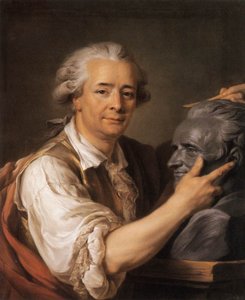
Augustin Pajou
1766 - 1828 , France
プロフィール概要
- Artistic Movement Or Style: Neoclassical
- Artists Or Movements Influenced By This Artist: ['Classical Art']
- Artists Who Influenced This Artist: ['Jean-Baptiste Lemoyne']
- Date Of Birth: Paris, France (1766)
- Date Of Death: Paris, France (1809)
- Full Name: Augustin Pajou
- Nationality: French
- Notable Artworks:
- Bust of Madame du Barry
- Psyche Abandoned
- The Princess of Hesse-Homburg as Minerva
- Place Of Birth: Paris

