

 プレビュー
プレビュー
 プリントを購入
 シェアする
シェアする シェアする
シェアする
 詳細を見る
詳細を見る

 ダウンロード
 似ている作品
 X線調査
X線調査 スライドショー
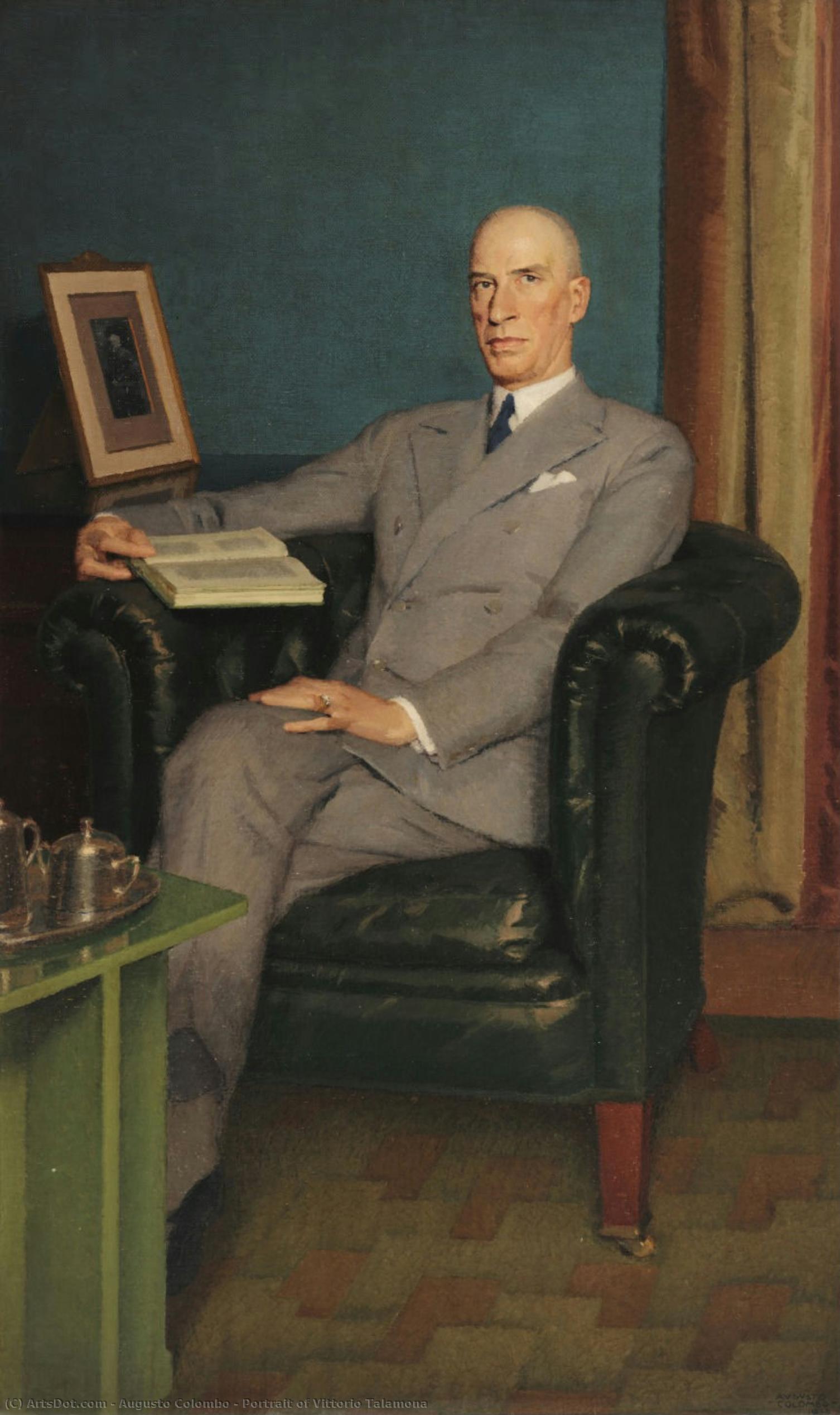
Portrait of Vittorio Talamona


 詳細を見る
詳細を見る
オンラインプレビューをはるかに凌ぐ、高解像度で鮮明なデジタル画像をご購入いただけます。
各ファイルは、社内の専門家が高度なツールと熟練した手作業によるレタッチを用いて、細心の注意を払って準備されています。すべての画像において、卓越した鮮明度、正確な色彩再現性、そして繊細なディテールを保証いたします。
最終ファイルは、プロフェッショナルな編集・印刷環境ですぐにご利用いただけるよう最適化された状態で、72時間以内にメールにてお届けいたします。これは、一流のデザインスタジオ、出版社、ギャラリーから信頼されているものと同等の品質です。
デジタル画像のご注文に付随する特典
高品質なデジタル画像配信を、確かな品質で。
ArtsDot.com を選ぶことは、単に画像を手に入れることではありません。それは、プロの手によって精密に仕上げられ、満足保証が付いた高品質なデジタルアートワークを受け取ることを意味します。ご注文いただいた際に自動的に付随する内容は、以下の通りです:

メールですぐにお届け
ご注文から72時間以内に、高解像度のデジタル画像ファイルがメールでお手元に届きます。すぐにそのままご利用いただけます。

AI技術で最適化されたデジタルファイル
お客様の作品は、高度なAIツールと専門家による手作業の編集を組み合わせてプロフェッショナルに最適化されており、細部のディテール、鮮明さ、そして正確な色再現性を最大限に引き出しています。

一生涯無料の再送サービス
ファイルを誤って削除したり、紛失してしまったりしましたか?ご安心ください。いつでも無料で再送いたします。

輸入手数料は一切かかりません
関税や手数料、配送料を気にすることなく、お気に入りのアートワークをすぐにお楽しみいただけます。デジタルダウンロードは常に免税です。

色彩再現の保証
プロ仕様のツールとカラーマネジメント技術を用いることで、デジタル画像が元の色を最大限に忠実に再現することを保証いたします。

60日間満足保証
ご購入いただいたデジタル画像にご満足いただけない場合は、60日以内であれば、修正または100%の返金(理由を問う必要はありません)をさせていただきます。

100% 返金保証
ご満足いただけない場合は、デジタルファイルを受け取ってから60日以内であれば、理由を問わず全額返金いたします。

まとめ買い割引
3枚購入で10%OFF - 5枚購入で15%OFF - 10枚以上購入で20%OFF。クリエイティブなプロジェクト、ギャラリー、エージェンシーに最適です。







作家の略歴
Albert Bierstadt: The Grand Visionary of the American West
Born in Düsseldorf, Germany, in 1830, Albert Bierstadt’s journey to becoming one of America's most celebrated landscape painters was a testament to his dedication and an embodiment of the Romantic spirit. His early life instilled within him a deep appreciation for detail and atmospheric effects, principles he would later master under the tutelage of Andreas Aschenbach and Karl Friedman Lessing at the Royal Academy in Dusseldorf – a school renowned for its “Dusseldorf School” approach. This training emphasized meticulous observation, dramatic lighting, and heroic compositions designed to evoke powerful emotions within the viewer.
Bierstadt’s emigration to New Bedford, Massachusetts, with his family at age two, marked a shift in his artistic trajectory. However, he returned to Dusseldorf in 1853 to pursue formal training, absorbing the techniques of the esteemed Düsseldorf School. This period proved crucial, exposing him to a rigorous approach to landscape painting that prioritized realism and emotional impact. Crucially, during these years, Bierstadt traveled extensively throughout Europe, sketching and painting alongside fellow American students at the Royal Academy – Sanford Gifford, Emanuel Leutze, and Worthington Whittredge. These experiences broadened his artistic horizons and honed his skills in capturing the nuances of European landscapes.
Bierstadt’s arrival in America in 1857 coincided with a burgeoning interest in the West. He quickly recognized an opportunity to translate the grandeur he had witnessed in Europe onto the vast, untamed landscapes of the Rocky Mountains and Sierra Nevada. His early works, exhibited at the National Academy of Design in New York, were met with considerable acclaim, establishing him as a leading figure in the Hudson River School. However, it was his expeditions into the American West that truly cemented his legacy. In 1860, he joined a military survey expedition to Wyoming, meticulously documenting the region’s flora, fauna, and indigenous populations – a process that involved not only sketching but also utilizing then-newly developed stereo photography, an innovative technique for capturing three-dimensional landscapes.
The Yosemite Valley paintings of the 1860s propelled Bierstadt to unprecedented fame. These monumental canvases, imbued with a romanticized vision of nature’s power and beauty, captivated the public and earned him accolades that included a congressional appropriation of $20,000 for a single canvas and commissions for murals in the U.S. Capitol Building. His success reflected a broader cultural fascination with the West during this period, fueled by westward expansion and the desire to capture its untamed spirit on canvas. Despite initial skepticism, his work quickly gained acceptance, demonstrating the power of art to shape public perception.
Despite achieving immense popularity in the 1860s and 70s, Bierstadt’s style began to feel somewhat dated by the 1880s as the Barbizon school and Impressionism gained prominence. His dramatic Romanticism was increasingly seen as overly sentimental compared to the more subtle approaches of contemporary artists. His attempt to exhibit *The Last of the Buffalo* at the Paris Exposition in 1889 was famously rejected, a clear indication of shifting artistic tastes. Albert Bierstadt died in relative obscurity in New York City in 1902, yet his monumental landscapes continue to inspire awe and admiration for their scale, detail, and evocative portrayal of America’s untamed wilderness.
Carl E. Woolsey: A Taos Pioneer
Born in Danville, Illinois, in 1902, Carl E. Woolsey's artistic journey began with self-taught instruction before receiving brief guidance from Henry Richter in Long Beach, California. Drawn to the burgeoning art scene of Taos, New Mexico, he moved there with his family in 1927, seeking inspiration and a new creative outlet under the mentorship of Walter Ufer, a founding member of the Taos Society of Artists.
Woolsey’s early years in Taos were marked by rapid success. He quickly gained recognition for his landscapes, exhibiting at the Hoosier Salon and the National Academy of Design, attracting critical acclaim and numerous awards. His brother, Wood Woolsey, also established a successful career as an artist in Taos, further solidifying the family’s presence within the vibrant artistic community. Charles Woolsey, their father, played a crucial role by managing their careers and securing exhibitions throughout the Midwest.
Woolsey's style evolved during his time in Taos, retaining elements of the Hudson River School while incorporating influences from Ufer and the broader Southwestern art movement. His paintings are characterized by meticulous detail, skillful use of light and shadow, and a focus on capturing the essence of the landscape. Despite facing economic challenges during the Great Depression, Woolsey continued to paint, eventually returning to East Stroudsburg, Pennsylvania, in 1934 to settle with his family.
In his later years, Woolsey shifted his subject matter to include portraits and genre scenes, demonstrating a versatility that belied his initial focus on landscapes. His work remained rooted in a regionalist tradition, reflecting the beauty and character of the Pennsylvania countryside. Carl E. Woolsey died in East Stroudsburg in 1965, leaving behind a legacy as one of Taos’s most influential early artists.
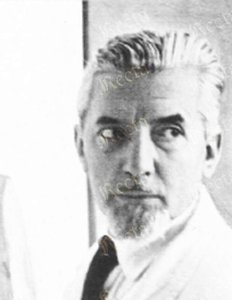
augusto colombo
1902 - 1969 , Italy
プロフィール概要
- Artistic Movement Or Style: Hudson River School
- Date Of Birth: January 7, 1830
- Date Of Death: February 18, 1902
- Full Name: Albert Bierstadt
- Nationality: American
- Notable Artworks:
- The Sierra Nevada
- Among the Sierra Nevada”, “Last of the Buffalo” ], "Artists who influenced this artist": [ "Andreas Aschenbach", "Karl Friedman Lessing" ], "Artists or movements influenced by this artist": [ "Düsseldorf School", "Romanticism"
- Place Of Birth: Prussia (Germany)

